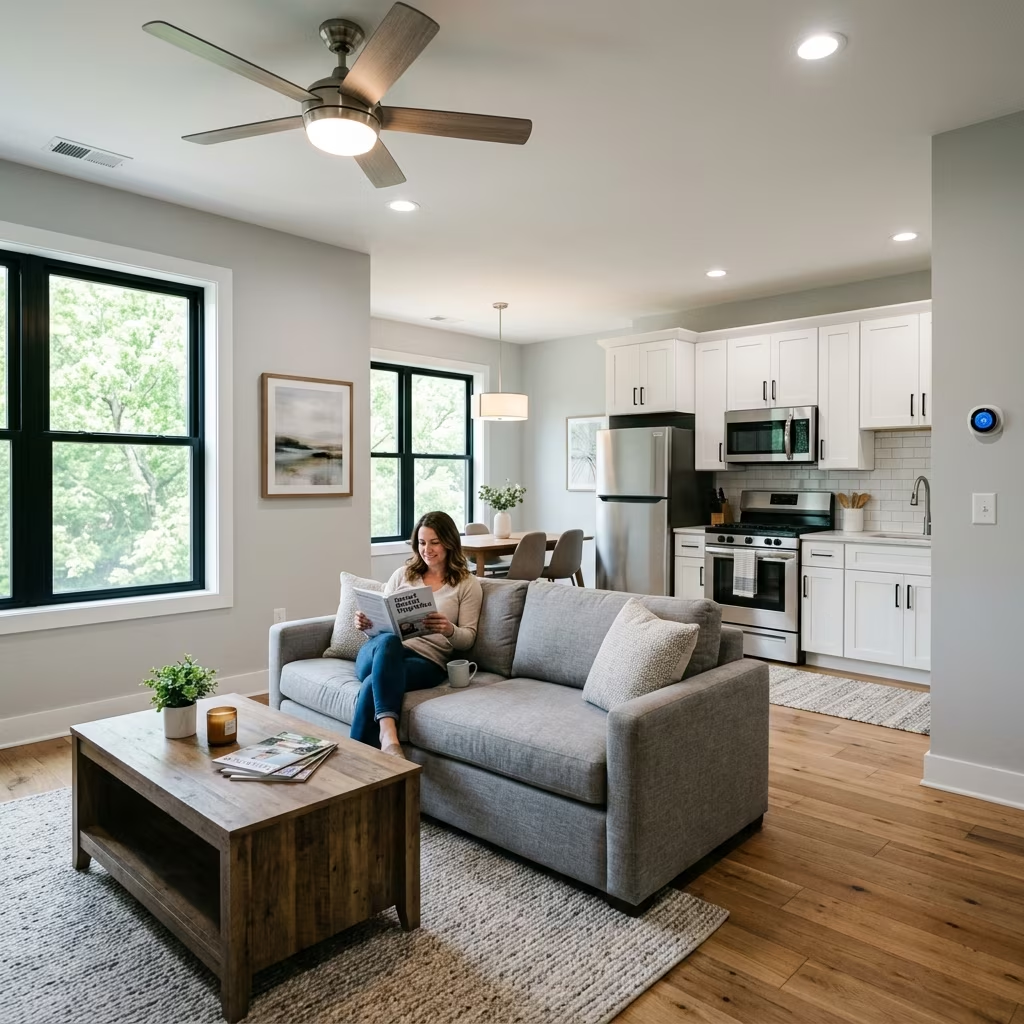
Not every renovation deserves a place in a rental property budget. Some changes make a home easier to lease, reduce maintenance headaches, and support higher rent, while others absorb cash without creating much practical value. The most effective upgrades are usually the ones that improve durability, presentation, and day-to-day livability at the same time.
For landlords, the smartest approach is rarely a full makeover. Instead, it is a sequence of targeted improvements that align with the type of tenant you want to attract and the price point of the market you serve. A property that looks clean, feels modern, and functions reliably often outperforms one with flashy but poorly chosen upgrades.
Start with the improvements tenants notice first
People usually form an opinion about a rental within moments of seeing the exterior or walking into the entryway. That means first impressions matter even when the unit itself is modest. A fresh, well-kept appearance can make a property feel more valuable than a more expensive space that appears neglected.
Exterior presentation is often the cheapest area to improve relative to its impact. Basic landscaping, clear walkways, a painted front door, and working exterior lights all signal that the property is maintained. Those signals can make prospective renters more comfortable before they ever ask about rent or lease terms.
- Trim shrubs, remove weeds, and clean up overgrown edges.
- Repaint or refinish the front door and visible trim.
- Replace broken house numbers, mailbox hardware, or entry fixtures.
- Make sure the entry path is bright, safe, and easy to navigate.
Focus on kitchens and bathrooms before luxury extras
Kitchens and bathrooms tend to influence renter decisions more than decorative upgrades elsewhere in the home. These rooms are used constantly, so dated finishes, worn surfaces, or weak lighting stand out quickly. Even small updates in these spaces can change the overall impression of the property.
The best rental-friendly kitchen and bath improvements are usually functional rather than extravagant. New cabinet hardware, modern faucets, neutral paint, cleaner lighting, and durable countertops can create a fresher look without the expense of a complete gut renovation. In many rentals, that balance is more valuable than premium finishes that are hard to maintain.
| Area | High-value improvement | Why it tends to help |
|---|---|---|
| Kitchen | Painted cabinets, new hardware, updated backsplash | Creates a cleaner, more current appearance |
| Bathroom | New vanity light, re-caulked tub, modern fixtures | Improves freshness and reduces signs of wear |
| Both | Better lighting and neutral finishes | Makes rooms feel larger, brighter, and more welcoming |
Choose durability over designer trends
In rental housing, the best materials are often the ones that survive repeated use. A stylish surface that scratches easily or requires frequent replacement can become expensive very quickly. Durable finishes usually create better long-term value because they keep maintenance costs lower between tenancies.
Flooring is a good example. Carpet may be inexpensive at installation, but it can hold odors, stain easily, and wear out faster in high-traffic rentals. Many landlords prefer surfaces such as luxury vinyl plank, tile in wet areas, or well-finished hardwood where appropriate. These choices are easier to clean and often last longer under tenant use.
- Pick materials that clean quickly and resist stains.
- Avoid finishes that require specialized upkeep.
- Use consistent materials across similar units when possible.
- Replace damaged sections before they spread into larger repairs.
Improve lighting, paint, and cleanliness before major remodeling
Some of the strongest returns in a rental property come from low-cost improvements that make the entire home feel better maintained. Bright, well-placed lighting can make rooms look larger and safer. Fresh paint can conceal scuffs, neutralize older color schemes, and help the property photograph well online. Deep cleaning can turn a tired unit into one that feels move-in ready.
These projects matter because they reduce friction for prospective tenants. A unit that looks clean and well lit can be easier to lease even if it is not brand new. For many landlords, this is where the best value lives: modest spending that creates a strong visual and practical improvement.
- Replace burned-out bulbs and outdated fixtures.
- Use neutral paint colors that appeal to a wide range of renters.
- Clean vents, baseboards, windows, and grout lines.
- Repair visible wall damage, chips, and nail holes.
Energy-saving upgrades can strengthen value over time
Efficiency improvements do not always produce the fastest visual payoff, but they can help a rental remain competitive and lower operating costs. Renters increasingly notice appliances and features that support lower utility bills. Landlords may also benefit from fewer service calls and less wear on older equipment.
Not every energy upgrade is worth the expense, so the focus should stay on practical changes with broad appeal. A programmable or smart thermostat, better weather sealing, LED lighting, and efficient appliances can provide a useful mix of tenant convenience and ongoing savings. These improvements are especially sensible when existing components are already near the end of their useful life.
- Install LED bulbs throughout the unit.
- Seal gaps around doors and windows.
- Replace inefficient appliances only when needed.
- Use thermostat controls that are easy for tenants to understand.
Don’t ignore the systems that keep the property livable
Some of the best investments in a rental are not glamorous at all. Heating, cooling, plumbing, electrical, and roofing issues may not impress tenants in the same way as a stylish backsplash, but these systems shape the actual living experience. A property that functions reliably tends to attract better feedback, fewer complaints, and longer tenancies.
When these systems are failing, cosmetic upgrades often do little to improve the property’s market position. A new coat of paint will not compensate for unreliable hot water or a noisy, inefficient furnace. For that reason, repairs that stabilize the building should usually come before decorative work.
| System | What to check | Why it matters |
|---|---|---|
| HVAC | Age, efficiency, maintenance history | Comfort, reliability, and energy costs |
| Plumbing | Leaks, water pressure, fixture condition | Prevents damage and tenant complaints |
| Electrical | Outlets, lighting, panel capacity | Safety and modern tenant expectations |
Match upgrades to your rental strategy
The best improvement for one property may be a poor choice for another. A high-end single-family home, a student apartment, and a long-term family rental do not need the same level of finish. Landlords should think about tenant expectations, neighborhood pricing, and turnover patterns before committing to a project.
If the goal is to keep a property affordable and occupied quickly, simple refreshes may be enough. If the goal is to position the home above nearby listings, more substantial improvements may be justified. The key is to avoid spending as if the property were a personal residence rather than an income-producing asset.
- Use the renovation budget to support the rent level you want to charge.
- Research comparable rentals to see which features stand out.
- Prioritize improvements that reduce future maintenance.
- Avoid overbuilding beyond what the local market will reward.
Plan for taxes and records before you begin
Rental upgrades also affect bookkeeping. Not every expense is treated the same way for tax purposes, and owners should distinguish between repairs, improvements, and ongoing maintenance. Keeping invoices, before-and-after photos, and contractor notes can make it easier to support the treatment of each project later.
It is also useful to break larger work into categories. For example, a patch-and-paint job after turnover may be a repair, while a new roof or remodeled kitchen may be treated differently. Good records help landlords understand the true return on each project and maintain cleaner financial reporting.
- Save receipts and contractor estimates.
- Track the purpose of each project.
- Separate routine maintenance from capital improvements.
- Keep photos of the unit before and after work is completed.
A practical way to rank rental improvements
When money is limited, it helps to think in tiers. The first tier includes urgent repairs and anything that affects safety or code compliance. The second tier includes high-visibility updates that improve marketability. The third tier includes optional enhancements that may help, but only after core needs are covered.
This ranking method keeps spending focused. It also reduces the risk of choosing an upgrade that looks attractive on paper but does little to improve rentability. In most cases, a property that is clean, functional, and visually current will outperform a property that is expensive but poorly prioritized.
- Tier 1: safety, habitability, and necessary repairs.
- Tier 2: curb appeal, paint, lighting, flooring, and kitchen/bath refreshes.
- Tier 3: premium amenities and design extras that fit the local market.
FAQs
Which rental upgrades usually give the best value?
The upgrades that tend to perform best are the ones that improve appearance, durability, and tenant comfort at the same time, especially kitchen, bathroom, flooring, lighting, and curb appeal projects.
Should I renovate a rental like a personal home?
Usually no. Rental improvements should be chosen for durability, tenant appeal, and financial return rather than for personal taste or luxury features that may not add rent value.
Is painting worth it for a rental property?
Yes, in many cases. Fresh paint is one of the least expensive ways to make a unit feel cleaner, brighter, and more move-in ready.
Do expensive upgrades always increase rent?
No. Rent increases depend on local demand and tenant expectations. If a project is more luxurious than the market supports, the owner may not recover the cost through higher rent.
What should come first: repairs or upgrades?
Repairs should usually come first, especially when they affect safety, function, or habitability. Cosmetic upgrades are more effective after the property is fully functional.
References
- Tips on Rental Real Estate Income, Deductions and Recordkeeping — Internal Revenue Service. 2025-05-15. https://www.irs.gov/businesses/small-businesses-self-employed/tips-on-rental-real-estate-income-deductions-and-recordkeeping
- Best Home Improvements to Increase Value — Zillow. 2025-01-15. https://www.zillow.com/learn/best-home-improvements-to-increase-value/
- What Are the Best Upgrades to Boost Your Rental Property’s Value? — East West. 2025-03-11. https://eastwest.com/insights/vacation-rentals/what-are-the-best-upgrades-to-boost-your-rental-propertys-value/
- Rental Property Renovations and Improvements That Pay Off — All Property Management. 2024-06-19. https://www.allpropertymanagement.com/blog/post/rental-property-renovations-and-improvements-that-pay-off/
- 8 Rental Property Upgrades That Pay Off — Propertyware. 2024-03-27. https://www.propertyware.com/blog/8-rental-property-upgrades-that-pay-off/
- Is it Worth the Money to Update a Rental Property? — MasterKey Property Management. 2024-08-08. https://www.masterkeypm.com/blog/is-it-worth-the-money-to-update-a-rental-property