
Can Commercial Landlords Convert Common Areas?
Understand when a commercial landlord may repurpose shared space and what lease language controls the outcome.
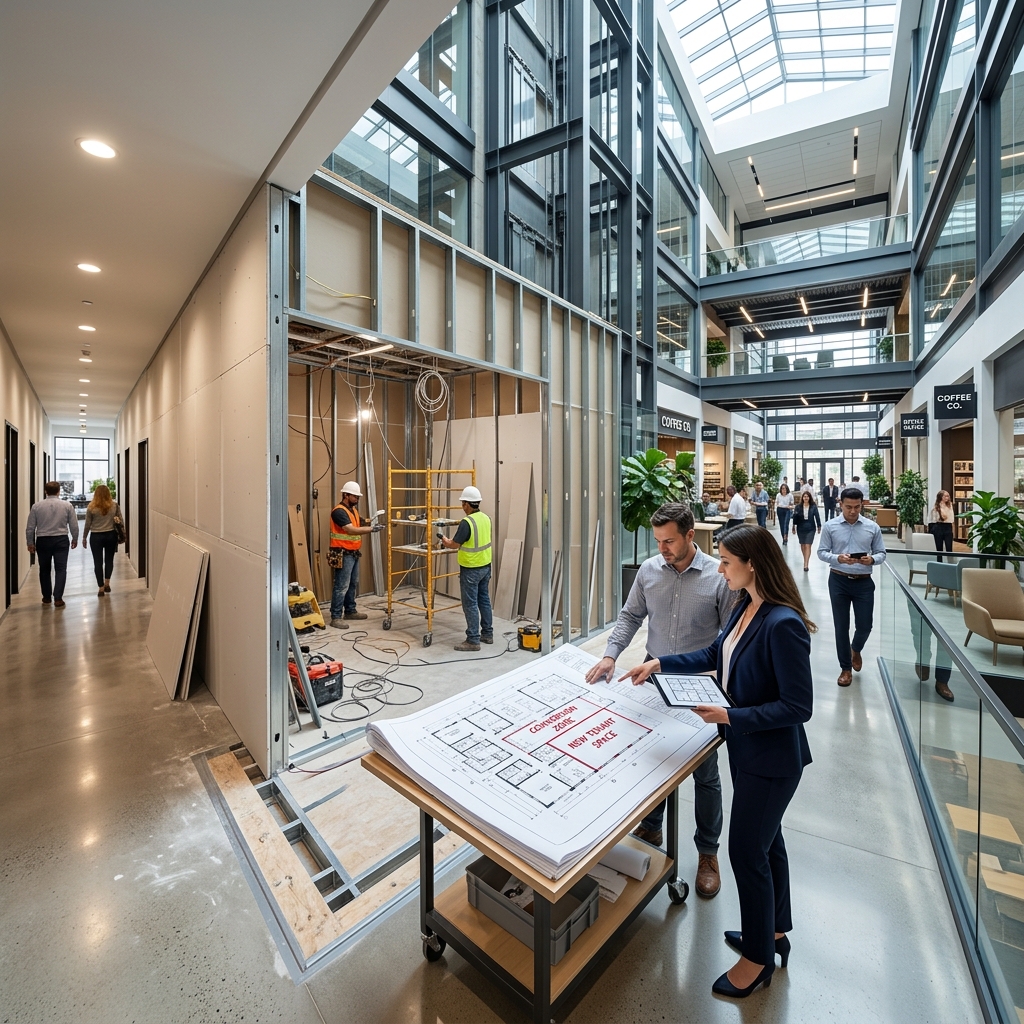
Commercial landlords often have some flexibility to repurpose shared space, but that flexibility is usually limited by the lease. Whether a hallway, conference room, lobby, or parking area can be changed depends on what the tenant was promised, what the lease says about amenities, and whether the change affects access, visibility, or other core rights.
In practice, the answer is not simply yes or no. A landlord may have broad authority over space that is not protected by the lease, yet even then the new use cannot unreasonably interfere with other tenants. The safest approach is to read the lease carefully before changing any shared area and to document any notice, consent, or rent adjustment issues in writing.
What counts as a common area in a commercial building?
Common areas are the parts of a commercial property that more than one occupant can use, and they often include spaces that support the building as a whole rather than a single tenant’s suite. These areas may be owned and controlled by the landlord, even though tenants have a right to use them in some way.
- Hallways and corridors
- Lobbies and reception areas
- Stairwells and elevators
- Parking lots and loading zones
- Shared conference rooms or break rooms
- Restrooms, if they are designated for common use
Some common areas are purely functional, while others are marketed as building amenities. That difference matters because an amenity that helped persuade a tenant to sign a lease may be treated as part of the bargain, not as space the landlord can later reclaim without consequences.
Lease language usually decides the landlord’s rights
The lease is the starting point for almost every dispute about converting shared space. If the lease gives tenants access to specific areas, the landlord generally must honor that promise for the lease term unless the lease also reserves the right to make changes.
Commercial leases often contain provisions about services, facilities, and operating rules. Some leases are very specific about what tenants can use, while others use broader language that can be interpreted to include future upgrades or expanded services. A clause saying tenants may use “all common areas” may be much broader than a clause listing only a lobby and restrooms.
If the lease is silent, the landlord usually has more room to act. But silence does not always mean unlimited freedom. The change still cannot violate other lease obligations or materially interfere with the tenant’s use of the premises.
When a landlord may convert shared space
In many commercial settings, a landlord can convert a common area if the lease does not protect the space and the new use does not burden other tenants in a way the lease forbids. For example, a landlord might turn an underused conference room into a rentable office suite if no tenant has an enforceable right to that room.
This kind of conversion is more likely to be permitted when the shared space is not part of the tenant’s bargained-for use and when the landlord continues to provide the core services the lease requires. Even so, the landlord should examine whether the conversion changes the building’s circulation, parking capacity, security, or access to other services.
Common examples of potentially permissible conversions include:
- Turning an unused lounge into private office space
- Replacing a shared conference room with leased storage
- Converting part of a lobby into a retail kiosk area
- Reassigning excess amenity space to another revenue-producing use
These changes are generally easier to justify when they do not reduce the tenant’s ability to reach the leased premises or use the building in the ordinary way.
Limits that can block a conversion
Even where the lease gives the landlord broad control, some changes can still create legal or contractual problems. A conversion that cuts off access, reduces visibility, or causes a material loss of parking may violate the tenant’s rights if those features were part of the lease or were essential to the business use.
Landlords should pay close attention to any provisions that relate to:
- Customer foot traffic
- Storefront visibility
- Parking access
- Ingress and egress routes
- Building security and safety
- Required services or amenities
If the conversion interferes with one of these items, the tenant may argue that the landlord has reduced the value of the leasehold. In that situation, the landlord may need to provide a substitute amenity, negotiate a rent reduction, or obtain the tenant’s consent before moving forward.
Can the landlord charge extra for a new amenity?
A landlord may sometimes be able to charge more if a converted area becomes a valuable new amenity, but the ability to do that depends on the lease. If the tenant already has a contractual right to use the area, the landlord usually cannot unilaterally add a fee for access during the lease term.
The analysis changes if the lease only covers existing common areas and the landlord later introduces a new service or upgraded feature that was not included in the original bargain. In that case, the landlord may be able to charge separately for use or negotiate a rent increase, but only if the lease permits that approach or the tenant agrees.
If the lease includes operating expense or common area maintenance provisions, tenants may also share in some added costs associated with the new use, subject to any caps, exclusions, or limits in the lease. That does not necessarily mean the landlord can charge a new access fee; it means the tenant may have to contribute to certain expenses already contemplated by the agreement.
| Situation | Likely outcome | Key issue |
|---|---|---|
| Lease is silent and space is unused | Landlord may have broad discretion | Still must avoid interfering with tenant rights |
| Lease grants access to the area | Conversion is restricted | Tenant consent or compensation may be needed |
| New amenity is added later | Extra charge may be negotiable | Depends on lease wording and consent |
| Common area expenses increase | Cost sharing may apply | Controlled by operating expense clause |
Notice: not always required, but often smart
Unless the lease requires advance notice, a landlord usually does not have to warn tenants before converting a common area. That said, giving notice is often the better business practice because it can reduce conflict and preserve tenant relationships.
Notice is especially useful when the change may affect access routes, parking, deliveries, noise, or building operations. A written explanation can help tenants understand what is changing, when the work will happen, and whether any temporary accommodations will be offered.
Even when the lease does not demand notice, landlords may want to notify tenants of:
- The date the conversion begins
- Which areas will be closed or reconfigured
- Whether access will be temporarily limited
- Any replacement amenity or alternative route
- Who to contact with concerns
A carefully worded notice can also help create a record that the landlord acted transparently and in good faith.
When a lease says tenants may use all common areas
Some leases use broad wording that gives tenants access to all common areas in the building. That language can matter more than the parties expect, especially if the building later adds or upgrades shared features after the lease is signed.
If the lease covers all common areas, the tenant may argue that a newly created amenity is included in the leasehold package. In that situation, the landlord usually cannot charge an extra fee for access or simply reserve the new space for another use during the lease term.
This issue often arises when a landlord improves a property after signing older leases. A clause that once seemed limited to basic building features may become broad enough to cover later enhancements. The safest interpretation is to review the exact wording rather than assume that a new amenity can automatically be monetized.
Practical steps before changing a shared area
Before converting any common area, a landlord should work through a basic checklist to avoid disputes and unexpected liability. The lease, the building layout, and the business impact on existing tenants should all be reviewed together.
- Read the lease for any express rights to the area
- Check for clauses on amenities, services, and maintenance
- Review parking, access, and visibility provisions
- Assess whether the change affects other tenants’ operations
- Decide whether notice or consent is required
- Confirm whether rent, fees, or expenses can change
- Document the plan before construction begins
In more complex buildings, the landlord may also want to compare the long-term revenue from the new use against the risk of disputes or lease claims. A short-term gain may not be worth the cost of litigation or tenant turnover.
How tenants may respond
Tenants who lose access to a shared area may object if they believe the landlord is taking away something that was part of the lease. Their argument may focus on the plain language of the agreement, the role of the amenity in their business, or the practical effect of the change on customer traffic and operations.
Possible tenant responses include requesting a substitute amenity, asking for rent relief, objecting to a proposed fee, or claiming that the conversion breaches the lease. The strength of those arguments will usually depend on the exact wording of the contract and the importance of the common area to the tenant’s use of the property.
Because commercial leases are heavily negotiated, two tenants in the same building may have different rights. One may have a detailed access clause, while another may have accepted a more landlord-friendly form that allows broader changes.
FAQs
Can a commercial landlord remove a common area without consent?
Sometimes, yes. If the lease does not protect the area and the change does not interfere with tenant rights, the landlord may be able to convert it. If the lease gives tenants access or the area is essential to the bargain, consent may be required.
Does the landlord have to replace a lost amenity?
Not always. Replacement is usually only required if the lease requires that amenity or if taking it away would otherwise breach the agreement. In some cases, the landlord may offer a substitute to avoid a dispute.
Can the landlord raise rent because the building gained a new amenity?
Only if the lease allows it or the tenant agrees. A landlord typically cannot increase rent in the middle of a lease term just because a converted space became more valuable.
Is written notice required before conversion?
Only if the lease says so. Even when notice is not required, giving advance written notice is usually a good practice.
What if the conversion affects parking or customer access?
That can create a serious issue. If parking, visibility, or access was promised in the lease or is necessary for the tenant’s business, the landlord may need to modify the plan or negotiate a solution.
References
- Can Commercial Landlords Convert Common Areas? — Rocket Lawyer. N/A. https://www.rocketlawyer.com/real-estate/landlords/non-residential-or-commercial-property/legal-guide/can-commercial-landlords-convert-common-areas
- Commercial Leases 101 Legal Toolkit — Harvard Law School Clinical and Pro Bono Programs. 2015-05-01. https://clinics.law.harvard.edu/tlc/files/2015/05/Commercial-Leases-101-Legal-Toolkit.pdf
- Commercial Landlord Rights in Massachusetts — Katz Law Group. N/A. https://www.katzlawgroup.com/landlord-rights-in-massachusetts
Similar Articles








Read full bio of Sneha Tete


