
Proving Injuries in Personal Injury Claims
Master the essentials of building a strong personal injury case by proving negligence, causation, and damages effectively.
In personal injury litigation, success hinges on demonstrating that the defendant’s actions caused your harm. Plaintiffs must establish negligence through duty, breach, causation, and damages using compelling evidence.
Understanding the Legal Foundation of Injury Claims
Personal injury cases rest on four core elements: the defendant owed a duty of care, breached it, directly caused the injury, and resulted in measurable damages. This framework, rooted in common law principles, requires plaintiffs to meet the ‘preponderance of the evidence’ standard—proving their case is more likely true than not.
Duty of care means the defendant had a legal obligation to act reasonably to avoid harming others. Drivers must follow traffic rules, property owners maintain safe premises, and professionals adhere to industry standards.
Documenting the Incident: Immediate Steps for Strong Evidence
Right after an accident, prioritize safety then evidence collection. Take detailed photos and videos of the scene, including vehicle positions, road conditions, hazards, and your injuries. These visuals provide objective proof of circumstances.
- Capture multiple angles of damage to property and visible wounds.
- Record environmental factors like weather or signage.
- Obtain police reports, which note fault admissions and official observations.
Witness statements are invaluable. Collect contact details from bystanders and secure written or recorded accounts promptly, as memories fade.
Building the Case for Negligence
Negligence occurs when someone fails their duty through careless, reckless, or unlawful behavior. Evidence must link the breach to your injuries.
| Element | Description | Example Evidence |
|---|---|---|
| Duty of Care | Obligation to act prudently | Traffic laws for drivers; premises liability statutes for property owners |
| Breach | Failure to meet standard | Surveillance video showing reckless driving |
| Causation | Direct link to injury | Medical records tying trauma to diagnosis |
| Damages | Quantifiable losses | Bills, wage statements, pain journals |
California Civil Code § 3333 defines recoverable damages as economic (medical bills, lost income) and non-economic (pain, suffering).
Medical Evidence: The Cornerstone of Proving Harm
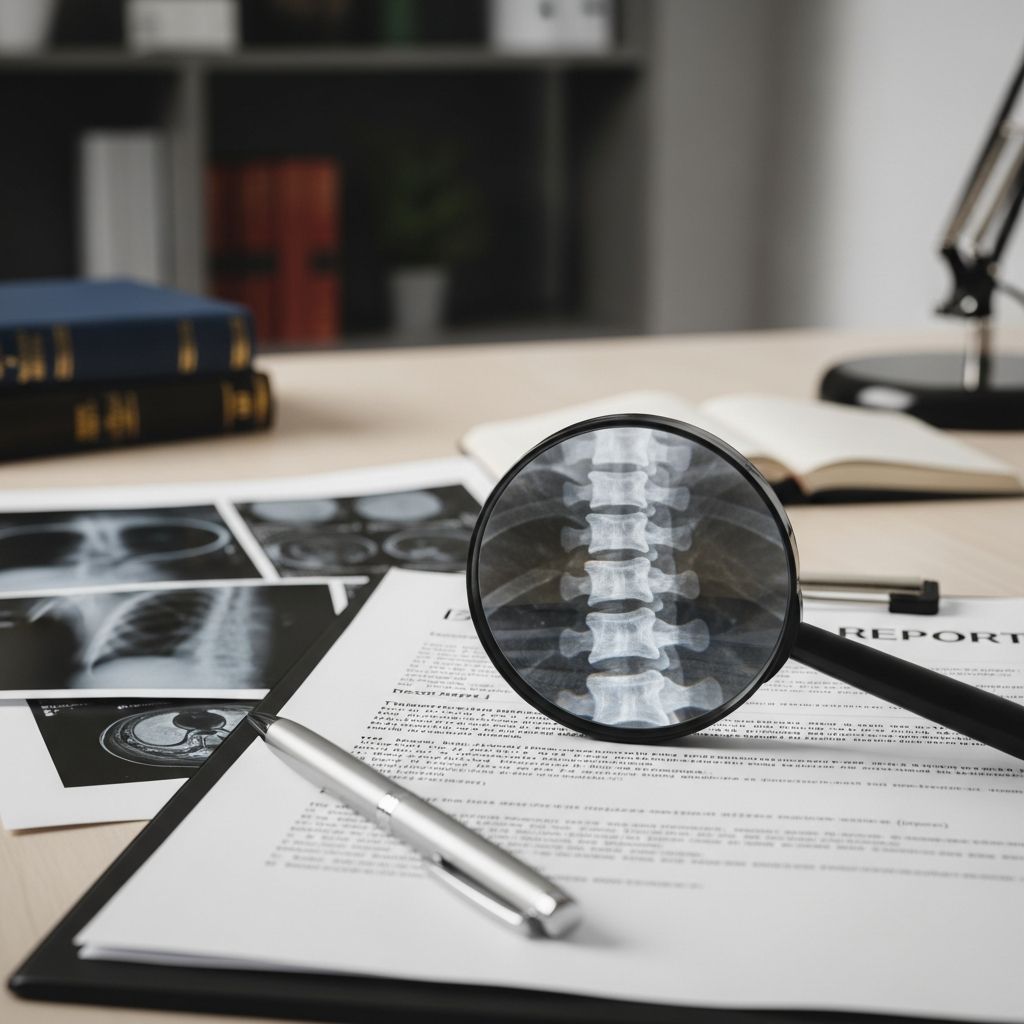
Thorough medical documentation proves injury severity and causation. Retain all records from initial treatment onward: ambulance logs, ER notes, imaging (X-rays, MRIs), specialist reports, and therapy progress.
Under California Evidence Code § 1271, certified medical records are admissible if authenticated by custodians. Diagnostic tests objectively confirm internal damage invisible to the eye.
Maintain a personal injury journal logging daily pain levels, mobility limits, emotional impacts, and disrupted activities. This supports non-economic claims like loss of enjoyment.
- Note sleep disturbances, anxiety, or family activity restrictions.
- Track medication use and side effects.
- Include pre-injury baselines for contrast.
Financial and Economic Proof
Quantify losses with itemized bills, receipts, and employer letters verifying missed wages. Expert economists may project future earnings loss for severe cases.
Property damage reports, repair estimates, and insurance adjuster notes bolster claims. Preserve damaged items as evidence.
Leveraging Expert Testimony
Experts like accident reconstruction specialists, medical professionals, or vocational analysts provide authoritative opinions on breach, causation, and long-term impacts. Their reports strengthen arguments against defenses like comparative fault.
In premises liability, safety engineers assess hazards; in auto cases, biomechanists explain injury mechanics.
Overcoming Common Defense Tactics
Defendants often dispute liability or minimize damages. Counter with timestamped surveillance, black box data, or fault admissions. Avoid post-accident statements admitting blame, as they can be twisted.
Insurance companies scrutinize for pre-existing conditions—comprehensive records refute this.
Preserving Evidence for Court Admissibility
All evidence must be relevant (Federal Rules of Evidence Rule 401) and authenticated. Chain of custody protects physical items; digital metadata verifies photos/videos.
Work with attorneys early to subpoena records and depose witnesses, ensuring compliance with discovery rules.
Settlement vs. Trial: Evidence’s Role
Strong evidence prompts favorable settlements, avoiding trial uncertainties. Lawyers negotiate using damage valuations and liability proof.
Punitive damages may apply for egregious recklessness, beyond compensatory awards.
Frequently Asked Questions
What standard of proof applies in personal injury cases?
The preponderance of the evidence—more likely than not (over 50%).
Can I prove injuries without medical records?
Possible but challenging; records are crucial for causation and damages.
How soon should I collect evidence?
Immediately—weather, repairs, and memories alter scenes quickly.
Do witness statements hold up in court?
Yes, if documented promptly and corroborated.
What if the defendant denies fault?
Use objective evidence like video, data recorders, or expert analysis.
Strategies for Maximizing Your Claim
Consult experienced counsel promptly. They identify evidence gaps, handle insurers, and build irrefutable cases. Continuous documentation through recovery strengthens positions.
Follow treatment plans to avoid arguments of non-compliance undermining credibility.
In multi-party incidents, apportion fault via evidence, potentially invoking comparative negligence rules.
References
- What Evidence Is Needed for A Personal Injury Claim — Ledger Law. 2023. https://ledgerlaw.com/what-evidence-is-needed-for-a-personal-injury-claim/
- Understanding the Burden of Proof in California Personal Injury Cases — Justice 4 You. 2023. https://www.justice4you.com/blog/understanding-the-burden-of-proof-in-ca-personal-injury-cases.html
- Essential Elements of Proving Liability in a Personal Injury Case — JCO Law. 2024. https://www.jcolaw.com/blog/elements-of-proving-liability-in-a-personal-injury-case/
- The Burden of Proof in Personal Injury Cases — The Advocates. 2023. https://www.theadvocates.com/blog/uncategorized/the-burden-of-proof-in-personal-injury-cases/
- The Burden of Proof in a Personal Injury Case — Ask Adams Kutner. 2023. https://www.askadamskutner.com/las-vegas-personal-injury-lawyers/burden-proof-personal-injury-case/
Similar Articles








Read full bio of Sneha Tete


