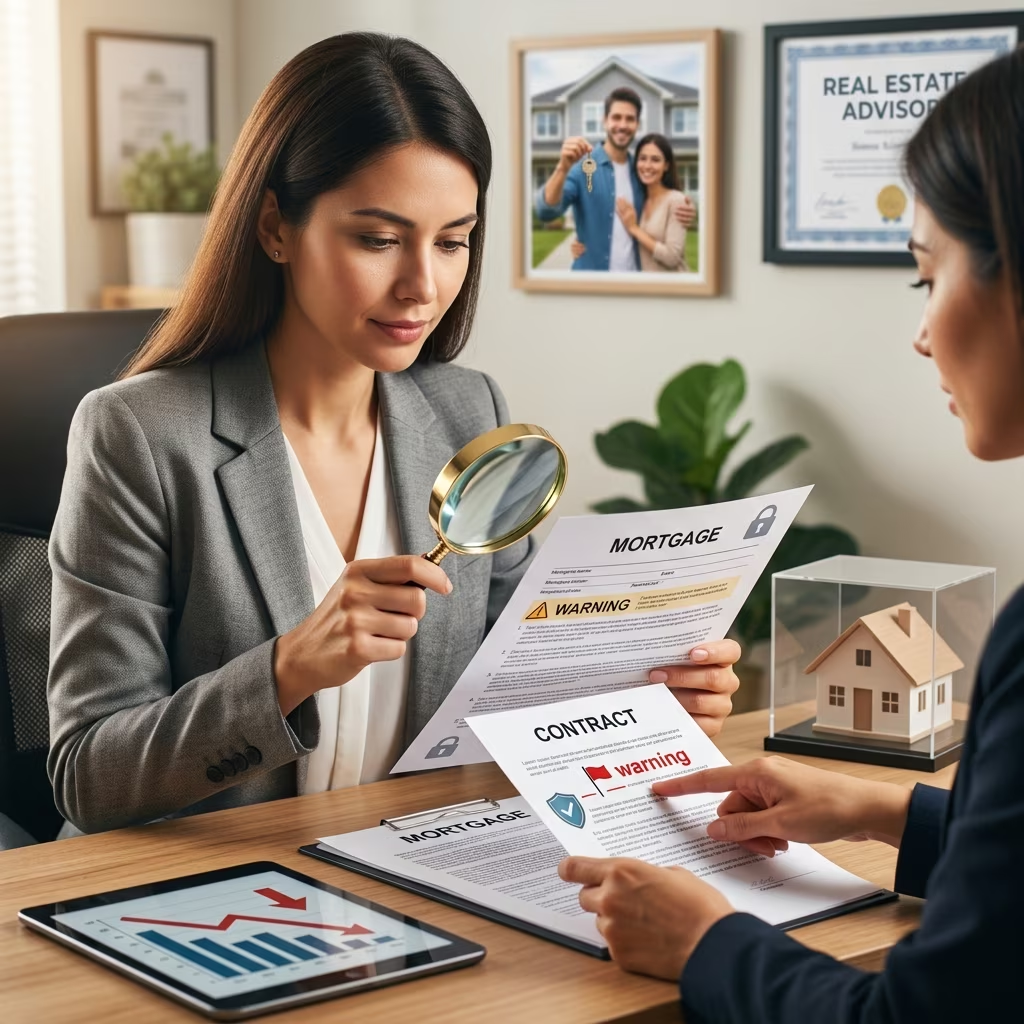
Real estate transactions often involve large sums of money, sensitive personal information, and complex paperwork. Those conditions make home buyers, sellers, and renters attractive targets for scammers. Understanding how real estate scams work and learning to spot warning signs early can prevent devastating financial losses and legal headaches.
This guide explains the most common real estate scams, shows how they typically unfold, and offers practical strategies to protect yourself. It is intended for anyone planning to buy, sell, refinance, or rent property and who wants to reduce the risk of fraud.
Why Real Estate Is a Prime Target for Scammers
Real estate transactions are appealing to criminals for several reasons:
- High dollar values: Home purchases frequently involve hundreds of thousands of dollars, creating opportunities for big payoffs from a single successful scam.
- Multiple parties and complex communication: Buyers, sellers, agents, lenders, title companies, inspectors, and attorneys all communicate through email, phone, and portals. That complexity makes it easier for fraudsters to insert themselves into the process unnoticed.
- Time pressure: Competitive markets and closing deadlines can pressure consumers into moving quickly, sometimes without fully verifying documents or identities.
- Reliance on remote and online processes: Online listings, virtual tours, and remote closings create more chances for impersonation, fake documents, and misleading advertisements.
Because of these factors, regulators and consumer protection agencies repeatedly warn that real estate scams are on the rise and that vigilance is essential.
Major Categories of Real Estate Scams
Real estate scams take many forms, but most fall into a few broad categories. Understanding these categories helps you spot new variations more easily.
| Type of Scam | Main Target | Primary Goal |
|---|---|---|
| Wire fraud | Home buyers and sellers | Divert closing funds to a fraudulent account |
| Fake rental listings | Renters | Collect deposits or rent for non-existent or hijacked properties |
| Title fraud | Property owners | Steal legal ownership and equity |
| Phony professionals & inspection scams | Buyers and sellers | Charge for inadequate services or misrepresent property condition |
| Predatory lending and loan-flipping | Homeowners needing cash or refinancing | Strip equity through repeated refinancing on unfavorable terms |
Wire Fraud in Real Estate Transactions
Wire fraud is one of the most serious threats in modern real estate closings. It typically occurs when criminals intercept or imitate legitimate communications between buyers, sellers, and closing agents.
How Wire Fraud Usually Works
- Scammers gain access to a real estate agent’s or title company’s email account through phishing or hacking.
- They monitor the transaction and wait for instructions about transferring down payments or closing funds.
- Near closing, they send an email that appears to come from a trusted party, but contains fraudulent wiring instructions to a bank account they control.
- The buyer wires the funds, believing the instructions are legitimate. Once the transfer is complete, recovering the money can be very difficult or impossible.
Warning Signs of Wire Fraud
- Last-minute changes to wiring instructions or bank details.
- Emails that pressure you to act immediately or bypass normal verification steps.
- Messages with spelling errors, unusual formatting, or unfamiliar sender addresses.
- Requests to keep payment details “confidential” or avoid calling the office to confirm.
How to Protect Yourself From Wire Fraud
- Confirm instructions using a trusted phone number: Call the title company or escrow agent using a number you already have to verify wiring details before sending money.
- Ignore email-only changes: Treat any change to payment instructions delivered solely by email as suspicious until confirmed by phone or in person.
- Use secure communication channels: Some closing companies provide secure portals for wiring details; use them rather than regular email when possible.
- Slow down: Never let urgency override verification. Take extra time to double-check bank account numbers and recipient names.
Rental Listing Scams and Fake Landlords
Fake rental listings are among the most common real estate scams, particularly on popular listing platforms and social media. Scammers often exploit renters seeking affordable housing in tight markets.
Common Rental Fraud Tactics
- Hijacked advertisements: A legitimate rental listing is copied, and the scammer reposts it with their own contact information and altered pricing.
- Non-existent properties: Fraudsters create listings for properties that do not exist or that they have no right to rent.
- Unseen rentals: The purported landlord refuses to allow visits, claiming they are out of town or temporarily unavailable, but insists on payment to “reserve” the unit.
Red Flags in Rental Situations
- Requests for wire transfers, cash, or payment apps before you see the property or sign a legitimate lease.
- Rents significantly below comparable units in the same area, with no clear explanation.
- Landlords who avoid video calls, in‑person meetings, or providing verifiable identification.
- Listings with poor grammar, vague details, or emotional stories intended to lower your guard.
Safer Practices for Renters
- Verify property ownership: Use public property records or local tax databases to confirm the name of the property owner or management company before paying any money.
- Inspect the property: Visit the unit in person or have a trusted representative do so. Confirm that the person showing the property matches official records or business documentation.
- Avoid cash-like payments: Do not pay deposits or rent via wire transfer, cryptocurrency, or payment apps to unknown individuals.
- Research online: Search the landlord’s name, phone number, and email together with terms like “scam” or “complaint” to see prior reports.
Title Fraud and Deed Scams
Title fraud occurs when a scammer unlawfully transfers or encumbers the legal ownership of a property. This can lead to homeowners discovering that their house has been sold or refinanced without their knowledge.
How Title Fraud Can Happen
- Criminals obtain personal information about a homeowner and forge identification documents.
- They create or alter deeds, then record them with the local land records office to appear as the new legal owner.
- Once listed as owner, they may take out home equity loans or sell the property to unsuspecting buyers.
Indicators of Title Fraud
- Unexpected mail from lenders referencing loans or lines of credit you did not apply for.
- Missing property tax bills or official notices because mail has been redirected without your consent.
- Recorded documents or changes to your deed appearing in public records that you did not authorize.
Preventive Steps for Homeowners
- Monitor property records: Periodically check your local land records or tax assessor’s database for unauthorized changes to your deed.
- Safeguard personal information: Limit sharing of Social Security numbers and bank details, and avoid responding to unsolicited offers for home loans.
- Consider title insurance products that include fraud alerts: Some insurers offer monitoring services that notify you of changes to your property records.
Fake Real Estate Professionals and Inspection Scams
Another category of scams involves individuals who falsely claim to be licensed real estate agents, inspectors, or other professionals, or who provide substandard services while misrepresenting the property’s condition.
Risks of Working With Unverified Professionals
- Misleading information about property value, defects, or zoning restrictions.
- Payment for inspections that are rushed, incomplete, or intentionally overlook serious problems.
- Loss of earnest money or deposits if a “professional” disappears once payment is made.
Protective Measures
- Verify licenses: Check your state’s real estate commission or licensing board website to ensure agents and brokers hold valid licenses in your state.
- Research inspectors: Look for established inspection companies, review credentials, and read independent reviews before hiring.
- Insist on documentation: Request written inspection reports, copies of credentials, and detailed invoices for services rendered.
Predatory Lending and Loan-Flipping Schemes
Predatory lending and loan-flipping do not always involve outright fraud, but they can be highly abusive. These schemes target homeowners—often seniors or those facing financial stress—by encouraging repeated refinancing into loans with unfavorable terms.
How Loan-Flipping Harms Homeowners
- Homeowners are urged to refinance repeatedly, each time paying new closing costs and fees.
- Loan terms may include higher interest rates, prepayment penalties, or unnecessary add‑ons.
- Over time, fees and interest erode home equity, leaving the homeowner with more debt and less ownership.
Recognizing Predatory Loan Offers
- Pressure to act quickly or refinance immediately, with little explanation of the loan terms.
- Promises that sound too good to be true, such as “guaranteed” approval without documentation, extremely low introductory rates, or zero closing costs.
- Unsolicited outreach from lenders you have never contacted.
Safer Borrowing Practices
- Work with reputable, licensed lenders: Confirm licensing status and check for complaints through state regulator databases.
- Compare multiple offers: Obtain quotes from different lenders and carefully compare interest rates, fees, and total costs.
- Seek independent advice: Consult a trusted financial advisor or attorney before signing complex loan documents.
General Red Flags in Any Real Estate Deal
While each scam has unique features, many share common warning signs. Staying alert to these signals can help you recognize trouble early.
- Too-good-to-be-true pricing: Extremely low rents, purchase prices, or costs compared to similar properties in the area.
- Unusual payment methods: Requests for cash, wire transfers, payment apps, or cryptocurrency instead of traditional, traceable channels.
- High-pressure tactics: Urging you to skip inspections, forego legal review, or send money immediately to avoid “losing the deal.”
- Lack of paperwork: Being asked to pay before receiving or reviewing standard real estate documents such as contracts, disclosures, or inspection reports.
- Poor communication quality: Emails or messages with spelling errors, inconsistent names, or vague answers to specific questions.
Practical Safety Checklist Before You Send Money
Before you transfer funds or sign binding documents, run through this simple checklist:
- Have you verified the identities of all key participants (agent, landlord, closing company, lender) through official licensing or business records?
- Have you reviewed all contracts and disclosures in writing, and do you understand the main terms?
- Have you confirmed wiring instructions by phone using known numbers, not those embedded in emails?
- Have you independently researched the property (address, ownership, comparable pricing) using reputable public or professional sources?
- Have you taken time to consult a legal or financial professional for complex or unusually urgent offers?
Frequently Asked Questions About Real Estate Scams
1. What should I do if I suspect I’ve been targeted by a real estate scam?
If you think a scammer is trying to exploit you, stop communicating and avoid sending any money or personal information. Document all messages and offers. Consider reporting the incident to your state consumer protection agency, real estate licensing board, or attorney general. If you have already transferred funds, contact your bank immediately to see if the transaction can be reversed.
2. How can I check whether a real estate agent or broker is legitimate?
Each U.S. state maintains a licensing database for real estate professionals. You can search by name or license number to confirm that the person holds a valid license and to see if there are disciplinary actions on record. Many consumers also review independent ratings and complaints through trusted consumer organizations.
3. Are online listings safe to use when searching for a home or rental?
Major listing platforms are widely used, but they can still host fraudulent posts. Always cross‑check listing details by searching the property address, and verify ownership through public records or contact with the property management company. Never rely solely on online photos and descriptions without further investigation.
4. Is wiring money ever appropriate in a real estate transaction?
Wire transfers are commonly used for closing funds, but they carry risk if instructions are not properly verified. Only wire funds to trusted institutions, such as title companies or escrow agents, after you have confirmed instructions using verified contact details. Avoid wiring money to individuals you have not met or to accounts that cannot be independently verified.
5. What role can an attorney play in preventing real estate scams?
A real estate attorney can review contracts, explain legal risks, and confirm that the transaction structure complies with local law. Attorneys may also help interpret title reports, identify unusual clauses in loan documents, and advise you on steps to take if you suspect fraud. In higher‑risk or high‑value transactions, legal review is a strong safeguard.
References
- Real Estate Scams — Michigan Department of Attorney General. 2023-06-01. https://www.michigan.gov/consumerprotection/protect-yourself/consumerprotection/protect-yourself/consumer-alerts/scams/real-estate-scams
- 7 Real Estate Scams To Watch Out For — Rocket Mortgage. 2024-02-15. https://www.rocketmortgage.com/learn/real-estate-scams
- Recognizing and Avoiding Real Estate Scams — Arora Law Firm. 2023-11-20. https://thearoralawfirm.com/recognizing-and-avoiding-real-estate-scams/
- Don’t Get Duped! 4 Common Real Estate Scams and How to Avoid Them — Grayslake Law. 2022-09-10. https://grayslakelaw.com/real-estate-scams-and-how-to-avoid-them/
- How to Spot Common Real Estate Scams — The Bellamy Law Firm. 2023-05-05. http://bellamylaw.com/how-to-spot-common-real-estate-scams/
- 5 Common Real Estate Scams You Need to Know About — National Cybersecurity Alliance. 2023-08-18. https://www.staysafeonline.org/articles/5-common-real-estate-scams-you-need-to-know-about
- How to Spot and Avoid Real Estate Scams — Minnesota Realtors. 2025-10-27. https://www.mnrealtor.com/blogs/mnr-news1/2025/10/27/how-to-spot-and-avoid-real-estate-scams