
Backpack Security: 6 Simple Habits To Prevent Identity Theft
Practical ways to reduce identity theft risks hidden in everyday school gear and devices.
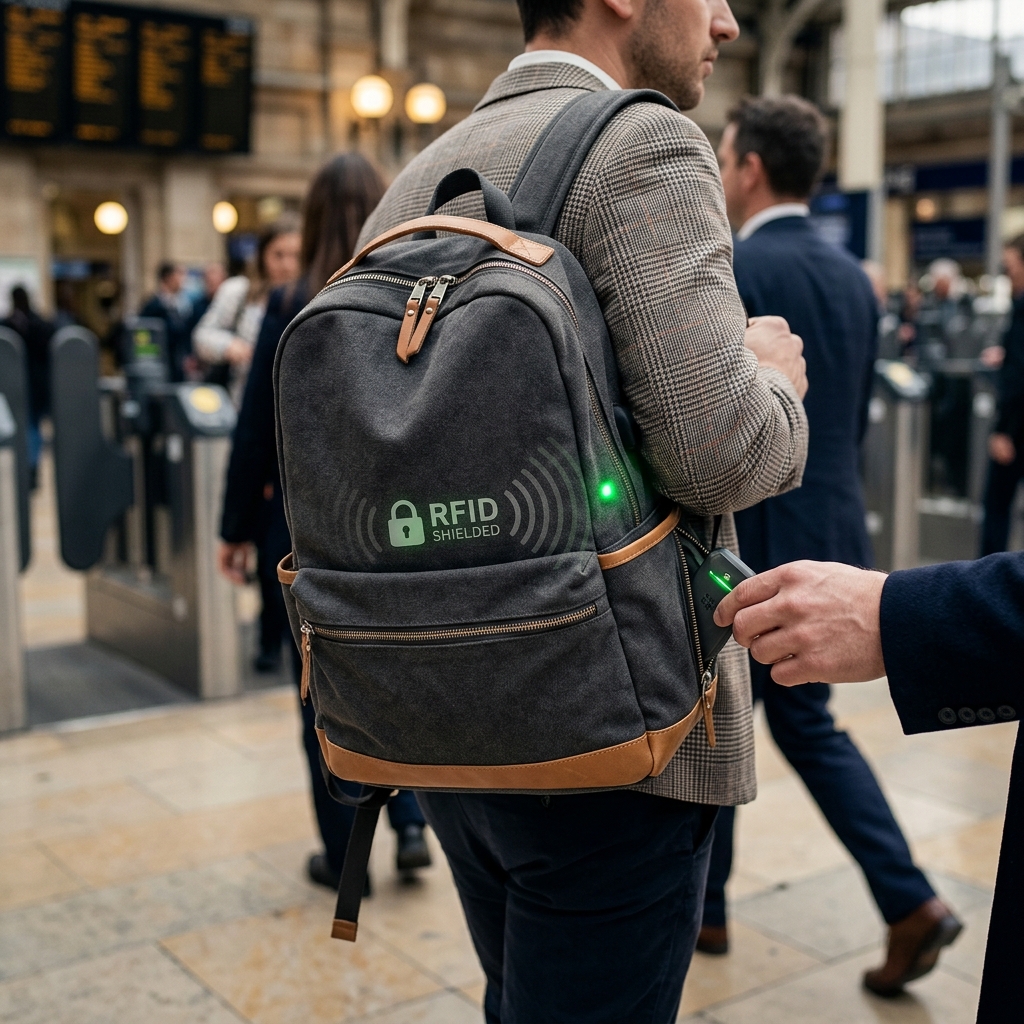
A school backpack can hold far more than books and lunch. Phones, tablets, cards, login details, and paper forms often travel with children and teens every day, and that makes the backpack a small but important security zone. The safest approach is to treat a backpack like a portable container for personal data: only essential items should go inside, and everything in it should be protected with simple security habits.
Identity theft often begins with ordinary mistakes, not dramatic hacks. A lost device, an address label, a school form, or an unprotected card can expose enough information for misuse. The good news is that families can lower the risk without turning school mornings into a checklist of alarms and warnings. A few careful routines can make a meaningful difference.
Why backpacks deserve privacy attention
Backpacks move between home, school, buses, activities, and public places. They are opened and repacked frequently, sometimes in a rush, which makes them easy to overlook. When personal data sits in a backpack, it may be exposed to anyone who can briefly access it, including classmates, strangers, or thieves who take advantage of an unattended bag.
The main risk is not just loss of property. The greater concern is what the stolen item reveals. A school ID, a device already logged into accounts, a card with payment access, or a paper packet that includes names and contact details can all create identity theft problems if they fall into the wrong hands. Reports and guidance from consumer protection and identity security organizations consistently emphasize limiting what children carry and protecting sensitive information with passwords, secure storage, and careful handling of documents.[10]
What should stay out of the backpack
The simplest prevention strategy is to carry less sensitive information in the first place. A backpack should not be a storage place for items that could directly help someone impersonate a child or access family accounts.
- Social Security cards
- Birth certificates
- Passports
- Blank checks
- Bank statements
- Medical forms containing full personal details
- Written passwords or account recovery codes
- Spare credit or debit cards that are not needed for the day
Consumer protection guidance recommends storing documents with sensitive personal information in a safe place rather than carrying them around. For children and teens, the best rule is to send only what is required for school or an activity and nothing else.
How devices change the risk
Phones, tablets, and laptops are useful school tools, but they also carry much of a family’s digital life. If a device is stolen from a backpack, the danger may extend well beyond the cost of the hardware. Saved passwords, email access, school portals, photos, messages, and payment apps can all become pathways into accounts.
Parents and caregivers should make sure children use strong passcodes or biometric locks and keep devices updated with current software. Privacy and identity safety groups also advise logging out of accounts when they are not needed and using secure, unique passwords for sensitive services. A device that is locked and logged out is far less useful to a thief than one that opens directly to an email inbox or a shopping app.
Simple device habits that help
- Use a strong passcode or fingerprint/face lock.
- Turn on automatic screen locking.
- Log out of school, entertainment, and shopping accounts when appropriate.
- Disable automatic password saving for accounts that are especially sensitive.
- Keep operating systems and apps updated.
- Enable remote tracking and remote wipe features when available.
These steps are not complicated, but they reduce the damage if a backpack is lost or stolen. In many cases, the goal is not to make theft impossible. It is to make stolen information unusable.
Paper forms can be just as risky as electronics
Families often think of identity theft as a digital problem, but paper still matters. School packets, enrollment paperwork, permission slips, medical forms, and emergency contact sheets may contain names, birthdates, addresses, parent phone numbers, or other identifying details. A casual toss into a backpack can expose information that should have been filed at home instead.
Identity protection organizations warn that paper remains one of the easiest tools for identity misuse because it is easy to overlook and simple to copy. That makes organization essential. Important documents should go straight from school to home, then into a secure place rather than lingering in a backpack for days.
| Item type | Best practice | Why it matters |
|---|---|---|
| School forms | Return promptly and store copies at home | Reduces the chance of loss in transit |
| Medical paperwork | Keep out of the backpack unless required | Often includes detailed personal data |
| Password notes | Never carry them loosely | Prevents account takeover if the bag is found |
| Birth and Social Security documents | Store securely at home | These are high-value identity documents |
School IDs, labels, and visible contact information
Identification tags can be useful, but they should reveal only the minimum necessary information. A backpack label with a child’s full name, address, and home phone number creates an easy shortcut for someone who wants to locate or contact the family. Safer options include a first name only, a school-issued identifier, or a parent or school phone number rather than a home address.
The same logic applies to lunchboxes, laptop sleeves, and device cases. Anything visible outside the backpack should be evaluated for what it reveals to a stranger. If the information is not needed for safety or school logistics, it probably does not belong in public view.
Cards and payment access need extra care
Older students may carry debit cards, prepaid cards, or contactless payment cards. These are convenient, but they should be stored carefully. Some identity protection advice recommends using RFID-blocking storage for cards that could be read without direct contact, especially when the child carries them in public places.
That said, technology alone is not enough. Cards should still be kept in secure inner pockets or a wallet inside the backpack, and families should monitor statements for unauthorized activity. If a card is lost, it should be reported quickly and replaced rather than left in circulation.
Teach children what to do with devices and data
Children and teens are more likely to follow safety practices when they understand the reason behind them. A simple explanation works better than a long lecture: personal information can be used to access accounts, open services, or pretend to be someone else. That makes privacy part of everyday responsibility rather than a complicated adult topic.
Families can help children build habits that protect both the backpack and the information inside it.
- Never share passwords with friends.
- Do not post personal details on public profiles.
- Ask an adult before entering Social Security numbers or account details anywhere.
- Keep school devices locked when not in use.
- Report a missing backpack, device, or card immediately.
Guidance from identity protection organizations also stresses secure passwords, privacy settings, and adult supervision for younger users. These habits build a long-term defense against both backpack theft and online misuse.
A practical packing routine for families
A simple routine can reduce mistakes. The idea is not to eliminate every item, but to make sure that the backpack contains only what is needed for the day and nothing that creates unnecessary identity risk.
- Check the bag before leaving home.
- Remove documents that are not needed that day.
- Confirm that devices are locked and updated.
- Verify that cards are stored in a secure compartment.
- Make sure labels and tags do not expose too much information.
- At home, empty the bag and file papers immediately.
This habit takes only a minute or two, but it prevents the slow buildup of sensitive clutter that often makes identity theft easier.
What to do if a backpack goes missing
If a backpack disappears, quick action matters. The first step is to identify what was inside, because the response depends on the contents. A missing lunch bag is an inconvenience; a missing laptop, debit card, or paperwork folder is a more serious security event.
- Report the loss to the school right away.
- Change passwords for any account that may have been logged in on the device.
- Freeze or cancel payment cards if needed.
- Monitor email and account alerts for suspicious activity.
- Review statements for unusual charges or changes.
- Keep a record of what was lost and when.
If sensitive personal information was included, families may also need to consider broader identity theft protections, such as fraud alerts or credit freezes, depending on the age of the child and the type of information exposed. Consumer agencies and identity theft organizations recommend acting quickly to prevent a small loss from becoming a larger one.[10]
Common mistakes that make backpacks less secure
Many families accidentally increase risk by doing a few very common things. These habits are easy to correct once they are noticed.
- Using a backpack as a permanent storage place for sensitive documents.
- Keeping passwords on sticky notes in a laptop pocket.
- Leaving a device signed in to email or shopping accounts.
- Printing a child’s full address on visible tags.
- Carrying unnecessary payment cards or IDs every day.
- Ignoring software updates on school devices.
Each mistake creates an opening that a thief may be able to use. The safest backpack is one that contains as little identifying information as possible and is backed by strong digital protections.
Frequently asked questions
Should a child carry a Social Security card to school?
No. Sensitive identity documents should be stored securely at home unless there is a specific and unavoidable reason to bring them somewhere.
Is an RFID-blocking wallet enough protection?
It can help protect certain cards, but it is only one layer of security. Good habits, limited carrying, and careful account monitoring are still necessary.
What is the safest way to label a backpack?
Use the least amount of information required. A first name, school contact number, or parent contact number is safer than a full home address.
What should families do with school papers after they come home?
Review them promptly, keep what must be saved, and shred or securely discard anything that is no longer needed.
Why do devices in backpacks matter so much?
Because unlocked devices may provide direct access to email, accounts, messages, stored data, and payment tools, which can magnify the harm from a theft.
Building a low-risk school routine
Backpack security works best when it becomes part of a family routine rather than a special event. The goal is to normalize privacy-conscious behavior: fewer exposed documents, stronger device security, careful labeling, and faster action when something goes missing. These habits do not eliminate risk, but they make identity theft much harder to carry out.
For many families, the most effective strategy is also the simplest one. Keep only what is needed, protect what must travel, and treat every backpack like a temporary home for personal information that should never be left unguarded.
References
- Protecting Your School Backpack From Identity Theft Risk — FindLaw. 2024-08-21. https://www.findlaw.com/legalblogs/law-and-life/protecting-your-school-backpack-from-identity-theft-risk/
- Tips for Protecting Kids & Teens from Identity Theft — ConnectSafely. 2024-01-10. https://connectsafely.org/tips-for-protecting-kids-and-teens-from-identity-theft/
- Back to School: Tips for Maintaining Your Child’s Safety — IdentityForce. 2024-08-14. https://www.identityforce.com/blog/child-identity-theft-back-to-school
- Help Prevent Identity Theft — Office of the Attorney General of Texas. 2025-02-03. https://www.texasattorneygeneral.gov/consumer-protection/identity-theft/help-prevent-identity-theft
- Child Identity Theft — Federal Trade Commission. 2025-03-18. https://consumer.ftc.gov/articles/child-identity-theft
Similar Articles








Read full bio of medha deb


