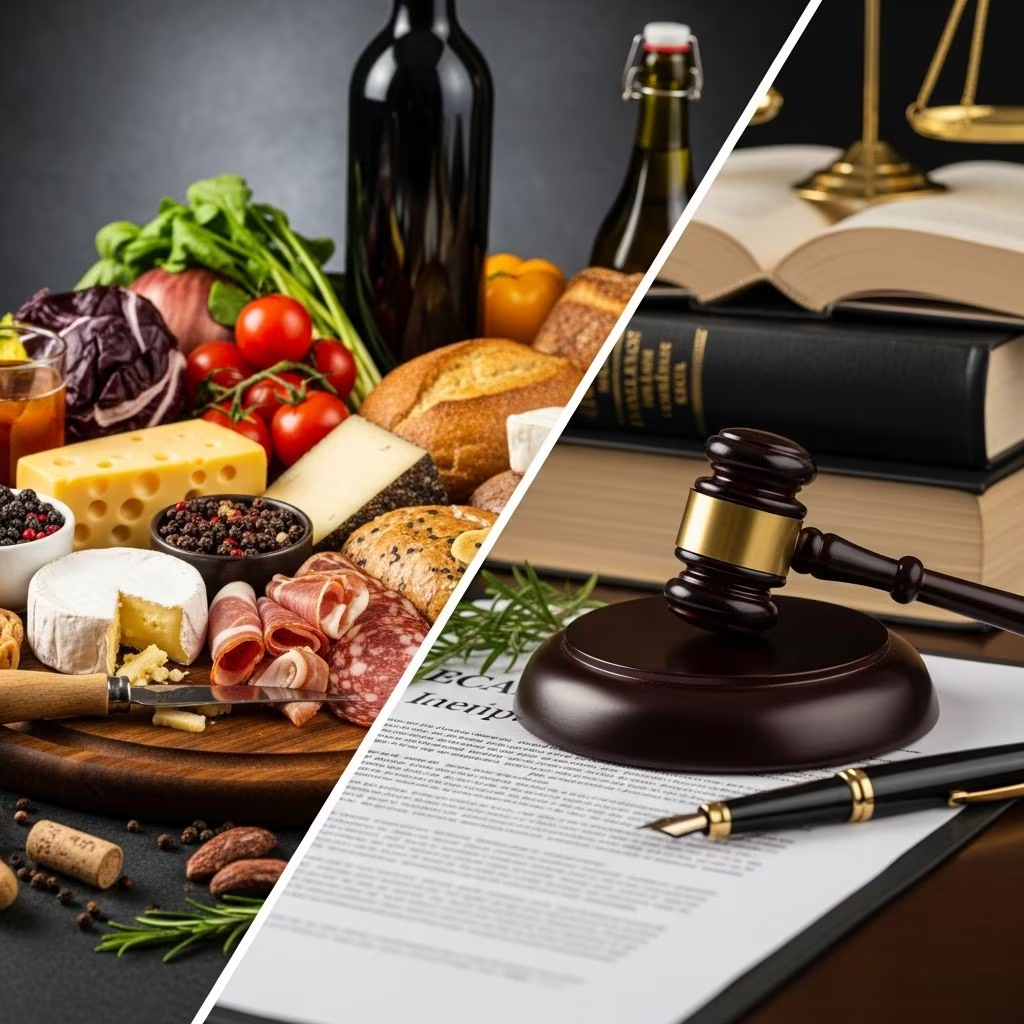
The food and beverage industry pulses with innovation, from artisanal breweries to farm-to-table eateries, creating fertile ground for specialized legal practices. Attorneys who combine regulatory expertise with a palate for culinary trends can build thriving careers serving clients passionate about flavor and fermentation. This article examines five dynamic practice areas where law meets gastronomy, offering steady demand, high billing potential, and the chance to engage with vibrant sectors like craft spirits, restaurant operations, and agricultural enterprises.
Navigating Restaurant and Hospitality Compliance
Restaurants form the backbone of the hospitality sector, facing a maze of local, state, and federal regulations. Lawyers specializing in this niche advise on everything from lease negotiations and employment disputes to health code adherence and ADA accessibility. With over 1 million eating establishments in the U.S., per U.S. Census Bureau data, opportunities abound for attorneys helping owners launch pop-ups, scale chains, or resolve patron injury claims.
Key challenges include liquor liability insurance, where improper service can lead to dram shop lawsuits, and wage-and-hour violations amid tipped employee structures. Successful practitioners often partner with POS system providers and food suppliers to offer bundled compliance audits. For instance, during post-pandemic recovery, firms have seen a surge in cases involving delivery app contracts and outdoor dining permits.
- Lease drafting: Securing favorable terms for high-rent urban spots.
- Employment policies: Crafting non-compete clauses for chefs.
- Health inspections: Defending closures from code infractions.
This area rewards attorneys with hospitality networks, yielding repeat business from franchise expansions.
Alcohol Licensing and Craft Beverage Regulations
The craft beer, distillery, and winery boom has exploded regulations into a complex tapestry under the Alcohol and Tobacco Tax and Trade Bureau (TTB). Specialists guide producers through federal permits, state ABC approvals, and label compliance, where even minor errors like unapproved health claims can halt distribution. With U.S. craft brewery numbers surpassing 9,000 according to the Brewers Association, demand for three-tier system navigators—producer to wholesaler to retailer—is insatiable.
Beyond licensing, attorneys handle tied-house violations, preventing breweries from owning bars, and international trade disputes over tariffs on imported spirits. Emerging trends include cannabis-infused beverages, requiring dual FDA and TTB hurdles. A savvy lawyer might represent a micro-distillery in a merger or defend against underage sales litigation.
| License Type | Federal Agency | Key Requirements |
|---|---|---|
| Brewer’s Notice | TTB | Formula approval, bond posting |
| Distilled Spirits Permit | TTB | Environmental compliance, COLA |
| State Retail | ABC Boards | Local zoning, background checks |
High-stakes work like TTB audits can command premium fees, especially in states like California with stringent pour laws.
Food Safety and Product Liability Defense
From E. coli outbreaks to allergen mislabeling, food safety litigation keeps attorneys busy defending processors against class actions. Governed by the FDA’s Food Safety Modernization Act (FSMA), this niche demands knowledge of HACCP plans—Hazard Analysis and Critical Control Points—and traceback protocols. The USDA reports thousands of annual recalls, creating a steady stream of recall coordination and insurance claims.
Lawyers often represent co-packers or importers in multi-state suits, negotiating settlements with plaintiffs’ firms hungry for deep-pocket targets. Proactive services include supply chain audits and crisis communication plans. With plant-based meat alternatives rising, disputes over ‘natural’ claims under FTC guidelines add complexity.
- Recall management: Coordinating with FDA for swift market withdrawals.
- Allergen litigation: Defending undeclared peanut traces.
- Insurance subrogation: Battling carriers over contamination losses.
Firms excelling here build alliances with trade groups like the Grocery Manufacturers Association for referrals.
Agricultural and Farm Business Transactions
Agribusiness law bridges farms and tables, covering land use, water rights, and co-op formations. As sustainable farming grows, attorneys draft contracts for organic certifications under USDA NOP standards and navigate farm bill subsidies. The American Farm Bureau Federation notes increasing consolidation, spurring succession planning for family operations facing generational transfers.
Specialists handle USDA loan guarantees, eminent domain fights over pipelines, and hemp licensing post-2018 Farm Bill. In wine country, vineyard leases and crush contracts prevent harvest disputes. Climate change litigation, like drought claims against utilities, is emerging.
This practice thrives in rural hubs like California’s Central Valley or Midwest corn belts, where attorneys double as economic developers.
Intellectual Property in Culinary Innovation
Chefs and mixologists crave protection for signature recipes, trademarks, and trade secrets. IP lawyers secure copyrights for cookbooks, patents for novel food tech like 3D-printed meats, and trademarks for brand names like ‘Ghost Pepper Ale.’ The USPTO’s surge in food-related filings reflects innovation in functional foods and craft sodas.
Enforcement involves suing copycats for sauce formulas or defending against Lanham Act false advertising suits. In the spirits world, geographical indications like ‘Champagne’ spark international battles. Attorneys also vet influencer collaborations for right-of-publicity issues.
| IP Type | Application | Duration |
|---|---|---|
| Trademark | Brand names, logos | Renewable indefinitely |
| Trade Secret | Recipes, fermentation methods | Indefinite with secrecy |
| Patent | Processing equipment | 20 years |
Building a roster of celebrity clients elevates this niche to celebrity status itself.
Emerging Trends Shaping These Practices
Delivery platforms like DoorDash introduce gig economy liabilities, while lab-grown meats challenge FDA GRAS status. Direct-to-consumer alcohol shipping, legalized in more states, requires e-commerce compliance. Sustainability mandates, such as California’s Proposition 12 on animal welfare, spawn supply chain suits. Attorneys adapting to these shifts capture premium work.
Frequently Asked Questions (FAQs)
What qualifications make a lawyer ideal for food and beverage law?
Combine a J.D. with regulatory experience, industry certifications like ServSafe, and networks via groups like the Food Law Institute. Passion for food trends helps client rapport.
How profitable are these niches compared to general practice?
Specialists often bill $400–$800/hour, with retainers from chains yielding six figures annually, outpacing generic litigation per ABA economics surveys.
Can solo practitioners succeed here?
Yes, by niching locally—e.g., brewery counsel in Colorado—and leveraging online marketing to national clients.
What risks do food businesses face most frequently?
Health violations (30% of cases), employment disputes (25%), and licensing lapses (20%), based on industry litigation trackers.
Is international work common?
Increasingly, with NAFTA/USMCA trade rules and EU import standards affecting exporters.
Building Your Gourmet Legal Practice
To thrive, attorneys should attend trade shows like Fancy Food Show, publish on platforms like Law360, and offer free webinars on compliance. Partnerships with accountants and insurers create referral pipelines. Ultimately, these niches offer not just profit but the joy of toasting client successes—perhaps over a craft IPA.
References
- Annual Legal Industry Report — American Bar Association. 2024-01-15. https://www.americanbar.org/news/abanews/publications/youraba/2024/january-2024/
- Food Safety Modernization Act Overview — U.S. Food and Drug Administration. 2025-03-10. https://www.fda.gov/food/guidance-regulation-food-and-dietary-supplements/food-safety-modernization-act-fsma
- Brewers Association Industry Statistics — Brewers Association. 2025-06-01. https://www.brewersassociation.org/statistics-and-data/
- National Count of Eating and Drinking Places — U.S. Census Bureau. 2024-07-22. https://www.census.gov/data/tables/2024/econ/susb/2024-susb-annual.html
- Alcohol Beverage Control Regulations — Alcohol and Tobacco Tax and Trade Bureau. 2025-02-14. https://www.ttb.gov/alcohol/regulations