
When Pets Become Heirs: Understanding Estates for Animals
A practical guide to how and why pets are provided for in wills, trusts, and estates—plus what really happens when a dog ‘inherits’ a fortune.
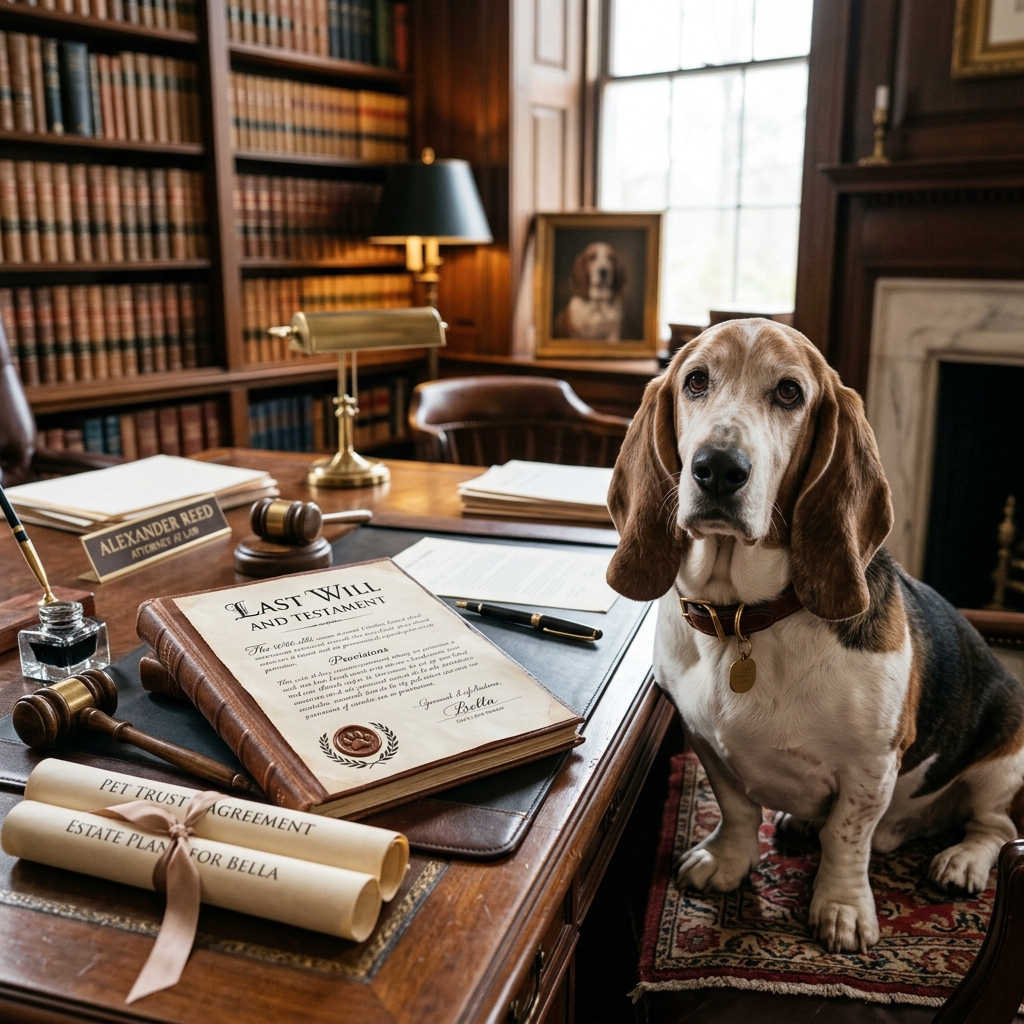
Stories about a dog suddenly becoming wealthy after an owner’s death make for irresistible headlines. In reality, the legal rules behind these tales are more complex and, for most people, far more practical. This guide explains how pets are treated under the law, how an animal can benefit from an estate without directly owning property, and what steps you can take to ensure your own animals are properly cared for when you are gone.
Pets, Property, and the Law: What Is Really Going On?
To understand how a pet can benefit from a large estate, it helps to start with a basic principle: in most jurisdictions, animals are legally classified as personal property, not as legal persons with the capacity to own assets or sue in court. This legal status shapes what is possible in estate planning.
- Pets are property: In states such as Texas, courts treat pets similarly to other personal property when dividing assets in divorce or resolving disputes.
- They cannot own property: Because they are not legal persons, pets cannot directly own land, bank accounts, or investments.
- But they can be the focus of a trust: Lawmakers have created specific mechanisms—like pet trusts—to allow owners to dedicate money to the care of their animals.
When a news story says a dog “inherits” a fortune, it usually means the owner’s will or trust sets aside substantial assets to be used for that dog’s benefit, administered by a human trustee or caregiver—not that the dog literally owns the property.
Why People Leave Large Estates for Their Pets
Leaving part of an estate for a pet is rarely about headline-grabbing extravagance. In many cases, it is an emotional decision rooted in responsibility, affection, and a desire for continuity in care.
- Companionship and gratitude: Pets provide emotional support, routine, and comfort. Some owners feel deeply indebted to them and want to express that bond through their estate plans.
- Concern about future caretakers: Owners may worry that relatives or friends will not be willing or able to absorb the costs of caring for the animal, especially if it has special needs or a long expected lifespan.
- High lifetime costs: Veterinary care, medications, grooming, and quality food can add up, particularly over a decade or more, or for multiple animals.
- Limited human heirs: People without close family or children sometimes choose to focus their planning on a combination of charities and their pets.
Occasionally, the numbers are eye-catching. There are well-documented cases of dogs and other animals being allocated millions of dollars through carefully structured estate plans. These examples are unusual, but they illustrate what is possible when someone combines strong feelings about their pet with substantial wealth.
How Pet Inheritance Works in Practice
Although pets cannot directly inherit property, owners have several legal tools to ensure animals are provided for. The right choice depends on the size of the estate, the type of pet, and the owner’s preferences for control and oversight.
Using a Will to Provide for Pets
A traditional will remains one of the most common ways to plan for pets, particularly for modest estates.
- Designating a caretaker: The will can name a person who will take ownership of the pet after the owner’s death.
- Allocating funds: The same will can leave that caretaker a specific sum or a share of the estate, with the expectation (and sometimes a moral direction) that it is used for the pet’s care.
- Limitations: Once the funds are distributed, there is limited legal oversight regarding how the caretaker spends the money. The arrangement relies heavily on trust.
This approach works well when the owner has strong confidence in the chosen caretaker and the required funds are relatively simple to estimate.
Pet Trusts: A Specialized Solution
In response to growing concern about animal welfare, many jurisdictions now explicitly authorize pet trusts—legal arrangements created solely to fund the care of animals.
Under a pet trust structure:
- The trust holds assets: Money or property is transferred into the trust, which legally owns those assets.
- A trustee manages the funds: This person or institution is responsible for administering assets according to instructions in the trust document.
- A caregiver looks after the pet: The trust usually designates a separate individual to provide daily care, receiving funds at regular intervals.
- Specific care instructions: The trust can spell out preferred food, housing, medical care, and lifestyle for the pet.
- Termination clauses: The trust ends on the animal’s death (or the last surviving animal, if multiple pets are included), and the remaining assets pass to a chosen beneficiary.
Pet trusts offer more control and oversight than simple gifts in a will. Courts can enforce the trust’s terms, and the trustee has a clear legal duty to follow the owner’s instructions regarding the pet’s welfare.
Planning for Incapacity: Not Just Death
Estate planning is not only about what happens after death. Many lawyers recommend addressing pet care in case of serious illness or incapacity.
- Durable power of attorney: Owners can authorize an agent to use funds from their assets to provide for pets if the owner cannot manage their own affairs.
- Emergency instructions: Written instructions, stored with important documents, can designate temporary caretakers and vet information in case of sudden hospitalization.
- Coordination with pet trusts: A pet trust can be drafted to activate both upon incapacity and upon death, ensuring continuous care.
These planning tools reduce the risk that pets will be neglected or rehomed in a crisis, a scenario that can be particularly troubling for animals used to stable routines.
Pets in Family Disputes and Divorce
Estate planning for pets does not exist in a vacuum. Family law and property rules influence who ends up caring for an animal when relationships change.
In Texas, for example:
- No formal “pet custody” orders: Courts do not treat pets like children and will not create detailed custody or visitation orders as they do in child custody cases.
- Pets as community or separate property: If a pet was acquired during a marriage, it may be treated as community property, and the judge decides which spouse will own the animal after divorce.
- Factors courts may consider: Judges can look at who primarily cared for the pet, who arranged vet visits, and which spouse has a stronger practical connection to the animal.
- Agreed arrangements: Couples are free to negotiate informal shared-care schedules and incorporate them into their divorce decree, even if they are not labeled as traditional custody orders.
These rules highlight a tension: while many people view pets as family members, the law often still treats them as property. Effective planning—through wills, trusts, and clear agreements—can help bridge that gap.
Estimating How Much Money a Pet Might Need
One challenge in creating a pet trust or setting aside funds is deciding how much money to allocate. Overfunding can create practical and relational complications, while underfunding can jeopardize the pet’s quality of life.
| Planning Factor | Questions to Consider | Possible Impact on Funding |
|---|---|---|
| Type of animal | Is the pet a dog, cat, horse, or exotic animal with unique needs? | Exotic and large animals may require higher ongoing costs and specialized facilities. |
| Age and life expectancy | How old is the animal and what is its typical lifespan? | Younger animals with long expected lifespans need more years of funded care. |
| Health status | Does the pet need medications, frequent vet visits, or special diets? | Chronic health conditions can significantly increase annual costs. |
| Lifestyle and standards of care | What level of grooming, boarding, and enrichment activities does the owner expect? | Premium services and frequent travel require more substantial funding. |
| Caregiver compensation | Will the caregiver be paid for their time, beyond reimbursement for expenses? | Stipends or salaries for caregivers raise the total required amount. |
Working with an estate planning professional who understands pet trusts can help estimate reasonable amounts that balance generosity, practicality, and legal enforceability.
Common Pitfalls in Planning for Pet Estates
Not all pet-focused estate plans work smoothly. Some choices can create surprises for family members, caregivers, or even the courts.
- Ambiguous instructions: Vague language about “caring for my pet” without specifics can make enforcement difficult and strain relationships among heirs.
- Overly large bequests without oversight: Leaving a huge sum directly to a caretaker, without a trust or conditions, may invite disputes and raise questions about intent.
- Failure to name backups: If the designated caregiver cannot or will not take on the role, a lack of backup choices can result in uncertainty or litigation.
- Ignoring changes over time: Pets may pass away, develop new health issues, or be joined by additional animals. Documents should be reviewed periodically.
- Conflict with human heirs: Sudden revelations that a pet has been favored over family members can lead to hurt feelings and potential challenges to the estate.
Clear communication, realistic funding levels, and professional drafting can mitigate many of these risks.
Practical Steps for Owners Who Want to Provide for Pets
For owners considering their own pet-focused estate plans, a structured approach helps turn good intentions into reliable legal protections.
1. Clarify Your Priorities
- Identify which animals you want to protect and whether you expect to have more in the future.
- Decide the standard of living you want your pets to maintain after you are gone.
- Consider how important formal oversight and enforceability are relative to simplicity.
2. Choose a Trusted Caregiver
- Talk to potential caregivers in advance about the responsibility and your expectations.
- Ask whether they can commit to long-term care, including potential health or behavioral issues.
- Document their willingness and include them, plus at least one backup, in your planning documents.
3. Consult an Estate Planning Attorney
- Discuss local laws governing pet trusts, wills, and powers of attorney—rules vary by state.
- Review how your plan will interact with broader estate goals for family members and charities.
- Ask about strategies to avoid unnecessary disputes, especially if you intend to leave significant funds for pet care.
4. Put Documents in Place and Keep Them Updated
- Execute the necessary will, trust, and power of attorney documents with proper formalities.
- Inform key people (caregivers, trustees, close family) about where documents are stored.
- Review and update the plan every few years or after major life changes, including new pets or relocations.
Frequently Asked Questions About Pets and Inheritance
Can my pet legally inherit my house or bank account?
No. Because pets are classified as property and not legal persons, they cannot directly inherit or own property. Instead, you can create a trust or leave assets to a human caretaker with instructions to use them for the pet’s benefit.
Are pet trusts recognized in many jurisdictions?
Yes. Many states now have statutes that specifically authorize trusts for the care of animals, allowing owners to set aside funds and enforce detailed instructions for their pets’ welfare. These statutes reflect growing recognition of animals’ importance in people’s lives.
What happens to the money after my pet dies?
Pet trusts normally include a clause specifying what should happen to any remaining assets when the pet (or the last surviving pet covered by the trust) dies. The funds may pass to family members, charities, or other beneficiaries chosen by the owner.
Can divorcing couples get formal “custody” orders for pets?
In jurisdictions like Texas, courts do not issue traditional custody orders for pets, because they treat animals as property rather than children. However, couples can agree on visitation or shared arrangements and include those terms in their divorce decree.
Is leaving a large estate for a pet common?
Large pet-focused estates make news, but they are relatively rare. Most owners allocate more modest sums designed simply to cover realistic lifetime costs of care, sometimes through well-structured pet trusts.
Balancing Love and Law When Pets Become Heirs
Stories about wealthy pets capture public imagination, yet they also reflect serious questions about responsibility, affection, and the evolving role of animals in human families. By understanding how the law treats pets—as property, but with growing avenues for protection—owners can create thoughtful estate plans that match their values while remaining legally sound.
Whether your goal is to ensure your dog never misses a vet visit, your cat keeps enjoying the same quiet life, or your horses remain on familiar land, careful planning through wills, trusts, and supportive legal tools can transform an emotional wish into a clear, enforceable commitment.
References
- TX Dog ‘Lucky’ Inherits Master’s Huge Estate — FindLaw. 2012-08-21. https://www.findlaw.com/legalblogs/law-and-life/tx-dog-lucky-inherits-masters-huge-estate/
- Estate Planning for Pets — Hembree Bell Law Firm. 2022-03-10. https://www.hembreebell.com/blog/blogs/estate-planning-for-pets
- Care for Your Pets After You Pass with a Pet Trust — Texas Trust Law. 2021-07-15. https://www.texastrustlaw.com/care-for-your-pets-after-you-pass-with-a-pet-trust/
- Pets in Family Law Cases — TexasLawHelp.org. 2023-02-01. https://texaslawhelp.org/article/pets-in-family-law-cases
- Eccentric Estates: Gunther, The World’s Richest Dog — Willful. 2021-11-23. https://www.willful.co/blog/eccentric-estates-worlds-richest-dog
Similar Articles








Read full bio of medha deb


