
Pennsylvania’s Ignition Interlock Rules for First‑Time DUI Offenders
How Pennsylvania’s ignition interlock requirements reshape consequences and driving rights for first-time DUI offenders.
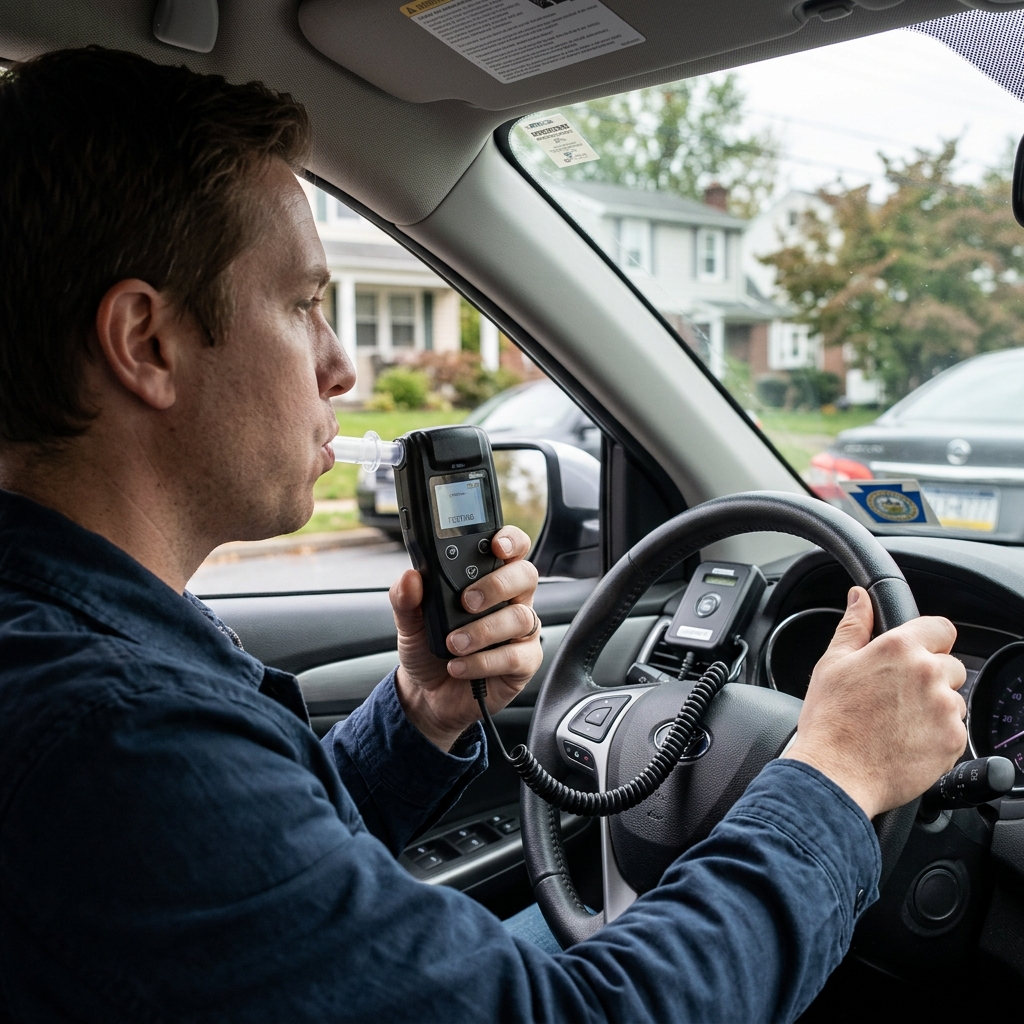
Pennsylvania has fundamentally changed how it treats first-time DUI offenders by expanding the use of ignition interlock devices and creating a special driver’s license that allows some motorists to keep driving despite a suspension. These changes are designed to reduce drunk driving crashes while still letting many people maintain access to work, family obligations, and essential services.
From Traditional Suspensions to Technology-Based Controls
Before Pennsylvania adopted its newer ignition interlock framework, many drivers convicted of DUI faced straightforward license suspensions—often for months or a year—with very limited ways to legally drive. That approach was simple, but it did not always prevent people from driving anyway, and it could severely disrupt employment and family life.
With Act 33 of 2016, Pennsylvania shifted toward a model that emphasizes controlled driving over total prohibition, especially for first-time offenders with higher blood alcohol content (BAC):
- Expanded ignition interlock requirements for first-time offenders at or above certain BAC thresholds.
- Created an Ignition Interlock Limited License so some suspended drivers can legally drive vehicles equipped with approved devices.
- Linked the path back to an unrestricted license to successful completion of an interlock period.
This policy reflects a broader national trend toward using technology to monitor driver sobriety rather than relying solely on full suspensions.
What Is an Ignition Interlock Device?
An ignition interlock device (IID) is essentially a specialized breathalyzer installed in a vehicle’s ignition system.
- The driver must provide a breath sample before starting the vehicle.
- If the sample indicates alcohol above a preset threshold, the engine will not start.
- During the trip, the device may request random or periodic retests to ensure the driver remains alcohol-free.
- Modern devices record data and often use a camera so authorities can verify that the correct person performed the test.
In Pennsylvania, a reading as low as about 0.02% BAC on the device can be enough to prevent the car from starting, underscoring the state’s emphasis on keeping impaired drivers off the road.
When Must First‑Time Offenders Use Ignition Interlocks?
Pennsylvania’s ignition interlock requirements are tied to both the number of prior offenses and the severity of the current DUI, particularly the BAC level.
Key Triggers for First‑Time DUI Ignition Interlocks
For a driver with no prior DUI convictions, ignition interlocks typically become mandatory in the following situations:
- High BAC first‑time DUI: A first conviction involving a high blood alcohol level (generally around 0.10% or above) can require an ignition interlock device as a condition of continued driving.
- Chemical test refusal: A first‑time offender who refuses a chemical test (breath, blood, or urine) can also be subject to ignition interlock requirements because refusal is treated as a serious violation.
- Driving without a required IID: If a driver is legally required to use an IID and is found operating a vehicle without one, that itself can trigger or extend ignition interlock obligations.
By contrast, a first DUI with a lower BAC level and without aggravating factors may not automatically require an interlock, though other penalties like fines, classes, and short suspensions can still apply.
Interaction with Alternative Programs
Pennsylvania’s Accelerated Rehabilitative Disposition (ARD) program provides an alternative path for some first-time offenders, often with a focus on rehabilitation and education. Participants who successfully complete ARD typically avoid a formal DUI conviction, and under current practice they generally do not have to install ignition interlock devices, even if they serve a brief suspension.
However, ARD participants also cannot obtain an Ignition Interlock Limited License during the ARD-related suspension, so they must serve that period without the driving flexibility that an IID license could otherwise provide.
The Ignition Interlock Limited License: A Different Kind of Penalty
One of the most significant changes in Pennsylvania law is the creation of the Ignition Interlock Limited License (ILL). Instead of a complete ban on driving, eligible drivers can apply for an ILL that permits them to operate vehicles equipped with approved interlock systems during all or part of their suspension.
Who Can Apply?
Eligibility generally includes individuals whose driving privileges are suspended or revoked due to:
- A DUI conviction in Pennsylvania or a similar offense from another state.
- Refusal to submit to chemical testing.
To qualify, the driver must demonstrate that any vehicle they operate is equipped with an approved ignition interlock device and meet other administrative conditions established by PennDOT.
How the Limited License Works
An Ignition Interlock Limited License allows a driver to legally operate only vehicles that have an ignition interlock device installed.
| Feature | Ignition Interlock Limited License | Traditional Suspension |
|---|---|---|
| Ability to drive | Yes, but only in IID-equipped vehicles. | No lawful driving allowed. |
| Monitoring | Continuous BAC checks through IID. | No active monitoring, but risk of illegal driving. |
| Impact on daily life | Enables commuting, family duties, and essential errands. | Can significantly disrupt work and family responsibilities. |
| Path back to full license | Completion of IID period is often required for reinstatement. | Full suspension period must be served, then reinstatement. |
For many first‑time offenders, the ILL can transform a year-long loss of driving into a monitored, restricted driving period, which is especially important in areas with limited public transportation.
Duration, Costs, and Practical Considerations
Typical Duration of Ignition Interlock Use
For many DUI convictions that carry a suspension of 12 months or more, Pennsylvania law imposes a one‑year ignition interlock requirement as part of regaining unrestricted driving privileges. This requirement can apply even after the formal suspension has ended: the driver must complete the interlock period to fully restore their license.
In practice, a first-time DUI offender with a sufficiently high BAC may face a combination of:
- A period of suspension (often shortened if the driver obtains an ILL).
- At least one year of driving only with an IID-installed vehicle.
Financial Costs
Ignition interlock devices involve multiple categories of costs to the driver:
- Installation fee: A one-time charge to install the device in the vehicle’s ignition system.
- Monthly leasing or monitoring fee: Often estimated in the range of a few dollars per day or several hundred dollars across a year.
- Maintenance and calibration costs: Periodic service appointments to ensure the device is functioning properly and logs are downloaded.
Estimates in Pennsylvania suggest that the total cost to a driver for a typical interlock term can range roughly from $650 to $1,100, depending on the provider and length of use. For individuals below certain income thresholds, state assistance may help cover some of these expenses.
Employer-Owned Vehicles and Exemptions
Many drivers rely on employer-owned vehicles, such as delivery vans or company trucks. Pennsylvania law provides limited pathways for exemptions from the IID requirement for such vehicles, if the driver and employer complete appropriate documentation and submit it to PennDOT.
However, even with exemptions, the general rule is strict: when a driver is subject to ignition interlock requirements, they usually cannot drive any vehicle without an approved device, unless a specific statutory exemption applies.
Consequences of Ignoring Ignition Interlock Requirements
Failing to comply with ignition interlock rules is treated as a serious offense in Pennsylvania. Drivers who attempt to bypass or ignore the system risk additional criminal charges and extensions of their suspension or interlock period.
Driving Without a Required Device
If a driver is legally obligated to use an ignition interlock and is caught operating a vehicle without one, they can face an ungraded misdemeanor, including potential jail time and fines.
- Jail terms up to several months in some scenarios.
- Fines that can reach around $1,000 for specific violations.
If the driver is found violating the IID requirement while also having alcohol in their system, the offense can be charged at a higher level, reflecting the increased public safety risk.
Interlock Performance and Compliance Monitoring
Ignition interlock devices record:
- Every attempt to start the vehicle.
- Measured BAC levels at start-up and during rolling retests.
- Missed service or calibration appointments.
PennDOT and courts can review this data to determine whether a driver has complied with conditions. Serious violations—such as repeated attempts to drive with a high BAC—can lead to extended interlock requirements or other sanctions.
Public Safety and Policy Rationale
Ignition interlock laws aim to reduce crashes and fatalities caused by impaired driving by targeting a key moment: the attempt to start a vehicle while under the influence.
Research and legislative analyses indicate that ignition interlocks can significantly lower repeat DUI rates when properly enforced and monitored. By allowing sober driving while preventing impaired driving, these devices can be more effective than suspensions alone in keeping dangerous drivers off the road, especially for individuals who might otherwise drive illegally despite losing their licenses.
Practical Tips for First‑Time DUI Offenders in Pennsylvania
For someone facing a first-time DUI in Pennsylvania, understanding the ignition interlock landscape can help them manage both legal obligations and day‑to‑day life. Below are practical points to consider.
Key Steps After a First‑Time DUI Conviction
- Determine whether ignition interlock applies: Check your BAC level at the time of arrest and whether there was a test refusal; those factors strongly influence IID requirements.
- Ask about ARD eligibility: For some first‑time offenders, ARD may avoid a conviction and, in many cases, ignition interlock, though it still can involve other obligations.
- Plan for transportation: If an IID is required, consider how it will affect commuting, family responsibilities, and other travel, and budget for installation and monthly costs.
- Coordinate with your employer: If you drive company vehicles, discuss any IID-related obligations and potential exemptions with your employer early.
- Maintain strict sobriety before driving: Even small amounts of alcohol can trigger lockouts or violate interlock conditions, risking extended penalties.
Frequently Asked Questions (FAQs)
1. Do all first‑time DUI offenses in Pennsylvania require an ignition interlock device?
No. Ignition interlock is typically required for first‑time offenders with high BAC levels, for certain refusal cases, or when related statutory triggers apply. Lower‑BAC first offenses without aggravating factors may not automatically require IID installation, although other penalties still apply.
2. How long will I need to use an ignition interlock after a first DUI?
For many DUI convictions that result in a suspension of 12 months or more, Pennsylvania requires at least one year of ignition interlock use before an unrestricted license can be restored. The exact timeline depends on your specific offense, prior record, and whether you obtain an Ignition Interlock Limited License.
3. Can I drive a work vehicle that doesn’t have an ignition interlock?
Generally, if you are required to use an ignition interlock, you may not drive any vehicle without one. Limited exemptions for employer-owned vehicles exist, but they require specific documentation and approval from PennDOT. Driving a non‑equipped vehicle without authorization can lead to criminal charges and extended penalties.
4. What happens if I blow into the device with alcohol in my system?
If the device detects alcohol above its threshold, your car will not start. Repeated positive tests or attempts to circumvent the system can be reported to authorities and lead to extended interlock requirements, additional fines, or other sanctions.
5. Can ignition interlock data be used against me?
Yes. Device records—including BAC readings, failed tests, and missed service appointments—can be reviewed by PennDOT or courts to assess compliance. Serious or repeated violations may affect your eligibility for license reinstatement or result in new criminal charges.
References
- Ignition Interlock Limited License — Pennsylvania Department of Transportation. 2023-03-15. https://www.pa.gov/agencies/dmv/driver-services/license-suspensions/ignition-interlock-limited-license
- Ignition Interlock — Pennsylvania DUI Association. 2022-06-01. https://padui.org/ignition-interlock/
- PA DUI Update: New Ignition Interlock Law Changes Driver’s License Consequences — Goldstein Mehta LLC. 2017-07-10. https://goldsteinmehta.com/blog/ignition-interlock-law-dui
- Ignition Interlock Device (IID) in West Chester, PA — Skinner Law Firm. 2021-09-20. https://www.skinnerlawfirm.net/dui-defense/ignition-interlock-device/
- Pennsylvania Ignition Interlock Law FAQs — McKenzie Law Firm, P.C. 2018-02-05. https://www.davidmckenzielawfirm.com/faqs/what-is-the-new-pennsylvania-ignition-interlock-law
- Pennsylvania Ignition Interlock Device & DUI Laws — Intoxalock. 2023-05-12. https://www.intoxalock.com/state-requirements/pennsylvania
- State Ignition Interlock Laws — National Conference of State Legislatures. 2021-06-24. https://www.ncsl.org/transportation/state-ignition-interlock-laws
Similar Articles








Read full bio of medha deb




