
Do You Own the Oil Beneath Your Property?
Uncover the legal truths about mineral rights, surface ownership, and what happens when oil is discovered under your land.
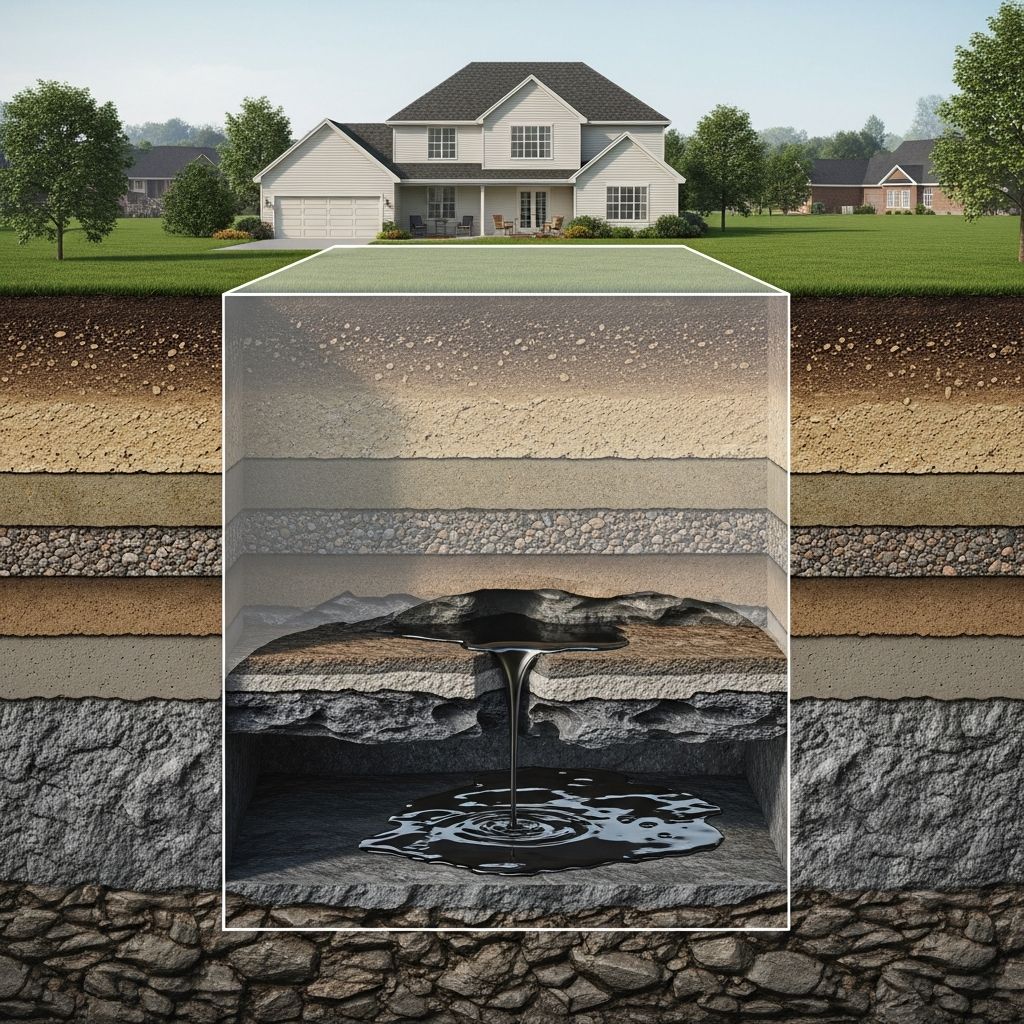
Owning land often feels like complete control over every aspect of that property, but when it comes to valuable resources like oil lurking underground, the reality can be far more complex. In the United States, surface ownership does not automatically guarantee rights to subsurface minerals. This separation, known as severance of mineral rights, creates unique legal challenges for landowners, especially in oil-rich regions.
Understanding Surface Rights Versus Mineral Rights
Surface rights grant permission to use and develop the top layer of land for homes, farms, or businesses. Mineral rights, however, pertain to everything valuable below the surface, including oil, natural gas, coal, and metals. These two estates can be owned by different parties, leading to what’s called a ‘split estate.’
In most cases, when land is first acquired, both surface and mineral rights are bundled together. But over time, previous owners may sell or lease mineral rights separately, leaving current surface owners without claim to underground treasures. This severance is permanent unless legally reversed, and it profoundly impacts property value and use.
- Surface Rights: Control over buildings, crops, and surface activities.
- Mineral Rights: Authority to explore, drill, and extract subsurface resources.
- Dominant Estate: Mineral rights typically hold priority, allowing reasonable surface access for extraction.
The mineral estate’s dominance means surface owners must often accommodate drilling operations, even if it disrupts their land use. Courts recognize this hierarchy to promote resource development while requiring ‘reasonable use’ to minimize damage.
How Mineral Rights Get Severed from Land
Severance occurs through deeds, wills, or leases that explicitly transfer mineral interests away from the surface. Historical events, like early 20th-century oil booms, prompted many landowners to cash in by selling these rights to energy companies. Today, in states like Texas, Oklahoma, Pennsylvania, Louisiana, Colorado, and New Mexico, split estates are common due to decades of extraction activity.
Buyers of land must conduct thorough title searches to uncover severed minerals. A standard deed might say ‘surface rights only,’ excluding subsurface claims. Failing to check can lead to surprises, such as denied royalties or unwanted drilling rigs on your property.
| State | Severance Prevalence | Key Consideration |
|---|---|---|
| Texas | High | Old oil leases often severed rights generations ago. |
| Oklahoma | High | Frequent in shale plays like SCOOP/STACK. |
| Pennsylvania | Moderate | Marcellus shale boom increased splits. |
| Louisiana | High | Strong mineral dominance laws. |
| Colorado | Growing | New fracking activity splitting estates. |
This table highlights hotspots where buyers should prioritize mineral title reviews.
The Rule of Capture: Draining Oil Across Boundaries
Oil and gas are migratory fluids, flowing underground without regard for property lines. The ‘rule of capture’ allows landowners to extract resources beneath their property, even if those resources originated under neighboring land—as long as drilling is vertical and not intentionally slanted.
This doctrine, rooted in common law, prevents endless lawsuits over fluid migration. However, it incentivizes rapid drilling to ‘capture’ resources first, sometimes leading to waste. States mitigate this through spacing rules, limiting wells per acre to ensure fair shares.
Exceptions apply: Directional drilling targeting adjacent properties constitutes trespass, punishable by injunctions and damages. Correlative rights doctrines in some states further protect owners from total depletion by neighbors.
Leasing Mineral Rights: A Path to Profits
If you hold mineral rights, leasing them to operators provides income without drilling yourself. Leases outline exploration terms, royalties (typically 18-25% of production value), and durations.
Key lease components include:
- Bonus Payment: Upfront cash per acre.
- Royalty Rate: Percentage of sales from extracted oil/gas.
- Primary Term: Years to drill or lease expires (e.g., 3-5 years).
- Pugh Clause: Protects unheld leases from auto-extending.
Leases are filed publicly, allowing checks at county offices. Royalty owners retain rights to payments even after production, but must monitor for underpayments or deductions.
Dormancy Laws: Reclaiming Lapsed Mineral Rights
Not all severed rights stay severed forever. Many states have dormancy statutes reverting unused minerals to surface owners after inactivity periods:
- Louisiana: 10 years non-use triggers reversion.
- North Dakota/Ohio: 20 years of dormancy allows claims.
- Michigan: Landowners can petition to buy dormant state minerals.
These laws require proof of inactivity, like no permits or production. Quiet title actions in court can formalize reversion, restoring full ownership.
Implications for Property Buyers and Sellers
Purchasing land? Demand a mineral title opinion from an attorney specializing in oil/gas law. Sellers retaining minerals can boost sale prices but complicate deals.
Surface owners facing mineral development gain surface use agreements, compensating for disruptions like roads, pads, and noise. Negotiate protections upfront.
In split estates, taxation differs: Mineral owners pay on resource value; surface on land improvements. This affects estate planning and inheritance.
Environmental and Regulatory Safeguards
Federal and state agencies oversee extraction to prevent pollution. The Bureau of Land Management (BLM) regulates federal lands, while states like Texas Railroad Commission enforce spacing and conservation.
Owners can sue for surface damage beyond ‘reasonable use.’ Modern fracking has heightened tensions, prompting bonds for well plugging post-production.
Frequently Asked Questions
Does buying land always include mineral rights?
No. Always verify via title search; in energy states, minerals are often severed.
What is the average oil royalty rate?
Rates typically range 18.75%-20%, negotiable based on location and market.
Can neighbors drain my oil under the rule of capture?
Yes, if lawfully drilled on their land; states limit via well spacing.
How do I check for severed minerals?
Review deed history at county recorder; hire a landman or attorney.
What if mineral rights are dormant?
File for reversion per state law after inactivity period.
Navigating Oil Discovery: Next Steps for Landowners
If oil signs appear—geological surveys or company interest—consult a petroleum landman or attorney immediately. Value your position: Full ownership allows direct sales or leases; split estates require negotiation.
Armed with knowledge, landowners can turn potential conflicts into opportunities. Whether retaining, leasing, or reclaiming rights, proactive steps preserve wealth from the ground below.
References
- Interest of Landowner with Full Gas and Oil Rights — USLegal. Accessed 2026. https://oilandgas.uslegal.com/interest-of-landowner-with-full-gas-and-oil-rights/
- Oil, Gas & Mineral Rights: Ownership & Legal Impacts — GetLegal. Accessed 2026. https://www.getlegal.com/legal-info-center/real-estate-law/oil-gas-and-minerals/
- Getting It Right: Mineral, Oil, and Property Rights — RLI Land Blog. 2023-10-15. https://www.rliland.com/Voices/The-Voices-of-Land-blog/ArticleID/67/Getting-It-Right-Mineral-Oil-and-Property-Rights
- Mineral Rights in 2026: Complete Homeowner’s Guide — Amerisave. 2026-01-20. https://www.amerisave.com/learn/mineral-rights-in-complete-homeowners-guide-to-underground-ownership
- The Rights of an Oil Royalty Owner — Ranger Minerals. Accessed 2026. https://www.rangerminerals.com/the-rights-of-an-oil-royalty-owner/
- Key Terms and Legal Basics – Mineral Rights Law Explained — Mineral Rights Alliance. Accessed 2026. https://www.mineralrightsalliance.org/mineral-rights-law/
- What are Mineral Rights? & What You Need to Know — Hall and Hall. Accessed 2026. https://hallhall.com/resources/what-you-should-know-about-mineral-and-surface-rights-on-your-land/
Similar Articles








Read full bio of medha deb




