
Non‑Moving Violations and Your Car Insurance
Understand how parking, paperwork, and equipment tickets really affect your premiums, your record, and your future insurance options.
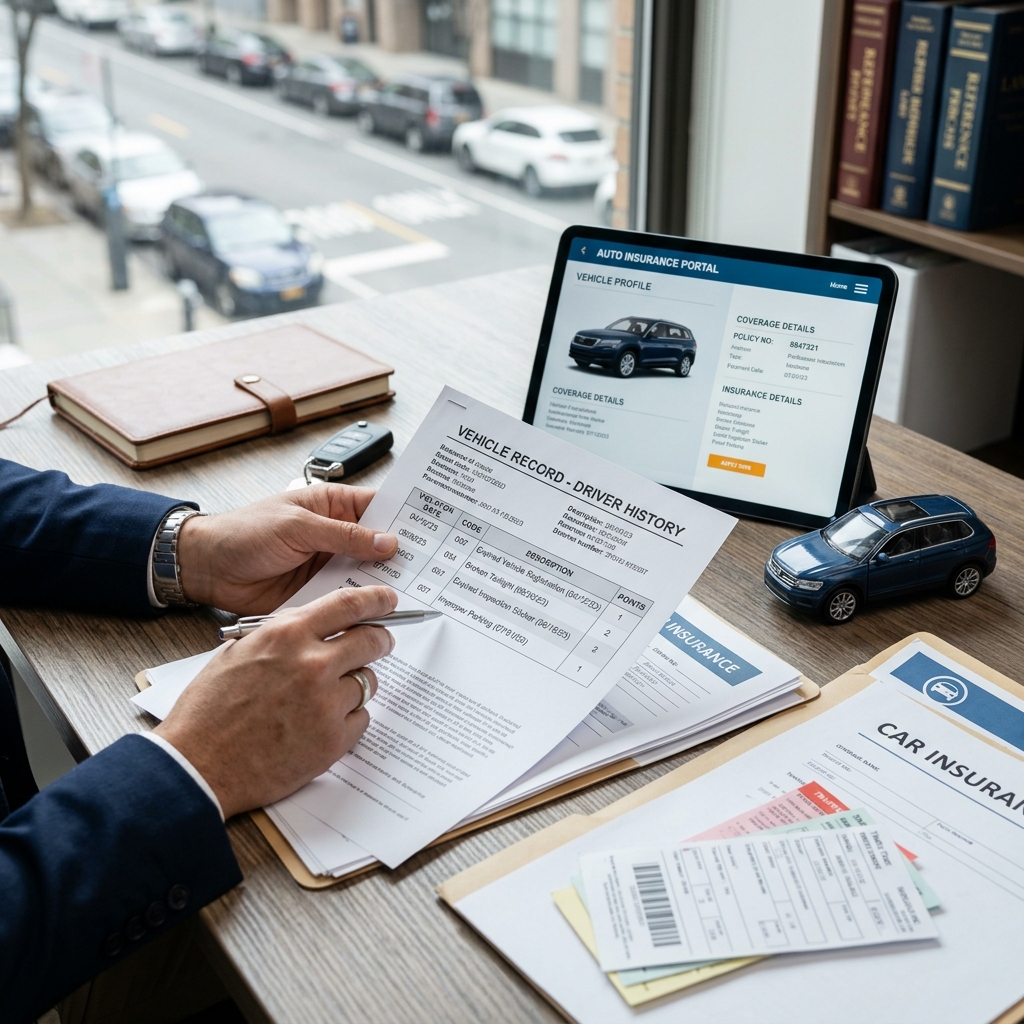
Many drivers are surprised to learn that not every traffic ticket has the same impact on car insurance premiums. Some violations signal risky driving and can quickly raise your rates, while others are treated more like administrative or minor issues. Understanding where non‑moving violations fit in that picture helps you respond correctly to tickets and protect your wallet.
This guide explains what counts as a non‑moving violation, how these tickets usually affect car insurance, the specific situations where they can still lead to higher premiums, and practical steps to minimize long‑term consequences based on credible legal and insurance guidance.
Non‑Moving vs. Moving Violations: The Core Difference
Traffic laws generally separate violations into two broad categories: moving and non‑moving. The distinction is simple but important for insurance.
- Moving violations occur when the vehicle is in motion and involve how you drive.
- Non‑moving violations usually involve a stationary vehicle, vehicle equipment, or paperwork related to registration, licensing, or insurance.
Insurers use this distinction because moving violations provide direct evidence of driving behavior and risk of crashes, whereas many non‑moving violations say more about organization or compliance than about accident risk.
Common Examples of Moving Violations
Moving violations vary in seriousness, but they all reflect a decision made while driving that could affect safety. Typical examples include:
- Speeding or racing
- Running red lights or stop signs
- Failure to yield or improper passing
- Distracted or aggressive driving
- Driving under the influence (DUI or DWI)
These violations often carry points on your driving record, and insurance companies may respond with premium increases that can last several years, especially for serious offenses like DUI.
Common Examples of Non‑Moving Violations
Non‑moving violations tend to be less dramatic but can still cause inconvenience and costs. Examples include:
- Parking tickets (e.g., parking in a restricted zone)
- Expired vehicle registration or tags
- Expired inspection sticker
- Broken or missing equipment (such as a busted taillight)
- Failure to carry proof of insurance or registration
These violations usually involve fines and a requirement to correct the problem—such as renewing registration or repairing equipment—rather than immediate points on your license.
How Insurers View Non‑Moving Violations
The good news for most drivers is that non‑moving violations generally do not raise car insurance premiums by themselves when they are promptly resolved.
The key reason: most non‑moving violations do not demonstrate risky driving behavior or increased chances of a crash. As a result, many insurers either ignore them or treat them as low‑priority factors compared with moving violations.
Typical Insurance Company Approach
While each insurer uses its own rating formula, several trends are common:
- Primary focus on moving violations: Speeding, reckless driving, and DUI are weighted heavily and can cause significant premium increases.
- Limited impact from minor non‑moving violations: A single parking ticket or expired tag that you promptly fix is rarely enough to change your rate.
- Attention to patterns: Repeated infractions of any kind may lead insurers to question your overall responsibility and risk.
For example, a consumer analysis cited by a major insurer found that speeding tickets can increase rates by hundreds of dollars per year, especially when multiple violations are present, whereas minor non‑moving violations typically have little direct impact.
When Non‑Moving Violations Can Still Affect Your Premiums
Although many non‑moving violations are low‑risk in the eyes of insurers, there are important exceptions. The impact often depends more on how you handle the ticket than the violation itself.
Unpaid Tickets and Administrative Consequences
One major concern is what happens if non‑moving violations are ignored rather than resolved. Legal and insurance guidance indicates that unpaid fines or repeated tickets can lead to administrative actions such as license suspension or registration holds.
A suspended license, even if triggered by non‑moving violations, is a strong signal of risk and non‑compliance. Insurance companies typically treat any license suspension as serious and may respond by:
- Raising premiums significantly at renewal
- Removing preferred or safe‑driver discounts
- Refusing to renew your policy or offering only high‑risk coverage
In other words, the problem is not the original parking ticket, but the cumulative effect of ignoring it until it becomes a licensing issue.
Paperwork Violations Related to Insurance
Another special case involves tickets for lacking proper insurance documentation. Some jurisdictions treat failure to show proof of insurance as a non‑moving violation, particularly if you were otherwise obeying traffic laws when stopped.
Even if you did have a policy but could not prove it at the time, such tickets may appear on your record and indicate lapses or confusion about coverage. Studies mentioned by traffic defense firms suggest that a ticket for no car insurance can raise rates by several percentage points on average.
The effect may be greater if the violation reflects an actual lapse in coverage rather than a documentation problem, because insurers view gaps in insurance history as a risk factor.
State‑Specific Rules and Point Systems
Laws vary significantly by state. In most states, non‑moving violations do not add points to your driving record and may not appear on the record insurers access, meaning they are unlikely to affect premiums directly.
However, some states handle non‑moving violations differently. For example, legal commentary from Washington State notes that non‑moving violations (other than certain parking and camera infractions) can appear on a driving record, even without a traditional point system. Insurers in such states may consider those entries during rating, particularly if they show repeated failures to comply with vehicle laws.
Comparing Moving and Non‑Moving Violations for Insurance Impact
The table below summarizes typical differences between moving and non‑moving violations in the context of insurance. Specific outcomes depend on your insurer and jurisdiction, but these trends reflect common guidance from insurers and legal sources.
| Type of Violation | Typical Examples | Points on License | Direct Premium Impact | Duration on Record |
|---|---|---|---|---|
| Moving violations | Speeding, red‑light running, DUI, reckless driving | Often yes; number depends on state and offense | Commonly increase premiums, especially repeated or serious violations | Frequently 3–5 years; serious offenses may last longer |
| Non‑moving violations | Parking ticket, expired registration, equipment problems | Usually no, unless state law treats specific infractions differently | Generally minimal or no direct impact when promptly resolved | May not appear on driving record; impact arises mainly if they cause license issues or indicate coverage lapses |
Practical Steps After a Non‑Moving Violation
Even if your non‑moving violation probably will not raise your rates directly, how you respond matters. Following a few simple steps can prevent small problems from turning into major insurance issues.
1. Read the Ticket Carefully
- Confirm whether the violation is identified as non‑moving or moving under local law.
- Note deadlines for paying the fine or appearing in court.
- Check if proof of correction (such as a repair invoice) can reduce or dismiss the violation.
2. Fix the Underlying Problem Promptly
For equipment, registration, or inspection violations, promptly resolving the issue reduces the chance of future tickets and may qualify you for reduced penalties.
- Repair broken lights, tires, or other equipment cited in the ticket.
- Renew registration or inspection and keep documentation in the vehicle.
- Update your address with the DMV so you receive future notices.
3. Pay or Contest the Ticket on Time
Missing a payment deadline can lead to late fees and, in serious cases, license or registration problems. If you believe the ticket is incorrect or unfair, you may be able to contest it in court and seek dismissal or reduction.
- If you accept the ticket, pay the fine before the deadline to avoid extra penalties.
- If you contest it, follow instructions carefully, attend required hearings, and consider consulting a traffic attorney for guidance.
4. Keep Your Insurance Coverage Continuous
Non‑moving violations tied to coverage problems can be more serious. To avoid rate hikes and compliance issues:
- Maintain at least the minimum liability coverage required in your state.
- Avoid lapses when switching insurers by coordinating start and end dates.
- Store proof of insurance in your vehicle and electronically, where allowed.
5. Monitor Your Driving Record
Because rules differ by state, obtaining a copy of your driving record every few years can show which violations are visible to insurers and whether any errors need correction.
- Request your record from the state licensing agency.
- Verify the accuracy of listed violations and dates.
- Follow state procedures to correct mistakes or outdated entries.
Keeping Premiums Low After Any Violation
Although non‑moving violations are usually minor, many drivers receive moving violations at some point. Legal and insurance experts recommend several strategies to manage premiums after a ticket.
- Maintain a clean record going forward: Insurers often weigh recent history more heavily; multiple infractions in a short period can dramatically compound rate increases.
- Consider defensive driving courses: Some insurers and states allow safe‑driving or traffic school programs to offset points or qualify for discounts.
- Shop around at renewal: Different insurers treat violations differently, so obtaining multiple quotes can reveal more favorable pricing after a ticket.
- Work with a traffic attorney when needed: In some cases, a lawyer may help reduce charges or obtain dismissals, limiting record and premium impacts.
FAQs About Non‑Moving Violations and Insurance
Do non‑moving violations usually raise car insurance rates?
In most situations, no. Credible legal and insurance sources indicate that non‑moving violations—such as parking tickets or minor equipment issues—normally do not increase premiums so long as they are corrected and paid on time.
Can multiple parking tickets lead to higher premiums?
A handful of parking tickets is unlikely to affect rates directly. However, large numbers of unpaid tickets can cause administrative actions such as registration holds or license suspension, and those consequences are taken seriously by insurers and may lead to premium increases.
Are non‑moving violations reported on my driving record?
In many states, typical non‑moving violations do not add points and may not appear on the driving record insurers use for rating. Some jurisdictions, however, list certain non‑moving violations on the record, particularly paperwork or insurance‑related infractions, so it is wise to check your state’s rules and review your record periodically.
What if I receive a ticket for not having proof of insurance?
If you had valid insurance but lacked documentation, you may be able to show proof later and reduce or dismiss the ticket, depending on local law. If the citation reflects an actual lapse in coverage, insurers may view the gap as a risk factor, and rates can increase when you next apply or renew.
How long do traffic violations affect my insurance?
For many moving violations, insurers look back about three to five years when evaluating your record, with serious offenses like DUI potentially lasting longer. Non‑moving violations generally have minimal direct impact, but any resulting license suspensions or coverage lapses can have long‑lasting effects on pricing and eligibility.
Should I tell my insurer about a non‑moving violation?
Most insurers learn about significant violations through driving record checks at renewal, rather than voluntary reports. Routine non‑moving violations usually do not require notification unless your policy specifically asks about them; however, you should always answer application questions truthfully to avoid issues with coverage or claims.
References
- The Real Costs of a Non-moving or Moving Violation — State Farm. 2023-05-15. https://www.statefarm.com/simple-insights/auto-and-vehicles/the-real-costs-of-a-non-moving-or-moving-violation
- Do Non-Moving Violations Affect My Car Insurance? — FindLaw. 2019-08-01. https://www.findlaw.com/legalblogs/criminal-defense/do-non-moving-violations-affect-my-car-insurance/
- Moving vs. Non-Moving Violations — Garguile DUI & Traffic Lawyers. 2022-04-10. https://mrticketfixer.com/traffic-tickets/moving-vs-non-moving-violations/
- How Traffic Violations Affect Car Insurance Premiums — Kreider Law. 2023-02-20. https://www.kreider.law/how-do-traffic-violations-impact-your-insurance-premiums-over-time/
- Do Speeding Tickets Affect Insurance Rates? — Allstate. 2023-11-01. https://www.allstate.com/resources/car-insurance/do-speeding-tickets-affect-insurance
Similar Articles








Read full bio of Sneha Tete


