
Medical Inadmissibility Waivers for U.S. Green Card Applicants
Navigate health-based barriers to permanent residency with medical waivers and exemptions.
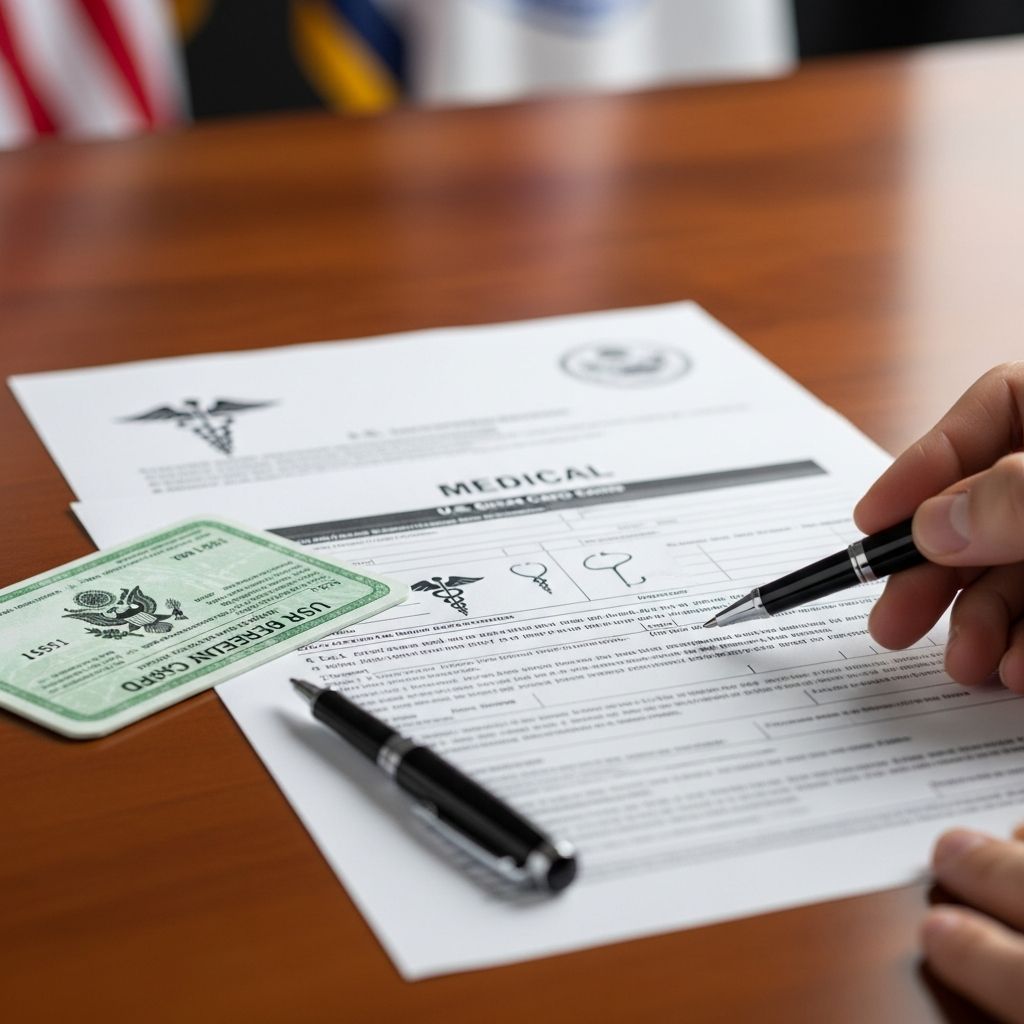
Understanding Health-Related Grounds of Inadmissibility in U.S. Immigration
Individuals seeking to obtain lawful permanent resident status—commonly known as a green card—must undergo a comprehensive medical examination as part of the immigration process. This examination serves to identify any health conditions that could render an applicant inadmissible under U.S. immigration law. Unlike many other grounds of inadmissibility, certain medical conditions can be addressed through a formal waiver process, allowing otherwise qualified applicants to pursue permanent residency despite health concerns.
The medical examination requirement has been a cornerstone of U.S. immigration policy for decades, designed to protect public health and ensure that applicants do not pose communicable disease risks. However, the interpretation and application of which medical conditions warrant inadmissibility has evolved significantly over time, particularly with recent policy expansions that now consider a broader range of health conditions in the determination process.
The Medical Examination and Disease Screening Process
All applicants for lawful permanent residency must submit to a medical examination conducted by a civil surgeon or panel physician designated by U.S. Citizenship and Immigration Services (USCIS). The examination includes screening for communicable diseases of public health significance, evaluation of vaccination status, and assessment of certain medical conditions that could affect admissibility.
Historically, the focus of medical examinations centered on infectious and communicable diseases. However, recent policy developments have expanded the scope of health review to include chronic conditions such as diabetes, asthma, cardiovascular disease, mental health conditions, and obesity. These conditions may now be considered under the “public charge” ground of inadmissibility, which evaluates whether an applicant is likely to become dependent on government assistance or institutionalization.
The examination process requires applicants to:
- Complete a detailed medical history questionnaire
- Undergo physical examination and vital signs assessment
- Provide documentation of vaccination records and medical history
- Submit to blood tests and other diagnostic evaluations as determined by the examining physician
- Disclose any history of substance abuse or mental health treatment
Vaccination Requirements for Green Card Applicants
One of the most significant and frequently addressed components of the medical examination involves vaccination compliance. USCIS requires all green card applicants to demonstrate immunity or receipt of vaccinations against a comprehensive list of vaccine-preventable diseases. As of October 2021, the COVID-19 vaccine was added to this mandatory list, reflecting updated public health concerns.
Applicants must provide evidence of vaccination against the following diseases:
- Measles
- Mumps
- Rubella
- Polio
- Tetanus and Diphtheria Toxoids
- Pertussis (Whooping Cough)
- Haemophilus influenzae type B
- Hepatitis B
- COVID-19
- Any other vaccine-preventable diseases recommended by the Advisory Committee for Immunization Practices
However, the USCIS recognizes that not all vaccines are appropriate for every individual. The examining civil surgeon or panel physician may waive specific vaccine requirements on a medical basis if vaccination is deemed medically inappropriate for that particular applicant. Medical reasons for waiver consideration include age-inappropriate vaccinations, contraindications due to allergies or medical conditions, insufficient time to complete a full vaccination series before application processing, or unavailability of specific vaccines in the applicant’s location.
Medical Grounds of Inadmissibility and Waiver Eligibility
Beyond vaccination requirements, several health conditions can render an applicant medically inadmissible. The primary medical grounds of inadmissibility include communicable diseases of public health significance, mental health conditions associated with dangerous behavior, and the public charge determination based on health status and financial capacity.
The communicable disease screening focuses on conditions such as tuberculosis, which remains a significant public health concern in immigration medical examinations. However, modern policy has expanded inadmissibility considerations to encompass non-communicable conditions when evaluating the public charge ground. This expansion means that applicants with chronic but manageable conditions must now demonstrate greater financial resources to cover anticipated medical expenses.
Most importantly, applicants who are found to be inadmissible on medical grounds may be eligible to file a waiver request. The availability and success of a waiver depend on the specific medical condition involved and whether humanitarian purposes, family unity, or the public interest would be served by granting the waiver.
The I-601 Waiver Application Process
The primary mechanism for requesting a waiver of medical grounds of inadmissibility is Form I-601, Application to Waive Grounds of Inadmissibility. This form allows applicants who are otherwise qualified for permanent residency to request forgiveness of medical grounds that would otherwise prevent approval of their application.
Filing an I-601 waiver requires submission of:
- Completed Form I-601 with appropriate fees
- Evidence supporting the waiver request, including medical documentation
- Affidavits or statements from family members, employers, or other individuals
- Financial documentation demonstrating ability to cover medical care costs
- Proof of employment, family ties, and community connections in the United States
- Letters of support from credible sources who can attest to the applicant’s character and contributions
The waiver application must articulate how the grounds of inadmissibility can be waived in the interest of family unity, humanitarian purposes, or the public interest. For public charge inadmissibility, applicants may need to provide robust evidence of financial resources, employer-sponsored health insurance, or commitments from family members to provide financial support.
Religious and Moral Objections to Vaccinations
A specific category of medical waiver involves religious and moral objections to vaccinations. USCIS recognizes that some applicants have sincere religious beliefs or deeply held moral convictions that prevent them from accepting certain vaccines. To qualify for a vaccination waiver on religious or moral grounds, applicants must meet specific requirements established in the USCIS Policy Manual.
The key requirements include demonstrating that the applicant is opposed to all vaccinations in any form, meaning the applicant cannot selectively refuse some vaccines while accepting others. Additionally, the applicant must articulate sincere religious beliefs or moral convictions that would be violated or compromised by complying with vaccination requirements.
Importantly, applicants need not be members of a formally recognized religion or attend a specific house of worship to qualify for this waiver. The standard focuses on the sincerity and depth of the applicant’s belief system rather than formal religious affiliation. However, applicants who have previously received certain vaccinations must explain the reasons for those exceptions, as inconsistent vaccination history may undermine claims of total opposition to all vaccines.
The application must include a sworn statement from the applicant detailing the specific nature of religious or moral beliefs, how compliance with vaccination requirements would violate those beliefs, and evidence supporting the sincerity of these convictions. The examining physician or USCIS officer reviews this statement to determine whether a waiver is warranted.
Financial Documentation and Public Charge Considerations
Recent policy developments have significantly affected how health conditions interact with public charge determinations. Applicants must now be prepared to demonstrate substantial financial resources to cover anticipated medical expenses throughout their expected lifespan. This requirement has become increasingly stringent, particularly for applicants with chronic health conditions.
Strategies for demonstrating sufficient financial resources include:
- Providing evidence of employer-sponsored health insurance coverage
- Submitting documentation of substantial personal or family financial assets
- Securing Affidavit of Support (Form I-864) from a sponsor with sufficient income
- Demonstrating stable employment and consistent income history
- Providing health insurance quotes or enrollment confirmation documents
- Securing written commitments from family members to provide financial support for medical care
The evaluation of financial capacity now extends beyond the applicant to include consideration of family members’ health conditions and financial situations. Consular officers may deny applications based on public charge findings if they determine that an applicant’s household lacks adequate financial resources to cover medical care without relying on government assistance or long-term institutionalization at public expense.
Hardship and Humanitarian Waiver Considerations
Beyond medical waivers specific to health conditions, applicants may request humanitarian waivers or waivers in the interest of family unity when medical grounds of inadmissibility are present. These waivers require demonstration that denying the application would result in extreme hardship to the applicant or to U.S. citizen or permanent resident family members.
Extreme hardship is a high legal standard that typically requires evidence of circumstances beyond the normal disruption caused by separation. Factors considered in hardship determinations include:
- Medical conditions of U.S. citizen or permanent resident family members dependent on the applicant for care
- Economic consequences of family separation
- Disruption to children’s education or well-being
- Loss of employment or business interests in the United States
- Medical treatment or care available only in the United States
- Danger or inability to establish adequate living conditions in the applicant’s home country
Successfully arguing a humanitarian waiver requires comprehensive documentation of these hardship factors and clear demonstration that the requested waiver would serve humanitarian purposes or strengthen family unity in ways that outweigh public health or safety concerns.
Role of Civil Surgeons and Panel Physicians
The examining civil surgeon or panel physician plays a crucial role in the medical clearance and waiver process. These physicians are designated by USCIS and must follow specific guidelines in conducting medical examinations and determining medical inadmissibility.
When a civil surgeon identifies a medical condition that could constitute grounds for inadmissibility, the physician must document the condition thoroughly and refer the applicant for additional evaluation or treatment as appropriate. The physician’s assessment becomes the foundation for USCIS’s determination regarding the applicant’s admissibility and the basis for any waiver request.
For conditions like tuberculosis, active disease constitutes grounds for inadmissibility, but applicants may be permitted to undergo treatment and reapply once disease status has changed. For other conditions, the physician may determine that a waiver is medically justified based on the severity of the condition, treatability, or other medical factors.
Timeline and Processing Considerations
The timeline for medical evaluation and waiver processing varies depending on whether an applicant applies for adjustment of status within the United States or through an immigrant visa interview abroad. Applicants applying through U.S. consulates undergo panel medical examinations, while those adjusting status within the United States are examined by civil surgeons.
The medical examination must occur within a specified timeframe relative to the application approval, typically within a certain number of months before final adjudication. If applicants require additional tests, evaluation, or treatment, the timeline may extend significantly. Waiver processing adds additional time, as USCIS must review the submitted evidence and make a determination on the humanitarian or public interest factors.
Applicants should be prepared for potential delays and plan accordingly, particularly if medical treatment or additional documentation is necessary. Maintaining communication with immigration counsel and the examining physician helps ensure that all required documentation is submitted promptly.
Recent Policy Changes and Expanded Health Review
Recent policy developments have substantially expanded the scope of health conditions considered in immigration medical examinations and public charge determinations. Where previous practice focused narrowly on communicable diseases and severe mental health conditions, current policy directs examination of a much broader range of chronic conditions in evaluating whether applicants might become dependent on government assistance.
Conditions now subject to more intensive review in public charge determinations include diabetes, asthma, high blood pressure, cardiovascular disease, sleep apnea, cancer, respiratory diseases, neurological conditions, metabolic disorders, and mental health conditions. The expanded review also considers family members’ health conditions and prior receipt of government benefits including housing assistance, food aid, and medical assistance previously outside the scope of public charge evaluation.
These policy changes have created new challenges for applicants with common chronic conditions. Applicants now must be prepared to demonstrate substantially greater financial resources and may need to provide detailed evidence of health insurance coverage, medical cost projections, and financial support commitments from family members or sponsors.
Frequently Asked Questions
Q: Can I obtain a vaccine waiver if I have received some but not all required vaccines?
A: Not automatically. If you have selectively received certain vaccines, USCIS will examine the reasons for your vaccination pattern. For a religious or moral objection waiver, you must demonstrate opposition to all vaccines in any form. Inconsistent vaccination history may undermine your waiver request unless you provide credible explanations for the exceptions.
Q: What types of health conditions qualify for medical waivers?
A: Medical waivers may be granted for communicable diseases and conditions affecting public charge determinations when humanitarian purposes, family unity, or public interest considerations outweigh the grounds of inadmissibility. The specific condition must be waivable under immigration law, and the applicant must meet the legal standards for waiver eligibility.
Q: How much financial documentation must I provide to overcome a public charge medical finding?
A: The required documentation depends on your health condition, projected medical costs, and family financial circumstances. Generally, you should provide employment verification, tax returns, bank statements, evidence of health insurance, and potentially an Affidavit of Support from a sponsor with income at or above required thresholds.
Q: Can I request a waiver if I’m medically inadmissible for tuberculosis?
A: If you have active tuberculosis, you are inadmissible and must complete appropriate treatment before reapplying. The waiver process focuses on non-waivable grounds or situations where humanitarian factors justify an exception. Tuberculosis may be waivable once treatment is completed and you are disease-free, depending on your specific circumstances.
Q: Does USCIS need to approve my waiver before I can proceed with my green card application?
A: Yes. The waiver must be approved before USCIS can adjudicate your application for permanent residency if you have grounds of medical inadmissibility. The waiver application is separate from your main green card application and must be resolved before final approval.
References
- How to Obtain a Vaccine Waiver for Immigration Medical Exam — Harris Beach PLLC. Accessed January 2026. https://www.harrisbeachmurtha.com/insights/how-to-obtain-a-vaccine-waiver-for-immigration-medical-exam/
- State Department Reportedly Applying Expanded Health Review in Visa Applications — Fragomen. Accessed January 2026. https://www.fragomen.com/insights/united-states-state-department-reportedly-applying-expanded-health-review-in-visa-applications.html
- U.S. Citizenship and Immigration Services Policy Manual, Chapter 3: Grounds of Inadmissibility — U.S. Department of Homeland Security. https://www.uscis.gov/policy-manual
- Immigration Issues: Visas and Green Cards — American Medical Association. Accessed January 2026. https://www.ama-assn.org/education/international-medical-education/immigration-issues-visas-and-green-cards
- Medical Examination Requirements for Immigrants and Refugees — Centers for Disease Control and Prevention. https://www.cdc.gov/immigrantrefugeehealth/exams/medical-examination.html
Similar Articles








Read full bio of medha deb


