
Mastering Initial Legal Consults: Essentials vs. Later Talks
Unlock success in your first attorney meeting by focusing on key details now and saving others for future discussions.
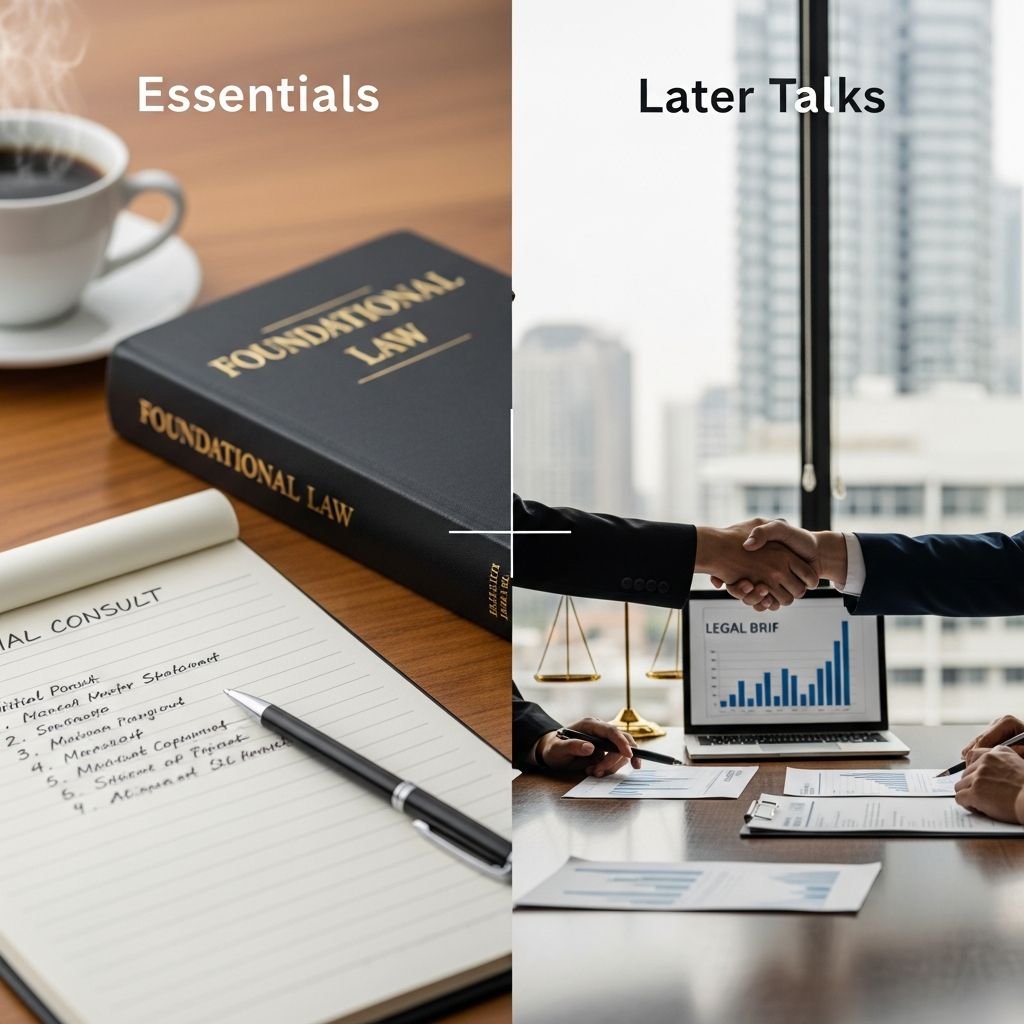
The initial consultation with an attorney marks a pivotal moment in addressing any legal challenge. This meeting sets the foundation for your case, allowing both you and the lawyer to gauge compatibility, outline potential paths forward, and establish realistic expectations. Done right, it saves time, reduces costs, and positions you for stronger representation. However, overwhelming the attorney with every detail too soon can dilute focus on critical priorities. This guide explores what demands immediate attention during that first hour or so, and what strategic elements to hold for subsequent discussions.
Understanding the Purpose of Your First Attorney Meeting
A legal consultation serves as a mutual evaluation session. For attorneys, it’s about assessing case viability, estimating effort required, and determining fit with their expertise. For clients, it’s a chance to receive preliminary insights, clarify options, and decide on proceeding. Many firms provide these sessions at no cost, emphasizing their role as an entry point rather than full strategy sessions.
Expect the lawyer to probe your situation deeply while explaining procedural basics. They will likely review any documents you bring, offer an honest case appraisal, and discuss fees. Success hinges on your preparation: arriving organized and focused ensures productive dialogue. Without it, the meeting risks becoming scattered, delaying progress.
Critical Preparation Steps Before the Consultation
Effective preparation transforms a routine meeting into a strategic launchpad. Start by compiling core materials that paint a clear picture of your circumstances.
- Compile Key Documents: Gather police reports, medical bills, contracts, emails, insurance correspondence, financial statements, and witness contacts. Organize chronologically or thematically for easy reference.
- Draft a Concise Timeline: Note dates, involved parties, and event summaries. This clarifies sequence and highlights deadlines.
- List Priorities and Goals: Define desired outcomes, non-negotiables, and concerns like costs or timelines.
- Prepare Targeted Questions: Focus on experience, strategy outlines, and billing to maximize insights.
Digital copies or summaries work if physical files are voluminous, but bring originals where possible. Honesty remains paramount—omissions can undermine assessments.
Top Priorities to Address Right Away
During the consultation, zero in on elements that shape immediate decisions. These form the backbone of whether to retain the attorney and how to proceed.
| Priority Topic | Why Discuss Now | Example Details |
|---|---|---|
| Case Facts Overview | Enables quick viability check | Key events, parties, timeline basics |
| Your Goals | Aligns expectations early | Settlement vs. trial preferences |
| Statute of Limitations | Prevents missed deadlines | Relevant filing windows |
| Fee Structure | Avoids surprises | Hourly, flat, contingency rates |
| Attorney Experience | Confirms expertise fit | Similar case success rates |
Lead with a 2-3 minute narrative summary, then dive into documents. Attorneys appreciate brevity, allowing time for their analysis.
Essential Questions for Your Attorney
Armed with preparation, pose questions that reveal the lawyer’s approach and your case’s prospects. Prioritize these to extract maximum value:
- How many similar cases have you handled, and what outcomes did they yield?
- What initial strategy do you envision, including court alternatives like mediation?
- What are realistic timelines and potential hurdles?
- Who on your team will manage my matter daily?
- How do you bill, and what costs should I anticipate upfront?
These queries not only inform your choice but also demonstrate your engagement, fostering better rapport. Note responses meticulously for comparison if consulting multiple attorneys.
Common Documents to Bring and Their Impact
Relevant paperwork accelerates evaluation. Tailor to your case type:
- Personal Injury: Medical records, accident reports, wage loss proof.
- Family Law: Marriage certificates, financials, custody papers.
- Business Disputes: Contracts, emails, ledgers.
- Criminal Matters: Police reports, witness info, citations.
Photos, texts, or recordings add evidentiary weight. If unsure, call ahead—many firms accept pre-submissions. This practice sharpens the attorney’s feedback.
Navigating Case Assessment and Feedback
Expect candid evaluation: strengths, weaknesses, and odds. Skilled attorneys outline processes, from discovery to resolution, and flag urgent actions. They may suggest non-litigious paths, preserving resources. Use this to gauge transparency—a vague response signals caution.
Post-assessment, clarify next steps: document requests, retainers, or further meetings. This roadmap prevents inertia.
What to Defer Until Later Discussions
Not everything merits first-meeting airtime. Reserve granular details for when representation is confirmed, avoiding overload.
- Deep Witness Testimonies: Summarize contacts now; full statements later.
- Comprehensive Financial Audits: Provide basics; detailed forensics post-retention.
- Nuanced Emotional Impacts: Note initially; expand in strategy sessions.
- Long-Term Personal Ramifications: Focus emerges after legal priorities solidify.
Attorneys handle research, negotiations, and evidence-building post-consult. Early overload risks diluting focus on thresholds like jurisdiction or merits.
Building a Strong Attorney-Client Dynamic from Day One
Rapport underpins success. Be punctual, attentive, and receptive. Share context fully yet succinctly. Post-meeting, send thank-yous with follow-ups on action items. This professionalism enhances service quality.
Evaluate fit holistically: communication style, empathy, clarity. Consult 2-3 attorneys if feasible for benchmarks.
Potential Pitfalls and How to Avoid Them
Steer clear of these traps:
- Overloading with Irrelevants: Stick to facts; anecdotes can wait.
- Withholding Info: Full disclosure aids accurate advice.
- Ignoring Fees: Clarify upfront to prevent disputes.
- Rushing Decisions: Take time to reflect.
Virtual consults demand tech checks and quiet spaces, mirroring in-person etiquette.
Frequently Asked Questions (FAQs)
What should I bring to my first lawyer meeting?
Bring a timeline, key documents like reports and bills, question list, and goal outline. Organize for efficiency.
Is the initial consultation free?
Often yes, especially at many firms, but confirm beforehand as policies vary.
How long does a consult last?
Typically 30-60 minutes; prepare to respect time limits.
Can I get specific legal advice in the first meeting?
Usually general overviews; detailed advice follows retention.
What if I need more documents after?
Attorneys will specify; provide promptly to maintain momentum.
Final Thoughts on Consultation Excellence
Mastering the initial consult empowers you legally. By prioritizing essentials—documents, questions, goals—you gain clarity swiftly. Deferring peripherals preserves focus, paving efficient paths. Approach with preparation and poise for optimal results. (Word count: 1678)
References
- What to Bring to an Initial Attorney Consultation — Paul Powell Law Firm. 2023-05-15. https://paulpowell.com/blog/what-to-bring-to-an-initial-attorney-consultation/
- Legal Consultation Guide — Tully Rinckey PLLC. 2024-02-10. https://www.tullylegal.com/resources/consultation-guide/
- How to Prepare for a Legal Consultation — Avera & Smith. 2023-11-20. https://avera.com/resource-hub/how-to-prepare-for-a-legal-consultation-avera-smith/
- Your First Attorney Consultation: What to Expect — Lawrence Law. 2024-01-08. https://lawlawfirm.com/your-first-attorney-consultation-what-to-expect/
- 3 Ways to Prepare for Your Consultation with an Attorney — Vance Law Firm. 2023-09-12. https://www.vancelawfirm.com/blog/ways-to-prepare-for-your-consultation-with-an-attorney/
Similar Articles








Read full bio of medha deb




