
Legal Rights After Elevator Entrapment: What To Do Next
Discover your legal options and potential compensation when trapped in an elevator due to negligence or malfunction.
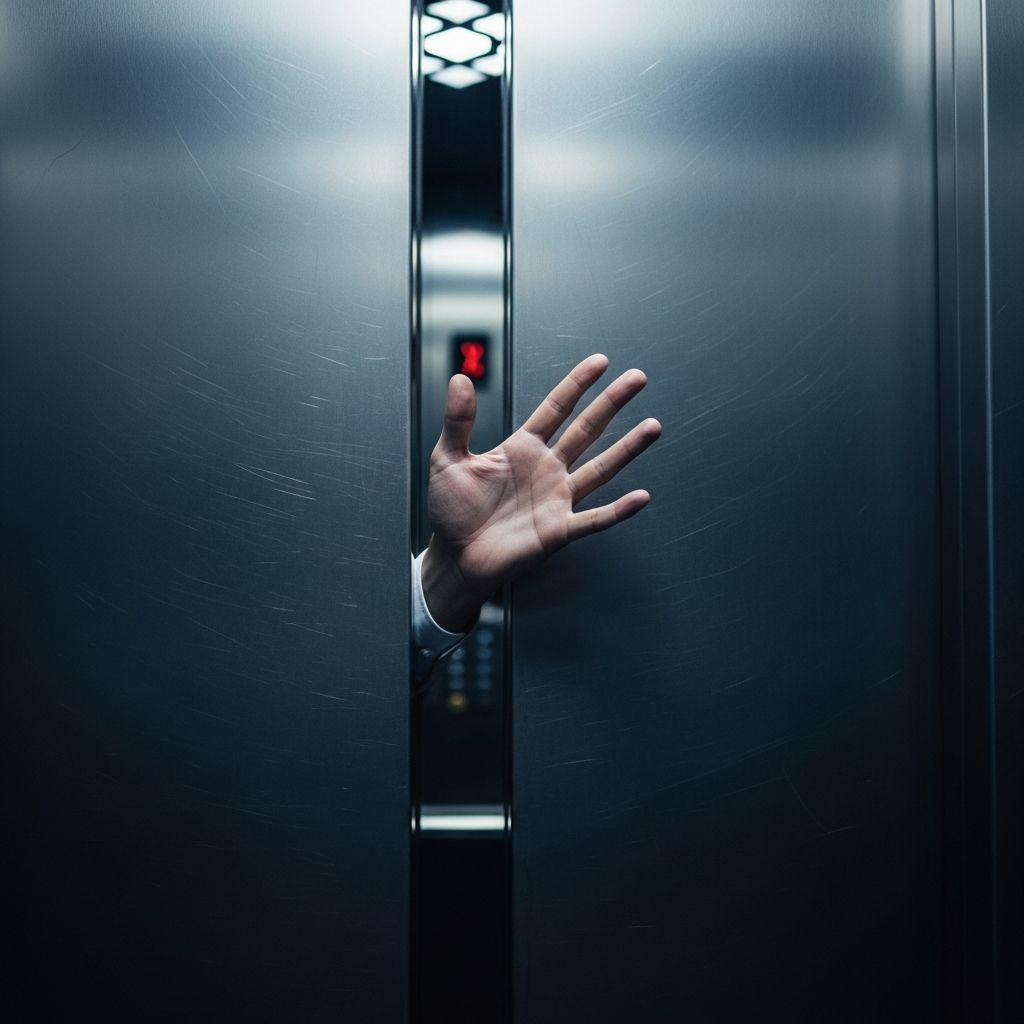
Elevator entrapments, while often resolved without injury, can lead to physical harm, emotional trauma, and financial losses, opening doors to personal injury claims under premises liability or negligence laws.
Understanding Elevator Entrapment Incidents
Being confined in an elevator stall can trigger anxiety, panic attacks, or physical issues like dehydration and injury from failed escape attempts. These events typically stem from mechanical failures, power outages, or human error, affecting thousands annually in high-rise structures.
Statistics from safety regulators highlight that inadequate maintenance contributes to most cases, emphasizing the duty of building operators to prevent such occurrences through rigorous inspections.
Potential Liable Parties in Entrapment Cases
Multiple entities share responsibility for elevator safety, and identifying the correct defendant is crucial for a successful claim.
- Building Owners and Managers: They bear primary duty to ensure regular servicing and compliance with safety codes.
- Maintenance Contractors: Firms hired for upkeep can be liable if they overlook defects or skip inspections.
- Elevator Manufacturers: Defective designs or parts invoke product liability claims.
- Installation Engineers or Architects: Faulty setup during construction may hold them accountable.
In complex scenarios, courts apply joint and several liability, allowing recovery from any responsible party regardless of partial fault.
Legal Foundations for Your Claim
Claims arise primarily from three doctrines:
| Legal Theory | Description | Key Proof Required |
|---|---|---|
| Negligence | Failure to uphold reasonable care standards. | Duty owed, breach, causation, damages. |
| Premises Liability | Unsafe conditions on property harming invitees. | Known hazards not remedied. |
| Product Liability | Defective products causing harm. | Manufacturing flaw or inadequate warnings. |
Even partial victim fault may not bar recovery in states following comparative negligence rules.
Proving Negligence in Elevator Cases
To establish negligence, demonstrate four elements:
- Duty of Care: Operators must maintain safe elevators per state regulations.
- Breach: Evidence like ignored repair logs shows violation.
- Causation: Link the breach directly to your entrapment and harm.
- Damages: Documented medical records and lost wages solidify claims.
Under respondeat superior, employers cover employee errors during duties.
Common Injuries from Elevator Stalls
- Psychological trauma including PTSD and claustrophobia.
- Physical strains from prying doors or falls during jolts.
- Respiratory issues in unventilated spaces.
- Exacerbated pre-existing conditions like heart problems.
Severe cases involve crush injuries or wrongful death, amplifying settlement values.
Types of Compensation Available
Victims pursue economic and non-economic damages:
- Economic: Medical costs, rehabilitation, wage loss, future earnings reduction.
- Non-Economic: Pain, emotional distress, reduced life quality.
- Punitive: Rare, for egregious misconduct like deliberate neglect.
Average settlements range widely, from thousands for minor distress to millions for permanent disabilities, influenced by injury severity and liability clarity.
Immediate Steps Post-Entrapment
- Seek medical evaluation, even if symptoms are absent initially.
- Photograph the scene, collect witness contacts.
- Report to building management and obtain incident logs.
- Contact authorities if injuries occurred.
- Consult a personal injury attorney promptly.
Preserve all evidence, as insurers often minimize claims aggressively.
Navigating Insurance and Workers’ Compensation
Work-related incidents may qualify for workers’ comp, barring suits against employers but allowing third-party claims against manufacturers or others.
Property insurance covers premises liability, but policy limits affect payouts. Attorneys negotiate to maximize recovery.
Statute of Limitations Considerations
Deadlines vary: typically 2-3 years from injury date across states. Delays risk claim forfeiture; act swiftly.
Building a Strong Case: Evidence Essentials
Gather surveillance footage, maintenance records, expert inspections. Digital recreations prove malfunction causation.
Medical expert testimonies quantify long-term impacts, bolstering damage claims.
Settlement vs. Trial Outcomes
Over 95% of valid claims settle pre-trial, avoiding uncertainties. Skilled negotiation yields higher awards than initial offers.
Frequently Asked Questions
Can minor distress from entrapment support a lawsuit?
Yes, documented emotional injuries qualify for compensation if negligence is proven.
What if I contributed to the incident?
Comparative fault reduces awards proportionally, but claims persist.
How long do elevators typically need inspection?
State codes mandate monthly, quarterly, and annual checks.
Is being stuck briefly compensable?
If it causes verifiable harm due to negligence, yes.
Who pays if multiple parties are at fault?
Joint liability allows collection from viable defendants.
Choosing the Right Legal Representation
Select attorneys experienced in elevator litigation, boasting track records in securing substantial verdicts. Free consultations assess case viability without upfront costs.
They handle investigations, expert hires, and insurer battles, ensuring focused recovery.
References
- How Do You Claim Your Elevator Injury Settlement? — Pazer Epstein. 2023. https://pazerlaw.com/how-do-you-claim-your-elevator-injury-settlement/
- Elevator Accident Lawsuits: Your Rights and Legal Options — Morgan & Morgan. 2025-02-06. https://www.forthepeople.com/blog/elevator-accident-lawsuits-your-rights-and-legal-options/
- Can I File A Lawsuit After An Elevator Accident? — Wilshire Law Firm. 2024. https://wilshirelawfirm.com/blog/elevator-accident-or-injury-filing-lawsuit/
- Can You Really Sue for Elevator Accidents? — McCready Law Office. 2024. https://mccreadylaw.com/blog/can-you-really-sue-for-elevator-accidents-file-your-claim-here/
- Los Angeles Elevator Accidents Attorney — Citywide Law Group. 2024. https://www.citywidelaw.com/los-angeles-elevator-accidents/
Similar Articles








Read full bio of Sneha Tete


