
Legal Challenges for LGBTQ+ Adoptive Parents
An in-depth look at how laws, bias, and planning affect LGBTQ+ couples who foster or adopt children across the United States.
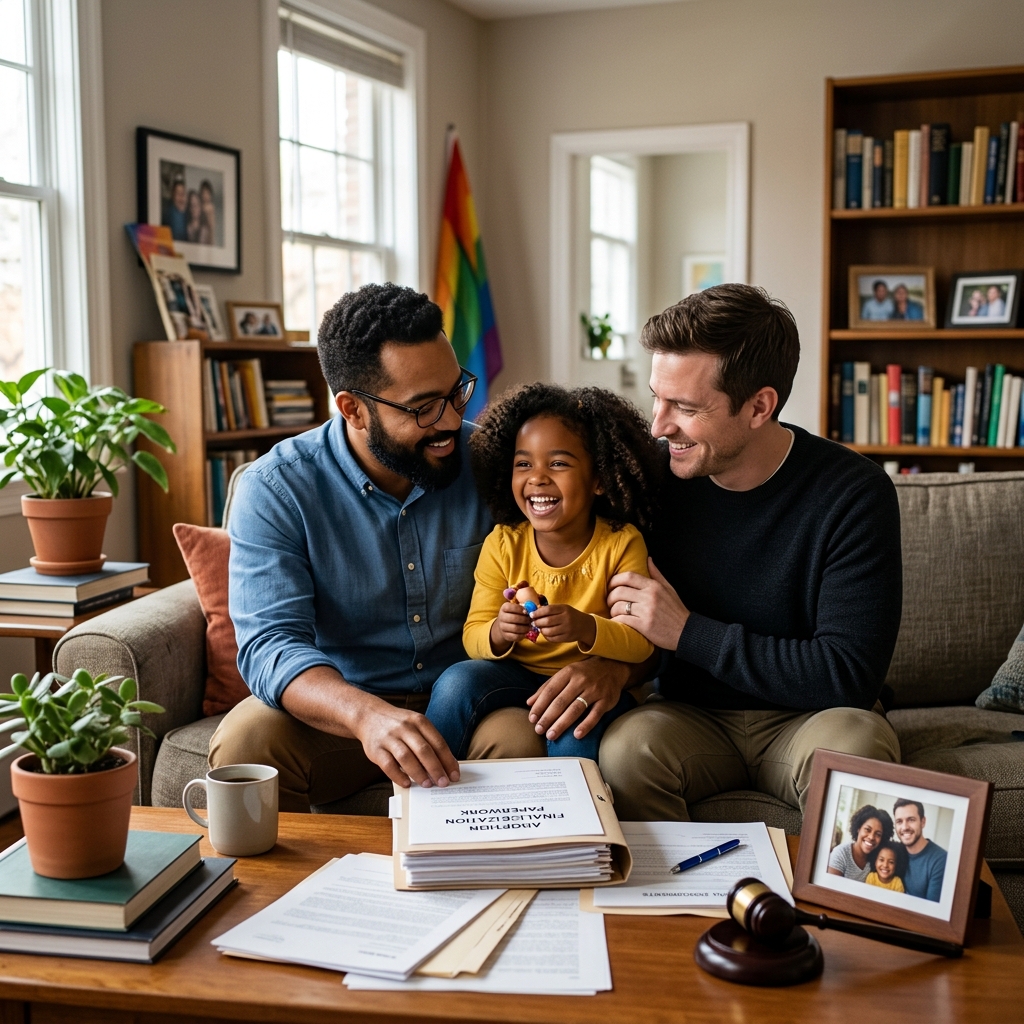
LGBTQ+ adults have become an increasingly visible part of the foster care and adoption landscape, yet the legal environment they navigate remains uneven and, in many places, uncertain. While same-sex marriage and related Supreme Court decisions have expanded family rights, those rulings did not automatically create a universal, protected right to adopt or foster. Instead, the experience of gay, lesbian, bisexual, transgender, and queer parents still depends heavily on state law, agency policy, and the attitudes of individual decision-makers.
This article explores the major legal and practical issues LGBTQ+ adoptive and foster parents face in the United States today, highlights the impact of discrimination on families and children, and outlines concrete strategies for strengthening and protecting parental rights.
Understanding the Legal Landscape for LGBTQ+ Adoption
To understand what LGBTQ+ adoptive parents encounter, it is helpful to separate three related but distinct layers of law and policy:
- Constitutional rights related to marriage and parentage.
- State statutes and regulations governing foster care and adoption.
- Agency policies and judicial practices that affect how the rules are applied day-to-day.
Supreme Court decisions such as Obergefell v. Hodges (recognizing same-sex marriage) and subsequent rulings on birth certificates and adoption have strengthened protections for married same-sex parents in many contexts. However, these decisions do not explicitly guarantee that LGBTQ+ individuals and couples will be treated equally when applying to foster or adopt. As a result, there is a patchwork of protections across the country.
| Legal Dimension | Typical Protection for LGBTQ+ Parents | Key Limitations |
|---|---|---|
| Marriage & parentage | Equal recognition for married same-sex couples in many states. | Unmarried couples and non-biological parents may lack automatic protections. |
| Adoption & foster care statutes | Some states prohibit discrimination based on sexual orientation or gender identity in foster care and adoption. | Numerous states still allow agencies to turn away LGBTQ+ applicants or are silent on discrimination. |
| Agency and court practices | Growing recognition of LGBTQ+ families and youth in many jurisdictions. | Persistent bias and inconsistent application of protections, especially in child welfare systems. |
Academic and policy research has repeatedly documented that, despite legal gains, LGBTQ+ foster and adoptive parents remain underutilized and sometimes actively excluded by systems that still favor heterosexual and cisgender families.
Where Discrimination Still Occurs
Formal legal barriers have declined since the 1970s, when most agencies simply refused to work with openly LGBTQ+ adults. Yet discrimination and stigma continue in more subtle and complex ways.
Agency-Level Barriers and Religious Exemptions
Research from Yale Law School’s Global Health Justice Partnership notes that only a minority of states explicitly forbid discrimination against LGBTQ+ individuals seeking to foster or adopt through their statutes, regulations, or official policies. At the same time, multiple states have passed laws that allow agencies to decline services to prospective parents on religious grounds, which can include objections to sexual orientation or gender identity.
These policies can produce several practical consequences:
- Turned-away applicants: Otherwise qualified LGBTQ+ couples may be rejected outright, reducing the pool of homes available for children in care.
- Longer stays in foster care: When agencies can exclude families, children may spend more time waiting for permanent placements.
- Unequal access to services: LGBTQ+ parents may need to seek out specific agencies that are known to be welcoming, limiting their choices.
Additionally, the Supreme Court’s decision in Fulton v. City of Philadelphia raised questions about how far religiously affiliated child welfare agencies can go in declining to work with LGBTQ+ parents under the banner of religious freedom, leaving a degree of legal uncertainty.
Bias in Courts and Child Welfare Systems
Even where the law is formally neutral, LGBTQ+ parents can encounter bias at multiple points in the process.
- Caseworkers and agency staff: Studies describe agencies that are disorganized or insensitive to same-sex couples’ needs, leading to miscommunication and additional stress.
- Judges and legal actors: Research has documented cases where judges, attorneys, or other legal professionals scrutinize or delay LGBTQ+ adoptions, sometimes based on stereotypes rather than evidence.
- Birth families and community members: Some LGBTQ+ adopters report resistance or hostility from birth relatives, schools, or community institutions that influences how their cases are perceived.
One study of foster-to-adopt families found that nearly one-third of participants described a sense of “legal insecurity” about whether they would ultimately be allowed to adopt their foster children, with same-sex couples particularly concerned that homophobic decision-makers could derail their cases.
Impact on LGBTQ+ Foster and Adoptive Parents
Legal and institutional barriers do not exist in the abstract; they shape how families live, plan, and relate to children in their care. Both qualitative research and policy analyses highlight several recurring themes for LGBTQ+ parents.
Stress, Uncertainty, and Attachment
For couples pursuing foster-to-adopt placements, uncertainty about whether adoption will be approved can affect emotional well-being and parenting. When parents fear that their sexual orientation or gender identity might be used against them, they may feel:
- Heightened anxiety about court dates, home studies, or caseworker visits.
- Vulnerability to scrutiny, especially if they anticipate encounters with homophobic authority figures.
- Strain on attachment to their foster children, as some worry about the pain of losing a child if an adoption is denied.
These pressures compound the stress that all foster and adoptive parents experience when caring for children who may have significant trauma histories or uncertain legal futures.
Navigating Systems Without Clear Guidance
Many prospective LGBTQ+ parents report confusion about whether they will have equal rights and protections. Because laws vary, and agency staff may not be well trained on LGBTQ+ issues, parents can struggle to find straightforward guidance.
Common challenges include:
- Unclear information about second-parent or stepparent adoption options for non-biological parents.
- Mixed messages from different agencies or professionals about whether sexual orientation or gender identity will affect approval.
- Lack of visible, affirming support networks to help interpret legal advice and share lived experience.
Effects on Children in LGBTQ+ Adoptive Families
Opposition to LGBTQ+ adoption often invokes concerns about children’s outcomes. However, empirical research consistently finds that children raised by lesbian and gay parents develop similarly to those raised by heterosexual parents on key measures such as psychological adjustment, social functioning, and academic performance.
Children’s Experiences and Strengths
Studies of youth adopted from foster care by lesbian and gay parents show that these children often report several distinctive strengths:
- Greater acceptance of difference: Many youth perceive themselves as more open and accepting of others because of their family experience.
- Heightened empathy and compassion: Some describe a deeper understanding of diversity and marginalization, which can foster resilience and social awareness.
- Positive relationships with parents: Overall, research indicates similar levels of warmth, support, and family cohesion compared to children in heterosexual adoptive families.
At the same time, children in LGBTQ+ adoptive families may encounter specific challenges, including teasing or bullying related to their parents’ sexual orientation. Effective support from schools, agencies, and families can mitigate these risks and promote healthy development.
Why Inclusive Policies Benefit Children
Policy organizations emphasize that fully including LGBTQ+ adults as foster and adoptive parents expands the pool of stable, loving homes available for children, particularly older youth and those with special needs who often wait the longest for permanency. When systems deny or discourage LGBTQ+ applicants, children lose potential pathways out of foster care, contributing to longer stays and repeated placements.
Protecting Parental Rights: Practical Legal Strategies
Given the uneven legal environment, many LGBTQ+ families take proactive steps to clarify and protect their parental rights. Legal organizations and child welfare advocates consistently recommend a combination of documentation and formal adoption measures, especially for non-biological parents.
Formalizing Parent-Child Relationships
Key strategies include:
- Second-parent adoption: A legal process that allows a non-biological parent in a same-sex couple to adopt a child without terminating the existing parent’s rights, thereby giving both adults full legal parent status.
- Stepparent adoption: In some jurisdictions, a married partner who is not the child’s biological parent can adopt through simplified procedures, which may be available to same-sex spouses.
- Co-parenting or parenting agreements: Written documents that spell out each adult’s role, responsibilities, and intentions regarding the child, which can support clarity and demonstrate mutual recognition as parents, even if they do not create full legal rights by themselves.
Because laws governing second-parent and stepparent adoption vary widely, and some states still restrict these options for unmarried LGBTQ+ couples, families are strongly advised to consult experienced family law attorneys who understand local rules.
Planning Ahead for Mobility and Life Changes
Another critical consideration is that families often move, change jobs, or experience relationship shifts over time. Legal protections that exist in one state may not be automatically recognized in another.
LGBTQ+ adoptive parents can reduce risk by:
- Obtaining court orders of adoption or parentage that are more likely to be honored across state lines.
- Keeping copies of judgments, adoption decrees, and parenting agreements readily accessible for schools, medical providers, and travel.
- Reviewing legal arrangements when relocating, separating, or entering new relationships, to ensure that children remain securely connected to the adults who care for them.
How Agencies and Professionals Can Better Support LGBTQ+ Parents
Child welfare agencies and legal professionals play a central role in shaping the experience of LGBTQ+ adoptive parents. Research and practice guidance outline several concrete steps that institutions can take to increase safety, fairness, and support.
Creating Inclusive, Safe Environments
Recommendations for agencies include:
- Explicit anti-discrimination policies: Adopting clear rules that protect LGBTQ+ applicants from bias, and enforcing them consistently.
- Inclusive training and messaging: Opening trainings and meetings with affirming statements, and addressing discriminatory language or behavior immediately when it occurs.
- Respectful communication: Using correct names and pronouns, avoiding assumptions about family structure, and demonstrating understanding of LGBTQ+ identities and experiences.
Building Trusting Relationships with Families
Successful partnerships between agencies and LGBTQ+ parents are rooted in transparency and mutual respect. Staff can strengthen these relationships by:
- Discussing potential challenges openly during initial assessments and explaining how the agency will help navigate them.
- Exploring how parents manage homophobia or transphobia in their communities, and offering tools to support children who may witness or experience bias.
- Maintaining consistent communication throughout the foster or adoption process, so families are not left in the dark about key decisions.
Policy reports also encourage agencies to create resources that help LGBTQ+ people understand and navigate foster care and adoption services, as well as to connect them with peer support groups and community organizations.
Frequently Asked Questions (FAQs)
Do LGBTQ+ adults have a guaranteed right to adopt in the United States?
No. While many states permit LGBTQ+ individuals and couples to adopt, there is no nationwide, constitutionally protected right to adoption. State laws and agency policies vary, and some jurisdictions still allow agencies to discriminate based on sexual orientation or gender identity.
Are children raised by same-sex parents at a disadvantage?
Current research indicates that children raised by lesbian and gay parents generally develop in ways that are very similar to children raised by heterosexual parents on major psychological and social measures. Some youth report unique strengths, such as greater acceptance and empathy, even though they may face bullying or stigma related to their family.
Why is second-parent adoption important for LGBTQ+ families?
Second-parent adoption gives a non-biological parent full legal parental status alongside the existing parent, which can be critical in situations involving medical care, inheritance, custody disputes, or relocation. Without it, a non-biological parent may have limited or no enforceable rights, even if they function as a parent in daily life.
Can agencies legally refuse to work with LGBTQ+ adoptive parents?
In some states, laws allow child welfare agencies, particularly religiously affiliated ones, to decline applications from LGBTQ+ adults based on religious or moral objections. Other states explicitly prohibit such discrimination. The legality of these practices continues to be tested and debated in courts and legislatures.
How can LGBTQ+ prospective parents find supportive agencies?
Prospective parents can look for agencies that publicly commit to serving LGBTQ+ families, ask direct questions about anti-discrimination policies, and seek referrals from local LGBTQ+ organizations or support groups. Advocacy and resource groups often maintain lists or informal networks of affirming agencies and professionals.
References
- Gay and Lesbian Adoptive Parents: Issues and Concerns — FindLaw. 2023-01-10. https://www.findlaw.com/family/adoption/gay-and-lesbian-adoptive-parents-issues-and-concerns.html
- Challenges and Experiences of Heterosexual and Same-Sex Foster-to-Adopt Parents — Brodzinsky, D.M. et al., Children and Youth Services Review. 2012-11-01. https://pmc.ncbi.nlm.nih.gov/articles/PMC3514879/
- Understanding and Supporting LGBTQ+ Foster and Adoptive Parents — Families Rising (formerly North American Council on Adoptable Children). 2021-06-01. https://wearefamiliesrising.org/resource/understanding-and-supporting-lgbtq-foster-and-adoptive-parents/
- Youth Perspectives on Being Adopted from Foster Care by Lesbian and Gay Parents — Farr, R.H. et al., Adoption Quarterly. 2017-03-01. https://psychology.as.uky.edu/sites/default/files/faculty_publications/Cody,%20Farr,%20et%20al%202017%20AdoptUSKids%20youth%20w%20LGBTQ%20parents,%20AQ.pdf
- Foster and Adoptive Families for LGBTQ+ Youth — Yale Law School, Global Health Justice Partnership. 2021-09-01. https://law.yale.edu/sites/default/files/area/center/ghjp/documents/yes-state-of-knowledge-sheet-5-foster-and-adoptive-families-for-lgbtq-youth.pdf
- Adoption Policy Analysis: LGBTQ Families — Movement Advancement Project. 2023-05-01. https://mapresearch.org/policy-and-issue-analysis/adoption/
Similar Articles








Read full bio of medha deb


