
Lawn Mower Injuries: Legal Rights and Recovery Options
Discover if you can pursue compensation after a lawn mower accident, from negligence claims to product defects and essential safety tips.
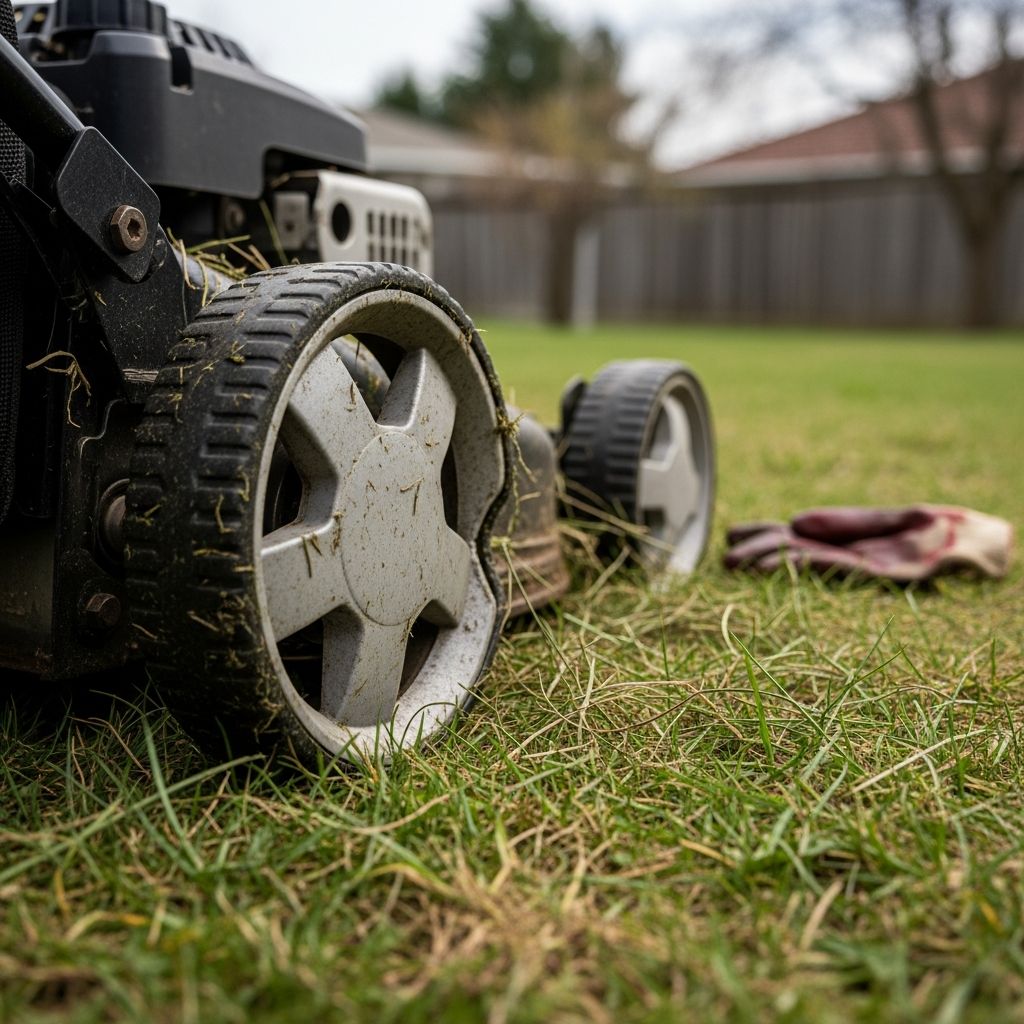
Every year, tens of thousands of individuals suffer severe harm from lawn mower accidents, ranging from deep cuts and broken bones to life-altering amputations and deaths. These incidents often stem from operator error, faulty equipment, or hazardous conditions, opening doors to legal recourse for victims seeking financial recovery.
The Alarming Scope of Lawn Mower-Related Harm
Lawn mowers, while essential for property upkeep, pose significant risks that lead to substantial medical emergencies across the United States. Data reveals a persistent pattern of injuries, predominantly affecting hands, feet, and lower extremities due to the machinery’s powerful blades and heavy build.
From 2006 to 2013, emergency departments handled an estimated 51,151 lawn mower injury cases, averaging about 6,394 per year, with lacerations accounting for 46.7% of incidents, fractures 22.4%, and amputations a stark 21.5%. Broader figures from 2005-2015 show 934,394 treatments in U.S. emergency rooms, or roughly 84,944 annually, underscoring the issue’s scale. The Consumer Product Safety Commission (CPSC) reported over 80,000 injuries in 2014 alone, with totals exceeding 100,000 when including related power equipment.
Demographics highlight vulnerabilities: 85.2% of cases involve men, 33.7% occur on weekends, and most (81.7%) happen from April to September. Children face disproportionate risks, with around 9,400 under 18 treated yearly, including 600 annual amputations for those under 10, making lawn mowers the top cause of major limb loss in this group. Adults see about 35,000 treatments annually. Fatalities average 95 per year, with roughly 75 deaths reported.
| Injury Type | Percentage of Cases (2006-2013) | Common Body Areas |
|---|---|---|
| Lacerations | 46.7% | Hand/Wrist (65.4% overall) |
| Fractures | 22.4% | Foot/Toe (19.8% overall) |
| Amputations | 21.5% | Lower Extremity (6.5% overall) |
Average costs are steep: $2,482 per emergency visit and $36,987 for inpatient stays, adjusted for inflation. These numbers emphasize why understanding liability is crucial for affected families.
Primary Causes Behind These Preventable Tragedies
Many lawn mower mishaps trace back to preventable factors, categorized into human actions, equipment failures, and environmental hazards. Blades spinning at high speeds—equivalent to a .357 magnum impact—amplify dangers when safety protocols lapse.
- Operator Mistakes: Common errors include flipping mowers without disengaging blades, mowing barefoot or in loose attire, or operating under impairment from alcohol or fatigue. Children nearby or riding as passengers heighten rollover and runover risks.
- Mechanical Defects: Faulty brakes, unstable designs in zero-turn models, or blade guards that fail can cause sudden accelerations or ejections.
- External Factors: Wet grass, steep slopes, or debris like rocks propelled as projectiles contribute to losses of control.
Particularly with riding mowers, tip-overs and runaway incidents crush operators or bystanders, while push mowers snag toes under decks.
Navigating Liability: Who Pays for the Damage?
Determining fault is key to compensation. Liability falls under negligence, product liability, or premises rules, often overlapping in complex cases.
Negligence by Users or Property Owners
If a homeowner or operator fails reasonable care—such as allowing unsupervised kids near operation or neglecting maintenance—they may face claims. For instance, a parent leaving a young child alone with a running mower could be negligent if injury results. Property owners hosting landscaping services bear duties to warn of hazards like uneven terrain.
Holding Manufacturers Accountable for Defects
Product liability targets makers when design flaws, manufacturing errors, or inadequate warnings cause harm despite proper use. Strict liability applies, meaning victims need not prove negligence—just defect and causation. Examples include mowers without auto-brake on blade disengagement or prone to unintended starts. A $2.5 million settlement for burn injuries from a defective riding mower illustrates potential recoveries.
Third-Party Responsibilities
Landscapers or repair shops may be liable for improper servicing leading to failures. Employers could cover workers’ injuries under specific state laws.
Building a Strong Case for Financial Compensation
Successful claims hinge on evidence gathering, timely action, and expert guidance. Victims can pursue economic damages (medical bills, lost income) and non-economic ones (pain, disfigurement), plus punitive awards in egregious defect cases.
- Immediate Steps Post-Incident: Seek medical care, document injuries with photos, preserve the mower, and report to authorities like CPSC for recalls.
- Gathering Proof: Witness accounts, maintenance logs, expert reconstructions of failures, and medical records build causation links.
- Statute Limitations: Most states mandate filing within 1-3 years; delays bar recovery.
Cases often settle pre-trial, but litigation exposes corporate negligence, as in ongoing appeals over ejection injuries.
Proven Strategies to Minimize Risks
Prevention slashes odds of catastrophe through adherence to guidelines from bodies like the CPSC and American Academy of Pediatrics.
- Operate only mowers matching age and training; never allow under-12s on ride-ons.
- Inspect for damage, clear debris, and use PPE like steel-toe boots and eyewear.
- Disengage blades before tilting, avoid slopes over 15 degrees, and refuel off-engine.
- Supervise children rigorously; mow when absent.
Zero-turn models demand extra caution due to agility-related tip risks.
Real-World Examples of Justice Served
Courts have awarded millions: A Milwaukee case yielded $2.5 million for burns from a flawed riding mower. Children’s amputations have prompted settlements against parents or firms, while product suits forced recalls improving safety.
Frequently Asked Questions About Lawn Mower Injuries
Can I sue the mower manufacturer if it malfunctioned?
Yes, under product liability if a defect caused injury during normal use; no fault proof needed.
What if a child was hurt by a neighbor’s mower?
Parents or operators may owe negligence duties; claims succeed with supervision proof lapses.
Are zero-turn mowers more dangerous?
They pose higher rollover risks without proper handling, per incident reports.
How much compensation might I receive?
Varies by injury severity; averages cover bills plus lost wages, with multimillion verdicts possible.
Should I report to CPSC?
Absolutely; aids investigations and potential recalls benefiting public safety.
References
- Lawn Mower Accidents in Pennsylvania and Product Liability Claims for Legal Compensation — Needle Law Firm. 2014. https://www.needlelawfirm.com/lawn-mower-accidents-in-pennsylvania-and-product-liability-claims-for-legal-compensation/
- Incidence, Distribution, and Cost of Lawn-Mower Injuries in the United States — National Center for Biotechnology Information (PMC). 2018-09-04. https://pmc.ncbi.nlm.nih.gov/articles/PMC6134564/
- Strange True Personal Injury Cases: Lawnmower Accidents — Reiff Law Firm. N/A. https://www.reifflawfirm.com/strange-true-personal-injury-cases-lawnmower-accidents/
- Lawn Mower Injuries Are More Common Than You Think — Integra LifeSciences Tissue Technologies. N/A. https://tissuetechnologies.integralife.com/lawn-mower-injuries-are-more-common-than-you-think/
- Lawn Mower Accidents: What to look for and Different Potential Claims — CED Technologies. N/A. https://www.cedtechnologies.com/lawn-mower-accidents/
- Compensation for Riding Lawnmower Accidents (Product Liability) — Warshafsky Law Firm. N/A. https://www.warshafsky.com/settlement/lawnmowerproductliability/
- Injuries That Should Never Happen: Preventing Lawn Mower Tragedies — Case Management Society of America. 2022. https://cmsa.org/injuries-that-should-never-happen-preventing-lawn-mower-tragedies-through-advocacy-and-education/
Similar Articles








Read full bio of medha deb


