When a Lockout Becomes a Legal Problem
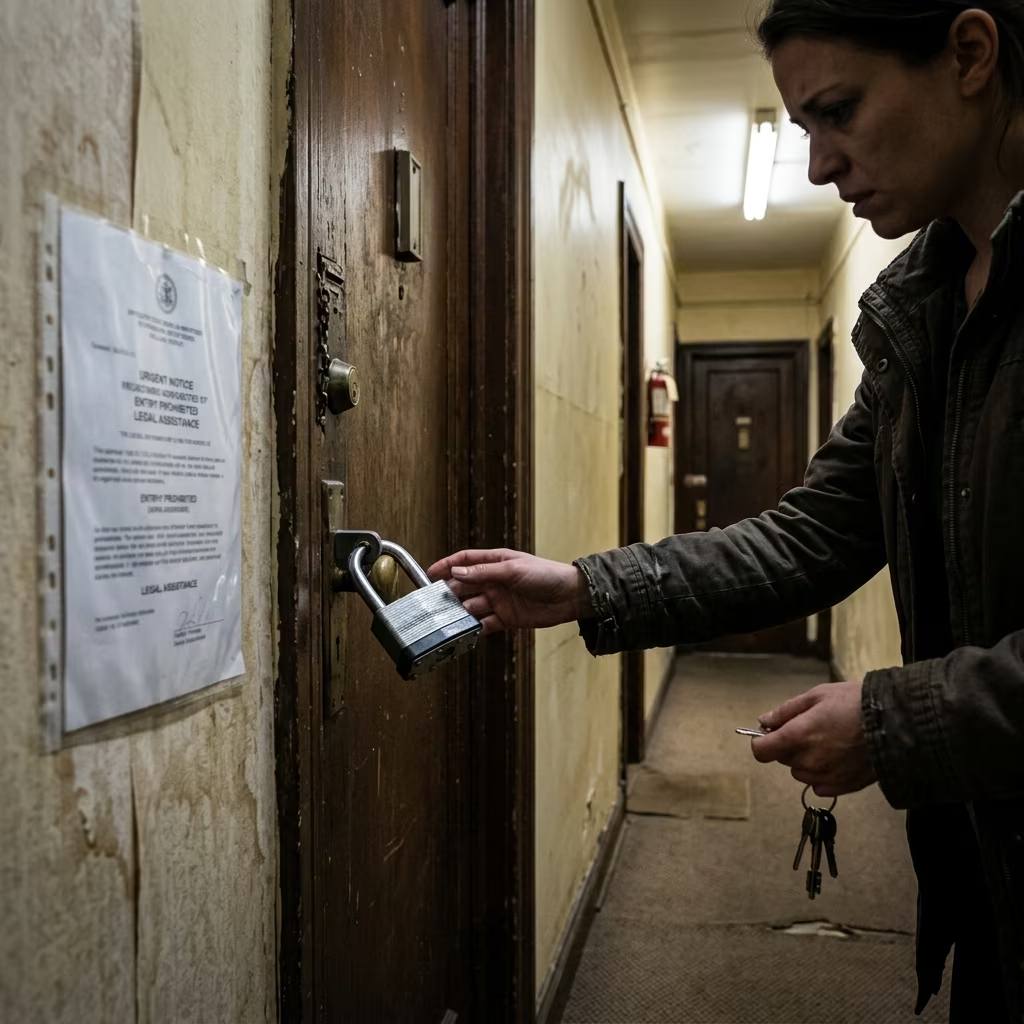
A landlord cannot simply change the locks and force a tenant out because rent is late, a lease is ending, or a dispute has started. In most places, removing a tenant requires a court process, and any attempt to bypass that process can be treated as an illegal lockout. That matters because a lockout is not just an inconvenience; it can cut off housing, possessions, medications, documents, and access to work or school.
The central rule is simple: if a tenant still has lawful possession of the rental home, the landlord generally must use the formal eviction system rather than self-help methods. Self-help lockouts usually include changing locks, shutting off utilities, removing doors, blocking entry, or putting a tenant’s belongings outside. These actions are typically prohibited unless a specific local law says otherwise and strict conditions are met.
How a Lawful Eviction Is Supposed to Work
Although the exact steps vary by state and city, a lawful eviction usually begins with written notice. The landlord may have to give the tenant a chance to pay rent, correct a lease violation, or move out by a deadline. If the problem is not fixed, the landlord must then file a court case. The tenant gets served with court papers and has the chance to respond.
If the landlord wins, the court may issue an order allowing the sheriff, marshal, or other authorized officer to remove the tenant. In many jurisdictions, only that official process can end the tenancy and force a move-out. A landlord who skips those steps and changes the locks anyway may be violating housing law, landlord-tenant statutes, and possibly local tenant-protection ordinances.
Signs the Lockout May Be Illegal
A lockout is often unlawful when the landlord acts without a court order or uses pressure tactics to make the tenant leave. Common warning signs include:
- the locks were changed while the tenant was away;
- the landlord refused to provide a new key;
- utilities were disconnected to drive the tenant out;
- belongings were moved outside or threatened with disposal;
- police were called to remove the tenant without a court order; or
- the tenant was told to leave immediately even though no judge authorized removal.
In some states, a temporary lockout may be allowed in limited situations, such as a narrow rent-related remedy, repairs, emergencies, or abandonment. Even then, the landlord usually must follow very specific notice rules and give the tenant access to the unit and belongings. If those safeguards are missing, the lockout may still be illegal.
What to Do Right Away
The first priority is safety and proof. If you are locked out, gather anything that shows you live there: a lease, rent receipts, utility bills, mail addressed to you, a driver’s license, or photos of your belongings inside the unit. If you have digital copies, keep them accessible on your phone or in email. If you are facing an emergency, contact local law enforcement or the local housing authority and explain that you were locked out without a court order.
It also helps to document the scene. Take photos of the new locks, posted notices, broken doors, or removed property. Write down the date and time, the names of any witnesses, and exactly what the landlord said. If the landlord sent texts, emails, or voicemails, save them. That record can become crucial if you later ask a court to order immediate re-entry or seek damages.
How Tenants Can Challenge an Illegal Lockout
Many states offer fast court relief for people who are locked out unlawfully. One common remedy is an emergency petition asking a judge to order the landlord to restore access. Some states call this a writ of re-entry or similar emergency order. The goal is to get the tenant back into the home quickly, often before the underlying eviction dispute is fully resolved.
If the police are reluctant to intervene, a court filing may be the next step. A tenant can usually ask for immediate access, return of property, and in some cases temporary protection against further interference. Local legal aid offices, tenant unions, and housing clinics often help prepare these filings. The faster the tenant acts, the more likely it is that the court can prevent further harm.
Possible Money Claims and Other Remedies
An illegal lockout can support a claim for money damages. Depending on the state, a tenant may be able to recover actual losses such as hotel bills, replacement costs, lost wages, or damage to property. Some laws also allow statutory penalties, court costs, and attorney’s fees. In a few jurisdictions, the tenant may recover additional rent-based penalties for unlawful entry or wrongful exclusion.
These claims can matter even after the tenant gets back inside. A brief lockout can still cause serious harm, especially if medications, children’s items, work tools, or important records are trapped inside. A tenant may also have a separate claim if the landlord damaged property, entered without notice, or retaliated after a complaint was made. Because remedies vary widely by state, the legal value of the case often depends on local landlord-tenant law.
Can the Tenant End the Lease?
In some places, an illegal lockout may give the tenant the right to treat the lease as ended or to move out without further obligation. That is not automatic everywhere, and the rules can depend on how severe the landlord’s conduct was. Still, when a landlord makes the home unlivable or inaccessible, tenants may be able to argue that the landlord has seriously breached the rental agreement.
Before leaving permanently, it is wise to get advice from a lawyer or legal aid program if possible. Ending the lease can affect the tenant’s right to recover damages, and the wrong move can create a dispute over unpaid rent or abandonment. A short consultation can help determine whether the tenant should stay, seek emergency re-entry, or document a constructive eviction or lease termination claim.
What Evidence Matters Most
| Evidence Type | Why It Helps |
|---|---|
| Lease or rental agreement | Shows the tenant had permission to occupy the unit |
| Rent receipts or bank records | Supports proof of an ongoing tenancy and payment history |
| Utility bills or mail | Helps confirm the address as the tenant’s residence |
| Photos and videos | Documents changed locks, damage, notices, or removed property |
| Texts, emails, and voicemails | Shows what the landlord said and when the lockout happened |
| Police or incident reports | Creates an official record of the lockout attempt |
Strong evidence can make the difference between a quick restoration of possession and a prolonged dispute. If possible, save backup copies in case your phone is lost, seized, or damaged during the dispute.
How to Reduce the Risk of Future Problems
Tenants can lower the chance of a lockout dispute by keeping written records of rent payments, reporting repair issues in writing, and saving all notices from the landlord. It also helps to keep important documents in a secure place and to know the name and contact number of local legal aid or tenant-assistance organizations before a conflict arises.
For landlords, the lesson is equally clear: a frustrated owner still must follow the legal eviction process. A lockout may seem like a shortcut, but it can expose the landlord to damages, penalties, and court orders requiring immediate re-entry. The safer path is to use notice, file the case, obtain the necessary judgment, and let the authorized officer carry out the removal.
Frequently Asked Questions
Is a landlord allowed to lock me out for not paying rent?
Usually not without following the law. In most jurisdictions, a landlord must still use the court eviction process. A few states allow limited rent-related lockouts, but only under strict rules and with access to the unit and a key.
Can police force the landlord to let me back in?
Sometimes police will help if you can prove you live there and explain that no court order authorized the lockout. In other situations, police may say the dispute is civil and direct you to court. If that happens, emergency court relief may be the fastest option.
What if my belongings are still inside?
You should immediately document what is missing and ask for access. Do not assume the landlord may dispose of your property. Many laws protect a tenant’s belongings, and wrongful disposal can create an additional claim.
Do I need a lawyer?
A lawyer is helpful, especially if you need emergency access or expect a damages claim. However, many courts and legal aid programs provide forms and guidance for tenants who need to act quickly.
Can I sue after I get back inside?
Yes. Regaining access does not erase the harm. A tenant may still be able to seek compensation for losses caused by the unlawful lockout.
Practical Steps in Order
- prove that you are the lawful tenant;
- ask the landlord to restore access immediately;
- call police or local housing officials if needed;
- take photos and save all messages and notices;
- contact legal aid or a tenant lawyer;
- seek emergency court relief if the landlord refuses to cooperate; and
- consider a damages claim if you suffered financial loss.
Acting quickly can reduce damage and strengthen your case. The law generally favors formal eviction procedures, not private retaliation or locked doors, and tenants often have meaningful remedies when a landlord ignores that rule.
References
- Illegal Lockout — City of Los Angeles Housing Department. 2026-07-09. https://housing.lacity.gov/residents/illegal-lockout
- Illegal Evictions — Oregon Law Help. 2026-07-09. https://oregonlawhelp.org/topics/housing/rental-housing/evictions-termination-notices-and-landlord-lockouts/illegal-evictions
- When Tenants Get Locked Out — Texas Law Help. 2026-07-09. https://texaslawhelp.org/article/when-tenants-get-locked-out
- Eviction Cases in California — California Courts Self Help Guide. 2026-07-09. https://selfhelp.courts.ca.gov/eviction
- Lockouts – Landlord/Tenant Law — Texas State Law Library. 2026-07-09. https://guides.sll.texas.gov/landlord-tenant-law/lockouts
- Illegal Evictions — Legal Services of New Jersey. 2026-07-09. https://proxy.lsnj.org/rcenter/GetPublicDocument/Sites/LAW/Documents/Publications/Flyers/RightsIllegalEvictionsEnglish.pdf