
Identity Theft: Practical Guide to Prevention and Recovery
Learn how identity theft happens, how to spot the warning signs early, and the exact steps to protect yourself and recover if you are a victim.
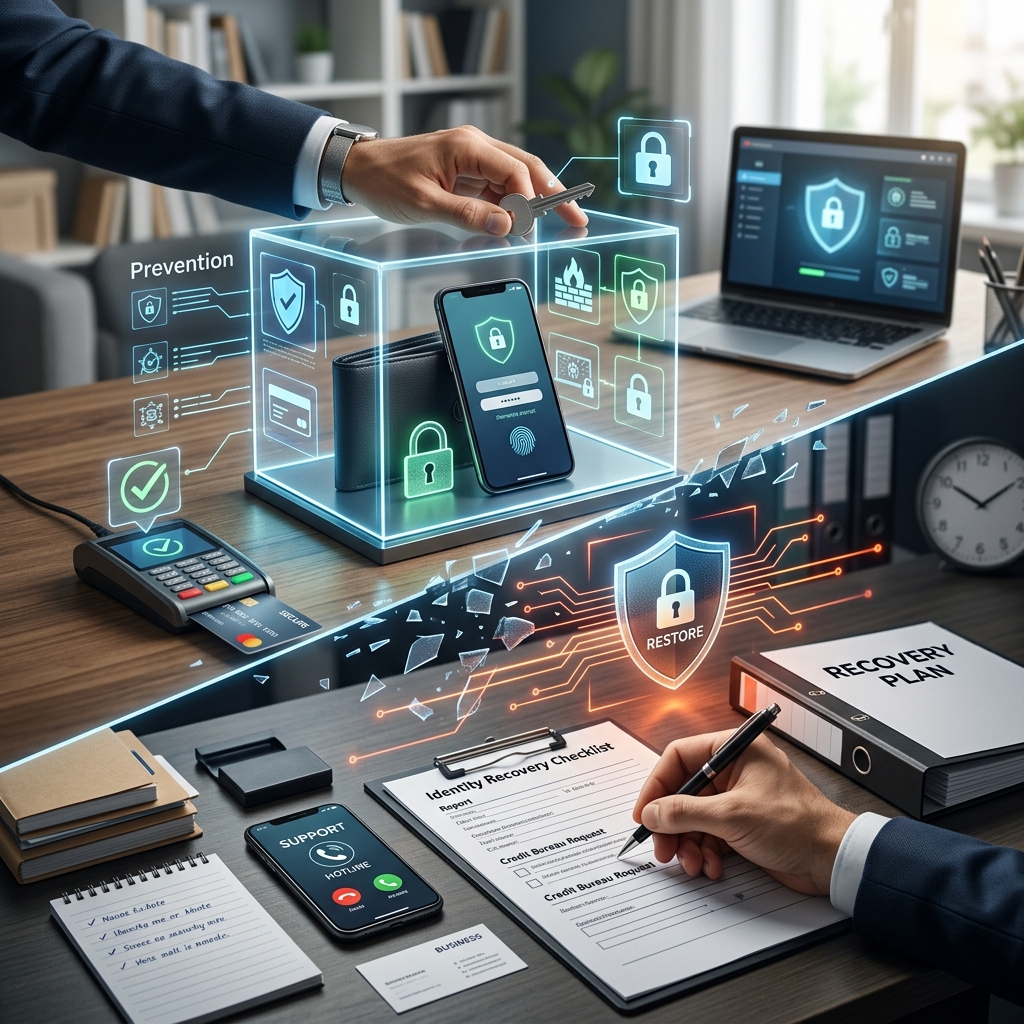
Identity theft is one of the most common financial and privacy threats facing individuals and families today. It occurs when someone uses your personal or financial information without your permission, often to open accounts, make purchases, or commit other fraud in your name. This guide explains how identity theft works, how to detect it quickly, and the most effective steps to prevent and respond to it using trusted U.S. resources.
What Identity Theft Is and Why It Matters
At its core, identity theft involves the misuse of information that uniquely identifies you. This can include:
- Your full name and address
- Social Security number
- Date of birth
- Driver’s license or passport number
- Bank account and routing numbers
- Credit card numbers and security codes
- Online account usernames and passwords
Criminals use this information to impersonate you and gain access to money, benefits, credit, or services. The consequences can include damaged credit, denied loans, collection calls for debts you do not owe, and months or years spent clearing your name.
Common Forms of Identity Theft
Identity theft can affect almost every part of your financial and online life. Some of the most frequent types include:
- Financial account fraud – Opening new credit cards, loans, or lines of credit in your name, or making purchases on existing accounts.
- Tax-related identity theft – Filing a fraudulent tax return using your Social Security number to claim a refund before you file.
- Government benefits fraud – Using your identity to obtain unemployment benefits, Social Security benefits, or other public assistance.
- Medical identity theft – Using your information to obtain medical services, prescriptions, or insurance reimbursements.
- Criminal identity theft – Providing your name to law enforcement during an arrest or investigation to hide the real offender.
- Child identity theft – Exploiting a minor’s Social Security number to open accounts or commit fraud, often going unnoticed for years.
How Identity Thieves Steal Your Information
Identity thieves employ both low-tech and sophisticated digital tactics. Understanding these methods helps you spot and block attempts before damage occurs.
Offline Tactics
- Mail theft – Stealing bank statements, new credit cards, or pre-approved offers from your mailbox.
- Dumpster diving – Searching through trash for bills, receipts, or documents containing personal data.
- Physical theft – Stealing wallets, purses, phones, or laptops that hold IDs and financial information.
- Shoulder surfing – Observing you enter PINs or passwords at ATMs, store checkouts, or public computers.
Online and Digital Tactics
- Phishing and smishing – Fake emails or text messages that impersonate banks, delivery companies, or government agencies to trick you into sharing passwords or account numbers.
- Malicious links and attachments – Messages that contain links or files designed to install malware on your device.
- Public Wi-Fi interception – Capturing unencrypted data transmitted over unsecured Wi-Fi networks, especially at public hotspots.
- Data breaches – Large-scale hacks of companies or institutions that store customer data, such as retailers, credit bureaus, or healthcare providers.
- Social media oversharing – Using details you publicly share (birthdays, addresses, family names) to guess passwords or answer security questions.
Early Warning Signs Your Identity May Be Compromised
Identity theft often goes undetected until a creditor or institution alerts you. Recognizing warning signs early gives you the best chance to limit harm.
| Area | Red Flag |
|---|---|
| Bills & Statements | Bills for accounts you never opened, missing monthly statements, or unfamiliar charges on existing accounts. |
| Credit & Loans | Unexpected denials of credit or loans, or notices of new accounts you did not request. |
| Debt Collection | Calls or letters from collectors regarding debts that are not yours. |
| Mail & Notices | Mail stopping suddenly, or letters from government agencies about benefits, taxes, or accounts you did not initiate. |
| Credit Reports | New credit lines, addresses, or employers listed on your credit history that you do not recognize. |
Proactive Strategies to Protect Your Identity
No method can eliminate risk entirely, but a combination of habits and tools dramatically reduces your chances of becoming a victim.
1. Guard Your Personal Information
- Limit what you carry: avoid carrying your Social Security card, passport, or unnecessary bank cards.
- Store sensitive documents (tax returns, birth certificates, financial records) in a secure place at home.
- Shred documents before discarding them, especially those with account numbers or personal details.
- Be cautious when sharing information over the phone, mail, or internet unless you initiated the contact and trust the recipient.
2. Strengthen Your Digital Security
- Use strong, unique passwords for each account, mixing length, letters, numbers, and symbols.
- Turn on multi-factor authentication (MFA) whenever available for email, banking, and social media.
- Keep your operating system, browsers, and apps updated to patch security vulnerabilities.
- Avoid entering sensitive data over public Wi-Fi; use a trusted network or a virtual private network (VPN).
- Do not click on unexpected links or attachments, even if they appear to come from people or institutions you know.
3. Monitor Your Financial Life
- Review bank and credit card statements every month for unfamiliar transactions.
- Order and review your credit reports regularly from the three nationwide credit bureaus (Equifax, Experian, TransUnion).
- Sign up for alerts from your bank or credit card company for large purchases, online transactions, or changes to account settings.
- Keep an eye on IRS and Social Security account information to catch signs of tax or benefits fraud.
4. Use Fraud Alerts and Credit Freezes Wisely
The U.S. offers tools that can help you protect your credit files:
- Fraud alert – Instructs lenders to take extra steps to verify your identity before opening new credit in your name. An initial fraud alert is free and lasts one year, and you only need to contact one of the three bureaus; it will notify the others.
- Credit freeze (security freeze) – Restricts most lenders from accessing your credit report, making it harder for new accounts to be opened. Freezes are generally free for consumers, and you can temporarily lift or remove them when needed.
Which you choose depends on your situation: a fraud alert is easier if you still apply for credit often, while a freeze provides stronger protection when you do not plan major new credit applications.
5. Protecting Children’s Identities
Because children typically do not use credit, fraud against them can go undetected for years. Parents and guardians can:
- Safeguard birth certificates, Social Security cards, and school records.
- Be cautious when sharing a child’s Social Security number with schools, camps, or medical providers; ask why it is needed and how it will be protected.
- Watch for credit offers, collection calls, or government notices in the child’s name.
- Consider checking with credit bureaus to see if a child has a credit file; if one exists without reason, it could signal identity theft.
Step-by-Step: What To Do If You Are a Victim
If you suspect identity theft, acting quickly can limit damage and speed up recovery. U.S. government agencies provide structured plans and free tools to help you.
1. Document What Happened
- Make a list of suspicious charges, accounts, or notices.
- Gather copies of statements, letters, emails, and any error messages.
- Record dates, times, and details of any phone calls with banks, lenders, or agencies.
2. Contact Affected Companies Immediately
- Call the fraud department of each company where the fraud occurred (banks, credit card issuers, retailers, utilities).
- Ask them to:
- Close or freeze affected accounts
- Reverse fraudulent charges when appropriate
- Send written confirmation of actions taken
3. Create an Official Identity Theft Report
- Go to IdentityTheft.gov, the Federal Trade Commission’s official portal for identity theft victims.
- Provide details of what happened; the system will generate:
- A personalized recovery plan
- Pre-filled letters and forms to send to creditors and credit bureaus
- An Identity Theft Report you can use as proof with banks and other institutions
4. Place a Fraud Alert or Credit Freeze
- Contact one of the three major credit bureaus to place a fraud alert or credit freeze on your credit file.
- Request free copies of your credit reports to review for additional unauthorized accounts or inquiries.
5. Report to Law Enforcement if Necessary
- Consider filing a report with your local police department, especially if your identity theft involves physical documents, stolen mail, or in-person impersonation.
- Bring:
- Your government-issued ID
- Proof of address
- Any evidence of the theft or fraud
- Your FTC Identity Theft Report, if available
6. Address Specific Types of Identity Theft
- Tax-related identity theft: If you suspect someone filed a tax return in your name, the IRS directs victims to its Identity Theft Central and may require you to complete Form 14039 (Identity Theft Affidavit).
- Benefits fraud: Contact the relevant agency (for example, state unemployment office or Social Security Administration) and follow its fraud reporting process.
- Criminal identity theft: If someone used your name during an arrest, work with law enforcement and possibly an attorney to correct records.
Building a Long-Term Recovery Plan
Restoring your identity and credit can take time. A deliberate, organized approach helps you move from crisis response to long-term stability.
- Continue checking credit reports and bank accounts regularly for at least a year after the incident.
- Update passwords and security questions on all major online accounts.
- Keep all documentation related to the case, including letters, reports, and confirmation numbers, in a dedicated folder.
- Consider using free alerts from your bank, credit card companies, or credit bureaus to track unusual activity.
- Educate family members, especially teenagers and older adults, about phishing and scam tactics so they do not become additional targets.
Frequently Asked Questions about Identity Theft
Is identity theft the same as a data breach?
No. A data breach occurs when a company or organization’s systems are accessed without authorization and personal data is exposed. Identity theft happens when someone actually uses that information to commit fraud. A breach increases your risk but does not always mean your identity has been stolen.
How often should I check my credit reports?
Consumer protection guidance encourages checking your credit reports regularly; many people review them at least once a year, and more frequently after a data breach or suspected fraud. Frequent checks help you detect unauthorized accounts early.
Will a credit freeze affect my credit score?
No. A credit freeze does not affect your credit score. It prevents most new lenders from accessing your report, which helps stop new accounts from being opened in your name without authorization. You can temporarily lift or remove the freeze when you need to apply for credit.
Is it safe to use public Wi-Fi for online banking?
Public Wi-Fi networks are generally not safe for sensitive activities like online banking or accessing medical portals because your data may be visible to others on the network. If you must use public Wi-Fi, use a reputable VPN and avoid entering passwords or financial information.
What should I do if my wallet or phone is stolen?
- Immediately contact your bank and credit card issuers to cancel cards and request replacements.
- If your phone is stolen, use remote lock or wipe features if available, and change passwords for key accounts (email, banking, social media) from another device.
- Monitor your statements and credit reports for unusual activity over the next several months.
- Consider placing a fraud alert or credit freeze on your credit file.
Can children really be victims of identity theft?
Yes. Criminals sometimes use a child’s Social Security number to open credit accounts, obtain loans, or commit other fraud, often unnoticed until the child applies for credit or financial aid years later. Protecting children’s information and watching for unusual mail or credit activity is an important part of family financial safety.
References
- Identity theft — USAGov. 2024-02-15. https://www.usa.gov/identity-theft
- Identity Theft Prevention and Mitigation Program — New York State Department of State. 2023-06-01. https://dos.ny.gov/identity-theft-prevention-and-mitigation-program
- Identity Theft Prevention Guide — Penn State University Ethics & Compliance. 2023-10-10. https://universityethics.psu.edu/privacy/protect-your-privacy/identity-theft-prevention-guide
- Help Prevent Identity Theft — Texas Office of the Attorney General. 2022-11-03. https://www.texasattorneygeneral.gov/consumer-protection/identity-theft/help-prevent-identity-theft
- Identity Theft — Federal Trade Commission, Consumer Advice. 2024-01-30. https://consumer.ftc.gov/identity-theft-and-online-security/identity-theft
- IdentityTheft.gov — Federal Trade Commission. 2024-01-10. https://www.identitytheft.gov/
- Identity Theft Central — Internal Revenue Service. 2024-02-23. https://www.irs.gov/identity-theft-central
Similar Articles








Read full bio of medha deb


