The holiday season is often described as a time of joy, togetherness, and celebration. Yet for many individuals living with domestic violence, this period can bring heightened fear, stress, and danger. Research and service providers note that intimate partner violence may intensify around major holidays, when financial pressures, alcohol use, family expectations, and close contact converge in ways that can escalate abusive behavior. This article explores why risk can increase, how survivors and loved ones can plan for greater safety, and what legal and community resources may be available.
Understanding Why Holidays Can Increase Risk
Domestic violence is a pattern of abusive behaviors used to gain power and control over a partner or family member. The holidays do not cause abuse; rather, existing abusive dynamics may worsen under added stressors. Agencies that serve survivors highlight several common factors that can make this time especially volatile.
- Financial strain: Gift-giving, travel, and holiday events can stretch budgets, and money disputes may trigger episodes of violence in already controlling relationships.
- Alcohol and substance use: Social gatherings often involve drinking, which can lower inhibitions and intensify aggression for people who already use violence.
- Expectations of a “perfect” holiday: Pressure from families, culture, or social media to create the ideal celebration can lead to conflict when reality does not match these expectations.
- Increased contact and isolation: Time off work and school means partners and family members spend more time together, sometimes in isolated spaces with fewer opportunities to reach out for help.
- Custody and visitation conflicts: For survivors who share children with an abusive partner, holiday schedules and exchanges can become flashpoints for harassment or harm.
Understanding these dynamics can help survivors and supporters anticipate risk and design realistic strategies to reduce harm.
Recognizing Warning Signs Before Holidays
Many abusive partners show patterns well before violence escalates. Advocacy organizations list common warning signs that may become more intense around holidays. These indicators can help friends, family, and survivors themselves identify a growing risk of harm.
| Behavior | How It May Show Up During Holidays |
|---|---|
| Controlling actions | Dictating how money is spent, who can attend family gatherings, or which traditions must be followed. |
| Isolation | Preventing contact with friends or relatives, cancelling plans, or insisting on spending all time alone together. |
| Verbal abuse | Humiliating a partner in front of guests, insulting their holiday preparations, or criticizing parenting. |
| Threats and intimidation | Using threats to force compliance with holiday demands or to control visitation with children. |
| Use of force | Escalating from yelling and shoving to more serious physical or sexual violence when conflicts arise. |
These behaviors are red flags at any time of year. When combined with seasonal stress, they may signal the need for enhanced safety planning, legal advice, or emergency support.
Building a Holiday Safety Plan
A safety plan is a personalized, practical strategy for staying as safe as possible in an abusive situation, whether the survivor is planning to stay, leave, or is unsure. National and local organizations emphasize that effective plans are specific to each person’s circumstances, including children and pets.
Core Elements of a Personal Safety Plan
- Identify a safer space: Choose a room with an exit and no weapons where you can move if tensions rise. For some survivors, this might be a living room near an exterior door rather than a kitchen with sharp objects.
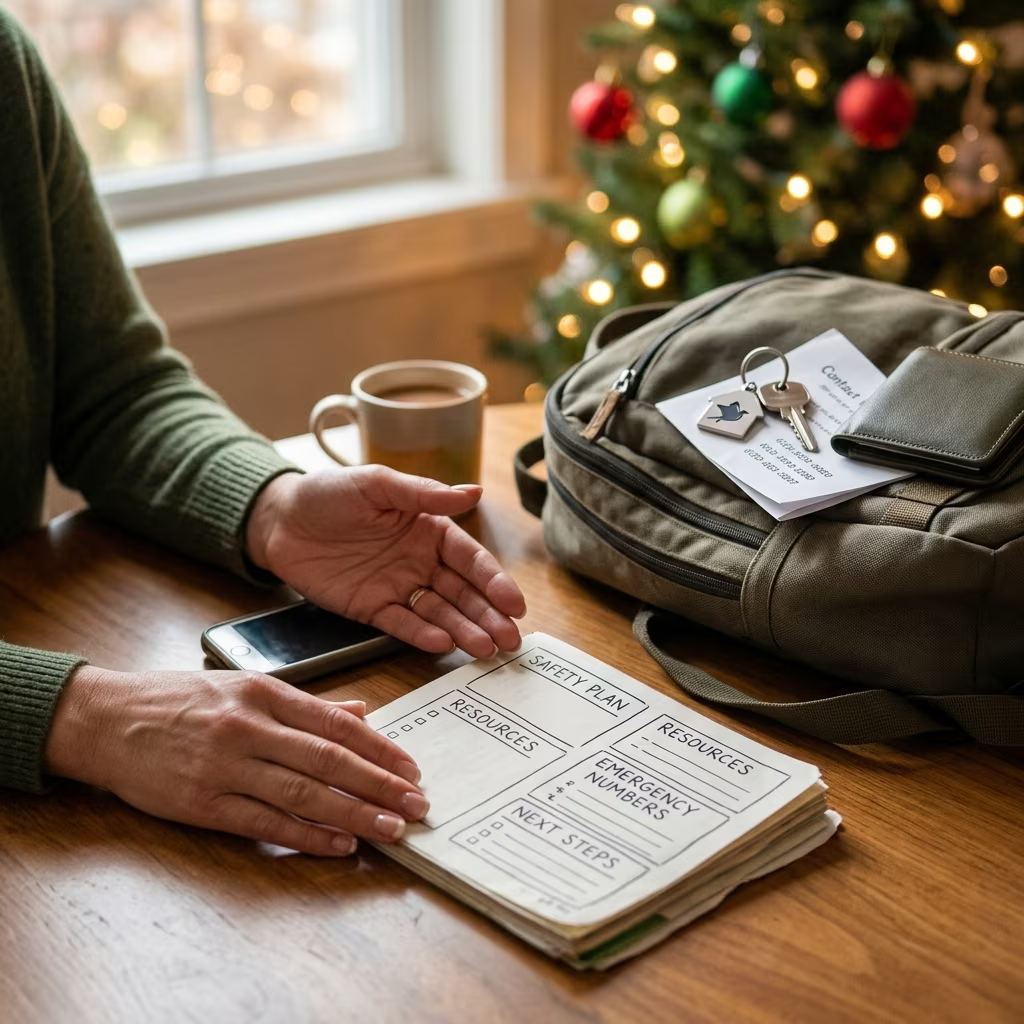
- Prepare emergency contacts: Create a written or memorized list of trusted people and local shelters, along with hotlines and emergency numbers that you or your children can use if you need help.
- Pack an emergency bag: Maintain a discreet bag with key documents (ID, birth certificates, court orders), medications, copies of keys, some cash, and basic clothing stored somewhere easy to grab but not obvious to the abuser.
- Plan for pets: Include food, carrier, leash, and vet records for animals. Some jurisdictions allow pets to be named in protective orders, and pet-friendly shelters or safe havens may be available.
- Use technology safely: Regularly change passwords, limit location sharing, and be aware of possible monitoring apps or tracking devices on phones, cars, or children’s electronics.
Holiday-Specific Safety Planning Tips
Because holidays often involve travel, gatherings, and unusual schedules, survivors may need additional, event-specific strategies. Consider the following:
- Check-in routines: Arrange scheduled calls or messages with a trusted person at set times. Establish what they should do if you fail to check in (for example, call you, then call law enforcement if you do not respond).
- Code words and signals: Create a phrase, emoji, or question that quietly indicates you need help, without alerting the abuser. Agree in advance on the response, whether it is picking you up, contacting police, or calling a hotline.
- Event planning: If others are hosting gatherings, discuss any factors that might inflame the abuser’s behavior, such as heavy drinking or sleeping arrangements, and adjust plans to limit those risks.
- Safe transportation plans: When traveling with or without the abusive partner, map out safe rest stops, potential shelters along the route, and ways to leave the vehicle or location if you feel unsafe.
- Alternative meeting locations: If you are separated from an abusive ex-partner, choose new, less predictable locations for meeting friends and family, and consider using a mailing address that does not reveal your physical location.
Supporting Loved Ones Experiencing Violence
Friends and family can play a critical role in reducing risk, especially when survivors feel pressure to maintain appearances during the holidays. Advocacy groups stress that survivors are experts in their own situations, and support should respect their autonomy while offering practical help.
How to Offer Emotional Support
- Listen without judgment: Believe what the survivor shares, even if it conflicts with the image you have of their partner. Avoid criticizing their choices or pressuring them to take specific actions.
- Affirm their experience: Let them know that abuse is not their fault and that their feelings—fear, anger, grief, or ambivalence—are valid.
- Respect their timeline: Survivors may need time to assess risks, gather resources, or plan for children and pets. Pushy advice can increase danger or isolation.
- Maintain confidentiality: Be careful about what you share with others, including mutual family members, unless the survivor explicitly asks you to involve them.
Practical Ways to Help Around Holidays
- Offer safe time away: Invite the survivor to run errands, go for walks, or help with holiday tasks, giving them short breaks from the abusive environment and extra opportunities to talk.
- Assist with safety plans: Help them think through specific scenarios, such as a holiday dinner or custody exchange, and identify escape routes, emergency numbers, and code words.
- Discuss safe communication methods: Ask what types of contact—phone, text, email, in-person—are less likely to be monitored and adapt your communication accordingly.
- Know local resources: Learn which domestic violence programs, shelters, legal aid clinics, and hotlines are available in your area so you can share accurate information if the survivor requests it.
While it may be tempting to call law enforcement immediately, advocates highlight that police involvement is not always the safest option, especially for survivors from marginalized communities who may face additional risks. When possible, focus on supporting the survivor’s own decisions about whether and how to report.
Legal Tools and Protective Options
Domestic violence often intersects with legal issues such as protective orders, custody, housing, and employment. A holiday safety strategy may benefit from legal guidance, particularly where urgent court action could offer protection.
- Protective or restraining orders: Many jurisdictions allow survivors to seek court orders restricting contact, setting distance requirements, and addressing firearms possession. Some courts may offer emergency processes or on-call judges during holiday periods for urgent cases.
- Civil and criminal remedies: Depending on the situation, survivors may pursue criminal charges, civil lawsuits, or both. Legal aid organizations and domestic violence advocates can explain options and potential consequences.
- Custody and visitation: Courts can issue or modify parenting orders, sometimes on an emergency basis, when children face substantial risk. Clear court orders can help manage holiday visitation and exchanges.
- Housing protections: In some places, survivors may have rights to break a lease early, change locks, or remain in a dwelling without the abusive partner when certain conditions are met.
Speaking with a lawyer or legal advocate can clarify which protections are available in your location and how to navigate deadlines, filing requirements, and evidence needs during the holidays, when some offices or courts might have reduced hours.
Prioritizing Emotional Well‑Being and Boundaries
Beyond immediate physical safety, survivors may experience intense emotional pressure during the holiday season. Advocacy organizations urge survivors to focus on mental and emotional health, which can be deeply affected by cultural narratives about family togetherness.
- Set realistic expectations: Release the idea that you must produce a perfect celebration. Instead, choose traditions that feel manageable and safe for you and any children.
- Practice self‑care: Activities such as gentle exercise, journaling, meditation, or simply resting can help regulate stress and reduce the impact of ongoing trauma.
- Establish boundaries: It is acceptable to decline invitations that place you near unsupportive or abusive individuals, even if they are family. You do not owe anyone an explanation for prioritizing your safety and mental health.
- Monitor financial stress: Creating a modest budget and focusing on low‑cost or free traditions—like shared time, storytelling, or homemade crafts—can reduce money-related conflict and pressure.
- Seek professional support: Counselors, advocates, clergy, and support groups can provide validation and tools for coping with trauma, especially during emotionally charged times.
National and Local Resources
No one should have to face domestic violence alone. Multiple hotlines, shelters, and community programs operate around the clock, including holiday periods, to offer confidential assistance. In the United States, several key resources include:
- National Domestic Violence Hotline: Call 1‑800‑799‑7233 (SAFE) or text “START” to 88788 for 24/7 confidential support and safety planning.
- Online chat support: Many national hotlines and domestic violence organizations provide real-time chat assistance through their official websites.
- Local domestic violence programs: Community agencies often offer crisis counseling, emergency shelter, legal advocacy, and support groups, including specialized services for different communities.
- Pet safe‑haven networks: Some organizations maintain directories of shelters and foster programs that can safely accommodate survivors’ pets.
- Mental health crisis lines: In many regions, mobile crisis teams or hotlines can respond to acute mental health emergencies connected to domestic violence.
If someone is in immediate physical danger, emergency services such as 911 may be appropriate. When deciding whether to call, consider both the urgency of the threat and the survivor’s concerns about law enforcement, documenting what you observe rather than making assumptions. Whenever possible, support the survivor in making informed choices about their own safety.
FAQs: Holiday Domestic Violence and Safety Planning
Does domestic violence always increase during holidays?
Not all communities see the same patterns, and reports can vary by region. Some agencies notice spikes in hotline calls or shelter requests around major holidays, while others see increases afterward, when survivors have more freedom to reach out. Regardless of statistical variation, many advocates agree that unique seasonal stressors call for special attention to safety planning.
What if a survivor does not want to leave their partner?
Leaving an abusive relationship is complex and can temporarily increase danger. Survivors may stay for many reasons: fear, love, financial dependence, immigration concerns, or children’s needs. The goal is not to force a particular decision but to help them increase safety and access support, whatever they choose.
Is it helpful to confront the abusive person directly?
Direct confrontation can escalate risk for the survivor and the person intervening. Many advocates recommend focusing on supporting the survivor, documenting concerning behavior, and, if appropriate, involving professionals rather than confronting the abuser one‑on‑one.
How can survivors protect their children over the holidays?
Safety plans should include children in age‑appropriate ways: teaching them how to call trusted adults or emergency numbers, identifying safer rooms to go to, and rehearsing simple steps like leaving the house and going to a neighbor if violence erupts. Legal advice about custody and visitation can also be important when an abusive parent is involved.
What role does the legal system play during holidays?
Court schedules vary, but many jurisdictions have mechanisms for emergency protective orders or urgent hearings when a survivor faces immediate risk. Legal aid organizations and domestic violence advocates can help navigate these processes and explain what protections exist during holiday periods.
References
- Why Domestic Violence Increases During the Holidays: Wellness and Prevention Strategies — Project Woman Ohio. 2023-12-01. https://www.projectwomanohio.org/blog/why-domestic-violence-increases-during-the-holidays-wellness-and-prevention-strategies
- When the Holidays Bring Harm: Understanding Domestic Violence During a Time of Celebration — Harris County Domestic Violence Coordinating Council. 2023-11-30. https://www.hcdvcc.org/when-the-holidays-bring-harm/
- Intimate Partner Violence Over the Holidays – What You Need To Know — ZeroV. 2022-12-15. https://www.zerov.org/intimate_partner_violence_holidays
- Holiday Tips for Victims & Survivors of Intimate Partner Violence — Albemarle Hopeline. 2023-12-11. https://www.albemarlehopeline.org/get-connected/blog.html/article/2023/12/11/when-the-holidays-are-not-the-happiest-time-of-the-year-tips-for-victims-and-survivors-of-intimate-partner-violence
- Safety Planning for Holidays and Weekends — National Domestic Violence Hotline. 2022-11-20. https://www.thehotline.org/resources/safety-planning-for-the-holidays/
- Safety Planning for Yourself, Children, and Pets This Holiday Season — National Network to End Domestic Violence (NNEDV). 2022-12-21. https://nnedv.org/reach-update/safety-planning-for-yourself-children-and-pets-this-holiday-season/
- The Connection Between Domestic Violence And Christmas Holidays — Kustom Signals. 2021-12-10. https://kustomsignals.com/blog/the-connection-between-domestic-violence-and-christmas-holidays