
Hiring Unlicensed Contractors: Hidden Risks for Homeowners
Understand the legal, financial, and safety consequences of using unlicensed contractors before your next home project.
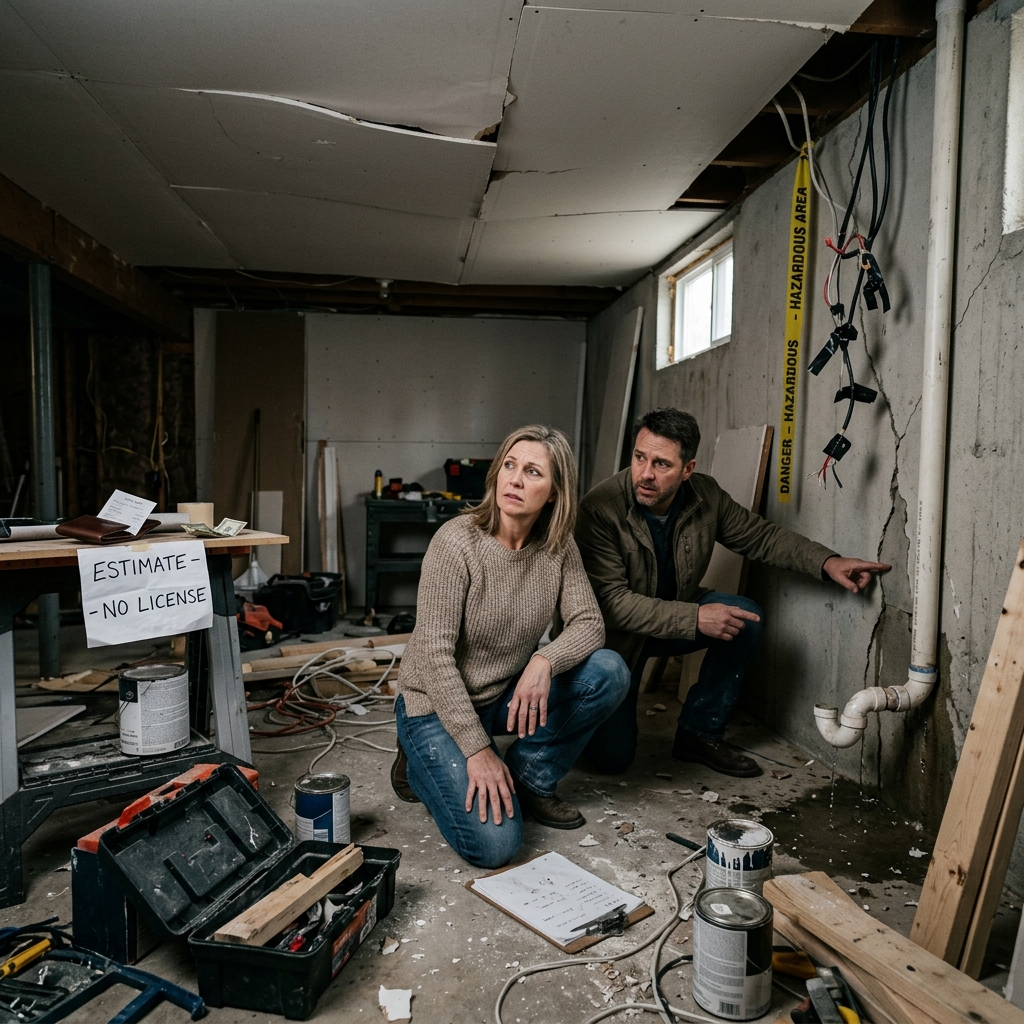
When a home repair or remodel is overdue, a low bid from an unlicensed contractor can look very attractive. The price is cheaper, the contractor is available immediately, and the project seems straightforward. Yet behind that apparent bargain are serious legal, financial, and safety risks that many homeowners do not fully understand.
This article explains what it means to hire an unlicensed contractor, why it is dangerous in many states, how it can affect your liability and your wallet, and what practical steps you can take to avoid costly mistakes. It is designed for homeowners considering repairs, renovations, or additions, and for anyone who wants to understand the legal landscape around contractor licensing.
What Does “Unlicensed Contractor” Really Mean?
In most states, contractors must hold a government-issued license before performing certain types of construction, remodeling, or specialty work, especially when the project cost exceeds a statutory threshold. This license typically requires proof of experience, passage of exams, and compliance with insurance and bonding requirements.
An unlicensed contractor is someone who performs work that legally requires a license but does not have one, or someone whose license has lapsed, been revoked, or does not cover the type of job being done. Even if the person is highly skilled or has worked in the trade for years, they are still considered unlicensed if they lack the legally required credentials for your project.
- Licensed contractor: Holds a current, appropriate state license, usually carries liability insurance and workers’ compensation coverage, and is subject to regulatory oversight.
- Unlicensed contractor: Works without a valid license where the law requires one, often lacks insurance, and operates outside formal regulatory protections.
Why States Regulate Contractors
Contractor licensing is not just bureaucratic red tape. It is a consumer protection system designed to reduce unsafe construction, fraud, and financial harm. Regulatory agencies and licensing boards use licensing to:
- Verify minimum competence and technical knowledge.
- Require insurance and sometimes bonding to protect the public.
- Screen out individuals with certain criminal histories for sensitive work.
- Create enforcement mechanisms, including fines and license suspensions, when contractors violate rules.
When a contractor is not licensed, the homeowner loses access to many of these protections. Complaints may be harder to pursue, restitution funds may not apply, and the homeowner may be left to resolve disputes solely through private litigation.
How Hiring an Unlicensed Contractor Can Backfire
The risks of hiring unlicensed workers go far beyond poor workmanship. In many states, such as Florida and California, it is illegal for unlicensed individuals to perform regulated construction work, and homeowners can be drawn into the legal consequences. Below are the most important categories of risk.
1. Legal Exposure and Possible Penalties
In states like Florida, unlicensed contracting is a criminal offense. The contractor can face misdemeanor or felony charges, especially if the work occurs during a declared state of emergency. While the contractor is the primary target, homeowners may also face consequences if they knowingly hire unlicensed individuals.
- Civil fines for homeowners: Regulatory agencies such as Florida’s Department of Business and Professional Regulation (DBPR) can impose civil penalties on homeowners who knowingly employ unlicensed contractors.
- Investigations and enforcement: Complaints to licensing boards can trigger investigations, job-site inspections, and potential orders to stop work.
- Permit issues: Unlicensed contractors typically cannot pull required building permits, which may result in code violations or orders to tear out work.
Even in states where homeowners are not routinely fined, their projects can be delayed, and they may be forced to pay a licensed contractor to redo non-permitted or non-compliant work.
2. Loss of Legal Protection and Contract Rights
Many states limit the legal rights of unlicensed contractors to enforce contracts. For example, Florida law generally makes contracts with unlicensed contractors unenforceable by the contractor, meaning they cannot sue for payment or place valid liens on the property. While this sounds favorable to homeowners at first glance, it can create complicated consequences.
Key issues include:
- Unenforceable contracts: Some states treat contracts entered into by unlicensed contractors as void or voidable, disrupting normal remedies for breach of contract.
- Limited recourse for defective work: If work is performed without a valid license, the homeowner may find it harder to recover damages through traditional contract remedies and may have to rely on other legal theories, such as negligence or unjust enrichment.
- Difficulty pursuing complaints: Consumer protection programs and recovery funds often require that the contractor be licensed, leaving homeowners without those safety nets.
In short, if you choose an unlicensed contractor, you are stepping outside the normal legal framework designed to handle construction disputes efficiently.
3. Financial Liability for Injuries and Accidents
One of the most serious hidden hazards is injury liability. Licensed contractors typically carry liability insurance and workers’ compensation coverage, which are crucial when accidents happen. Unlicensed contractors often have neither.
Without these protections, homeowners may be treated as employers for legal purposes and bear responsibility for injuries on the property. Potential consequences include:
- Lawsuits for worker injuries: If a worker is injured, they may sue the homeowner for medical expenses, lost wages, and other damages.
- Third-party claims: Homeowners can be liable if negligence by an unlicensed contractor injures neighbors, passersby, or damages adjacent properties.
- Insurance disputes: Some homeowners’ insurers may attempt to deny or limit coverage when losses stem from uninsured, unlicensed work.
These kinds of claims can easily exceed the initial cost savings of hiring an unlicensed contractor, potentially leading to tens of thousands of dollars in exposure.
4. Substandard Work and Safety Hazards
Licensing does not guarantee perfection, but it significantly raises the odds that a contractor has baseline competence, understands building codes, and knows permitting requirements. Unlicensed contractors may lack formal training, use unsafe methods, or ignore code requirements to save time and money.
Common problems include:
- Poor quality work: Misaligned framing, improper wiring, undersized plumbing, and inadequate waterproofing can cause long-term damage.
- Hidden safety risks: Unsafe electrical or structural work can lead to fires, collapses, or serious injuries.
- Difficulty selling the home: When you later try to sell, inspectors may flag non-permitted or substandard work, affecting the sale price or forcing costly corrections.
Because unlicensed contractors usually cannot obtain permits, inspectors may never see their work until a later complaint or sale, at which point corrections can be far more expensive.
5. Damage to Property Value
Using unlicensed contractors can directly affect the market value of your home. In jurisdictions where permits are required and tracked, missing permits for major systems (such as structural changes, electrical rewiring, or roof replacement) can alarm buyers and lenders.
Issues that can reduce property value include:
- Non-permitted additions that may need to be demolished or reworked.
- Visible quality problems that trigger inspection concerns.
- Disclosure obligations, where sellers must reveal known defects or non-permitted work.
What looked like a bargain renovation can become a major obstacle in refinancing or selling your home.
Licensed vs. Unlicensed: Side-by-Side Comparison
| Aspect | Licensed Contractor | Unlicensed Contractor |
|---|---|---|
| Legal status | Authorized to perform regulated work; subject to state oversight. | May be performing illegal work if a license is required. |
| Insurance | Often required to carry liability and workers’ compensation. | Frequently lacks formal insurance coverage, shifting risk to homeowner. |
| Permits | Can pull required building permits and schedule inspections. | Typically cannot obtain permits; may skip them entirely. |
| Consumer protections | Complaints can be filed with licensing board; recovery funds may apply. | Limited or no access to regulatory remedies; disputes often end in private litigation. |
| Upfront cost | Usually higher due to compliance, insurance, and overhead. | Typically lower, but with significantly greater risk exposure. |
How Homeowners Can Accidentally Hire Unlicensed Contractors
Many homeowners do not set out to violate licensing laws. Common scenarios include:
- A contractor claims they “don’t need a license for small jobs” when the project cost or scope actually triggers licensing requirements.
- A contractor previously held a license, but it expired, was suspended, or does not cover the work type.
- A homeowner assumes that insurance or local advertising implies licensing, without checking.
Because the homeowner is the one inviting work onto the property, regulators and courts generally expect them to exercise reasonable care in choosing qualified professionals.
Essential Steps to Verify a Contractor’s Credentials
Fortunately, it is straightforward to check whether a contractor is properly licensed. Many state licensing boards and agencies maintain free, searchable online databases. To protect yourself:
- Ask for the license number: A reputable contractor should be willing to provide their license information in writing or on their business materials.
- Use official verification tools: Visit your state’s contractor licensing board or business regulation department website and search by license number or company name.
- Confirm license scope: Make sure the license classification covers the type of work you are hiring for (e.g., general building, electrical, plumbing).
- Check status and history: Verify that the license is active and review any disciplinary actions or complaints that may signal red flags.
- Verify insurance: Ask for proof of liability insurance and workers’ compensation coverage, and confirm with the insurer that policies are current.
These steps take minutes and can prevent months or years of costly disputes.
Practical Tips to Avoid Problems
Beyond licensing, smart homeowners use a structured approach when selecting professionals:
- Obtain multiple written bids with clear scopes of work.
- Check references and review completed projects.
- Insist on a written contract covering timeline, payment schedule, change orders, and dispute resolution.
- Require that all necessary permits be pulled before major work begins.
- Keep records of payments, permits, inspections, and communications.
When a quote is substantially lower than others, treat it as a signal to investigate further. The savings may stem from cutting corners on licensing, insurance, or safety.
Frequently Asked Questions (FAQ)
Is it ever legal to hire an unlicensed contractor?
In some states, certain small or limited-scope projects may be exempt from licensing requirements below a specific dollar threshold. For example, some jurisdictions require a license only when labor and materials exceed a regulated amount, such as $500 or more. However, the rules vary widely, and specialty work like electrical, plumbing, or structural changes often requires a license regardless of cost.
Can I avoid paying an unlicensed contractor if I discover they lack a license?
In states like Florida, contracts with unlicensed contractors are generally unenforceable by the contractor, meaning they cannot compel payment through contract claims. However, the law in your state may differ, and courts sometimes allow compensation under alternative theories like unjust enrichment. Because these issues are complex, you should consult a licensed attorney to understand your rights before withholding payment.
What happens if someone is injured while working on my property?
If your contractor lacks workers’ compensation and liability insurance, injured workers or third parties may sue you directly for damages. Depending on the circumstances and your state’s laws, you could be treated as an employer and be responsible for medical bills, lost wages, and other costs. This is a major reason regulators and consumer advocates urge homeowners to verify insurance before hiring any contractor.
Will my homeowners insurance cover damage caused by unlicensed work?
Coverage depends on the specific policy and jurisdiction. Some insurers may deny or limit coverage if they determine that losses were caused by illegal or non-permitted work, particularly when the homeowner knowingly hired unlicensed individuals. The safest approach is to hire properly licensed and insured professionals, and to notify your insurer about major renovations so coverage questions are clear in advance.
How can I check whether a contractor is licensed in my state?
Most states offer online license lookup tools through their contractor licensing board or business regulation department. You can search by company name, individual name, or license number. These tools typically show license status (active, suspended, expired), classification, and sometimes complaint or disciplinary history. Always use official government or licensing board sites rather than relying solely on advertising or third-party directories.
When to Seek Legal Advice
If you have already hired an unlicensed contractor, or if you suspect your contractor misrepresented their licensing status, it is wise to speak with a qualified attorney. Legal counsel can help you:
- Assess whether the work performed violated licensing laws in your state.
- Evaluate your exposure to fines, civil liability, or insurance disputes.
- Determine appropriate remedies, such as filing a complaint, seeking restitution, or pursuing litigation.
- Plan corrective steps, including hiring licensed professionals to inspect and repair any unsafe or non-compliant work.
Early advice can preserve evidence, clarify obligations, and potentially reduce the overall cost of resolving the problem.
Key Takeaways for Homeowners
- Unlicensed contracting is illegal in many states and carries serious consequences for the contractor and sometimes for the homeowner.
- Hiring unlicensed contractors can expose you to lawsuits, fines, unsafe construction, and significant financial losses.
- Contracts with unlicensed contractors may be legally problematic, limiting traditional remedies and complicating payment disputes.
- Verification of licensing and insurance through official state databases is quick, free, and essential.
- The apparent savings from using unlicensed labor rarely outweigh the long-term risks to your home, your finances, and your personal liability.
References
- Does a Homeowner Have to Pay an Unlicensed Contractor? — Adam Hill Law Firm. 2023-06-01. https://www.adamhillfirm.com/does-a-homeowner-have-to-pay-unlicensed-contractor/
- Risks of Hiring Unlicensed Contractors — Remodel Works Bath & Kitchen. 2022-04-15. https://remodelworks.com/blog/risks-of-hiring-unlicensed-contractors/
- Licensed vs. Unlicensed Contractors: What Homeowners Risk — ACG Construction. 2021-10-20. https://acgstrong.com/blog/licensed-vs-unlincensed-contractors/
- Dangers of Hiring Unlicensed Workers — City of St. Cloud, Florida. 2020-03-10. https://www.stcloudfl.gov/1669/Dangers-of-Hiring-Unlicensed-Workers
- The Dangers of Hiring Unlicensed Contractors — Educational Community for Homeowners (ECHO). 2019-08-05. https://echo-ca.org/dangers-hiring-unlicensed-contractors-0/
- Unlicensed Contractors — SafePoint Insurance. 2022-02-14. https://safepointins.com/resources/unlicensed-contractors/
- Legal Risks of Hiring Unlicensed Contractors in Florida — YouTube / Florida criminal defense commentary. 2023-09-12. https://www.youtube.com/watch?v=ZLmCW2-c0VY
Similar Articles








Read full bio of Sneha Tete




