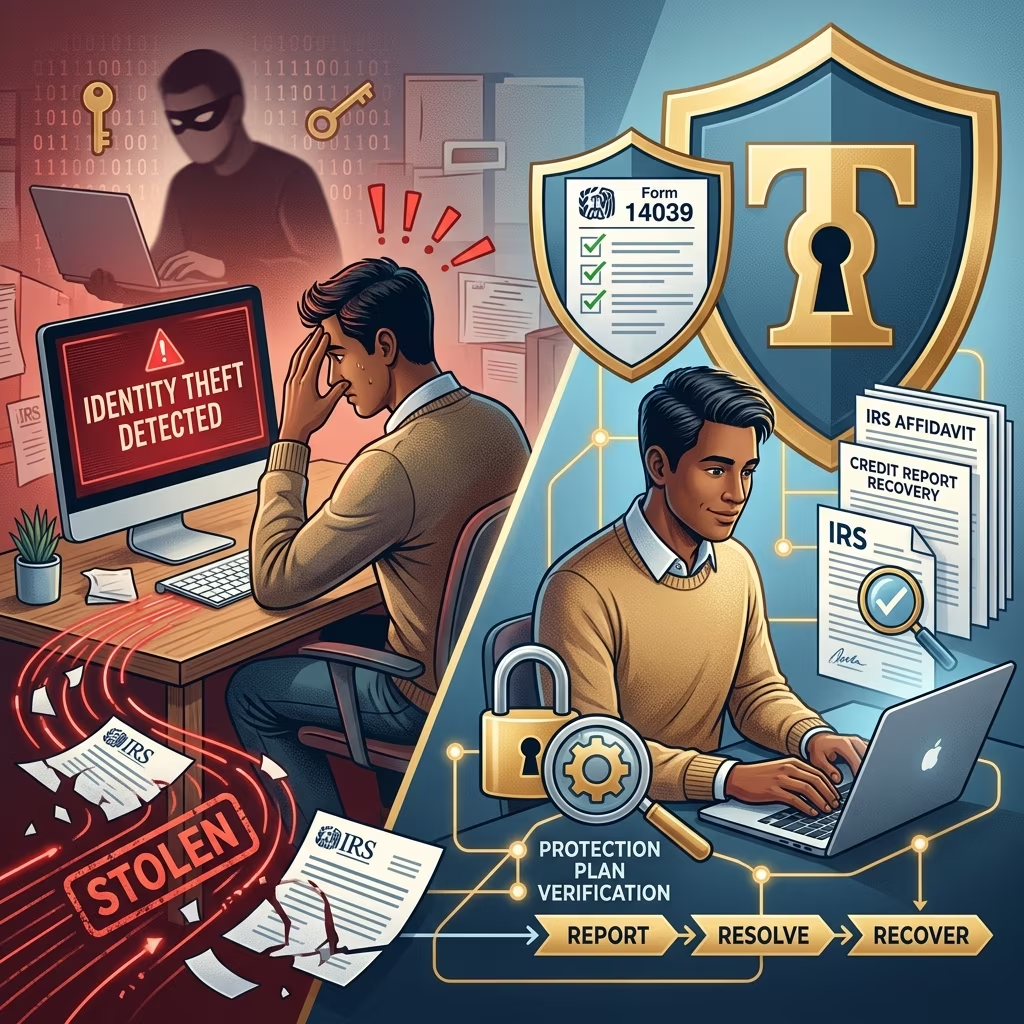
Tax identity theft occurs when someone uses your personal information, such as your Social Security number, to file a tax return or claim a refund in your name without your consent. It can delay your legitimate refund, trigger unexpected notices from the tax authorities, and expose broader identity theft problems in your financial life. This guide explains how tax identity theft happens, the warning signs to look for, the actions you should take if it occurs, and practical steps to prevent it in the future.
Understanding Tax Identity Theft
Tax identity theft is a specific type of identity fraud focused on exploiting the tax system. A criminal typically gathers enough personal data to impersonate you to the tax authority and claim money that should have gone to you. While federal income tax fraud is the most common context, similar schemes can target state tax agencies as well.
How Tax Identity Theft Typically Works
Identity thieves may use stolen data from data breaches, phishing schemes, public records, or physical theft (like stolen mail) to gather your information. Once they have the necessary details, they can submit a fraudulent tax return that:
- Uses your Social Security number or individual taxpayer identification number (ITIN)
- Includes fabricated income and withholding designed to yield a large refund
- Directs the refund to an account or prepaid card controlled by the thief
In many cases, the fraudulent return is filed early in the tax season to beat the legitimate taxpayer to the filing system.[10] By the time you file, the system may already show a return for your Social Security number.
Common Scenarios That Lead to Tax Identity Theft
- Phishing emails or calls that pretend to be the IRS or a tax preparer and trick victims into sharing personal information or login credentials.
- Data breaches at employers, payroll providers, or financial institutions that expose Social Security numbers and other sensitive data.
- Stolen mail containing W‑2s, 1099s, or other tax forms used to gather employment and income data.
- Compromised tax preparation accounts where thieves gain access to online tax filing accounts and reuse stored personal information.
Warning Signs You May Be a Victim
Tax identity theft is often discovered when something unexpected happens during filing or when you receive an unusual notice from the tax authority. Recognizing these signs quickly allows you to act before further damage occurs.
IRS and Tax-Related Red Flags
- Your e‑filed tax return is rejected as a duplicate filing, indicating another return has already been filed under your Social Security number.
- You receive an IRS letter asking you to verify your identity before your return can be processed, often through the Taxpayer Protection Program.
- You get a notice about a tax return you don’t recognize, a refund you did not request, or a tax year you did not file for.
- IRS records show income from an employer you do not work for, suggesting someone used your Social Security number for employment.
Broader Identity Theft Indicators
Tax identity theft often occurs alongside other forms of financial identity misuse. Watch for signs such as:
- Unfamiliar loans or credit card accounts appearing on your credit reports.
- Collection calls about debts that are not yours.
- Bank or credit card statements showing transactions you did not authorize.
- Missing or tampered mail, especially around tax filing season.
Immediate Steps If You Suspect Tax Identity Theft
If you believe someone has filed a return using your Social Security number or otherwise misused your tax identity, you should move quickly. The goal is to alert the IRS, document the theft, and shield your broader financial life from additional harm.
Step 1: Respond Promptly to IRS Notices
If the IRS sends you a letter about a suspicious return, follow the instructions in that notice carefully. You may be asked to:
- Use an online identity verification tool or call a toll‑free number provided in the letter.
- Verify details from a prior‑year tax return to confirm you are the legitimate taxpayer.
- Provide picture identification and supporting documents if you must visit a Taxpayer Assistance Center in person.
Do not ignore these communications. Timely responses help the IRS separate your valid tax information from the fraudulent activity and prevent collection actions based on the thief’s return.
Step 2: File an Identity Theft Affidavit
If your e‑file is rejected or you otherwise discover that your tax identity has been misused, you should complete IRS Form 14039, Identity Theft Affidavit. This form tells the IRS that someone has filed or may file a fraudulent return with your identifying information.
Key points about Form 14039:
- You can attach it to a paper tax return and mail it to the IRS address appropriate for your state.
- It may also be filed separately if you are not ready to submit a paper return.
- Supporting documents such as copies of your Social Security card, government‑issued ID, and any IRS notices related to the fraud may be required.
Once Form 14039 is processed, your case is generally handled by specialized IRS staff who assist identity theft victims.
Step 3: Continue Filing and Paying Your Taxes
Even when tax identity theft occurs, you are still responsible for filing and paying your taxes on time. If electronic filing is not possible due to the fraud, submit a paper return and keep copies of everything you send. The IRS will work to adjust its records so that your legitimate return is recognized and processed.
Step 4: Report the Identity Theft and Protect Your Credit
Tax identity theft is typically part of larger identity misuse, so you should also take steps beyond the IRS:
- Report the theft at IdentityTheft.gov, the Federal Trade Commission’s official portal. The FTC provides a recovery plan and documentation that can support disputes with creditors and credit bureaus.
- Contact the three major credit reporting agencies and request a fraud alert or credit freeze on your file. Fraud alerts make it harder for thieves to open new accounts in your name, while freezes restrict most new credit checks entirely.
- Review your credit reports for unfamiliar accounts or inquiries and dispute any fraudulent items you find.
- Notify your bank and credit card issuers about possible identity theft so they can monitor or secure your accounts.
Ongoing Recovery and IRS Assistance
Recovering from tax identity theft may take time, especially if the thief filed multiple fraudulent returns or used your information in other ways. The IRS and other agencies have dedicated processes to assist victims and prevent repeat incidents.
IRS Identity Theft Victim Assistance
The IRS has established systems to identify suspicious returns and help victims resolve issues. When the Taxpayer Protection Program flags a return, you are notified and asked to verify whether you filed it. If you are a victim, the IRS:
- Works to remove fraudulent information from your tax records
- Adjusts your account to reflect your correct tax return and balance due or refund
- May issue a special identity protection measure for future filings
Throughout this process, it is important to respond promptly to any additional requests for information and keep copies of all correspondence and documentation.
Coordinating with State Tax Agencies
State income tax systems can also be targeted by identity thieves. If your federal return is compromised, consider contacting your state tax agency to see if additional steps are recommended to protect your state tax records. Some states may require their own forms or verification procedures for victims.
Preventing Future Tax Identity Theft
While no method is foolproof, there are practical measures that substantially reduce the risk of tax identity theft. These steps focus on securing your personal information, using safe technology practices, and minimizing opportunities for criminals to exploit the tax system.
Best Practices for Tax Filing Security
- File your return early in the tax season so thieves have less opportunity to submit a fraudulent return first.[10]
- Use secure internet connections and avoid public Wi‑Fi when preparing or filing your taxes online.
- Enable multi‑factor authentication on tax preparation software or online accounts whenever possible.
- Keep tax records in a safe place and shred old documents when you no longer need them.
Protecting Personal Information Year‑Round
Since tax identity theft depends on access to sensitive data, general privacy and security habits play a major role in prevention.
- Avoid sharing Social Security numbers or other personal details unless absolutely necessary and only with trusted entities.
- Know how the IRS communicates: the IRS does not initiate contact via email, text, or social media to request personal or financial information.
- Use strong, unique passwords for financial and tax‑related accounts and update them regularly.
- Store physical documents containing sensitive information (Social Security card, tax returns, W‑2s) in a secure location.
- Monitor your mail for missing or opened tax forms and contact the appropriate agency if you suspect tampering.
Choosing and Verifying a Tax Preparer
Many people rely on tax preparers or electronic filing services. Ensure your preparer has appropriate credentials, follows security best practices, and explains how they protect client data. Ask:
- How they store and transmit tax data
- What encryption and access controls are in place
- Whether they comply with applicable privacy and data protection regulations
Quick Reference: Actions to Take
| Situation | Immediate Action |
|---|---|
| E‑file is rejected as duplicate | Complete IRS Form 14039, file a paper return, and contact the IRS using instructions provided. |
| Receive IRS letter about suspicious return | Use the verification tool or phone number in the letter and provide requested documents. |
| Notice of income from unknown employer | Review Social Security work history and contact the Social Security Administration if errors appear. |
| Unfamiliar accounts on credit report | Report identity theft at IdentityTheft.gov and place fraud alerts or freezes with credit bureaus. |
| Suspicious emails or calls claiming to be IRS | Do not provide information; independently contact the IRS using official phone numbers if needed. |
FAQs About Tax Identity Theft
1. Is tax identity theft the same as general identity theft?
Tax identity theft is a subtype of identity theft. It specifically involves using your personal information to file a tax return or claim a refund in your name. General identity theft can include opening credit accounts, taking out loans, or using your identity for employment, and it often occurs alongside tax fraud.
2. Will I still get my tax refund if someone stole it?
If a fraudulent return was filed and a refund issued to a thief, the IRS will typically investigate and work with you to ensure your legitimate return is processed and the correct refund is ultimately paid to you, although the process can take additional time.
3. Do I have to keep paying and filing taxes after tax identity theft?
Yes. Your obligation to file and pay taxes does not change because of identity theft. You may need to switch to paper filing temporarily, but you must still meet filing deadlines and pay any taxes owed.
4. Should I contact the police about tax identity theft?
Law enforcement involvement can be helpful, especially for broader identity theft incidents. The Federal Trade Commission recommends that victims consider filing a police report in addition to reporting identity theft through IdentityTheft.gov, particularly if creditors or other institutions request documentation.
5. How long does it take to resolve a tax identity theft case?
The timeline varies depending on the complexity of the fraud and how many returns or accounts were affected. Some cases resolve within a few months, while others may take longer. Prompt reporting, complete documentation, and consistent follow‑up with the IRS and other agencies help keep the process moving.
6. Can I prevent tax identity theft completely?
No method guarantees complete prevention, but many steps significantly lower your risk. Filing early, securing your online accounts, guarding your Social Security number, and monitoring credit and tax records are among the most effective strategies.[10]
References
- What To Know About Tax Identity Theft — Federal Trade Commission. 2024-01-10. https://consumer.ftc.gov/articles/what-know-about-tax-identity-theft
- How IRS ID Theft Victim Assistance Works — Internal Revenue Service. 2023-06-21. https://www.irs.gov/individuals/how-irs-id-theft-victim-assistance-works
- Identity Theft Central — Internal Revenue Service. 2023-11-15. https://www.irs.gov/identity-theft-central
- Identity Theft — USAGov. 2024-02-05. https://www.usa.gov/identity-theft
- How Can Tax Identity Theft Occur? — Experian. 2023-02-09. https://www.experian.com/blogs/ask-experian/how-can-tax-identity-theft-occur/
- 7 Tips to Prevent Tax ID Fraud — McClain Bank. 2022-01-20. https://www.mcclainbank.com/7-tips-to-prevent-tax-id-fraud
- What to Know About Tax-Related Identity Theft — Identity Theft Resource Center. 2023-01-30. https://www.idtheftcenter.org/post/tax-identity-theft/