
Guarding Young Shoppers From Social Media Scams
How social media shopping scams target young adults, what red flags to watch for, and practical steps to stay safe online.
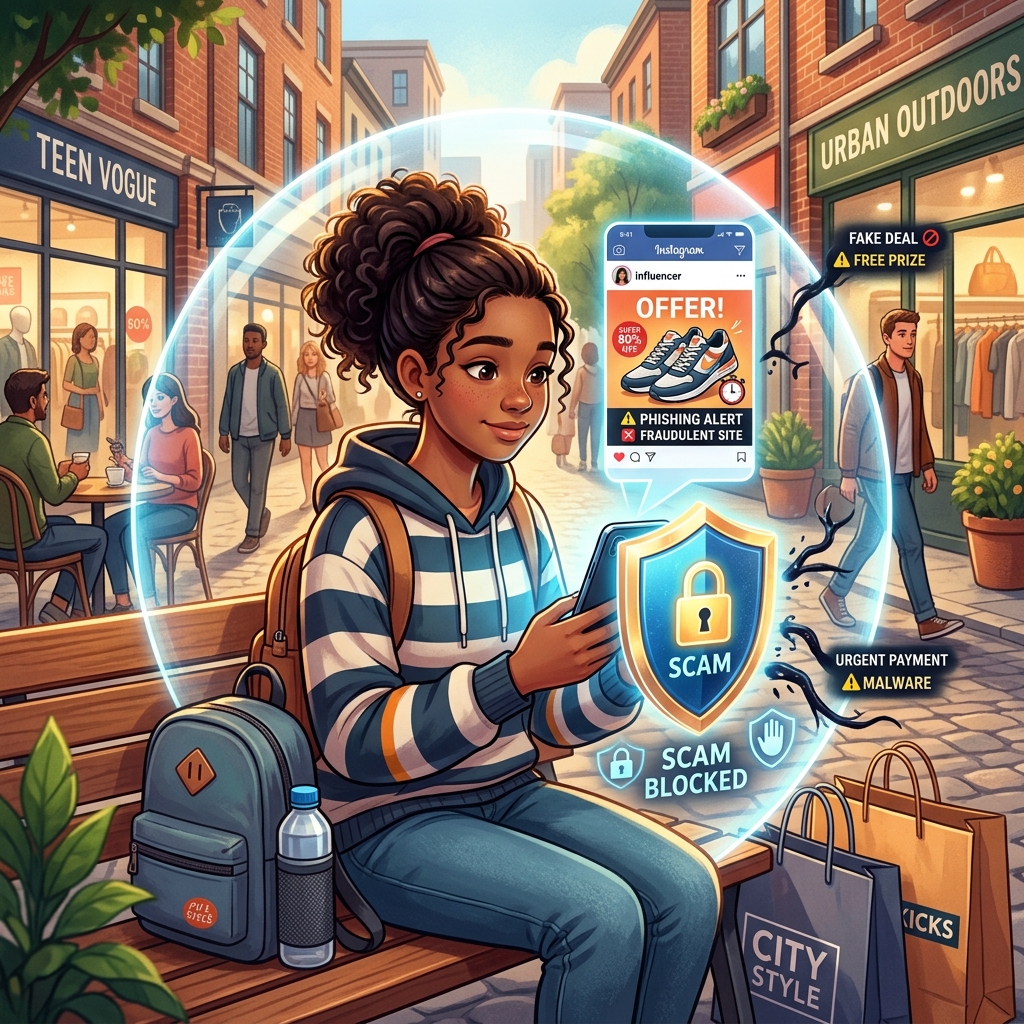
Social media has turned into a giant shopping mall for young adults, offering one-click access to trending products, micro-brands, and flash deals. At the same time, it has become a fertile hunting ground for scammers who exploit trust, speed, and convenience to steal money and personal data.
This article explains how social media shopping scams work, why young adults are especially vulnerable, and the specific steps you can take to protect yourself and respond effectively if something goes wrong.
Why Social Media Is a Magnet for Shopping Scams
Social platforms blur the line between entertainment and commerce. You can discover a product in a reel, tap a link, and pay within seconds. That seamless flow is exactly what fraudsters leverage.
According to the U.S. Federal Trade Commission, shopping scams are the single most reported scam originating on social media, often involving ads for high-priced items at unusually low prices that lead to impersonated or fraudulent websites.
Key Factors That Attract Scammers
- High engagement from young adults: Younger users spend more time scrolling, sharing, and buying through social platforms, giving scammers a large and responsive audience.
- Targeted advertising tools: Scammers use the same ad tools legitimate businesses rely on, narrowing in on demographics likely to respond to trendy or discounted items.
- Trust through social proof: Likes, comments, and influencer mentions can make a seller look legitimate even when the business is entirely fabricated.
- Fast purchasing flows: Built-in shops and in-app browsers encourage quick decisions, leaving little time to verify authenticity or read fine print.
How Young Adults Become Prime Targets
Young adults tend to adopt new platforms early, experiment with emerging brands, and respond quickly to trends. These behaviors, while normal in a digital culture, create predictable patterns that scammers can exploit.
Common Vulnerabilities Among Young Shoppers
- Comfort with digital transactions: Many young adults rarely use cash and are accustomed to paying via apps and web wallets, making online payments feel routine rather than high-risk.
- Limited experience with fraud: First-time renters, new credit card holders, or college students may not yet recognize subtle signs of deception in ads, messages, or websites.
- Desire for deals and exclusives: Limited-time offers, drops, and flash sales are part of youth marketing culture; scammers imitate these formats to push fake discounts and counterfeit items.
- Sharing personal information online: Public profiles, frequent posting, and loose privacy settings provide scammers with details they can use to personalize pitches and build trust.
Major Types of Social Media Shopping Scams
While scam tactics vary, most social media shopping schemes fit into a few clear categories. Understanding them helps you recognize risk before you click.
| Scam Type | Typical Hook | What Usually Happens |
|---|---|---|
| Fake product ads | High-demand items at steep discounts | You pay, but the item never arrives or is vastly different from the ad. |
| Fraudulent websites | Links from ads or posts to professional-looking stores | Site mimics a real brand, collects payment data, then fails to deliver. |
| Phishing storefronts | Requests for extra personal details at checkout | Information like birth date or Social Security number is harvested for identity theft. |
| DM-based offers | Direct messages offering freebies, giveaways, or exclusive deals | You’re pressured to pay upfront or share sensitive data, then blocked. |
Fake Ads for Trending Products
One of the most common schemes involves ads for trendy or hard-to-find items—limited sneakers, gaming accessories, designer replicas, or beauty products—at prices far below normal retail.
- Ads often feature polished images and professional copy.
- Comments may be disabled or heavily moderated to hide complaints.
- Payment is typically requested via cards, bank transfers, or lesser-known payment apps.
Impersonated and Fraudulent Shopping Sites
Clicking a social media ad can lead to a site that looks almost identical to a well-known retailer, down to logos and product photos. The URL may be slightly altered or use unfamiliar extensions.
- Legitimate-looking checkout pages collect your card details.
- Order confirmation emails may arrive, but shipping never does.
- Customer service contacts, if listed, often go unanswered.
Phishing for Identity Data Through “Stores”
Some scam sites primarily aim to harvest personal information rather than immediate payments. They may request details no genuine retailer needs for normal consumer purchases, such as Social Security numbers, full employment information, or scans of IDs.
This data can be used to open accounts, apply for credit, or commit additional fraud under your name, creating long-term financial and legal problems.
High-Pressure Direct Messages and Off-Platform Payments
Scammers often send unsolicited direct messages that promise free items, secret discounts, or partnership opportunities. The conversation may quickly move off the original platform to a separate app or payment service.
- Pressure to decide “right now” or risk losing the offer.
- Requests to pay via wire transfer, cryptocurrency, or peer-to-peer services.
- Demands to keep the deal confidential to avoid “losing your spot.”
Red Flags: How to Recognize a Social Media Shopping Scam
Being able to spot warning signs is the most powerful defense. Before you click “buy,” pause and check for these indicators.
Suspicious Ads and Posts
- Too-good-to-be-true pricing: Deep discounts on high-end or very popular items are a classic lure.
- New or unverified accounts: Sellers with minimal post history, few followers, or no verification badge should be approached cautiously.
- Generic or copied content: Identical product images and descriptions appearing across multiple pages often suggest a template used by scammers.
- Limited visible feedback: Hidden or disabled comments and reviews make it harder to see negative experiences.
Website and Checkout Red Flags
- Strange URLs: Misspellings, added characters, or unusual domains (like unfamiliar country codes) can signal an impersonation site.
- Lack of HTTPS: Reputable sites use encrypted connections indicated by
https://and a padlock icon in the browser. - No physical contact information: Absence of a street address, phone number, or verifiable company name is a major warning sign.
- Requests for excessive data: Retailers do not need Social Security numbers or detailed personal histories to sell ordinary consumer goods.
Message-Based Tactics to Watch For
- Unsolicited giveaways or investment offers: Romance and investment scams commonly begin with social media contacts and can later morph into “exclusive shopping” or business opportunities.
- High-pressure deadlines: Demands to pay immediately or lose your chance should prompt you to disengage.
- Requests to move off-platform: A push to communicate only via obscure apps, email, or text, especially when money is involved, is a red flag.
Safe Shopping Practices for Social Media Users
You do not have to abandon social media shopping altogether to stay safe. Instead, build a habit of scrutiny before you buy.
Verify Sellers Before You Spend
- Research the company name: Search the brand along with terms like “scam” or “complaint” to uncover patterns of fraud.
- Check independent reviews: Look beyond the platform’s own ratings and seek feedback from neutral consumer websites.
- Confirm contact details: A genuine business should list a working phone number, email, and address that can be verified online.
Use Secure Technology and Payment Methods
- Prioritize credit cards or reputable payment platforms: These options often provide stronger dispute mechanisms and fraud protections than direct debit or wire transfer.
- Enable two-factor authentication (2FA): Turning on 2FA on social and payment accounts adds an extra barrier against unauthorized access.
- Maintain updated security software: Current antivirus and anti-malware tools help block malicious links and sites you encounter through social media.
Adjust Privacy and Ad Settings
- Limit who can see your posts and contacts: Restrictive privacy settings reduce the amount of personal data scammers can mine for targeted pitches.
- Opt out of targeted advertising where possible: This can decrease the number of unsolicited shopping offers you receive in your feeds.
- Avoid clicking random links: If you want to visit a known brand, manually type its address into your browser instead of relying on social media links.
What to Do If You Fall Victim to a Social Media Shopping Scam
If you realize that you’ve paid a fraudulent seller or shared information with a scam site, act quickly. Early action can limit financial losses and help authorities track patterns of abuse.
Immediate Steps to Protect Yourself
- Contact your bank or card issuer: Ask to block or replace compromised cards and monitor your accounts for unauthorized activity.
- Change passwords: If you used the same credentials on other sites, update them and enable two-factor authentication.
- Document everything: Save screenshots of ads, messages, receipts, and website addresses for potential investigations.
Report the Scam to Authorities
- Federal Trade Commission (FTC): The FTC encourages victims to report scams that start on social media via its dedicated portal, providing details of the interaction and financial loss.
- Internet Crime Complaint Center (IC3): IC3, run by the FBI, accepts reports of online crimes, helping law enforcement identify and respond to large-scale patterns.
- Local consumer protection offices: State-level agencies can offer guidance and may track regional scam trends.
- Social media platforms and payment services: Use built-in reporting tools to flag fraudulent accounts and transactions, which can lead to account bans and internal investigations.
Frequently Asked Questions (FAQ)
Are social media shopping scams really that common?
Yes. Regulators report that shopping scams are the most frequently reported type of fraud that begins on social media, and young adults often make up a significant share of the victims because of their high engagement with social platforms and online shopping.
Is it safe to buy from ads on major social networks?
Buying from social media ads can be safe when you verify the seller, confirm secure website connections, and pay through protected methods. However, scammers routinely place ads alongside legitimate ones, so you should always research the brand and check independent reviews before purchasing.
How can I tell whether a shopping site linked from social media is legitimate?
Look for a secure https:// connection, a clear physical address and working phone number, detailed refund and return policies, and consistent reviews across several independent sites. Avoid stores that request unnecessary personal information, hide contact details, or use awkward, misleading URLs.
What payment methods offer the best protection if something goes wrong?
Credit cards and reputable third-party payment platforms typically offer better mechanisms for disputing unauthorized or fraudulent charges compared with direct bank transfers or debit card payments. Using these methods can help you recover funds in the event of a scam.
Where should I report a scam that started on social media?
You can report the incident to the Federal Trade Commission, the Internet Crime Complaint Center, and your state consumer protection agency, as well as to the social media platform and any payment services involved. Providing detailed information supports broader enforcement efforts and can help prevent future victims.
References
- How to spot the top scams that started on social media — Federal Trade Commission. 2026-04-23. https://consumer.ftc.gov/consumer-alerts/2026/04/how-spot-top-scams-started-social-media
- Online and Digital Scams — Office of the Comptroller of the Currency (OCC). 2024-07-01 (updated). https://www.occ.gov/topics/consumers-and-communities/consumer-protection/fraud-resources/online-and-digital-scams.html
- Social Media Shopping Scams: How To Stay Safe — CoastHills Credit Union. 2025-01-15. https://coasthills.coop/resources/learn/financial-fitness/january-2025/social-media-shopping-scams-how-to-stay-safe
- Protect yourself from fraud on social media platforms — Nusenda Credit Union. 2025-02-04. https://www.nusenda.org/news-resources/financial-library/blog/2025/02/04/protect-yourself-from-fraud-on-social-media-platforms
- How to spot social media shopping scams — Johns, Flaherty & Collins Law Firm. 2023-11-10. https://www.johnsflaherty.com/blog/how-to-spot-social-media-shopping-scams
- Top 4 scams that target young adults — California Department of Financial Protection and Innovation (DFPI). 2023-08-09. https://dfpi.ca.gov/news/insights/top-4-scams-that-target-young-adults/
- Social-Media Shopping Scams Are Growing. Young Adults Are the Biggest Targets — The Wall Street Journal. 2024-05-08. https://www.wsj.com/tech/personal-tech/social-media-shopping-scams-1d0c4b5f
Similar Articles








Read full bio of Sneha Tete


