
Estate Planning for Passion Assets and Collectibles
A practical guide to protecting art, collectibles, and sentimental property so your legacy and loved ones are both cared for.
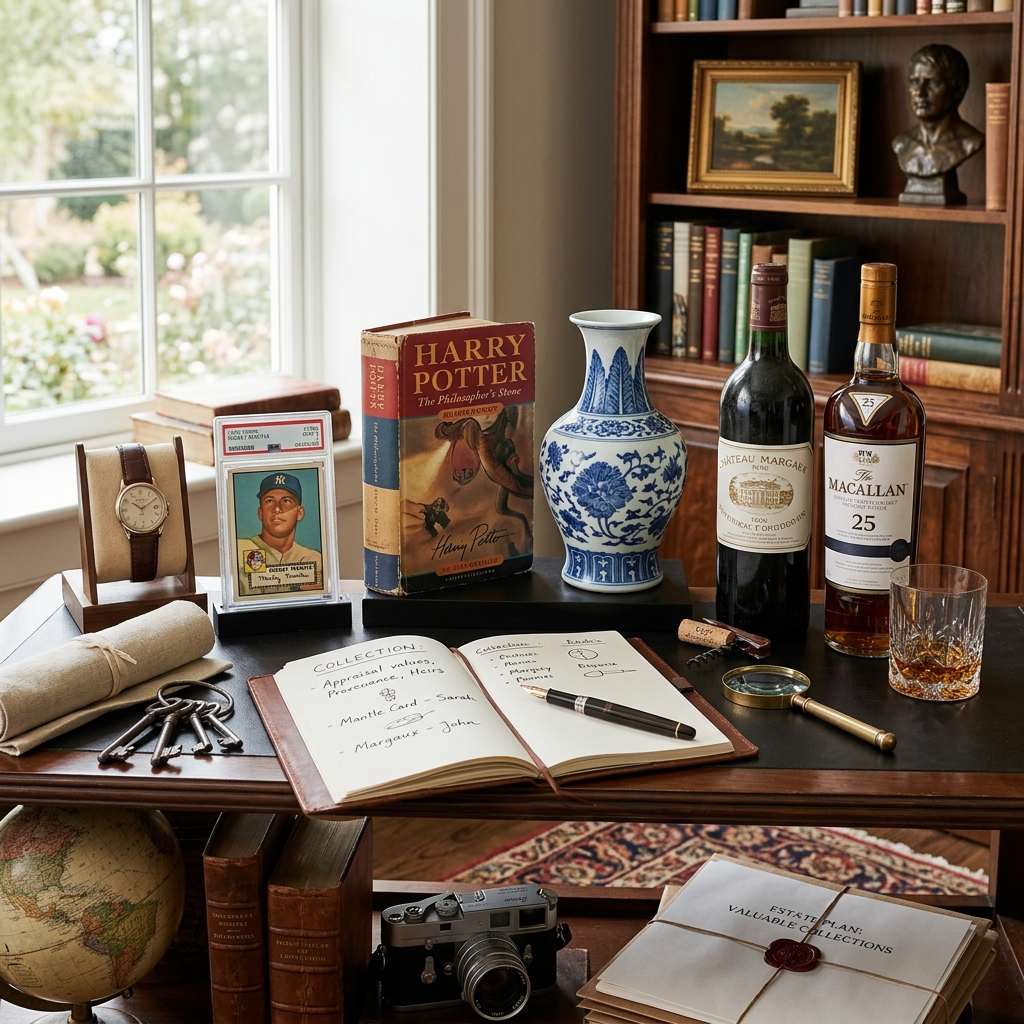
Many people focus on bank accounts, retirement plans, and real estate when they think about estate planning, but passion assets often carry just as much value—emotionally and financially. These are the items that reflect your interests and history: art, jewelry, memorabilia, vintage cars, rare books, wine, or family heirlooms. If you own such property, planning for what happens to it is essential to avoid conflict, unnecessary taxes, and forced sales.
This guide explains how to identify, value, protect, and thoughtfully transfer passion assets so they support both your legacy and your loved ones.
What Are Passion Assets and Why Do They Matter?
Passion assets (sometimes called sentimental or lifestyle assets) are tangible items you own primarily because they give you enjoyment, meaning, or prestige, not because they are traditional financial investments.
Common examples include:
- Fine and decorative art, sculptures, and photography
- Collectibles such as coins, stamps, sneakers, comic books, or sports memorabilia
- Jewelry, watches, and luxury accessories
- Classic or exotic cars, motorcycles, and boats
- Wine and spirits collections
- Antiques and family heirloom furniture
Although these items are often bought for pleasure, many can become significant components of your net worth and may be subject to estate and income taxes when transferred. They are also frequently illiquid, hard to divide fairly, and emotionally charged for surviving family members.
Challenges Passion Assets Create in an Estate
Planning around passion assets is different from planning for cash or securities. These items can create specific difficulties if not addressed in advance:
- Illiquidity: It may take time to sell art, cars, or collectibles at a fair price, which can complicate paying estate taxes or debts.
- Indivisibility: You cannot easily split a single painting or classic car among three children without creating tension.
- Emotional attachments: Heirs may have strong, conflicting feelings about keeping or selling a sentimental item, particularly family heirlooms.
- Specialized knowledge: Executors and heirs may lack the expertise to store, insure, appraise, or sell certain items, which can lower value.
- Tax complexity: Collectibles may be taxed differently from stocks and bonds, and valuation rules can be technical.
Because of these factors, passion assets benefit from more detailed, personalized planning than purely financial holdings.
Step One: Build a Clear Inventory of Passion Assets
A thorough inventory is the foundation of any plan for passion assets. Without it, your executor may not even know what exists or where items are located.
What Your Inventory Should Include
- Item name and description (for example, artist and title for art; make, model, and year for a car)
- Location of the item (home, storage unit, bank vault, third-party facility)
- Date and price of purchase, and from whom it was acquired
- Serial numbers, edition numbers, or identifying marks
- Digital and physical photographs
- Related paperwork (bills of sale, authenticity certificates, repairs, restoration reports)
- Insurance coverage details, including policy numbers and limits
For substantial collections, consider keeping a digital spreadsheet or inventory database, backed up in the cloud, and let your executor or trustee know how to access it.
Why Documentation Matters
Good records help in several ways:
- Establishing provenance: Reliable documentation can enhance sale value and reduce fraud risks.
- Supporting appraisals: Appraisers rely on transaction history and supporting documents to determine fair market value.
- Simplifying insurance and claims: Detailed records support proper coverage and damage claims if loss occurs.
- Facilitating orderly sales or transfers: An executor can act more quickly, reducing storage and administrative costs.
Valuation: Understanding What Your Passion Assets Are Worth
Once you know what you own, the next step is to understand what those items are worth for planning and tax purposes.
Fair Market Value vs. Insurance Value
Passion assets may have different values depending on the context. A key distinction is between fair market value and insurance (replacement) value.
| Type of Value | Used For | How It Is Determined |
|---|---|---|
| Fair Market Value | Estate and gift tax calculations; sales and charitable donations | Price a willing buyer and seller would agree on in an open market, both having reasonable knowledge and no compulsion to act. |
| Insurance / Replacement Value | Determining policy limits and claims payouts | Estimated cost to replace the item with a comparable one at retail, which may be higher than fair market value. |
For estate planning, fair market value is generally the relevant figure because tax authorities use that standard for valuation. Insurance valuations are also important, but primarily to make sure you are adequately protected against damage or loss.
Getting Qualified Appraisals
For higher-value items, informal estimates are not enough. A qualified appraisal from an experienced, independent professional can be critical for:
- Estate tax returns and gift tax returns when specific thresholds are met
- Donating art or collectibles to charity and claiming a tax deduction
- Planning equalization among heirs based on comparable values
- Establishing a baseline for future sales or transfers
Professional guidance can also help you determine how frequently appraisals should be updated, especially for markets that shift rapidly, such as contemporary art or certain collectibles.
Protecting Passion Assets During Your Lifetime
Proper protection while you are alive preserves value and makes administration easier after your death. Protection involves three main components: storage, insurance, and management.
Specialized Storage and Care
Many passion assets are sensitive to temperature, humidity, light, or handling conditions. Some common best practices include:
- Storing wine in temperature- and humidity-controlled cellars
- Keeping works of art away from direct sunlight and extreme temperature changes
- Maintaining classic cars in secure, climate-controlled garages and running them regularly
- Using archival-quality materials for documents, photographs, and rare books
For large or high-value collections, you may use professional storage facilities that specialize in art, wine, or other sensitive items, often with tailored security and environmental controls.
Insurance Tailored to Collectibles
Standard homeowner policies often provide only limited coverage for jewelry, art, or collectibles, and may not address specific risks such as accidental breakage. Depending on your situation, it may be appropriate to:
- Purchase scheduled personal property coverage or separate fine art/collectible policies
- Use agreed-value policies for rare items to avoid disputes over value in the event of a loss
- Review coverage periodically as values change
Choosing the Right Executor or Manager
Passion assets frequently benefit from an executor, trustee, or advisor who has experience with similar property. This person can:
- Identify reputable auction houses, dealers, and appraisers
- Arrange secure storage, shipping, and insurance
- Determine whether items should be sold, distributed, or donated consistent with your instructions
In some cases, appointing a co-executor or co-trustee with specialized knowledge can be helpful, particularly for complex or highly valuable collections.
Aligning Passion Assets With Your Legacy and Family Dynamics
Beyond money, passion assets often embody stories, traditions, and family identity. Addressing the human side of these assets is as important as the legal and tax side.
Talk Openly With Heirs
Family communication can reduce misunderstandings and disputes later on. Consider:
- Explaining why certain items are meaningful to you
- Asking children or other heirs which items they would like to receive
- Clarifying whether you expect items to be kept, used, displayed, or sold
These conversations help you understand who truly values specific pieces and can guide how you allocate them in your estate plan.
Balancing Fairness When Interests Differ
Not every heir will be interested in caring for a vintage car, art collection, or wine cellar. Some may prefer financial assets instead. Tools to address this include:
- Leaving a cherished property (such as a vacation home or artwork) to the heir who most values it, and offsetting other heirs with additional financial assets
- Allowing one heir to buy out others’ shares of an indivisible item based on an agreed formula
- Designating a sale of certain items with sale proceeds divided among heirs
For shared assets like a family cabin or boat, written use agreements can reduce future conflict by clarifying scheduling, maintenance responsibilities, and dispute resolution mechanisms.
Incorporating Passion Assets Into Legal Documents
Once you know your goals, formal legal documents can express your wishes and provide authority for your executor or trustee.
Wills, Trusts, and Property Memoranda
Your estate planning attorney may recommend a combination of tools, such as:
- Will provisions that direct specific items to named beneficiaries
- Revocable or irrevocable trusts to hold valuable collections, manage them during your life, and control post-death distribution
- Tangible personal property memoranda, where permitted by law, listing who should receive particular possessions; these are typically referenced in your will and can be updated without rewriting the will itself
- Letters of instruction providing non-binding guidance about how to handle, store, or sell items, and the reasons for your decisions
Entity Structures for Complex or Shared Assets
For substantial passion assets, especially when multiple family members will be involved, it may be useful to place them in an entity such as a limited liability company (LLC) or limited partnership.
Potential benefits include:
- Centralized management and decision-making
- Clear rules on usage, maintenance costs, and transfer restrictions
- Possible valuation discounts for transfer tax purposes if interests are non-controlling and subject to transfer limitations
- Liability protection for certain types of property, such as real estate or vehicles
Using Powers of Attorney
A durable power of attorney can authorize a trusted agent to manage passion assets if you become incapacitated. This may include:
- Arranging appraisals and insurance coverage
- Approving sales or purchases of items
- Handling storage arrangements and costs
Including explicit authority to manage collectible and tangible assets helps avoid gaps in decision-making if you can no longer act on your own.
Tax Considerations for Passion Assets
Passion assets can raise distinct tax issues, particularly for high-value collections.
Estate and Gift Tax Issues
At death, most passion assets are included in the taxable estate at fair market value, subject to any applicable federal or state estate tax exemptions. Large collections may, therefore, contribute substantially to potential tax liability.
Some strategies that may be considered with professional advice include:
- Gifting certain items during your lifetime to remove future appreciation from your taxable estate
- Transferring artwork or collections into irrevocable trusts that hold appreciating assets for future generations
- Using charitable strategies, such as donating items to museums or qualified organizations, when consistent with your goals
Income and Capital Gains Taxes
If passion assets are sold during your life or by your estate, any gain may be subject to capital gains tax. Some jurisdictions treat collectibles differently from other capital assets, applying specific rates or rules. Proper documentation of purchase price and improvements is crucial for calculating gains accurately.
Charitable Options for Passion Assets
Sometimes family members are not interested in maintaining a collection or a particular item cannot be divided fairly. In those cases, charitable giving may be an attractive alternative.
Donating Items to Charity
You may choose to donate art, historical objects, or other items to museums, universities, or other qualified organizations. Potential advantages can include:
- Supporting an institution whose mission you value
- Potential income tax deductions when requirements are met
- Removing complex assets from your estate, easing administration
- Ensuring your collection is preserved and appreciated by the public
Charitable contributions of tangible property are subject to detailed tax rules, including limitations based on the recipient’s use of the property and appraisal requirements, so coordination with tax and legal advisors is crucial.
Practical FAQs About Passion Assets in Estate Planning
Do I need a separate estate plan just for my passion assets?
Not usually, but it is wise to make sure your existing estate plan specifically addresses valuable or sentimental items. This may be done through targeted will provisions, property memoranda, or dedicated trusts integrated into your broader plan.
How often should I update appraisals?
There is no universal rule, but many advisors suggest updating appraisals every few years for significant collections, or more frequently in rapidly changing markets. You should also consider reappraisals after major market shifts or significant changes in the collection.
What if my heirs disagree about who gets which items?
Advance planning can minimize disputes. Clearly naming beneficiaries for particular items, discussing your goals with your family, and using written tie-breaking or buyout rules can all help reduce conflict.
Can passion assets be used to equalize inheritances?
Yes. Once you understand fair market values, you can leave certain items to one heir and offset other heirs with cash, investments, or interests in businesses or real estate. Equalization is often more workable if guided by professional appraisals and open family discussions.
When should I involve professionals?
You should consider professional help whenever passion assets are valuable, difficult to value, or complex to manage. Estate planning attorneys, tax advisors, appraisers, insurance specialists, and wealth managers can all play important roles in designing and implementing an effective strategy.
References
- Are You Treating Your Passion Investments Like Real Assets? — Finley Davis. 2023-06-15. https://finleydavis.com/articles/investing-in-passion-assets/
- Valuable Personal Property: Estate Planning & Tax Considerations — Commerce Trust Company. 2023-04-10. https://www.commercetrustcompany.com/research-and-insights/articles/what-to-know-about-high-net-worth-estate-planning-for-sentimental-assets
- Preserving the Legacy: Passion Assets, Real Estate, and the Family Enterprise Estate Plan — McGrath North. 2022-09-01. https://www.mcgrathnorth.com/preserving-the-legacy-passion-assets-real-estate-and-the-family-enterprise-estate-plan
- From hobby to investment: How to plan for collectibles in your estate — Fiduciary Trust Company. 2023-01-20. https://www.fiduciarytrust.com/insights/article-detail/trust-estate–tax-planning/from-hobby-to-investment-how-to-plan-for-collectibles-in-your-estate
- Estate Planning: Protecting Tangible Assets and Collectibles — Mercer Advisors. 2022-08-05. https://www.merceradvisors.com/trust-estate/estate-planning-protecting-tangible-assets-and-collectibles/
- Tax and Estate Planning for Artists and Art Collectors — Wealthspire Advisors. 2024-02-12. https://www.wealthspire.com/blog/tax-and-estate-planning-for-artists-and-art-collectors/
Similar Articles








Read full bio of medha deb


