
Dog Liability Insurance: Protecting Owners From Legal and Financial Risk
Understand how dog liability insurance works, what it covers, and how to choose protection that fits your pet and your legal obligations.
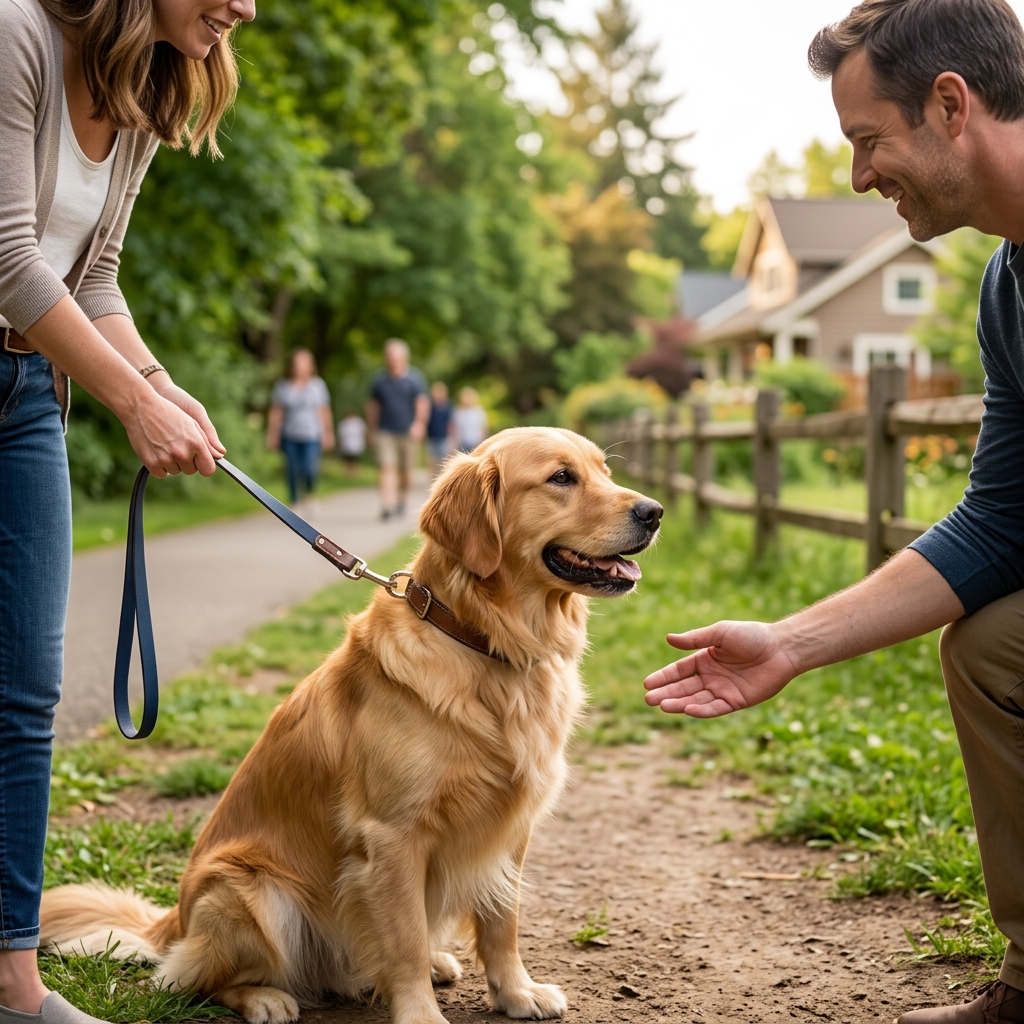
Owning a dog brings immense joy, but it can also expose you to significant legal and financial risk if your pet injures someone or damages property. Dog liability insurance is designed to protect you from these costs by covering claims related to your dog’s actions. This guide explains what dog liability insurance is, how it interacts with homeowners and renters coverage, common exclusions, and how to choose the right protection for your situation.
Why Dog Liability Insurance Matters
Dog-related incidents are more common than many owners realize, and even a single bite can result in expensive medical bills, legal fees, and potential damages. In the United States, thousands of dog bite claims are filed every year, and average claim payouts can reach tens of thousands of dollars once treatment, lost wages, and legal costs are factored in. Without adequate liability coverage, the owner is typically personally responsible for these expenses.
Liability insurance for dogs is fundamentally about protecting your finances when you are held legally responsible for harm your dog causes to other people or their property. It does not replace responsible ownership, training, or safety measures, but it ensures you are not forced to pay large judgments or settlements entirely out of pocket.
- Medical costs for injuries to other people
- Property repair or replacement when a dog damages someone else’s belongings
- Legal defense expenses if you are sued over a dog-related incident
Core Concept: What Dog Liability Insurance Covers
Dog liability insurance is a type of third-party liability coverage. It pays for claims arising from bodily injury or property damage that your dog causes to others, up to the limits specified in the policy. It is focused on protecting the owner, not the dog’s own medical needs.
Typical covered situations include:
- Your dog bites a visitor, neighbor, or passerby.
- Your dog knocks someone over, causing an injury.
- Your dog damages a neighbor’s fence, landscaping, or personal property.
These policies usually do not cover injuries to you or members of your household, nor do they pay for veterinary bills if your dog is injured. That type of protection is generally provided by pet health insurance, which is a separate product focusing on your animal’s medical care.
| Feature | Dog Liability Insurance | Pet Health Insurance |
|---|---|---|
| Main purpose | Covers injuries and property damage your dog causes others | Covers your dog’s medical treatment (illness, accidents) |
| Who is protected | You (the owner) against third-party claims | Your dog, by reimbursing vet expenses |
| Examples of claims | Dog bites a neighbor; dog destroys a visitor’s property | Dog surgery, diagnostic tests, medications after injury |
| Policy type | Liability coverage, often linked to home or renters policies | Specialized pet health policy |
How Homeowners Insurance Handles Dog Liability
Many dog owners are already partially protected by their existing homeowners insurance. Personal liability coverage in a standard homeowners policy usually extends to incidents where your dog injures someone or damages property, as long as the event is covered and not excluded by breed or incident history.
Key points about homeowners policies and dogs:
- Built-in liability protection: Most homeowners policies include at least $100,000 in liability coverage, with many offering $300,000 or higher overall personal liability limits.
- Sub-limits for animal incidents: Some insurers impose a lower cap specifically for dog-related claims, for example a $25,000 limit for animal-caused injuries within a larger liability policy.
- Breed or incident exclusions: Certain carriers may refuse to cover claims involving specific breeds or dogs with a documented history of aggression or biting.
Because these limitations can significantly affect your protection, experts recommend reviewing your current homeowners policy and discussing dog liability with your agent. You should ask whether dog incidents are covered, what limits apply, and whether any breeds or prior events are excluded.
Pet Liability Coverage for Renters
Renters generally do not have homeowners insurance, but they can purchase renters insurance, which often includes personal liability coverage that extends to dog-related incidents. This can be an accessible way for tenants to protect themselves when living with pets.
According to property insurers, renters policies commonly include around $100,000 in personal liability protection, which can cover dog-related injuries and property damage to others. However, there may be conditions and exclusions related to breed or behavioral history, similar to homeowners coverage.
Renters may have the option to:
- Add pet liability coverage as part of a standard renters policy.
- Increase liability limits to better match potential dog-related risks.
- Purchase separate canine liability insurance if their current policy excludes their breed or imposes restrictive limits.
Premiums for renters insurance with pet liability coverage vary based on location, claim history, and dog type, but insurers report that basic renters policies with pet liability can cost roughly a modest monthly amount, with specialized canine coverage ranging higher when additional risk is involved.
Specialized Canine and Animal Liability Policies
When homeowners or renters policies exclude dog incidents or provide insufficient limits, owners can turn to dedicated animal liability insurance or canine liability policies. These products are specifically designed to cover third-party bodily injury and property damage caused by dogs and other pets, often including breeds that may be rejected by standard insurers.
Characteristics of standalone canine liability coverage include:
- Third-party focus: Covers injuries and property damage to others, not veterinary care for your dog.
- Breed-inclusive options: Some providers will insure any breed, even those commonly considered high-risk.
- Flexible limits: Policies may start at lower limits (e.g., $100,000) and scale up to higher limits depending on risk and premium.
- Gap-filling function: These policies can fill coverage gaps created by exclusions in homeowners, renters, or umbrella policies.
Dog owners who cannot obtain adequate coverage through traditional home or renters insurance are often advised to seek a canine liability policy specifically, especially if their dog’s breed or incident history makes standard coverage difficult to obtain.
Umbrella Policies and Excess Liability for Dog Owners
For higher levels of protection, owners can purchase personal umbrella policies or excess liability coverage. These policies are designed to sit on top of existing homeowners or renters liability, providing additional limits when large claims exceed the underlying policy’s coverage.
An umbrella policy may:
- Increase total available liability coverage from hundreds of thousands to millions of dollars.
- Help pay legal defense costs when claims are serious or complex.
- Extend coverage to dog-related incidents when specifically included.
However, not all umbrella policies automatically cover accidents caused by dogs. Some exclude dog-related claims entirely or limit coverage based on breed. Therefore, owners must confirm with their insurer that the umbrella policy expressly includes dog liability and aligns with their underlying homeowners or renters coverage.
Common Exclusions and Limitations
Dog liability insurance is not limitless. Insurers often impose exclusions or conditions in order to manage risk. Understanding these boundaries is critical for effective planning.
Typical limitations may include:
- Breed restrictions: Some carriers exclude or restrict coverage for specific breeds considered high risk.
- Prior incident history: A dog with a documented history of biting or aggression may be ineligible for coverage or subject to special requirements.
- Intentional acts: Policies usually do not cover deliberate or criminal actions by the owner.
- Business activities: Incidents arising from commercial pet services (such as professional dog handling) may require separate business liability coverage.[10]
Owners should carefully review policy wording and ask the insurer about any exclusions, especially those related to breed or behavior. If an existing policy excludes their dog, they may need to seek a specialized canine liability insurer willing to accept that risk.
Cost Factors and Choosing Coverage Limits
The cost of dog liability coverage depends on several factors, including your location, your dog’s characteristics, your claim history, and the chosen coverage limits. While basic liability protection through homeowners or renters policies may be relatively inexpensive, separate canine policies or enhanced limits typically cost more.
When deciding on coverage limits, consider:
- Potential medical expenses: Serious injuries can generate substantial hospital, rehabilitation, and long-term care costs.
- Liability exposure: Claims may include pain and suffering, lost wages, and other damages.
- Assets at risk: Higher limits help protect savings, home equity, and future earnings from large judgments.
Some legal and insurance experts recommend minimum liability limits of at least $100,000, with many preferring $300,000 or more, supplemented by an umbrella policy where appropriate. The right level for you will depend on your overall financial situation and risk tolerance.
Practical Steps for Dog Owners to Secure Coverage
Because dog liability coverage can involve multiple policy types and potential exclusions, owners should take a structured approach to ensure they are adequately protected.
Consider this step-by-step checklist:
- 1. Review current policies: Carefully read your homeowners or renters policy to see whether dog incidents are covered and identify any animal-related sub-limits.
- 2. Speak with your agent: Ask direct questions about dog coverage, breed restrictions, prior incidents, and how claims are handled.
- 3. Evaluate coverage limits: Compare your current liability limits to potential dog-related risks and consider whether an increase or umbrella policy is warranted.
- 4. Consider specialized canine coverage: If your standard policy excludes your dog or offers only limited protection, obtain quotes for dedicated dog liability insurance from carriers that accept a wide range of breeds.
- 5. Revisit coverage after major changes: Update your insurance if you move, adopt another pet, or your dog has an incident that might affect underwriting.
FAQs About Dog Liability Insurance
Does my homeowners insurance automatically cover dog bites?
Many homeowners policies include personal liability coverage that extends to dog bites, but this is not guaranteed. Some insurers apply special limits to animal-related claims or exclude certain breeds. You need to verify the specifics with your insurer and review your policy documentation.
Is dog liability insurance the same as pet insurance?
No. Dog liability insurance protects you if your dog injures someone or damages property, covering third-party claims up to the policy limit. Pet insurance, by contrast, is designed to reimburse veterinary expenses for your own dog’s illnesses or injuries. They serve different purposes and may both be useful depending on your needs.
Do renters need separate dog liability insurance?
Renters often have liability coverage through a renters insurance policy, which may include dog-related incidents. However, if the policy excludes your breed or offers limited protection, you might need separate canine liability coverage or increased limits. Check with your insurer and, if necessary, obtain coverage specifically tailored to dog liability.
Will an umbrella policy always cover incidents involving my dog?
Umbrella policies can provide additional liability limits that apply to dog-related incidents, but coverage is not universal. Some umbrellas exclude dog claims or impose conditions based on breed or underlying policy terms. You should ask your insurer to confirm that your umbrella policy includes dog liability and understand any restrictions.
What if my dog has already bitten someone?
A prior bite or documented aggressive behavior can affect your eligibility for coverage. Some insurers may refuse to cover the dog, while specialized canine liability providers may still offer policies with adjusted premiums or conditions. Full disclosure to your insurer is important; failure to report prior incidents can jeopardize future claims.
References
- Pet Insurance vs Pet Liability Insurance: What’s The Difference? — Pawlicy Advisor. 2022-06-15. https://www.pawlicy.com/blog/pet-insurance-vs-pet-liability-insurance/
- Guide to Pet Liability Insurance for Renters — Liberty Mutual Insurance. 2023-08-10. https://www.libertymutual.com/insurance-resources/property/renters-guide-to-pet-liability-insurance
- Dog Liability Insurance: Dog Bite and Other Animal Incident Coverage — Best Friends Animal Society. 2021-11-03. https://bestfriends.org/pet-care-resources/dog-liability-insurance-dog-bite-and-other-animal-incident-coverage
- Pet Liability and Legal Issues — ASPCA Pet Health Insurance. 2022-04-20. https://www.aspcapetinsurance.com/resources/pet-legal-issues/
- Animal Liability Insurance for Dogs & Pets — XINSURANCE. 2023-05-01. https://www.xinsurance.com/risk-class/animal-liability/
- Dog & Pet Liability Insurance — Prime Insurance Company. 2022-09-12. https://www.primeis.com/product-lines/personal-lines/animal-liability/
- Where to Get Dog Owner Liability Insurance — Dog Bite Law. 2020-03-05. https://www.dogbitelaw.com/where-to-get-dog-owner-liability-insurance/
Similar Articles








Read full bio of medha deb




