
Digital Vehicle Sabotage: Understanding Modern Car Hacking Threats
Explore how modern vehicles face cybersecurity risks and practical steps to protect your connected car.
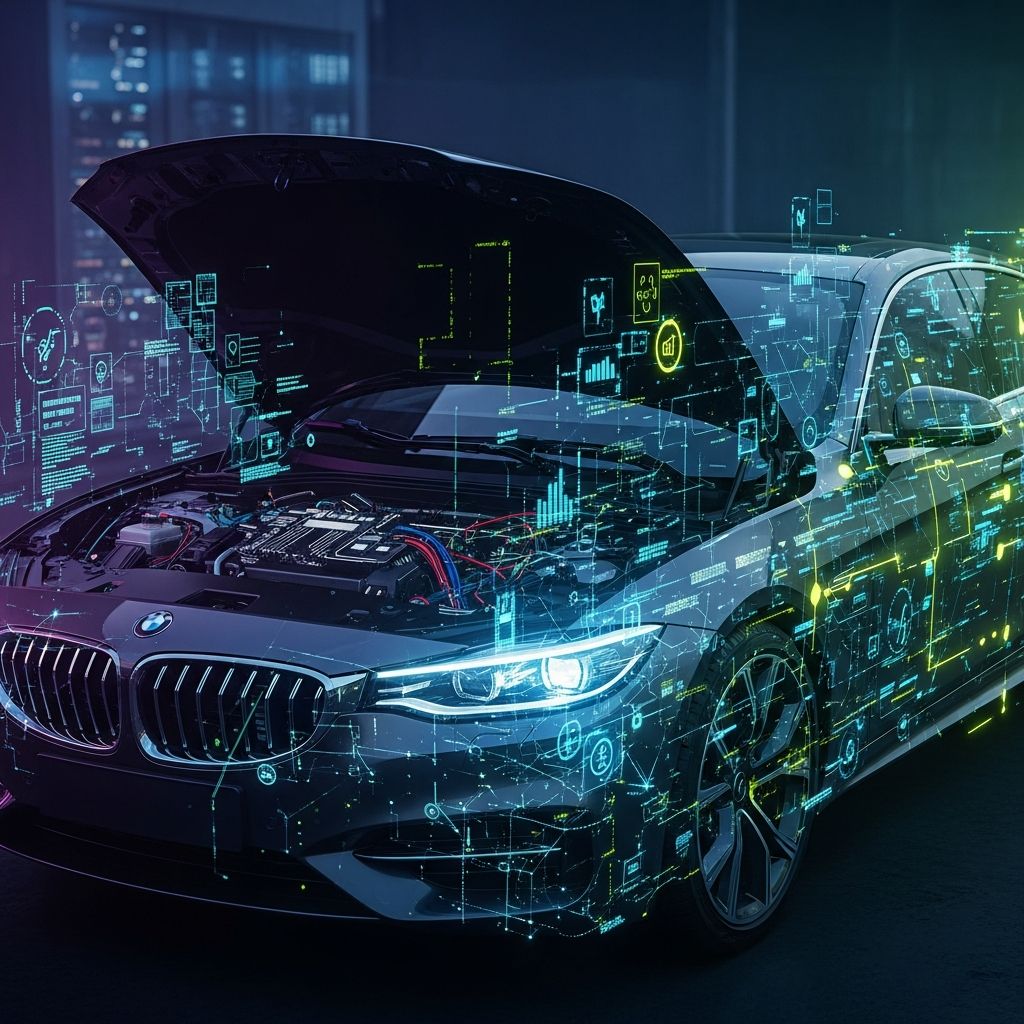
The Evolution of Vehicular Cybersecurity Threats
Modern automobiles have undergone a dramatic transformation over the past two decades. What were once purely mechanical machines are now sophisticated computing platforms equipped with dozens of interconnected systems. From infotainment centers to engine management computers, contemporary vehicles operate as mobile data centers with wireless connectivity capabilities. This technological advancement has brought undeniable convenience to drivers—remote start functions, GPS navigation, hands-free calling, and vehicle diagnostics accessible from smartphones have become standard expectations. However, this connectivity comes with a significant drawback: expanded digital vulnerabilities that malicious actors can exploit.
The automotive industry’s rush to incorporate internet-connected features has created an environment where cybersecurity often took a back seat to innovation and marketability. Unlike traditional software development where security patches and updates are routine, vehicle security has historically been an afterthought. This negligence has created a perfect storm of conditions where vehicles become attractive targets for cybercriminals seeking either financial gain, data theft, or opportunities to demonstrate vulnerability research.
How Vehicle Networks Become Vulnerable
To understand how hackers can compromise a vehicle, it’s essential to grasp the internal network architecture of modern cars. Vehicles communicate through multiple wireless protocols and connected systems. The infotainment system—the dashboard computer that manages entertainment, navigation, and climate control—often serves as an entry point for attackers. This system typically connects to cellular networks, Wi-Fi, and Bluetooth, creating multiple pathways for unauthorized access.
One prominent example involves aftermarket connectivity systems that link vehicle computers to internet services. These systems were designed to provide remote capabilities but frequently contain design flaws. Security researchers have identified that the programming interfaces connecting entertainment systems to critical vehicle functions often lack proper isolation. This means that compromising an entertainment system can cascade into access to the vehicle’s transmission, braking system, and engine controls.
Additionally, vehicles often receive over-the-air updates to correct software issues and add features. While beneficial, this update mechanism can become a vulnerability vector if not properly secured with encryption and authentication protocols.
Real-World Demonstrations and Their Implications
In 2015, security researchers conducted a groundbreaking demonstration that captured national attention. Driving a vehicle on a highway while researchers operated from a remote location, the experiment showed that attackers could manipulate multiple vehicle systems simultaneously. The researchers remotely activated the entertainment system at maximum volume, engaged the windshield wipers, and most alarmingly, disabled the engine entirely. This demonstration wasn’t theoretical—it happened in real-time with a vehicle traveling at highway speeds.
The demonstration revealed the cascade of potential attacks available to sophisticated hackers. Starting with the infotainment system as an entry point, attackers could progressively gain access to the vehicle’s internal communication bus, effectively giving them command authority over systems that directly affect passenger safety. This incident prompted federal agencies to take cybersecurity seriously and eventually led to a major manufacturer recall affecting hundreds of thousands of vehicles.
The Technical Mechanisms Behind Vehicle Compromises
Vehicle hacking typically follows several distinct phases. Initially, attackers identify a target vehicle by scanning for internet-connected systems. Modern vehicles broadcast their presence through cellular networks, making reconnaissance relatively straightforward for determined adversaries. Once identified, attackers locate the vehicle’s IP address and attempt initial access through known vulnerabilities in the connectivity system.
Attack Vectors and Entry Points
- Infotainment system vulnerabilities through cellular data connections
- Compromised smartphone applications that communicate with vehicle systems
- Unsecured Wi-Fi hotspots created by the vehicle’s connectivity features
- Physical OBD (On-Board Diagnostics) port access if the vehicle is physically compromised
- Malicious firmware updates distributed through compromised update channels
- Bluetooth pairing vulnerabilities that allow unauthorized device connections
Once initial access is established, attackers work to escalate their privileges. Modern vehicles use firmware-based security protections, and skilled attackers can rewrite this firmware to maintain persistent access. By modifying the entertainment system’s firmware, attackers can plant code that executes even after vehicle restarts, creating a permanent backdoor.
Specific Capabilities Available to Vehicle Hackers
The scope of what attackers can accomplish after gaining access extends far beyond simply disabling engines. A comprehensive understanding of these capabilities highlights why vehicle cybersecurity demands urgent attention.
Location Tracking and Surveillance
Hackers can access the vehicle’s GPS system to determine precise real-time location and track historical movement patterns. This information enables stalking, targeted theft, or coordinated criminal activity.
Entertainment System Manipulation
While seemingly trivial, attackers can manipulate audio systems, activate windshield wipers, control climate settings, and display false information on dashboard screens. Beyond causing driver distraction, these actions can mask other unauthorized activities.
Transmission and Drivetrain Control
In extreme cases demonstrated by researchers, attackers can disable the transmission entirely, leaving the vehicle unable to accelerate or decelerate. This creates an immediate safety hazard, particularly in heavy traffic or emergency situations.
Braking System Interference
Perhaps the most dangerous capability, remote braking engagement can force sudden deceleration at highway speeds. Conversely, attackers might disable braking functionality entirely, rendering the driver unable to slow or stop the vehicle through normal means.
Engine Shutdown
Attackers can remotely cut engine power, leaving the vehicle coasting without propulsion. While passengers might regain steering and braking capability through different systems, the loss of engine power eliminates power steering assistance in many vehicles, making control extremely difficult.
The Information Security Dimension
Beyond physical vehicle control, modern cars collect and transmit extensive personal data. Connected vehicles store information about driving patterns, destinations, phone contacts synced through Bluetooth, and payment information for connected services. A compromised vehicle becomes a pipeline for personal data theft, potentially exposing sensitive information to criminals for identity theft or other fraud.
This data dimension makes vehicle hacking attractive beyond just causing disruption. Personal information harvested from vehicle systems can be sold on dark web marketplaces or used for targeted extortion schemes. Criminals might threaten to disable vehicle safety systems unless ransom payments are made.
Manufacturer and Industry Response
Following high-profile security demonstrations, major automotive manufacturers implemented security improvements. These include better firmware authentication, improved isolation of critical systems from internet-connected components, and enhanced encryption for vehicle communications. However, the retrofit process is slow—millions of older vehicles remain in use with minimal cybersecurity protection.
Industry standards continue evolving, with organizations establishing baseline security requirements for new vehicles. Some manufacturers now conduct regular security audits and offer bug bounty programs to identify vulnerabilities before attackers can weaponize them. Nevertheless, the automotive industry remains behind software and technology sectors in implementing mature security practices.
Practical Protection Strategies for Vehicle Owners
While manufacturers address security vulnerabilities, individual vehicle owners can implement protective measures to reduce risk exposure.
Software and Firmware Management
- Regularly update vehicle software through manufacturer channels
- Enable automatic updates when offered by your vehicle manufacturer
- Monitor manufacturer security advisories for vulnerability disclosures affecting your vehicle model
- Never install unauthorized software or modifications that bypass security features
Connectivity Configuration
- Disable cellular and Wi-Fi connectivity features when not actively needed
- Change default passwords and security settings in infotainment systems
- Review and restrict permissions granted to smartphone applications communicating with your vehicle
- Disable Bluetooth pairing when the vehicle is parked or unattended
Physical and Electronic Security
- Never allow unknown individuals to connect devices to your vehicle’s OBD port
- Avoid using aftermarket insurance telematics devices that create additional security entry points
- Disable key fob signals when not using remote functions, if your vehicle supports this feature
- Use physical locks and security measures to prevent unauthorized access to the vehicle’s interior and ports
The Legal and Liability Landscape
Questions about legal responsibility continue evolving as vehicle hacking becomes increasingly possible. Determining whether manufacturers bear liability for security vulnerabilities, whether owners must maintain specific security practices, and how law enforcement addresses digital vehicle crimes remains unsettled legal territory in many jurisdictions.
Currently, most liability falls on manufacturers when vulnerabilities are discovered in their systems. However, owners who ignore security updates or fail to implement basic protective measures might face reduced legal recourse if their negligence contributed to an incident. Insurance policies rarely cover losses from vehicle hacking, creating potential financial exposure for affected owners.
Emerging Threats and Future Vulnerabilities
As vehicles become more autonomous and feature more sophisticated artificial intelligence systems, new attack surfaces emerge. Self-driving vehicle technology introduces computational complexity that could create novel security challenges. Vehicle-to-vehicle communication systems, designed to improve traffic flow and safety, could theoretically be manipulated to trigger traffic incidents affecting multiple vehicles simultaneously.
The expanding Internet of Things ecosystem means that vehicles increasingly interact with smart home systems, personal devices, and cloud services. Each integration point creates potential security vulnerabilities that attackers might exploit.
Frequently Asked Questions
Q: Is it easy for hackers to compromise a modern vehicle?
A: Compromising a vehicle requires significant technical expertise and sophisticated tools, particularly for newer models with enhanced security. However, older vehicles and those with poorly implemented security remain relatively vulnerable. The difficulty level varies dramatically based on the vehicle’s make, model, and manufacturing year.
Q: Can hackers disable brakes remotely on any car?
A: Research has demonstrated that braking system compromise is possible on specifically configured vehicles, particularly those with electronic brake systems poorly isolated from internet-connected components. However, this capability is not universal across all vehicles—modern safety architecture increasingly prevents such attacks.
Q: What should I do if I suspect my vehicle has been hacked?
A: Contact your vehicle manufacturer’s customer service or visit a certified service center immediately. Disable wireless connectivity features, avoid driving the vehicle until it has been professionally evaluated, and consider reporting the incident to law enforcement if criminal activity is suspected.
Q: Will updating my vehicle’s software improve its security?
A: Yes, manufacturer-provided updates typically include security patches addressing known vulnerabilities. Applying updates is one of the most effective protective measures available to vehicle owners.
Q: Are certain vehicle brands more vulnerable to hacking than others?
A: Vehicles from all manufacturers have experienced publicly disclosed vulnerabilities. The rate of discovering vulnerabilities often correlates with how much security research attention a particular brand receives rather than the actual security posture of the manufacturer.
Q: Can dealership service compromise my vehicle’s security?
A: Dealerships should follow manufacturer protocols that maintain security standards. However, using unauthorized service facilities or third-party modifications increases the risk of introducing security vulnerabilities.
References
- Hackers Remotely Kill a Jeep on the Highway — With Me in It — WIRED/PBS NewsHour. 2015. https://www.pbs.org/newshour/
- Your car can get hacked! The cyber threat you can’t ignore — CBT News. 2024. https://www.cbtnews.com/cyber-threat-hacked-cars/
- What Happens When Hackers Hijack Your Car While You’re in It — TeskaLabs. 2024. https://teskalabs.com/blog/connected-car-hacks
- How to Protect Your Car from Cybercrime — AAA Club Alliance. 2024. https://cluballiance.aaa.com/the-extra-mile/advice/car/can-your-car-be-hacked
- Carhacked! 9 Terrifying Ways Hackers Can Control Your Car — Purple Griffon. 2024. https://purplegriffon.com/blog/carhacked-9-ways-hackers-control-your-car
Similar Articles








Read full bio of medha deb




