
Contesting a Will: Key Rules and Practical Guidance
Understand who can challenge a will, common legal grounds, deadlines, and the steps involved in will contests across different U.S. states.
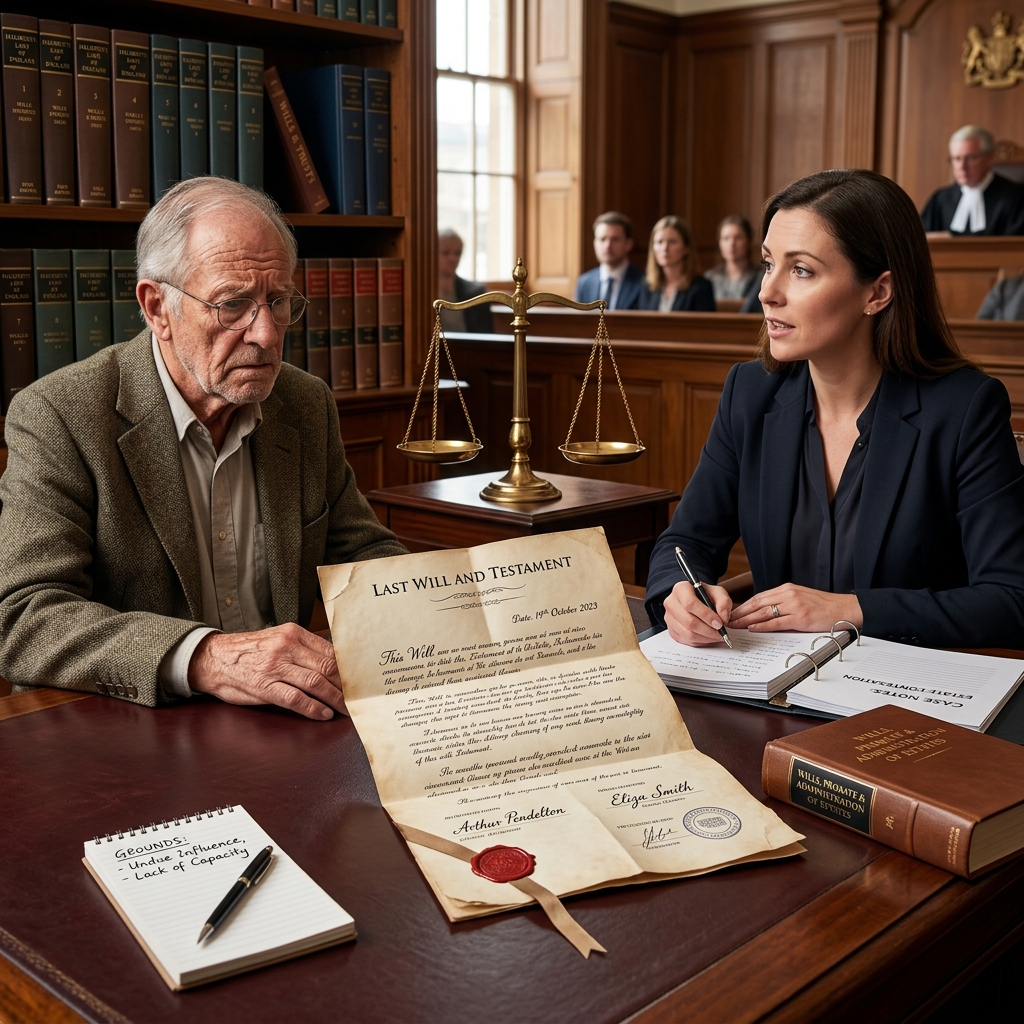
When a loved one dies, their will is meant to provide clarity about how their property will be distributed. Yet disputes are common. Family members, prior beneficiaries, and creditors sometimes believe a will is invalid or unfair, and they ask a court to review it. This legal process is called contesting a will, and it follows strict rules that vary by state.
This guide explains the core legal concepts behind will contests in the United States, including who can challenge a will, common grounds for contesting, state-specific time limits, and an overview of the probate litigation process. It is for information only and is not a substitute for personalized legal advice.
What Does It Mean to Contest a Will?
Contesting a will is a formal legal challenge to the validity of a deceased person’s last will and testament in probate court. The person bringing the challenge asks the court to declare the will wholly or partially invalid. If the court agrees, the estate may instead be distributed under a prior will or under state intestacy laws (the default rules that apply when there is no valid will).
Important points about will contests:
- A contest focuses on whether the will is legally valid, not whether it is morally fair.
- The challenge occurs in the probate court that is handling the estate.
- The person contesting must follow strict procedural rules and deadlines, which differ from state to state.
- If the will is upheld, the estate is distributed according to its terms. If it is invalidated, the court looks to earlier documents or default inheritance rules.
Who Has the Right to Contest a Will?
Not everyone who dislikes the contents of a will can challenge it. To bring a will contest, you must have legal standing—a recognized, direct financial interest in the estate’s outcome. Courts generally limit contests to people who would gain or lose money or property depending on whether the will is enforced.
Understanding Legal Standing
Legal standing is the requirement that a person initiating a lawsuit have a sufficient stake in its outcome. In the context of wills, standing typically exists when the individual is an “interested person”—someone who is named in the will or who would inherit if the will were set aside.
Common categories of people who may have standing include:
- Current beneficiaries named in the will.
- Beneficiaries under a prior will whose gifts were reduced or removed in the newer document.
- Heirs at law (such as spouses, children, or other relatives) who would inherit under intestacy if no valid will existed.
- Creditors or others with a direct financial claim against the estate.
- Fiduciaries such as executors or trustees, in some states, if their duties are directly affected.
If you would receive nothing from the estate whether or not the will is enforced, you typically lack standing and cannot contest the will.
Examples of Standing in Practice
| Person | Relationship to Estate | Likely Standing? | Reason |
|---|---|---|---|
| Adult child omitted from will | Heir at law | Yes | Would inherit under intestacy if the will is invalidated. |
| Neighbor named in prior will only | Prior beneficiary | Yes | Might receive a gift if the current will is set aside. |
| Distant acquaintance with no gift | No legal interest | No | Does not gain or lose financially based on the contest outcome. |
| Credit card company | Estate creditor | Possibly | Has a financial claim that may be affected by how the estate is administered. |
Common Legal Grounds for Contesting a Will
Having standing is only the first requirement. A contestant must also allege one or more valid legal grounds showing why the will should be deemed invalid. Courts will not set aside a will simply because it seems unfair or unexpected.
Although the detailed rules differ by state, certain grounds are recognized widely across the United States:
Lack of Testamentary Capacity
To sign a valid will, the person (called the testator) must have testamentary capacity. This generally means that at the time of signing, they understood:
- That they were signing a will.
- The nature and extent of their property.
- The natural objects of their bounty (such as close family members).
- How the will disposes of their assets.
Evidence of serious cognitive impairment, advanced dementia, or confusion at the time of execution may support a claim of lack of capacity. Medical records, witness testimony, and expert opinions are often crucial.
Undue Influence
Undue influence occurs when someone exerts improper pressure on the testator so that the will reflects the influencer’s desires rather than the testator’s free choices. This is more than ordinary persuasion; it involves domination or manipulation defeating the testator’s independent judgment.
Courts typically look at factors such as:
- The vulnerability of the testator.
- The influencer’s opportunity to control the testator.
- Sudden or radical changes in the will benefiting the influencer.
- Isolation from family or advisors.
Fraud or Forgery
A will may be invalid if it was procured by fraud or if the testator’s signature or the document itself was forged. Examples include:
- Misrepresenting the document as something other than a will.
- Concealing pages or substituting a different will.
- Falsifying the testator’s signature.
In many states, the statute of limitations for fraud-based claims may begin when the fraud is discovered rather than at the time of probate, which can extend the window to challenge.
Improper Execution
Most states require that wills meet specific formalities, such as:
- A written document.
- Signed by the testator.
- Witnessed by two qualified individuals in the testator’s presence.
If these formalities are not followed—for example, if a required witness did not actually observe the signing—an interested party may contest the will for improper execution.
Revocation or a More Recent Will
A will can also be challenged if there is evidence that the testator revoked it or signed a later valid will that supersedes it. Courts then determine which document governs, based on state law and the timing and validity of each instrument.
State-Specific Deadlines and Procedural Rules
Even if you have standing and valid grounds, you must act within strict deadlines. Each state sets a statute of limitations for bringing a will contest, typically measured from the date the will is admitted to probate or when notice is given to interested parties. Missing these deadlines can permanently bar your claim.
Typical Timeframes
Across the U.S., will contest deadlines commonly range from a few months to several years:
- Many states require contests to be filed within three months to two years after probate begins.
- Some states start the clock when notice to creditors or heirs is published.
- Certain states provide different timelines when fraud is alleged, starting on the date the fraud is discovered.
- North Carolina, for example, requires a will contest to be filed within three years of the will’s admission to probate.
Because the rules are technical and vary widely, consulting an attorney familiar with your state’s probate statutes is essential before deadlines pass.
Jurisdiction and Conflicting State Laws
When a testator had connections to multiple states—for example, living in one state while owning property in another—conflicting state laws can complicate will contests. Executors and heirs may need advice from lawyers admitted in each relevant state to understand which court has authority and which law applies.
Best practices in multi-state situations include:
- Working with counsel knowledgeable about each involved state’s probate rules.
- Tracking and complying with contest deadlines in every relevant jurisdiction.
- Maintaining robust documentation about the testator’s residence, assets, and the circumstances of will execution.
Overview of the Will Contest Process
Although details differ by state, most will contests follow a similar litigation trajectory. The burden of proof generally lies with the contestant, who must produce evidence to show the will is invalid under recognized legal grounds.
Typical Steps in a Will Contest
- Initial Assessment
Determine whether you have standing and a plausible legal ground to challenge the will. Reviewing prior estate planning documents, medical records, and communication history can help identify issues such as capacity or undue influence. - Consulting a Probate or Estate Litigation Attorney
Because will contests are complex and evidence-intensive, working with a lawyer experienced in probate litigation is strongly recommended. They can evaluate the case, explain risks, and advise on costs and timelines. - Filing the Contest in Probate Court
To formally begin the challenge, the contestant must file a petition or caveat in the probate court where the will is being probated. The document typically outlines:
- The contestant’s relationship to the deceased.
- The legal basis for standing.
- The specific grounds for contest (e.g., lack of capacity, undue influence).
- The relief requested (such as invalidating the will).
- Notice to Interested Parties
The court ensures that all interested persons—beneficiaries, heirs, and sometimes creditors—receive notice of the contest, giving them an opportunity to respond. - Evidence Gathering and Discovery
Both sides collect evidence through discovery. This may include:
- Medical records and evaluations of the testator.
- Testimony from witnesses present at the will signing.
- Financial and communication records.
- Expert opinions from doctors, handwriting analysts, or other specialists.
- Mediation and Settlement Discussions
Many will contests settle before trial, often through mediation. Settlement can reduce the cost, emotional strain, and delay associated with full litigation. - Trial and Court Decision
If settlement fails, the case proceeds to trial in probate or superior court. A judge (or sometimes a jury) hears evidence and decides whether the will is valid. The court may uphold the will, invalidate it entirely, or invalidate specific provisions only. - Appeals
Parties who disagree with the judgment may appeal, generally arguing that the court misapplied the law or made procedural errors. Appeals focus on legal issues, not simply dissatisfaction with the outcome.
Practical Considerations Before You Contest a Will
Contesting a will is serious. It can strain family relationships, take years, and generate substantial legal costs. Before filing, it is wise to consider the broader implications.
Key Questions to Ask Yourself
- Is my financial stake significant enough to justify the expense?
- Do I have concrete evidence—documents, witnesses, medical records—supporting allegations like undue influence or lack of capacity?
- Have I evaluated non-litigation options, such as negotiation or mediation, that might resolve the dispute more quickly?
- Do I understand the applicable deadlines and procedural requirements in my state?
Role of Professional Legal Advice
Because probate contests involve technical rules and detailed factual analysis, professional advice is crucial. Lawyers who regularly handle estates and will contests can:
- Assess whether you have standing and viable grounds.
- Explain your state’s specific contest timelines and procedures.
- Estimate potential costs and likelihood of success.
- Represent you in negotiations, mediation, and court proceedings.
Frequently Asked Questions About Contesting a Will
1. Can I contest a will simply because I feel the distribution is unfair?
No. Feeling that a will is unfair is not enough. Courts require both standing and legally recognized grounds, such as lack of testamentary capacity, undue influence, fraud, or improper execution.
2. How long do I have to contest a will in my state?
Deadlines vary by state. Many require contests to be filed within three months to two years after the will is admitted to probate, but some have shorter or longer periods, and special rules may apply for fraud. You should consult an attorney promptly after learning about the will.
3. Who qualifies as an “interested person” for purposes of standing?
Typically, interested persons include beneficiaries named in the current or prior will, heirs who would inherit if no will existed, and sometimes creditors or fiduciaries with a direct financial interest. The exact definition is set by each state’s probate law.
4. Does contesting a will stop the probate process?
Filing a contest can delay final distribution of assets while the court resolves the dispute. However, probate may proceed in part—for example, to identify assets and pay undisputed debts—depending on the court’s orders and state law.
5. What happens if the court rules that the will is invalid?
If a will is declared invalid, the estate is typically administered under a valid prior will, if one exists. If there is no earlier valid will, the estate is distributed under the state’s intestacy laws, which specify default shares for surviving spouses, children, and other relatives.
6. Is mediation required in a will contest?
Some courts encourage or require mediation in probate disputes; others simply make it available. Mediation is often used because it can reduce costs and preserve family relationships compared to a full trial.
7. Can different states’ laws apply if the deceased owned property in multiple places?
Yes. Property and residence in different states can trigger conflicting law issues, and multiple courts may be involved. Executors and heirs should seek advice from attorneys familiar with each relevant state’s probate rules to coordinate strategy and meet all deadlines.
References
- Will Contests Under the Law — Justia. 2024-01-10. https://www.justia.com/estate-planning/wills/will-contests/
- Contesting a Will and Safeguarding Your Legacy — Manning Fulton & Skinner, P.A. 2023-07-15. https://www.manningfulton.com/blog/how-to-contest-a-will/
- Contesting a Will: What to Consider — MetLife Legal Resources. 2022-11-03. https://www.metlife.com/stories/legal/contesting-a-will/
- Contesting a Will: Successful Challenge Essentials — Western & Southern Financial Group. 2023-05-20. https://www.westernsouthern.com/retirement/contesting-a-will
- How to Challenge a Will in Florida: Grounds for Contesting an Estate — Beller & Bustamante, P.L. 2022-09-14. https://www.bbdglaw.com/how-to-challenge-a-will-in-florida-grounds-for-contesting-an-estate/
- Contesting a Will in Georgia — Hurban Law, LLC. 2023-03-08. https://hurbanlaw.com/contest-a-will-georgia/
- Will Contests – Probate Law Guide — Texas State Law Library. 2023-04-01. https://guides.sll.texas.gov/probate/will-contests
Similar Articles








Read full bio of Sneha Tete


