
Construction Workers’ Right to a Safe Workplace
Understand the safety rights, employer duties, and reporting options that protect construction workers on the job.
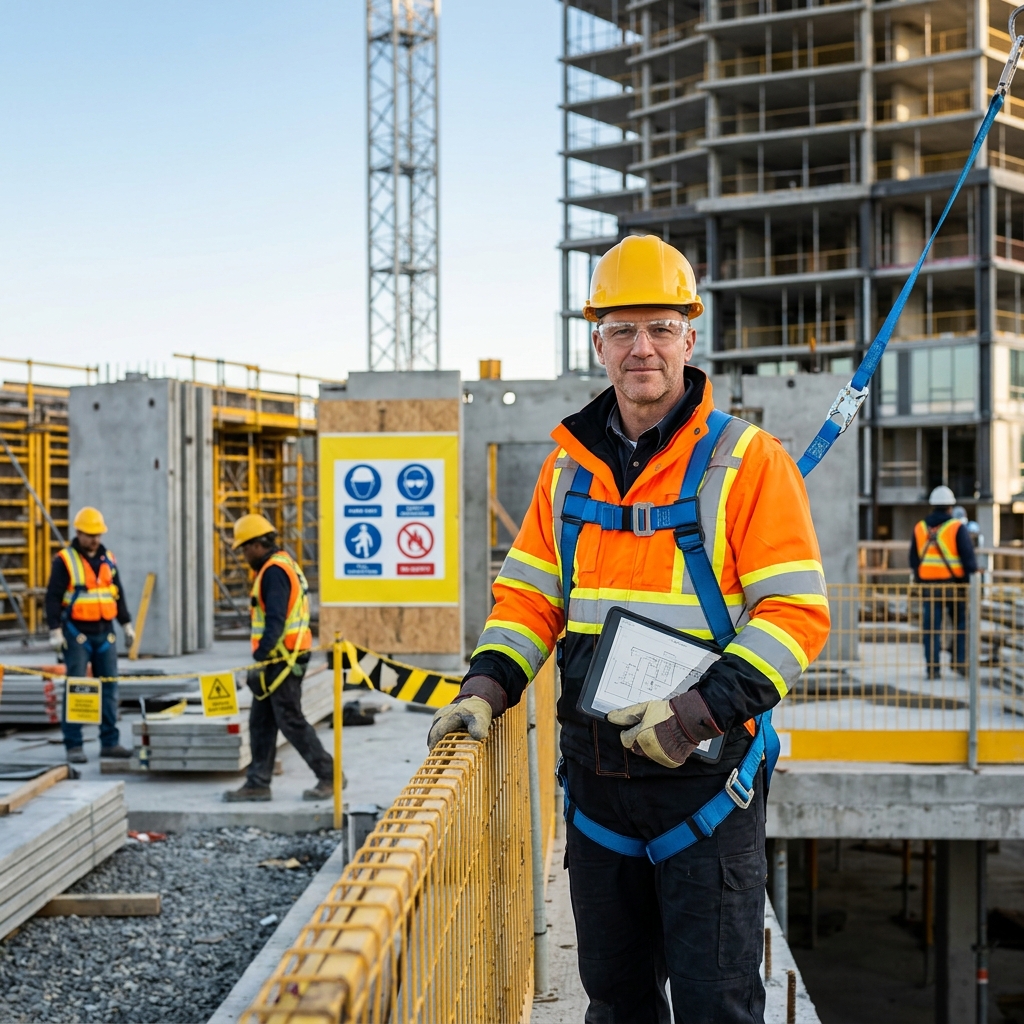
Construction work is one of the most hazardous occupations in the United States, with risks that include falls, struck-by incidents, electrocution, and equipment-related injuries. Federal safety law gives construction workers the right to a workplace that is as safe as possible under the circumstances, and it places concrete duties on employers to reduce foreseeable danger. OSHA’s construction standards and the OSH Act together establish a framework for training, reporting, inspection, and enforcement that workers can use when conditions become unsafe.
That legal framework matters because many jobsite injuries are preventable. When employers ignore warning signs, fail to train crews, skip protective measures, or retaliate against workers who speak up, they may violate federal safety rules. Knowing the basic rights built into the law helps workers recognize danger early, document problems, and take action before a serious injury occurs.
What “a safe workplace” means in construction
In construction, safety does not mean the absence of all risk. It means the employer must identify known hazards, control them with appropriate safeguards, and provide workers with the information and equipment needed to do the job safely. OSHA describes construction as an industry where workers may face serious dangers from heights, machinery, trenches, electrical systems, and moving vehicles, which is why the industry is governed by detailed safety standards.
In practical terms, a safe jobsite usually includes:
- Hazard assessment before work begins
- Clear safety rules and job-specific training
- Personal protective equipment when needed
- Functional tools, guards, and fall protection
- Prompt correction of known hazards
- Access to records and reporting channels for workers
Employer duties that support jobsite safety
Employers are required to do more than simply tell workers to be careful. OSHA expects them to maintain conditions that are free from recognized hazards and to use the protections required by the construction standards. That includes providing training, posting required notices, recording certain injuries and illnesses, and correcting hazards after they are identified.
Common employer obligations include:
- Posting the OSHA workplace rights notice in a visible location
- Providing training about hazards and prevention methods
- Keeping injury and illness records when required by law
- Making medical and exposure records available to workers
- Correcting unsafe conditions within a reasonable timeframe
- Protecting workers from discrimination for reporting safety concerns
These duties are important because many construction hazards are predictable. For example, fall risks can often be reduced through guardrails, covers, nets, or personal fall arrest systems, while electrical hazards can often be addressed by de-energizing circuits, replacing damaged cords, and maintaining safe distances from power lines. OSHA’s standards focus on these kinds of practical controls because they prevent injuries before they happen.
Rights workers can use when conditions look unsafe
Workers are not powerless when they see danger. OSHA gives employees a set of rights that help them understand workplace conditions and ask for changes. These rights include the ability to review relevant safety standards, access exposure and medical records, obtain hazard test results, and request an OSHA inspection when there are serious concerns about safety or health.
Workers also have the right to ask that their name remain confidential when they file a complaint in writing. OSHA explains that employees may notify OSHA about hazards and, in appropriate circumstances, request confidentiality so their identity is not shared with the employer.
| Worker right | Why it matters |
|---|---|
| Request an OSHA inspection | Helps trigger an official review of dangerous conditions |
| Review injury and exposure records | Allows workers to understand what hazards are present |
| Receive hazard test results | Shows whether air, chemicals, or equipment conditions are unsafe |
| File a confidential complaint | Reduces fear of identification when reporting problems |
| Be free from retaliation | Protects workers who report hazards or injuries |
Reporting hazards without fear of retaliation
One of the most important protections under OSHA is the right to report unsafe conditions without being punished for doing so. Federal guidance explains that workers may complain to their employer or to OSHA about workplace hazards, and they are protected from retaliatory actions such as firing, demotion, or other discipline tied to legitimate safety complaints.
Retaliation rules matter in construction because workers often depend on employers for daily assignments, overtime, and continued site access. If workers believe a task is dangerous, they can raise the issue, ask for correction, and in some situations request an inspection. If retaliation occurs after a report, the worker may have a separate legal issue beyond the underlying safety problem.
When a worker can refuse dangerous work
Construction workers sometimes face tasks that involve immediate and serious risk. Some legal guidance explains that a worker may refuse to perform a task if it presents an urgent danger to health or safety, but that right is not automatic. The worker should notify the employer of the hazard and give the employer an opportunity to address it before refusing the assignment.
This protection is narrow because the law favors correction over confrontation. The safest and most effective path is usually to report the hazard, document it, and ask for the dangerous condition to be fixed. If the hazard remains severe and immediate, the worker may need to step away from the task and seek further help from OSHA or another appropriate authority.
Common construction hazards and the protections that address them
Construction sites contain recurring hazards that OSHA addresses through detailed standards. Falls remain a central concern, especially when workers are on scaffolds, roofs, ladders, or unprotected edges. OSHA guidance emphasizes appropriate guardrails, toeboards, control systems, floor-hole protection, and fall arrest equipment as part of a broader prevention strategy.
Other common hazards include:
- Electrical dangers: frayed cords, exposed wiring, and work near energized equipment
- Struck-by hazards: falling materials, swinging loads, and moving vehicles
- Caught-in or caught-between hazards: trench collapses, machinery pinch points, and unstable structures
- Chemical exposure: dusts, solvents, and other substances that require training and controls
- Ladder and scaffold failures: damaged equipment, improper setup, or overloads
OSHA’s construction rules address these risks through equipment inspections, proper setup, training, and protective gear. For example, damaged ladders should not be used, scaffolds must be supported and guarded properly, and electrical equipment must be maintained so workers are not exposed to unnecessary shock or burn hazards.
Records workers may ask to see
Access to records is another key part of workplace safety. OSHA explains that workers may review relevant workplace standards, medical records, exposure records, and injury and illness records in certain circumstances. They may also be entitled to information about tests used to identify hazards at the site.
These records can be valuable for several reasons. They may show whether the employer knew about a recurring hazard, whether the company tested for a chemical or environmental issue, or whether other workers were injured under similar conditions. In a construction setting, documentation often helps connect a one-time incident to a broader pattern of safety failures.
What to do after a jobsite injury
If a construction worker is injured, the immediate priority is medical care. After emergency treatment or first aid, the worker should notify the employer and site supervisor, preserve evidence if possible, and document the scene. Safety-focused legal guidance commonly recommends taking photos of the area, keeping the equipment involved, and writing down what happened while the details are still fresh.
It is also important to preserve any records related to the injury. That may include witness names, incident reports, photos of the hazard, and medical documentation. If the injury is serious, OSHA reporting rules may also apply to the employer, especially when the incident involves a fatality, hospitalization, amputation, or loss of an eye.
How workers’ compensation fits into the picture
Unsafe conditions and workers’ compensation are related but not identical. OSHA focuses on prevention and enforcement, while workers’ compensation focuses on benefits after an injury occurs. In general, workers’ compensation can help pay medical bills and wage-loss benefits, even when no one is specifically at fault, while OSHA can investigate whether the employer violated safety rules.
That means an injured construction worker may have more than one path forward. A workers’ compensation claim can help with immediate losses, and an OSHA complaint may help address the underlying hazard so others are not harmed by the same problem. In some cases, a separate legal claim may also exist if a third party or another non-employer entity contributed to the injury.
Practical steps for workers who see danger
Workers who want to protect themselves and strengthen any later claim should act quickly and methodically. A short, organized response can make a major difference when an employer disputes what happened or whether the hazard was serious.
- Tell a supervisor about the hazard as soon as possible
- Write down the date, time, location, and names of witnesses
- Take photos or video of unsafe conditions when it is safe to do so
- Keep damaged tools, cords, or equipment if they are relevant evidence
- Ask for copies of incident reports and medical documentation
- Request OSHA involvement if the hazard remains uncorrected
Frequently asked questions
Do construction workers have a legal right to a safe workplace?
Yes. OSHA gives construction workers rights tied to safety, information, reporting, and protection from retaliation, while the OSH Act requires employers to keep workplaces free from recognized serious hazards.
Can a worker report a hazard anonymously?
Workers can request confidentiality when they file a written complaint with OSHA, and OSHA explains that an employee’s name can be withheld from the employer in appropriate circumstances.
What if the employer says the danger is part of the job?
Some construction work is inherently risky, but employers still must use required safety measures. A hazard being common does not mean it can be ignored, and OSHA standards still apply.
Can a worker be punished for filing an OSHA complaint?
No. OSHA states that workers have protection from discrimination and retaliation for exercising their safety rights, including reporting injuries or workplace hazards.
Does OSHA replace workers’ compensation?
No. OSHA enforces safety rules, while workers’ compensation provides benefits after many on-the-job injuries. The two systems serve different purposes and can both matter after a construction accident.
Why documentation matters in construction safety cases
Documentation often decides whether a complaint leads to action. A worker who can show the unsafe condition, identify witnesses, and preserve the equipment or material involved gives regulators and claim reviewers a clearer picture of what went wrong. That evidence may also help show whether the employer ignored a known hazard, failed to train workers, or delayed necessary repairs.
For that reason, construction workers should treat safety concerns as both a live danger and a record-keeping issue. A well-documented hazard is easier to correct, easier to investigate, and harder to deny later.
References
- Workers’ Rights — Occupational Safety and Health Administration. 2023-08-01. https://www.osha.gov/sites/default/files/publications/OSHA3021.pdf
- 5 Rights Every Construction Worker Should Know — Jacob Fights. 2025-01-15. https://jacobfights.com/5-rights-every-construction-worker-should-know/
- Employee Rights Under OSHA — USFOSHA. 2024-10-10. https://www.usfosha.com/osha-articles/employee-rights-under-osha/
- Construction Workers’ Rights in the Workplace — Phillips Law Group. 2024-06-03. https://phillipslaw.com/blog/construction-workers-safety-rights/
- Construction Industry — Occupational Safety and Health Administration. 2026-01-12. https://www.osha.gov/construction
- What Is OSHA’s Role In Construction Safety Standards? — Dakota Safety. 2025-02-20. https://www.dakotasafety.com/blogs/blog/what-is-oshas-role-in-construction-safety-standards
- Laws and Regulations — Occupational Safety and Health Administration. 2026-02-18. https://www.osha.gov/laws-regs
Similar Articles








Read full bio of Sneha Tete




