
Colorado Insurance Fraud: Laws, Penalties, and Prevention
Understand how Colorado defines insurance fraud, the criminal penalties it carries, and practical steps you can take to avoid violations and protect yourself.
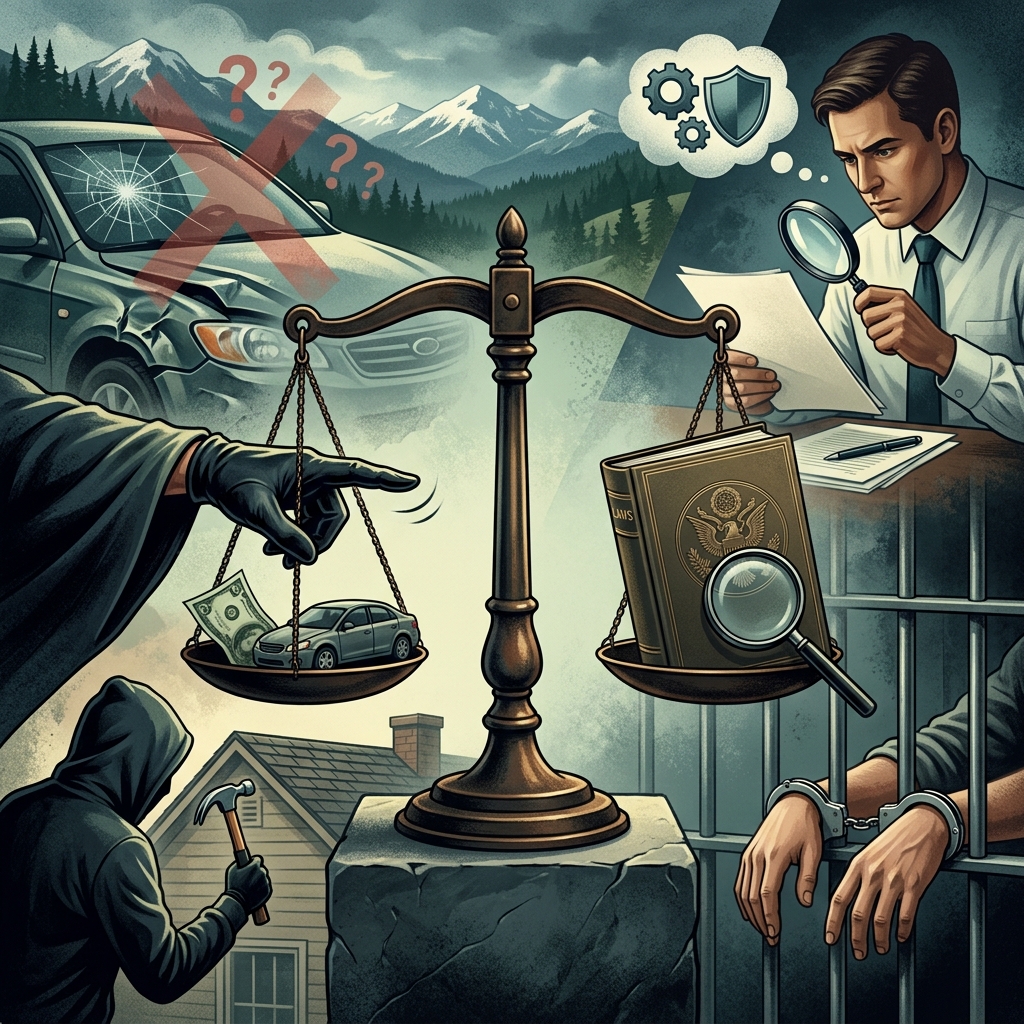
Insurance is built on trust: policyholders trust insurers to pay valid claims, and insurers trust applicants and claimants to provide honest information. In Colorado, deliberately breaking that trust through deceptive conduct can amount to insurance fraud, a criminal offense that may result in jail time, substantial fines, and other serious consequences. This guide explains how Colorado law defines insurance fraud, outlines key types of fraudulent insurance acts, summarizes penalties, and offers practical strategies for avoiding violations and responding to suspected fraud.
What Counts as Insurance Fraud in Colorado?
Under Colorado law, insurance fraud involves intentionally using false, incomplete, or misleading information, or misusing insurance funds, in order to obtain an unwarranted benefit or cause another party financial harm. The focus is on knowing conduct coupled with an intent to defraud. Honest mistakes, such as accidentally misreporting a claim detail without deceptive intent, generally do not meet the legal threshold for fraud.
Colorado statutes recognize several core ways a person can commit insurance-related fraud, including:
- False or misleading applications for insurance coverage or changes to coverage.
- Fraudulent claims for payment or other benefits under a policy.
- Misappropriation of premium funds belonging to an insurer or insured.
- Fabricated or altered proof of insurance documents.
Colorado also uses the broader concept of a fraudulent insurance act. This term describes presenting, preparing, or causing to be presented any written statement related to an application or claim that someone knows contains false material information, or omits material facts, with intent to defraud or mislead an insurer or insurance producer.
Key Legal Framework: CRS 18-5-211 and Section 10-1-128
Two primary legal provisions govern insurance fraud in Colorado:
- Colorado Revised Statutes (CRS) § 18-5-211, part of the Criminal Code, specifically defines criminal insurance fraud and sets out offense classifications and penalties.
- Colorado Revised Statutes § 10-1-128, within the state’s insurance laws, defines fraudulent insurance acts and requires warning language on insurance forms.
These statutes work together. CRS § 18-5-211 targets the criminal behavior itself, such as submitting fraudulent applications or misappropriating premiums. CRS § 10-1-128, in turn, focuses on regulatory aspects, including standard warning statements that must appear on insurance forms to notify consumers that providing false information can lead to criminal and civil penalties.
Fraudulent Insurance Acts: Regulatory Definition
Colorado’s insurance code describes a fraudulent insurance act as occurring when a person knowingly and with intent to defraud:
- Presents or causes to be presented any written statement in support of an insurance application or claim that contains false information about a material fact; or
- Conceals information about a material fact related to the application or claim.
This broad definition covers many types of behavior, from falsified medical information on a health insurance application to inflated repair estimates connected to an auto claim.
Types of Criminal Insurance Fraud Under CRS 18-5-211
CRS § 18-5-211 breaks down criminal insurance fraud into several specific behaviors. Understanding each type is essential for both consumers and professionals who handle insurance transactions.
1. Fraudulent Applications or Requests for Coverage
One way to commit insurance fraud is by submitting an application or request for issuance, renewal, or modification of insurance coverage that includes false material information or withholds required information, with an intent to defraud. If this conduct leads to coverage being issued or maintained based on the misrepresentation, Colorado treats it as a criminal offense.
Examples can include:
- Claiming a lower-risk occupation or omitting hazardous job duties to reduce premiums.
- Failing to disclose prior losses or claims when the application explicitly asks for this history.
- Concealing major health conditions on a life or health insurance application to secure coverage that might otherwise be denied or rated differently.
2. Fraudulent Claims and Supporting Documentation
Insurance fraud also occurs when a person files or supports a claim for payment or benefits using statements or documents that they know contain false information about material facts, or when they hide material information, intending to deceive the insurer.
Common patterns include:
- Reporting damage that existed before the insured event as if it were caused by the incident.
- Exaggerating the extent of injuries or property loss to increase payout.
- Submitting fabricated invoices, receipts, or medical reports.
3. Misappropriation of Premium Funds
Colorado treats misappropriation of premium funds as a distinct and serious form of insurance fraud. A person commits this offense if they knowingly move, divert, or misappropriate premium funds belonging either to an insurer or to an insured/applicant, from a trust or other account, without authorization or lawful justification.
This often involves:
- Insurance producers or intermediaries who divert premiums for personal use instead of forwarding them to the insurer.
- Using customer premium payments to cover unrelated business expenses.
4. False Proof of Insurance
A further category includes making, altering, presenting, or causing to be presented any certificate or evidence of insurance that contains false material information or omits material information, with intent to defraud. This could include fake insurance cards, altered declarations pages, or forged certificates used to show coverage where none exists or where terms are misrepresented.
Penalties for Insurance Fraud in Colorado
The severity of punishment for insurance fraud depends on the specific subsection violated. CRS § 18-5-211 assigns different offense classes to different forms of conduct. In addition, Colorado’s general fraudulent insurance act statute warns that penalties may include imprisonment, fines, denial of insurance, and civil damages.
| Type of conduct | Statutory reference | Offense class |
|---|---|---|
| Fraudulent application leading to issuance or coverage | CRS 18-5-211(1)(a) | Class 2 misdemeanor |
| Fraudulent conduct involving other subsections (many claim-related acts) | CRS 18-5-211(1)(b)-(1)(e), (3) | Class 6 felony |
| Misappropriation of premium funds | CRS 18-5-211(2) | Class 5 felony |
Felony convictions can carry prison terms and substantial fines. Colorado practitioner materials note that misappropriation of insurance premiums may be punished as a class 5 felony, with prison exposure and long probation terms depending on the loss amount and sentencing factors. Beyond criminal penalties, insurers or policyholders harmed by fraud may pursue civil remedies for losses.
Additionally, Section 10-1-128 emphasizes that fraudulent insurance acts may result in:
- Imprisonment and criminal fines.
- Denial of insurance coverage or benefits.
- Civil damages, such as restitution and other monetary judgments.
Mandatory Fraud Warning Language on Colorado Insurance Forms
To reduce fraud and ensure consumers are clearly informed, Colorado law requires insurers to include a conspicuous warning on printed or electronic insurance applications, policies, and claim forms. This warning must closely track statutorily prescribed wording and state that it is unlawful to knowingly provide false, incomplete, or misleading facts or information to an insurance company for the purpose of defrauding or attempting to defraud.
The warning flag also explains that:
- Penalties may include imprisonment, fines, denial of insurance, and civil damages.
- Any insurance company or agent that knowingly defrauds a policyholder or claimant with respect to a settlement or award must be reported to the Colorado Division of Insurance.
This requirement underscores that fraud can be committed by both consumers and insurance professionals. Insurers must take care not only to prevent fraudulent claims but also to avoid deceptive tactics against policyholders.
How Insurance Fraud Harms Colorado Consumers
Insurance fraud is not a victimless crime. The Colorado Attorney General’s office notes that fraud against insurers ultimately victimizes everyone who pays premiums. Costs associated with investigating, litigating, and paying fraudulent claims are often passed on through higher premiums and reduced benefits.
Broader impacts include:
- Higher costs for honest policyholders, who may pay more for coverage due to increased claim expenses.
- Reduced trust between insurers and customers, which can lead to more stringent underwriting and claim review processes.
- Resource diversion, as law enforcement and regulators must allocate time and funding to combat fraudulent schemes instead of other priorities.
Preventing Insurance Fraud: Practical Tips
Both consumers and insurance professionals can take steps to reduce the risk of fraud. Prevention begins with careful communication and documentation.
For Policyholders and Claimants
- Give accurate, complete information on applications and claim forms. Avoid guessing; if uncertain, clarify with your agent or insurer.
- Keep records of important documents, such as policy declarations, receipts, medical reports, and repair estimates.
- Review your policy carefully to understand coverage, exclusions, and reporting obligations.
- Be cautious of exaggeration. Even small misstatements intended to increase a payout can cross the line into fraud if they are deliberate.
- Report suspicious behavior if someone encourages you to inflate or fabricate a claim. Colorado authorities provide mechanisms for reporting such conduct.
For Insurance Professionals
- Follow trust account rules for premium funds and avoid commingling client premiums with other funds.
- Use fraud warning language that complies with Section 10-1-128 to ensure customers understand the consequences of dishonest statements.
- Implement internal controls for claim review, documentation, and approvals.
- Train staff to recognize red flags such as inconsistent stories, mismatched documentation, or repeated suspicious claims.
- Cooperate with regulators when fraud is suspected, including reporting conduct that may violate state law.
Reporting Insurance Fraud in Colorado
Colorado encourages consumers and professionals to report suspected insurance fraud. The Colorado Attorney General’s Stop Fraud Colorado initiative provides guidance and reporting channels for various types of fraud, including insurance-related schemes. Additionally, the Colorado Division of Insurance, part of the Department of Regulatory Agencies, offers a consumer portal for complaints and requests for assistance concerning insurance matters.
If you suspect insurance fraud, possible steps include:
- Contacting the Colorado Attorney General’s office to submit a tip or obtain guidance on insurance fraud issues.
- Filing a complaint with the Colorado Division of Insurance using its online consumer portal, which allows you to provide documentation and communicate about your complaint.
- Speaking with law enforcement if you believe a crime has been committed, particularly in cases involving large losses or organized schemes.
- Consulting a licensed attorney to understand your rights and obligations, especially if you are involved in a dispute or investigation.
Frequently Asked Questions (FAQs)
Is every incorrect statement on an insurance form considered fraud?
No. Colorado law focuses on statements made knowingly and with an intent to defraud. Accidental errors or misunderstandings are not automatically criminal. However, repeated or reckless misstatements may raise questions about intent, so accuracy and prompt correction of mistakes are critical.
Can insurance agents and companies themselves commit insurance fraud under Colorado law?
Yes. Colorado’s warning language specifically recognizes that insurance companies and agents can commit fraud when they knowingly provide false, incomplete, or misleading information to policyholders or claimants in connection with settlements or awards. Such conduct must be reported to the Colorado Division of Insurance, and may lead to regulatory or criminal consequences.
Is misappropriation of premiums treated differently from other fraud?
Yes. CRS § 18-5-211 makes misappropriating premium funds a separate offense classified as a class 5 felony. This reflects the seriousness of misusing funds held in trust for insurers or insureds. Penalties can include prison time and substantial fines, along with professional discipline for licensed insurance producers.
Do all Colorado insurance forms have to include fraud warnings?
Most do. Section 10-1-128 requires conspicuous fraud warning statements on printed and electronically transmitted applications, policies, and claim forms provided or required by insurers or by law, with some exceptions for reinsurance transactions. This is intended to ensure that individuals are aware of the legal consequences of providing false information.
What should I do if I realize I made a mistake on my claim after submitting it?
Contact your insurer or agent as soon as possible, explain the error, and provide corrected information. Prompt, good-faith corrections support the conclusion that any mistake was not intentional fraud. If you are concerned about potential legal exposure, consider seeking advice from an attorney familiar with Colorado insurance and criminal law.
References
- Colorado Revised Statutes Title 18, Criminal Code § 18-5-211 — Colorado General Assembly / FindLaw. 2024-01-01. https://codes.findlaw.com/co/title-18-criminal-code/co-rev-st-sect-18-5-211/
- Colorado Revised Statutes § 10-1-128, General Provisions — Colorado General Assembly / Justia. 2024-01-01. https://law.justia.com/codes/colorado/title-10/general-provisions/article-1/part-1/section-10-1-128/
- Insurance Fraud – Colorado Law & Penalties – CRS 18-5-211 — Colorado Legal Defense Group. 2023-06-01. https://cldg.legal/laws/insurance-fraud/
- Colorado-Fraud Warning-Section 10-1-128 (6A) — InsuranceFraud.org. 2022-05-01. https://insurancefraud.org/regulations/colorado-fraud-warning-section-10-1-128-6a/
- Claims Fraud Warnings by State: Colorado — Grinnell Mutual. 2022-03-01. https://www.grinnellmutual.com/claims/State-Fraud-Warning
- Insurance Fraud — Stop Fraud Colorado, Office of the Colorado Attorney General. 2023-02-01. https://stopfraudcolorado.gov/fraud-center/insurance-fraud/
- File a Complaint — Colorado Division of Insurance (DORA). 2023-04-01. https://doi.colorado.gov/for-consumers/file-a-complaint
Similar Articles








Read full bio of Sneha Tete




