
Closing a CPS Case: Practical Steps for Parents
Learn how CPS investigations work, what caseworkers look for, and the concrete actions that help you move toward case closure and family stability.
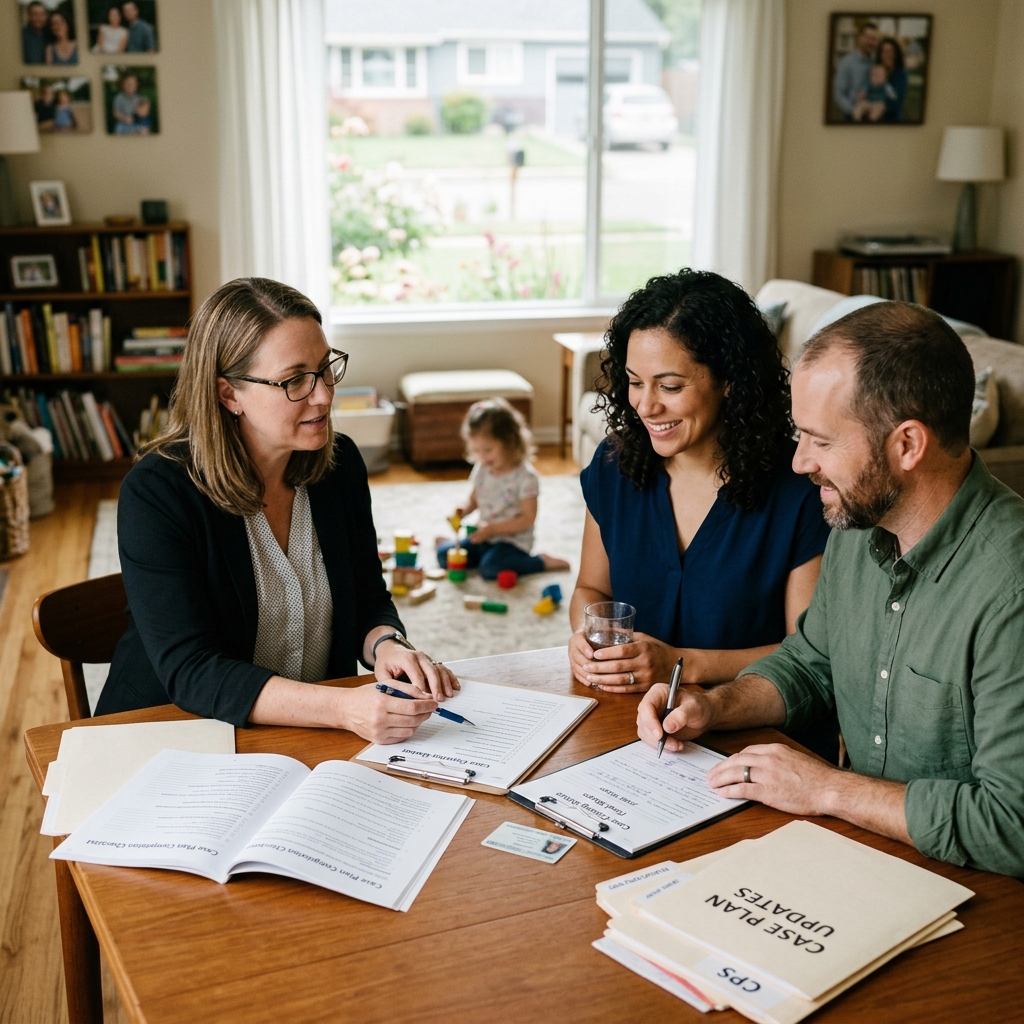
When Child Protective Services (CPS) opens a case involving your family, it can be overwhelming, confusing, and frightening. Yet in every state, CPS has clear standards for closing cases once they determine a child is safe and the family has addressed identified risks. This article explains how CPS investigations work, what caseworkers and courts look for, and the concrete actions that can help you move toward case closure while protecting your parental rights.
Understanding What CPS Case Closure Really Means
Case closure is not simply the end of home visits; it is a formal decision by the agency that your child can remain safely in your care and that further CPS involvement is not currently necessary. Depending on the state, closure may occur after an investigation is completed, after in-home services are provided, or following a dependency court case.
From CPS’s perspective, a case can be closed when key questions about safety and risk have been answered in your favor. Typical considerations include whether:
- Safety concerns have been addressed and no longer pose a significant risk to the child.
- Basic needs such as housing, food, clothing, and health care are reliably met.
- Parents demonstrate a willingness and ability to seek help in times of crisis.
- The home is free from major hazards and supports the child’s well-being.
- Family relationships show healthy interaction and the child is responding well to changes.
If these elements are present and sustained over time, CPS is more likely to determine that continued monitoring is not necessary and close the case.
How CPS Investigations Typically Work
Although specific procedures vary by state, CPS investigations follow a common pattern. In many jurisdictions, the agency has a limited period—often around 60 to 90 days—to investigate allegations and decide whether services or court involvement are needed. During that time, caseworkers gather information from multiple sources to assess safety.
Key Steps in an Investigation
- Initial assessment: CPS reviews the report of suspected abuse or neglect to determine whether it meets the legal threshold for investigation.
- Contact with the family: A caseworker attempts to speak with the parents and child, often starting with unannounced visits.
- Interviews with others: CPS may contact teachers, medical providers, neighbors, or relatives who have information about the child’s situation.
- Home observations: The worker assesses living conditions, supervision, and family dynamics within the household.
- Risk and safety decision: Based on collected information, CPS decides whether to close the case, provide voluntary services, or seek court intervention.
Throughout this process, CPS is focused on whether the child is safe now, whether risk factors can be managed with services, and whether legal action is necessary to protect the child.
Your Rights and Choices During CPS Contact
Parents have rights during CPS investigations, but exercising those rights requires an understanding of how they interact with safety concerns and case outcomes. In many states, you are not required to allow entry into your home or answer every question, especially if there is no court order or emergency—but your decisions can affect how CPS views cooperation and risk.
Entry Into the Home
Typically, CPS can enter your home in only a few circumstances:
- With your consent. You may agree to let the worker in voluntarily.
- With a court order or warrant. If a judge authorizes entry or removal, CPS can enter even without consent.
- In an emergency. When there is reasonable belief that a child is in immediate danger, CPS or law enforcement may remove the child without a warrant.
You generally have the right to refuse entry when there is no warrant or emergency, and to ask the worker to return at a different time. However, refusal may prompt CPS to seek court involvement if they believe serious risks exist. Many parents choose to allow entry after speaking with an attorney and preparing for the visit.
Answering Questions
Anything you tell a caseworker can be used in reports and court documents, including your statements and behavior. You usually have the right to:
- Ask what the allegations are before answering substantive questions.
- Decline to answer certain questions, especially those that seem unrelated to the concerns raised.
- Request time to consult an attorney before speaking in depth with CPS.
Balancing honesty and legal protection is crucial. Many parents benefit from legal advice about how to respond accurately without volunteering information that could be misinterpreted.
Legal Representation
In some states, you have the right to seek legal help at any stage of CPS involvement, though you may not always be guaranteed a court-appointed attorney in non-court investigations. An attorney can:
- Explain local laws and CPS policies.
- Help you prepare for interviews and home visits.
- Review proposed safety plans or agreements before you sign.
- Represent you in any dependency or family court hearings.
Early legal guidance often makes it easier to avoid misunderstandings and build a clear record of your efforts to keep your child safe.
The Role of Safety Plans and Services
In many cases, CPS seeks to keep children safely with their families by using safety plans and in-home services instead of immediate removal. These plans outline specific steps you agree to take to reduce risk, such as participating in counseling, securing stable housing, or limiting contact with certain individuals.
What a Safety Plan Usually Includes
- Identified concerns: Clear statements of what CPS believes puts the child at risk.
- Required actions: Tasks or services (for example, parenting classes, therapy, substance use treatment) you must complete.
- Support network: Named relatives, friends, or professionals who will help monitor and support safety.
- Time frame: Safety plans typically have a defined end date and may last for several months.
Parents who engage fully with these plans and demonstrate tangible changes are more likely to see their CPS cases closed once the plan ends and progress is sustained.
How Caseworkers Evaluate Progress
When deciding whether to close a case or seek legal action, caseworkers look not only at whether services were attended, but whether underlying safety concerns have truly changed. Common questions include:
- Have parents addressed the issues that led to the abuse or neglect allegations?
- Do parents now recognize warning signs of crisis and know how to respond?
- Is there a plan for future emergencies, and have they shared this plan with their support network?
- Are parenting expectations realistic and appropriate for the child’s age?
Demonstrating sustained improvements—rather than short-term compliance—helps show that CPS goals have been met and that case closure is safe.
Dependency Court and Case Closure Decisions
When CPS believes court oversight is necessary, they may file a petition in juvenile or dependency court seeking orders about custody, services, or possible removal. The court then reviews evidence from CPS, parents, and other parties to decide what is needed to protect the child.
Possible Outcomes of Court Involvement
| Outcome | What It Means | Impact on Case Closure |
|---|---|---|
| Dismissal of petition | The court finds insufficient evidence to support continued intervention. | CPS may close the case or reduce involvement once the court’s order is issued. |
| Supervision with child in home | The child remains with parents under court-ordered conditions. | Case closure may occur after parents meet conditions and show sustained safety. |
| Temporary removal | The child lives with relatives or foster parents while parents work a case plan. | Case closure generally comes only after reunification and completion of required services. |
| Termination of parental rights | In extreme situations, the court may permanently end parental rights. | CPS involvement continues for the child, but the original parents’ case is closed in a different legal sense. |
At key hearings, the court reviews whether parents have complied with orders and whether the child’s safety is ensured. When the judge is satisfied that the reasons for court involvement have been resolved, they may issue a dismissal or closure order, which allows CPS to formally close the case.
Practical Steps That Support Case Closure
There is no guaranteed way to make CPS close a case quickly. However, consistent, documented efforts to ensure safety can move the process forward and demonstrate that further intervention is unnecessary. The following actions often help:
- Engage proactively with CPS. Cooperate with reasonable requests for information, visits, and services while staying aware of your rights.
- Prepare for home visits. Make sure the home is clean, free of obvious hazards, and stocked with food and basic necessities. Be ready to show where the child sleeps and plays.
- Provide requested documents promptly. Employment records, medical records, and school reports help demonstrate stability and child well-being.
- Follow through with services. Complete counseling, classes, or treatment programs recommended in your safety plan and keep proof of attendance.
- Build a support network. Involvement of relatives, community resources, and professionals reassures CPS that you have help in a crisis.
- Maintain open communication with your attorney. Share updates, concerns, and any new issues so they can advise you and present your progress effectively.
Because caseworkers and courts emphasize long-term safety, they look for patterns of behavior, not isolated efforts. Documenting your progress with calendars, certificates, and written plans can help show that changes are real and sustainable.
Common Challenges Parents Face
Parents often encounter practical and emotional obstacles during a CPS case. Recognizing these challenges and addressing them directly can help prevent delays in case closure.
- Transportation and scheduling barriers. Missing appointments for services or court due to lack of transportation or childcare may be misinterpreted as noncompliance. Communicate early and request accommodations when needed.
- Mistrust and fear of CPS. While fear is understandable, complete avoidance may lengthen or escalate the case. Many families benefit from advocacy organizations, legal counsel, or support groups to navigate CPS contact more confidently.
- Complex mental health or substance use needs. Serious challenges often require time and sustained treatment. Demonstrating honest engagement with professional help is usually viewed more favorably than denying problems.
- Confusing legal processes. Dependency and family court procedures can be difficult to follow. Request clear explanations from your lawyer and ask for written summaries of orders and expectations.
By addressing these obstacles directly, parents can reduce misunderstandings and show CPS and the court that they are committed to long-term safety and stability.
After Case Closure: Ongoing Considerations
Even after CPS closes a case, certain records and court orders may continue to affect your family. Some states keep CPS records confidential but accessible to courts, law enforcement, and related agencies. Parents may need to consider:
- Existing custody or visitation orders. Orders issued during a CPS case may need to be modified once circumstances change or CPS involvement ends.
- Access to CPS records. In some jurisdictions, you can request your case file to understand what was documented and how decisions were made.
- Potential record sealing or expungement. Where permitted by law, parents may try to limit future use of unsubstantiated or ruled-out allegations.
- Continuing safety planning. Even without CPS oversight, keeping a written crisis plan and support network can help preserve gains and protect the child.
Consulting with a family law attorney about post-closure issues—such as custody modifications and record options—can help you fully move past the CPS case.
Frequently Asked Questions About CPS Case Closure
How long does a CPS investigation usually last?
Time frames vary by state. In many places, CPS must complete its initial investigation within a set period, such as up to 90 days, though service cases or court oversight can extend involvement. Ask your caseworker or attorney about deadlines and review dates that apply in your jurisdiction.
Can I refuse to let CPS into my home?
In many states, you may decline entry if the worker does not have a warrant and there is no emergency. However, if CPS believes your child is at serious risk, they may seek court orders or involve law enforcement. Before refusing entry, consider consulting with an attorney about how to protect your rights while addressing safety concerns.
What if I disagree with the safety plan?
You are generally not required to sign a voluntary safety plan, but refusing may lead CPS to consider court intervention if they believe risk is high. Talk with a lawyer about proposed terms; in some cases, safety plans can be adjusted to better reflect your circumstances while still addressing CPS concerns.
Is there any way to close a CPS case quickly?
There is no legal shortcut or guaranteed way to end a CPS case rapidly. The most effective approach is to demonstrate consistent safety, comply with reasonable requests, complete required services, and work closely with your attorney to present evidence of progress to CPS and the court.
Do CPS records disappear when the case is closed?
Closing a case usually ends active involvement but does not erase agency records. Many states treat CPS records as confidential, yet allow access for judges, certain agencies, or law enforcement. In some circumstances—especially when allegations were unfounded—parents may explore options for sealing or limiting use of those records with legal assistance.
References
- Appendix 3473: Guidelines for Case Closure or Legal Intervention — Texas Department of Family and Protective Services. 2009-03-01. https://www.dfps.texas.gov/handbooks/cps/files/CPS_px_3473.asp
- California “Child Welfare” Investigations 101 — ACLU of Southern California. 2021-07-29. https://www.aclusocal.org/know-your-rights/california-child-welfare-investigations-101
- Guide to Child Protective Services (CPS) and Dependency Cases — Northwest Justice Project / WashingtonLawHelp. 2023-04-01. https://www.washingtonlawhelp.org/en/guide-child-protective-services-cps-and-dependency-cases
- Child Protective Services — California Department of Social Services. 2022-06-01. https://www.cdss.ca.gov/reporting/report-abuse/child-protective-services
- Parent’s Guide to CPS Case Closure in Texas — Bryan Fagan. 2023-08-15. https://www.linkedin.com/pulse/parents-guide-cps-case-closure-texas-bryan-fagan-nwf6c
- Can You Get a CPS Case Closed Fast? — FindLaw. 2021-09-10. https://www.findlaw.com/family/child-abuse/can-you-get-a-cps-case-closed-fast.html
Similar Articles








Read full bio of Sneha Tete


