
Legal Rights After Climbing Wall Injuries
Understand your legal options when injured at climbing facilities and who bears responsibility.
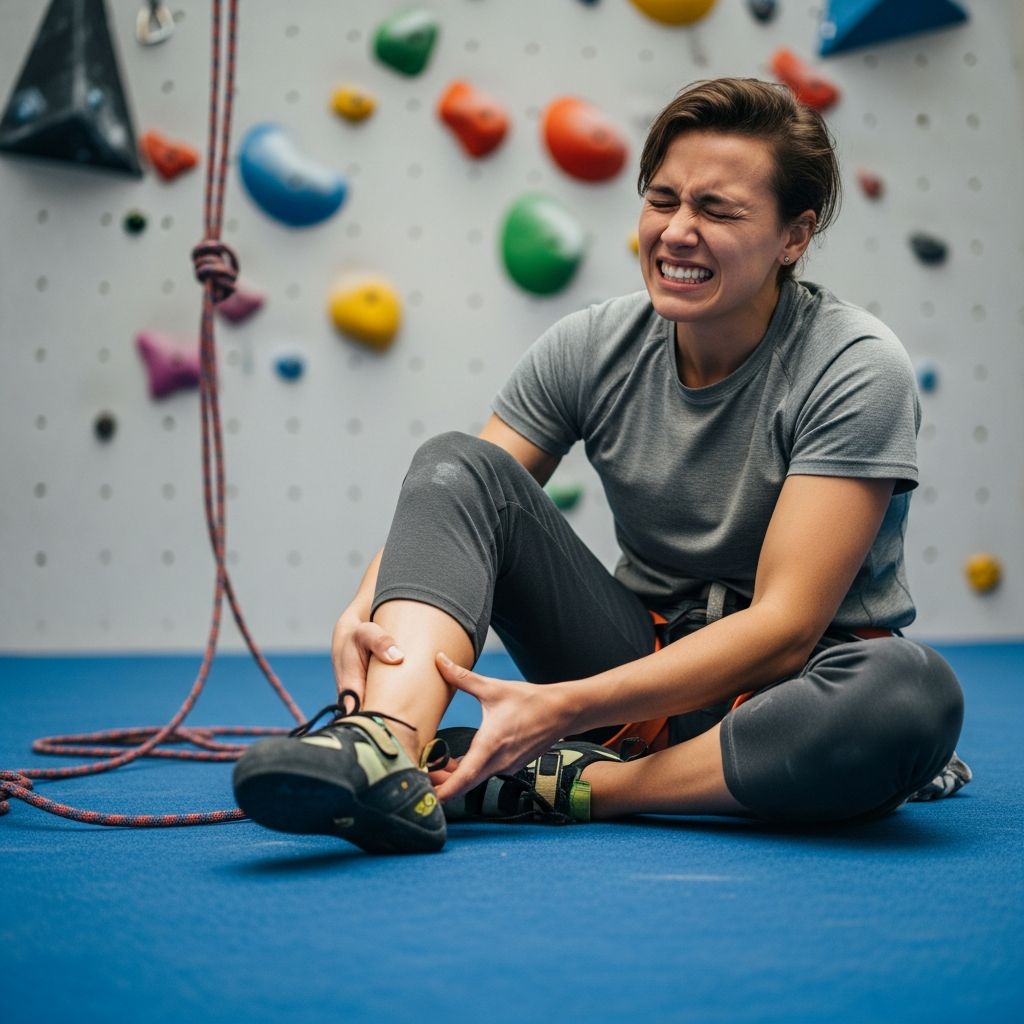
Understanding Legal Responsibility in Climbing Wall Accidents
Indoor climbing facilities have become increasingly popular destinations for recreational athletes, fitness enthusiasts, and competitive climbers. While these controlled environments offer significant advantages over outdoor climbing—with pre-installed safety anchors and professionally maintained equipment—accidents and serious injuries still occur with troubling frequency. When an injury happens at a climbing facility, the question of legal accountability becomes critical for injured parties seeking compensation. Understanding who bears responsibility requires careful examination of multiple factors, including facility maintenance standards, operator conduct, equipment quality, individual user actions, and the enforceability of liability protections.
The Foundation of Premises Liability in Climbing Facilities
Property owners and climbing facility operators carry a fundamental legal obligation to maintain reasonably safe premises for their customers and guests. This principle, known as premises liability, establishes that facility managers must take proactive steps to identify and eliminate hazards within their climbing environments. The scope of this responsibility encompasses far more than simply owning the physical space; it includes systematic maintenance protocols, equipment inspection schedules, staff training requirements, and operational practices designed to protect users from foreseeable injuries.
Facility operators must ensure their climbing walls meet manufacturer specifications and industry standards. This includes regular inspections of all structural components, safety equipment, anchoring systems, and climbing surfaces. Staff members require comprehensive training on proper equipment use, emergency procedures, and recognition of hazardous conditions. When operators fail to implement these protective measures—whether through neglect, inadequate resource allocation, or deliberate indifference—they create the legal foundation for premises liability claims by injured climbers.
The climbing wall industry recognizes distinct categories of liability exposure that operators must address through their management practices. These include maintaining structural integrity of the facility, ensuring equipment functions as designed, providing appropriate user training and supervision, and complying with applicable health and safety regulations. Different jurisdictions impose varying standards, but the underlying principle remains consistent: operators bear responsibility for creating and maintaining a reasonably safe environment for foreseeable uses of their facilities.
Identifying Multiple Parties with Potential Liability
Climbing wall injuries rarely involve a single responsible party. Instead, liability often distributes across multiple actors, each potentially bearing responsibility for different aspects of an accident. Understanding these various liability pathways helps injured parties identify all available defendants and strengthens their potential recovery options.
Facility Operators and Property Owners
The climbing facility operator or property owner typically faces the most direct liability exposure. This party controls the premises, maintains the equipment, hires and trains staff, and establishes operational policies. Courts have consistently held operators accountable for failures to properly maintain climbing walls, adequately train employees, provide necessary safety equipment, or supervise user activities. In one notable case, a court found that a school failed to adequately supervise student use of a climbing wall, establishing operator liability despite arguments that students assumed inherent activity risks.
Equipment Manufacturers
Manufacturers of climbing wall systems, safety equipment, and related apparatus bear separate liability for defects in design, manufacturing, or safety warnings. Even when a facility operator maintains equipment properly and follows all manufacturer guidelines, defective products can cause serious injuries. Injured parties may pursue product liability claims directly against manufacturers, independent of facility-based claims. Manufacturers must ensure their products are safe by design, manufactured according to specifications, and thoroughly tested before reaching consumer markets.
Individual Users and Negligent Participants
Personal negligence by climbers themselves represents another significant liability factor. When users act recklessly, fail to follow safety procedures, or behave negligently in ways that injure other participants, they may face personal liability for those injuries. For example, a belayer who fails to properly secure climbing ropes or a participant who behaves recklessly near an active climbing wall can be held responsible for resulting harm to others. This liability applies equally in climbing contexts as in other activities—negligence is negligence regardless of setting.
How Courts Evaluate Negligence in Climbing Contexts
Establishing legal liability for climbing wall injuries requires proving that a defendant owed a duty of care, breached that duty, and directly caused injury as a result. Courts apply these fundamental negligence principles consistently across different fact patterns, though application details vary based on specific circumstances.
When evaluating facility operator negligence, courts examine whether operators took reasonable precautions to prevent foreseeable injuries. This includes assessing whether climbing walls received proper maintenance, whether staff received adequate training, whether users received appropriate instruction or warnings, and whether the facility’s operational practices aligned with industry standards. Courts also consider whether operators had actual or constructive knowledge of dangerous conditions and failed to remedy them.
The concept of “obvious danger” influences many climbing injury cases. Courts have sometimes dismissed claims by finding that risks were self-evident to users, particularly experienced climbers. However, this doctrine has shown limitations when applied to novice users or situations involving inadequate training and supervision. In one significant case, a court rejected the “obvious danger” argument when an operator failed to provide appropriate instruction to first-time users, finding that the risk level exceeded what operators could reasonably expect novices to recognize and manage independently.
The Critical Role of Liability Waivers
Most climbing facilities require users to sign liability waivers before accessing their premises and equipment. These documents attempt to shield operators from lawsuit by having users acknowledge risks and agree not to pursue legal claims. However, courts have not universally enforced waivers with the breadth that facility operators anticipate.
Historically, courts have distinguished between different waiver scopes. Waivers covering ordinary negligence have generally received judicial support, allowing operators to require users to assume risk for accidents resulting from standard operational oversight or user error. However, courts have consistently refused to enforce waivers that attempt to shield operators from liability for intentional misconduct, gross negligence, or malicious conduct. A facility cannot legally waive liability for deliberately tampering with safety equipment, intentionally setting dangerous traps, or engaging in reckless behavior that disregards obvious risks of serious injury.
The enforceability of climbing wall waivers also depends on jurisdiction-specific legal standards. Some states have adopted recreational use statutes that provide additional liability protection to landowners and facility operators, though even these statutes recognize exceptions for commercial operations and intentional wrongdoing. Injured climbers should always review the specific waiver language they signed and consult with experienced personal injury attorneys to evaluate whether it applies to their particular accident circumstances.
Defective Equipment and Product Liability Claims
Equipment defects represent a distinct basis for holding manufacturers and, sometimes, facility operators liable. Product liability law imposes strict obligations on manufacturers to ensure that climbing walls, harnesses, ropes, carabiners, and other equipment function safely when used as intended.
Defects can arise in three primary ways: design defects where the product’s inherent design creates unreasonable risks; manufacturing defects where deviation from specifications causes danger; or failure to warn where manufacturers provide inadequate instructions or safety information. Even properly maintained equipment can cause catastrophic injury if manufacturing or design defects exist. In such cases, injured climbers can pursue manufacturers for damages even if facility operators followed all maintenance protocols and user waivers purport to limit liability.
Facility operators share responsibility for preventing defective product injuries through regular equipment inspection and manufacturer compliance. When operators knowingly allow climbers to use defective or deteriorated equipment, premises liability exposure increases substantially regardless of waiver protections. Courts recognize that operators cannot contractually transfer responsibility for knowingly putting users at risk through defective products.
The Impact of User Conduct and Comparative Negligence
Courts recognize that injured climbers sometimes bear partial responsibility for their injuries through their own negligence. However, this does not eliminate facility operator liability; rather, it reduces any awarded damages through comparative negligence principles. In jurisdictions applying comparative negligence, damages are reduced by the percentage of fault attributable to the injured party.
The relationship between user conduct and operator liability varies depending on whether injured parties were experienced climbers who signed disclaimers or novice users receiving facility instruction. Experienced climbers who misrepresented their experience level, failed to follow explicit safety instructions, or engaged in obviously reckless behavior may find their recovery reduced or eliminated through comparative negligence findings. Conversely, novice users receiving inadequate training and supervision cannot be deemed fully responsible for accidents even if their individual actions contributed to injury, particularly when facility operators created conditions fostering dangerous conduct.
When Climbing Facilities Can and Cannot Escape Liability
Understanding when facilities successfully defend against injury claims helps injured parties evaluate case strength. Facilities are most likely to avoid liability when users were experienced, received appropriate training, followed explicit safety protocols, signed valid waivers, and accidents resulted from inherent activity risks rather than operator negligence or equipment defects.
Conversely, facilities face substantial liability exposure when negligence caused injury. Specific liability catalysts include inadequate staff training, failure to inspect and maintain equipment properly, insufficient user supervision or instruction, tolerance of known dangerous conditions, improper safety equipment installation or maintenance, and staff misconduct. Additionally, facilities cannot contractually eliminate liability for intentional harm, gross negligence, or reckless conduct disregarding obvious injury risks.
Commercial climbing facilities receive less legal protection than private property owners. Many jurisdictions specifically exclude commercial operations from recreational use statutes that otherwise shield landowners from liability. This means climbing gyms and commercial climbing walls face greater liability exposure than informal climbing areas on non-commercial property.
Evaluating Your Potential Claim
Injured climbers evaluating potential legal claims should systematically assess several critical factors. First, determine who actually caused or contributed to your injury. Second, investigate whether the operator maintained equipment properly and provided appropriate supervision. Third, examine whether your injury resulted from a product defect rather than operational failure. Fourth, review any waivers you signed for scope and enforceability limitations. Finally, consult experienced personal injury attorneys who can evaluate local law and apply it to your specific circumstances.
Documentation strengthens potential claims significantly. Preserve evidence including photographs of accident locations and equipment conditions, medical records establishing injury causation, witness statements, facility safety records if accessible, and any communications with facility operators or employees regarding the incident.
Common Questions About Climbing Wall Injury Liability
Q: If I signed a waiver before climbing, can I still sue the facility?
A: Possibly, yes. While courts generally enforce waivers for ordinary negligence, they refuse to enforce waivers protecting against intentional misconduct, gross negligence, defective products, or malicious conduct. An attorney can review your specific waiver language to determine whether it applies to your injury circumstances.
Q: What types of injuries most commonly result in successful liability claims?
A: Falls from improper rope securement, injuries from defective equipment, inadequate supervision causing accidents between participants, injuries from improperly maintained climbing surfaces, and incidents resulting from staff negligence frequently form the basis of successful claims.
Q: Who investigates climbing wall accidents?
A: Facility operators typically conduct internal investigations, but injured parties should request incident reports and preserve independent evidence. Legal counsel can work with safety experts to investigate accident circumstances thoroughly.
Q: Can I sue a manufacturer even if the facility operator is primarily responsible?
A: Yes, multiple parties can bear liability for the same injury. If equipment defects contributed to your injury, manufacturers can be pursued separately regardless of facility operator negligence.
Q: What damages can I recover in a climbing injury lawsuit?
A: Recoverable damages typically include medical expenses, lost wages, pain and suffering, permanent disability costs, and in cases of gross negligence or intentional conduct, punitive damages.
References
- Climbing Wall Accidents and Litigation — International Climbing and Mountaineering Federation (UIAA). 2024. https://www.theuiaa.org/documents/declarations/LEWG_CLIMBING_WALL_ACCIDENTS_AND_LITIGATION_PAPER.pdf
- Who is Liable for a Defective Climbing Wall? — Washington Injury Attorneys. 2024. https://washingtoninjury.com/liable-defective-climbing-wall/
- Climbing Wall Injuries — Larry H. Parker Accident Attorneys. 2024. https://www.larryhparker.com/climbing-wall-injuries/
- Whose Risk Is It? How A Little-Known Statute Protects Climbing Access Across America — American Alpine Club. 2023. https://americanalpineclub.org/news/2023/10/3/whose-risk-is-it-how-a-little-known-statute-protects-climbing-access-across-america
Similar Articles








Read full bio of medha deb




