
Choosing the Right Lawyer to Draft Your Will
Learn how to pick the right attorney, understand your options, and create a legally sound will that protects your loved ones and your legacy.
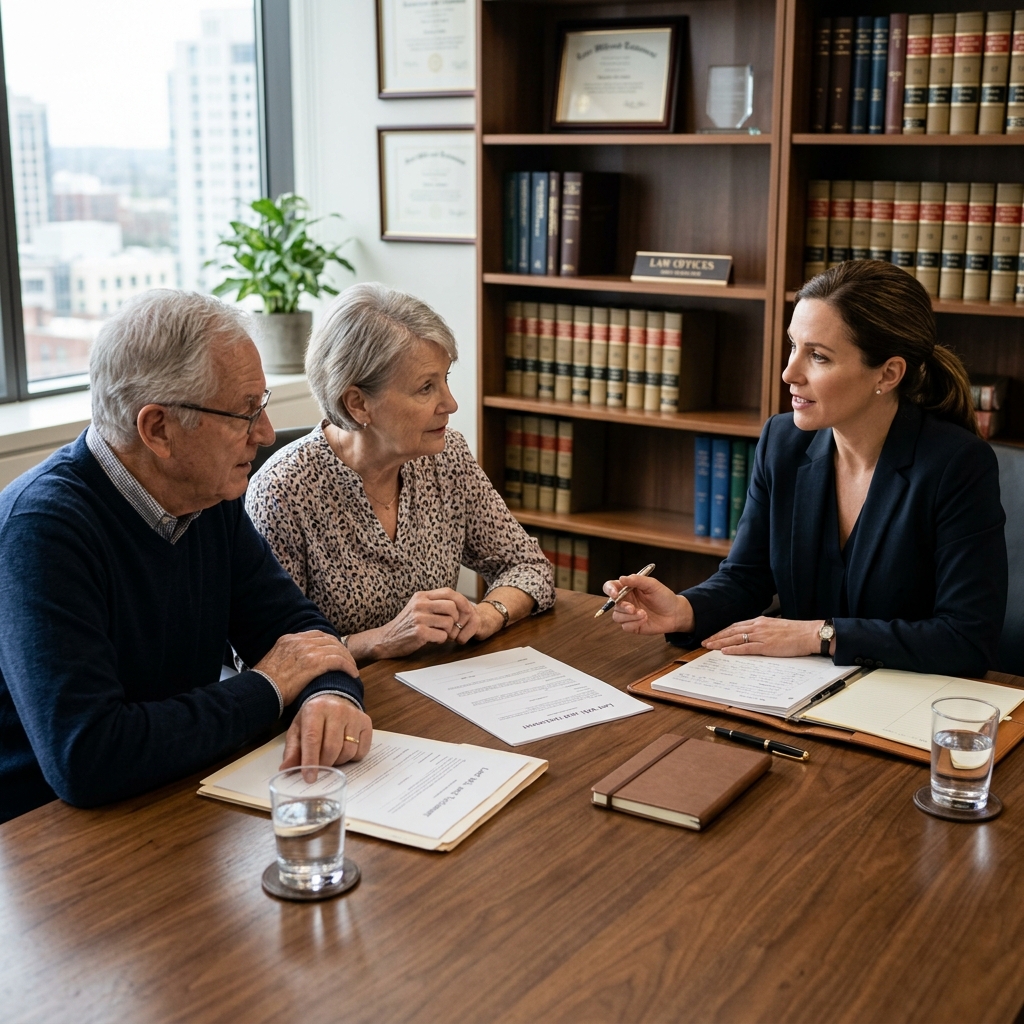
Creating a last will and testament is one of the most important steps in protecting your loved ones and preserving your legacy. While many people consider DIY forms or online templates, working with an experienced lawyer can help ensure your will is legally valid, clearly written, and tailored to your unique situation. This guide explains what a will does, why legal help matters, and how to choose the right attorney to prepare or review your will.
Understanding What a Will Really Does
A will is a legal document that states what should happen to your property and responsibilities after you die. When properly executed, it guides the courts, your family, and your executor so your wishes are followed with minimal confusion or conflict.
In most cases, a comprehensive will addresses three core issues:
- Who manages your estate (the executor or personal representative).
- Who cares for your minor children (the guardian, if applicable).
- Who receives your assets (your beneficiaries).
If you die without a valid will, you are considered to have died intestate. In that situation, state law—not your family and not you—determines who receives your assets and who controls your estate. This can lead to outcomes you never intended, such as distant relatives inheriting instead of close friends or causes you care about.
Key Roles Defined
| Role | Primary Responsibility |
|---|---|
| Executor | Administers the estate, pays debts and taxes, and distributes assets according to the will. |
| Guardian | Cares for minor children or dependents if you pass away before they reach adulthood. |
| Beneficiaries | Individuals or organizations who receive your property and assets under the will. |
Because these roles carry significant legal and personal responsibilities, carefully choosing the people you name is just as important as listing the property they receive.
Do You Need a Lawyer for Your Will?
Many jurisdictions allow individuals to create wills without a lawyer, including through online platforms and standardized forms. However, legal rules for wills can be technical, and mistakes may invalidate your document or cause litigation later. A lawyer can help you avoid these problems, especially if your situation is complex.
Situations Where Legal Help Is Highly Recommended
- You own substantial assets such as real estate, investments, or a business.
- You have children from different relationships or blended families.
- You want to leave gifts to charities or non-relatives.
- You anticipate potential disputes among heirs or expect someone to contest the will.
- You have dependents with special needs or require trust planning.
According to major financial and legal organizations, professional estate planning can reduce tax burdens, streamline probate, and provide clearer instructions to avoid family conflict. In less complicated situations—such as modest assets and straightforward family structures—online tools or forms may be sufficient, but a brief consultation with a lawyer can still be valuable to check compliance with state law.
Preparing to Work With a Will Lawyer
Before you meet with an attorney, organize the information they will need. This preparation makes your appointment more efficient and can reduce legal fees.
Essential Information to Gather
- Identification: Government-issued ID and basic personal details.
- List of assets: Real estate, bank accounts, investments, retirement accounts, life insurance, vehicles, and personal valuables.
- List of debts: Mortgages, personal loans, credit cards, and other obligations.
- Family information: Names and contact information for spouse, children, and other close relatives.
- Existing estate documents: Prior wills, powers of attorney, or trust agreements.
- Charitable interests: Names of any organizations you want to include and their legal identification details.
Having this material ready helps your lawyer identify legal issues, suggest tax-efficient options, and draft a will that reflects your real financial situation.
How to Choose the Right Lawyer for Your Will
Not all lawyers focus on estate planning, and choosing someone with the right experience can significantly improve the quality and reliability of your will. Consider several factors when selecting an attorney.
1. Focus on Estate Planning Experience
Look for a lawyer whose primary practice areas include wills, trusts, and probate. Estate planning specialists are more familiar with current laws, tax issues, and local court requirements.
- Ask how many wills or estate plans they prepare each year.
- Confirm they regularly work with clients in your state, since will requirements vary by jurisdiction.
- Find out whether they also handle probate proceedings, which can be useful if your executor later needs assistance.
2. Assess Communication Style and Accessibility
Your lawyer should be willing to explain legal concepts in plain language and listen carefully to your goals and concerns. Reliable communication is essential both during drafting and when your family needs guidance after your death.
- Notice whether they answer questions clearly and patiently.
- Clarify how quickly they respond to phone calls or emails.
- Ask how they handle updates when your circumstances change.
3. Understand Fees and Scope of Services
Estate planning lawyers may charge flat fees for standard wills or hourly rates for more complex work. Ask for a written explanation of costs and what is included.
- Does the fee cover only a will, or also powers of attorney and health care directives?
- Are future revisions included, or billed separately?
- Will the lawyer help your executor or family navigate probate when the time comes?
4. Check Professional Credentials and Reputation
Review the lawyer’s standing with the local bar association and ask for references if needed. You can also look for client reviews, keeping in mind that confidentiality limits what many clients can share.
- Confirm that the lawyer is licensed and in good standing.
- Ask trusted friends, financial advisors, or accountants for recommendations.
- Inquire about any disciplinary history or complaints.
What Your Lawyer Will Help You Decide
Beyond drafting the language of the will, your attorney will guide you through several key decisions that shape your estate plan.
Choosing an Executor
The executor is responsible for carrying out your instructions, filing the will in court, paying debts and taxes, and distributing property. Because this role can be time-consuming and sensitive, your lawyer will encourage you to choose someone trustworthy, organized, and able to manage paperwork and communication.
- Consider naming an alternate executor in case your first choice is unable or unwilling to serve.
- Discuss whether a professional fiduciary or corporate executor is appropriate, particularly for large or complicated estates.
- Talk with the person you intend to name before finalizing your will to ensure they are willing to serve.
Appointing Guardians for Minor Children
If you have children under 18, your will is the place to nominate a guardian who would assume responsibility if you and the other parent die or become legally unable to care for them. Your lawyer can explain how courts review these nominations and what information to include.
- Evaluate potential guardians based on values, stability, and relationship with your children.
- Document your reasoning to reduce potential disputes.
- Consider whether the guardian should also manage the child’s inheritance or whether a separate trustee is better.
Designing Your Distribution Plan
Your lawyer will help translate your wishes about who receives your property into clear, enforceable instructions. This may involve specific gifts, shares of your estate, and contingent plans if a beneficiary dies before you.
- Identify which assets go to which beneficiaries, and in what proportions.
- Discuss how to handle complex property such as business interests or real estate.
- Consider charitable bequests and ensure the organizations are correctly identified.
Making Your Will Legally Valid
Even the best-written will is ineffective if it does not meet the legal requirements of your state. Your lawyer will oversee the formalities to ensure validity.
Witnesses and Signatures
Most jurisdictions require wills to be signed by the person making the will (the testator) and witnessed by at least two individuals who are not beneficiaries. These rules are designed to reduce fraud and conflicts of interest.
- Witnesses should be adults and disinterested, meaning they do not inherit under the will.
- Some states also require notarization or additional language, such as self-proving affidavits.
- Your lawyer will ensure that signing takes place correctly, often in their office.
Safe Storage and Sharing Information
After your will is executed, it needs to be stored securely yet accessibly. Common options include a home safe, bank safe deposit box, or storage with your lawyer.
- Inform your executor and at least one trusted person where the original will is located.
- Keep copies of related estate planning documents together so they can be found easily.
- Avoid placing the only copy in a location that may be difficult to access immediately after death, depending on local rules.
Updating Your Will With Your Lawyer
Estate planning is not a one-time event. Major life changes—marriage, divorce, birth or adoption of children, significant purchases or business changes—often require revising your will. Your lawyer can help you decide whether to create a new will or use a formal amendment.
When to Review Your Will
- Every few years as a routine check-up.
- After marriage, separation, or divorce.
- After the birth or adoption of a child or grandchild.
- After purchasing or selling major assets.
- When a named executor, guardian, or key beneficiary dies or becomes unable to serve.
Regular reviews help ensure that your will keeps pace with legal changes and your evolving priorities.
Comparing DIY Wills and Lawyer-Drafted Wills
Online tools and do-it-yourself forms make it easier than ever to create a basic will. These can be helpful for simple situations, but it is important to understand their limitations.
| Approach | Advantages | Potential Risks |
|---|---|---|
| DIY / Online Will | Low cost; convenient; good for simple estates and straightforward family situations. | May not reflect state-specific legal requirements; limited customization; higher risk of errors or ambiguity. |
| Lawyer-Drafted Will | Customized advice; compliance with local law; integration with tax and probate planning; better suited for complex estates. | Higher upfront cost; requires appointment and document review. |
For many people, especially those with families, mixed assets, or special considerations, the added certainty and personalization of working with a lawyer outweigh the cost.
Frequently Asked Questions
Do I still need a will if I have beneficiary designations on my accounts?
Yes. Beneficiary designations on retirement plans, life insurance, and some financial accounts transfer those specific assets directly to named individuals, but a will governs everything else you own and appoints guardians and executors. It also serves as a back-up if a beneficiary predeceases you or if designations are outdated.
Can I make changes to my will without my lawyer?
You can physically write changes, but informal edits may not be legally valid and could create confusion. Lawyers typically recommend either a formally executed amendment or a new will that clearly revokes prior versions. Consulting your lawyer before altering your will ensures your changes meet legal requirements.
What happens if my will is not properly witnessed?
If your will does not meet your state’s witnessing rules, it may be rejected by the probate court, and your estate may be treated as if you died without a will. This can result in state intestacy laws determining who inherits your assets. A lawyer helps prevent these procedural errors.
Is a handwritten (holographic) will sufficient?
Some states recognize handwritten wills under strict conditions, while others do not. Requirements vary widely, and disputes can be more likely when a will is handwritten without legal guidance. Because of this variability, most people benefit from a formally drafted and witnessed will prepared with professional input.
How often should I meet with my will lawyer?
There is no universal rule, but many professionals suggest reviewing your estate plan every few years or after major life changes. A brief check-in with your lawyer can confirm whether updates are necessary and keep your documents aligned with current law.
References
- How to Make a Will: 10 Important Things to Consider — National Council on Aging. 2023-06-20. https://www.ncoa.org/article/how-to-make-a-will-10-important-things-to-consider/
- How To Write A Will: A Step-By-Step Guide — MetLife. 2022-09-15. https://www.metlife.com/stories/legal/how-to-write-a-will/
- How to make a free will in 10 steps — American Kidney Fund. 2023-04-10. https://www.kidneyfund.org/ways-give/how-make-free-will-10-steps
- How to Write a Rock-Solid Will — AARP. 2023-02-01. https://www.aarp.org/money/personal-finance/how-to-write-a-will/
- Last Will and Testament Overview — LegalZoom. 2024-01-10. https://www.legalzoom.com/personal/estate-planning/last-will-and-testament-overview.html
- You really do need a will. Here’s why, with easy steps to help create a will — Principal Financial Group. 2023-08-30. https://www.principal.com/individuals/learn/you-need-will-easy-steps-to-create-will
- How do I create a simple will? — Texas State Law Library. 2022-05-12. https://www.sll.texas.gov/faqs/simple-will-forms/
Similar Articles








Read full bio of Sneha Tete


