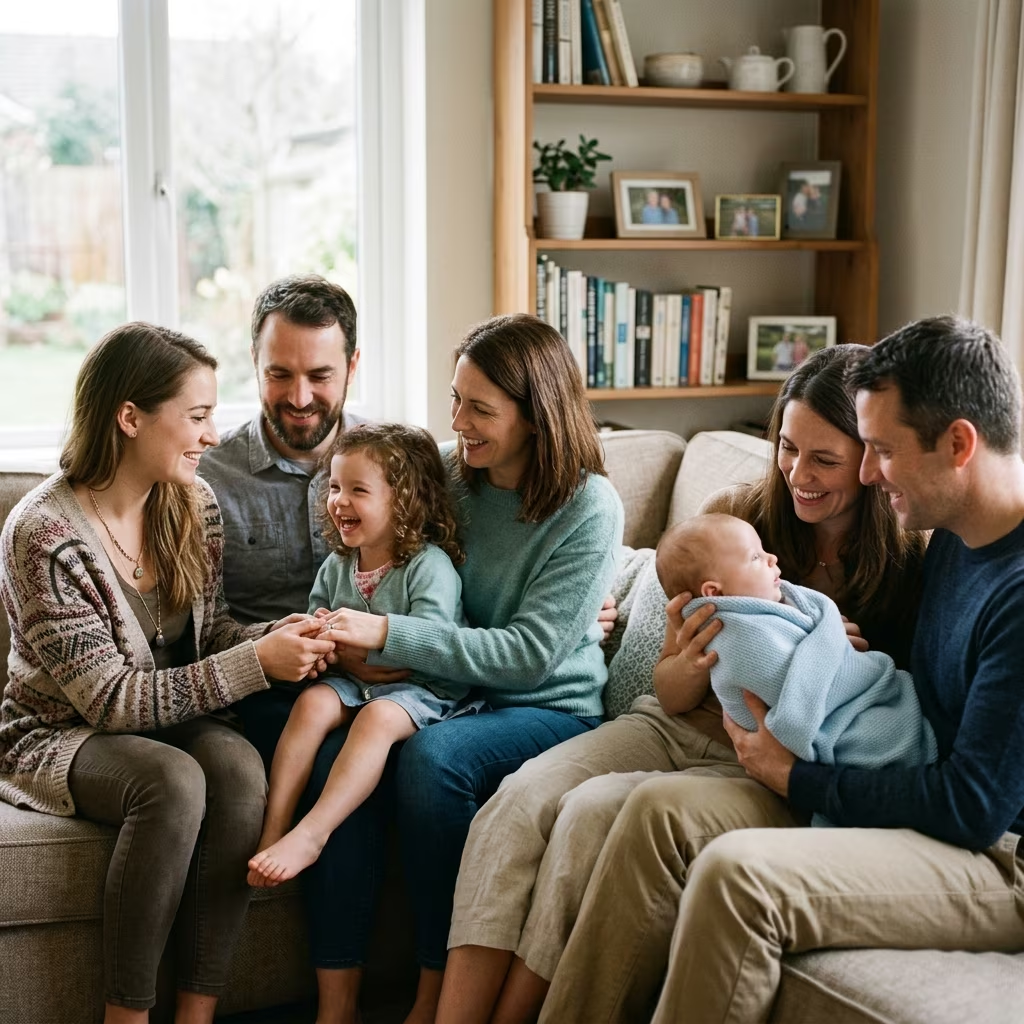
When a child is adopted, one of the most important decisions for birth parents and adoptive parents is how much contact and information-sharing will continue after the adoption is finalized. Adoption today is not a single model; families can choose an open, semi-open, or closed arrangement, each with different levels of privacy, communication, and legal considerations.
This guide explains what each type of adoption means, compares their advantages and drawbacks, and offers practical questions to help you decide which option best serves your child and your family.
Modern Adoption: Why Contact Structure Matters
Historically, most adoptions were closed: records were sealed, and the adopted child grew up with little or no information about their birth family. Today, adoption professionals and many courts recognize that ongoing, well-managed contact can benefit many children, leading to a rise in open and semi-open arrangements.
In practice, the difference between open and closed adoption is driven by:
- How much identifying information is shared between families.
- How often birth parents and adoptive parents (and sometimes the child) communicate.
- Who controls contact — direct communication versus intermediaries such as agencies or attorneys.
- How adoption records are handled — sealed, partially available, or accessible through legal procedures.
Understanding these dimensions makes it easier to see where your comfort levels and your child’s needs align.
Core Definitions: Open, Semi-Open, and Closed Adoption
Most adoption arrangements fall into three broad categories, with some flexibility inside each.
Open Adoption
In an open adoption, birth parents and adoptive parents agree to share identifying information and maintain some form of ongoing contact after placement. The adopted child typically knows they are adopted and may know their birth parents personally.
Open adoption can include:
- Exchange of full names and contact details.
- Regular or occasional phone calls, video calls, texts, or emails.
- Sharing photos, letters, or updates about the child’s life.
- In-person visits, birthdays, or other shared events, if all parties agree.
Some open adoptions are very active with frequent visits, while others maintain a lighter level of contact. The key feature is that ongoing connection is possible and generally encouraged, within agreed boundaries.
Semi-Open Adoption
A semi-open adoption provides a middle ground. Contact and information-sharing occur, but usually through a third party rather than direct communication.
Typical features include:
- Letters or photos passed through an agency, lawyer, or caseworker.
- Limited or anonymous identifying information to protect privacy.
- Contact schedules or guidelines set by the adoption professionals and families.
This arrangement helps preserve the benefits of information access and occasional updates while maintaining stronger boundaries between families.
Closed Adoption
In a closed adoption, there is no ongoing direct contact between birth parents and adoptive parents after the adoption is finalized. Records are typically sealed, and little or no identifying information is exchanged.
Closed adoption usually involves:
- No routine communication between families.
- Confidential, sealed adoption records, accessible only in limited circumstances or by court order.
- Privacy and anonymity for both birth parents and adoptive parents.
Many people still picture this model when they think of adoption, but in practice, fully closed adoptions have become less common in many regions as openness is increasingly valued.
Comparing Adoption Types at a Glance
The table below highlights how open, semi-open, and closed adoption differ across key dimensions.
| Feature | Open Adoption | Semi-Open Adoption | Closed Adoption |
|---|---|---|---|
| Contact Level | Ongoing, direct contact as agreed. | Limited contact via intermediaries. | No direct contact after finalization. |
| Information Sharing | Identifying information commonly shared. | Some information, often non-identifying. | Minimal identifying information; sealed records. |
| Child’s Awareness of Birth Family | Child typically knows and may meet birth relatives. | Child may receive updates but limited direct contact. | Child may have little or no information unless records are later accessed. |
| Privacy/Anonymity | Lower anonymity; more relational transparency. | Moderate privacy with controlled sharing. | High privacy; anonymity preserved for both families. |
| Use of Third Parties | Mainly for support, not for all communication. | Central role in facilitating contact. | May be involved only for formal processes. |
Benefits and Challenges of Open Adoption
Open adoption can be deeply rewarding, but it also requires careful boundary-setting and ongoing cooperation.
Potential Benefits
- Access to medical and family history: The adoptive family and child can obtain accurate health information, genetic risk data, and family background, helping inform medical decisions over time.
- Emotional reassurance for birth parents: Birth parents may experience greater peace of mind knowing how their child is doing and seeing them grow up in a safe, loving environment.
- Support for the child’s identity: Many adoptees benefit from direct knowledge of their origins, which can reduce feelings of abandonment and increase self-esteem.
- Stronger trust between families: Direct contact often reduces fears and assumptions, allowing adoptive parents and birth parents to build mutual empathy and respect.
- Ongoing dialogue about adoption: Open arrangements can normalize conversations about adoption and support healthier processing of grief and complex emotions for everyone involved.
Possible Challenges
- Boundary-setting: Families must agree on how often they will communicate, what topics are appropriate, and how decisions affecting the child will be handled.
- Changing expectations: Contact levels may need to evolve as the child grows, or as life circumstances change for either family, which can create tension if not openly discussed.
- Emotional complexity: Birth parents may experience grief or regret, and adoptive parents may worry about their role being undermined. Thoughtful communication and, when needed, professional support can help.
- Geographic and logistical issues: Distance, financial constraints, or scheduling may make regular visits difficult, requiring creative contact solutions such as virtual calls or mailed updates.
Why Some Families Prefer Closed Adoption
Even though open adoption has become more common, closed adoption remains the right choice for some families because of its strong emphasis on privacy and separation.
Reasons some people choose a closed arrangement include:
- Desire for anonymity: Birth parents or adoptive parents may wish to keep their identities confidential due to safety concerns, personal history, or emotional needs.
- Clear emotional boundaries: Some individuals find it easier to process grief or adjust to new roles when there is no ongoing contact.
- Preference for a single household narrative: Adoptive parents may feel more comfortable building their family story without additional relationships with birth relatives, especially in complex situations.
At the same time, sealed records and lack of contact can limit a child’s access to health information and make questions about origin harder to answer later. Many jurisdictions provide mechanisms to request information or unseal certain records under defined conditions.
Legal Considerations and Adoption Records
Beyond personal preferences, the legal framework in your state or country shapes what kind of contact and record access are allowed.
Key points to keep in mind:
- Sealed records: In many jurisdictions, adoption records are confidential and withheld from public inspection, with access permitted only for specific parties or by court order.
- Post-adoption contact agreements: Some states now allow court-approved agreements that outline contact between birth parents and adoptive parents after finalization, sometimes making those agreements legally enforceable.
- Adoptive parents’ decision-making authority: Even where contact agreements exist, adoptive parents typically retain primary authority over day-to-day and long-term decisions affecting the child.
- Role of agencies and attorneys: Adoption professionals can help structure contact plans, document expectations, and explain how the law affects future adjustments to those arrangements.
Because laws vary widely, it is crucial to consult an experienced adoption attorney or agency in your jurisdiction before entering into any formal contact agreement.
Questions to Help You Choose the Right Adoption Structure
There is no universally “correct” answer when selecting between open, semi-open, and closed adoption. The best choice depends on the child’s long-term interests, as well as the emotional readiness and comfort level of both birth and adoptive parents.
Consider reflecting on these questions:
- What supports my child’s well-being? When you picture your child as a teenager or adult, what level of information and connection would likely help them understand their story and feel secure?
- How comfortable am I with ongoing contact? Can you envision regular updates or visits, or would minimal contact feel healthier given your circumstances?
- How do I balance privacy and openness? Are there safety or emotional reasons to limit identifying information, or could controlled openness be manageable with clear boundaries?
- Do I have support? Are there counselors, social workers, or peer groups you can rely on to navigate complex feelings and practical arrangements over time?
- What does local law allow? Can post-adoption contact agreements be included in court orders where you live, and how enforceable are they?
Practical Tips for Healthy Adoption Relationships
Whether you choose open, semi-open, or closed adoption, thoughtful planning can help protect everyone’s emotional safety while centering the child’s needs.
- Define expectations in writing: Work with an attorney or agency to document the type and frequency of contact, acceptable communication channels, and how changes will be discussed.
- Revisit boundaries as the child grows: What works for a toddler may not fit a teenager; schedule periodic check-ins to reassess arrangements.
- Prioritize respectful language: When talking about adoption, use wording that honors both families and emphasizes the child’s security and belonging.
- Seek professional guidance: Adoption-competent therapists and social workers can help everyone process grief, identity questions, and relationship stress.
- Listen to adoptee perspectives: Reading or hearing experiences from adoptees can offer critical insight into how contact (or lack of it) feels over a lifetime.
Frequently Asked Questions
Is open adoption legally required?
No. In most jurisdictions, open adoption is an option, not a requirement. Families can choose open, semi-open, or closed arrangements based on their situation, subject to local laws and any court-approved agreements.
Can a closed adoption become more open later?
Sometimes. Depending on the law where you live, adoptees, birth parents, or adoptive parents may be able to request access to certain records or re-establish contact through agencies or courts. However, the process and degree of openness available vary widely.
Can open adoption agreements be enforced in court?
In some places, yes. Certain states allow post-adoption contact agreements to be approved by a court and incorporated into a court order, which can make them enforceable under specific conditions. You should consult an adoption attorney in your jurisdiction for precise guidance.
Does open adoption change who the child’s legal parents are?
No. In both open and closed adoptions, the adoptive parents hold full legal parental rights and responsibilities once the adoption is finalized. Openness affects contact and information-sharing, not legal parenthood.
Is open adoption always better for the child?
Not necessarily. Research and professional experience suggest that many children benefit from well-managed openness, especially in understanding their identity and history. However, safety, stability, and emotional health remain paramount, and in some situations, a more limited or semi-open arrangement may be more appropriate.
References
- What’s the Difference Between Open Adoption and Closed Adoption? — WebMD. 2022-03-16. https://www.webmd.com/parenting/difference-between-open-and-closed-adoption
- What Is the Difference Between Open and Closed Adoption in North Carolina? — Mills Adoption Law. 2024-06-20. https://millsadoptionlaw.com/blog/what-is-the-difference-between-open-and-closed-adoption-in-north-carolina/
- Open vs. Closed Adoption: Understanding Your Options — Frank Family Law Practice. 2025-02-10. https://www.frankfamilylaw.com/blog/2025/open-vs-closed-adoption-understanding-your-options.html
- Open vs. Closed Adoption: A Guide for Adoptive Parents — Mandy Hancock Law. 2023-08-01. https://mandyhancocklaw.com/open-vs-closed-adoption-a-guide-for-adoptive-parents/
- Open vs. Closed Adoption, A Birth Mom’s Advice — Focus on the Family. 2020-11-02. https://www.focusonthefamily.com/pro-life/open-vs-closed-adoption-a-birth-moms-advice/