Charity Scams Are Rising: How to Donate Safely
Learn how charity scams work, spot warning signs, and give with confidence.
Charity fraud succeeds by using urgency, emotion, and trust. Scammers know that many people want to help after disasters, during holidays, or when a story sounds especially moving, and they exploit that impulse to steal money or personal information. The good news is that a few simple checks can sharply reduce the risk of being taken in by a fake fundraiser.
Fraud and charity-related deception have remained a visible part of the broader scam landscape. Consumer and fraud-awareness sources report that charity scams are increasingly appearing online, through email, and on social platforms, where it is easier for criminals to impersonate real organizations or invent convincing stories.
Why charity scams work so well
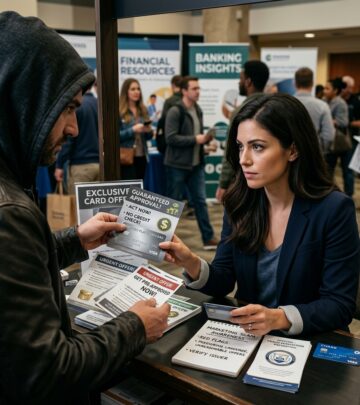
Charity scams are effective because they blend emotional pressure with a request for immediate action. A caller, email, text message, or social post may describe a tragedy, a child in need, a struggling family, or a disaster response campaign, then push the donor to act before verifying the claim.
Unlike many other frauds, charity scams often feel socially rewarded. Donors think they are doing something generous, which can lower suspicion. Scammers also benefit from the fact that people may not remember every donation they have made, especially if the appeal uses a name similar to a real nonprofit or claims to represent a local cause.
Common warning signs of a fake charity
Legitimate nonprofits usually provide clear information about their mission, tax status, contact details, and how donations are used. Scam appeals often do the opposite: they stay vague, avoid documentation, and pressure the donor to move quickly.
- High-pressure requests: The fundraiser urges you to give immediately or says the need is too urgent to verify.
- Unusual payment methods: The solicitor asks for cash, gift cards, wire transfers, or cryptocurrency.
- Too little detail: The appeal offers emotional stories but little concrete information about the organization, the project, or the beneficiaries.
- Name confusion: The group’s name is very close to that of a well-known charity, but not exactly the same.
- Pressure after contact: The fundraiser repeatedly calls, texts, or emails and discourages you from checking independently.
Another warning sign is a claim that a donation is tax-deductible when there is no basis for that statement. Fake fundraisers may also promise special prizes or sweepstakes entries in exchange for donating, a tactic that consumer guidance identifies as a scam.
How scammers reach donors
Scammers use many of the same channels that legitimate charities use, which makes the fraud harder to detect. Email remains a major tool because it is cheap, scalable, and easy to personalize.
Online fundraising pages and social media posts are also attractive to fraudsters because they can quickly build a sense of authenticity by using stolen photos, copied logos, and emotional narratives. Some schemes are tied to disasters or emergencies, when donors are more likely to give fast and less likely to verify the details.
Phone calls can be deceptive as well. Caller ID can be manipulated, and a scammer may sound polished while asking for an immediate pledge. The request may come from someone who says they represent a police charity, a veterans group, a children’s fund, or another trusted cause.
Safer ways to check before you give
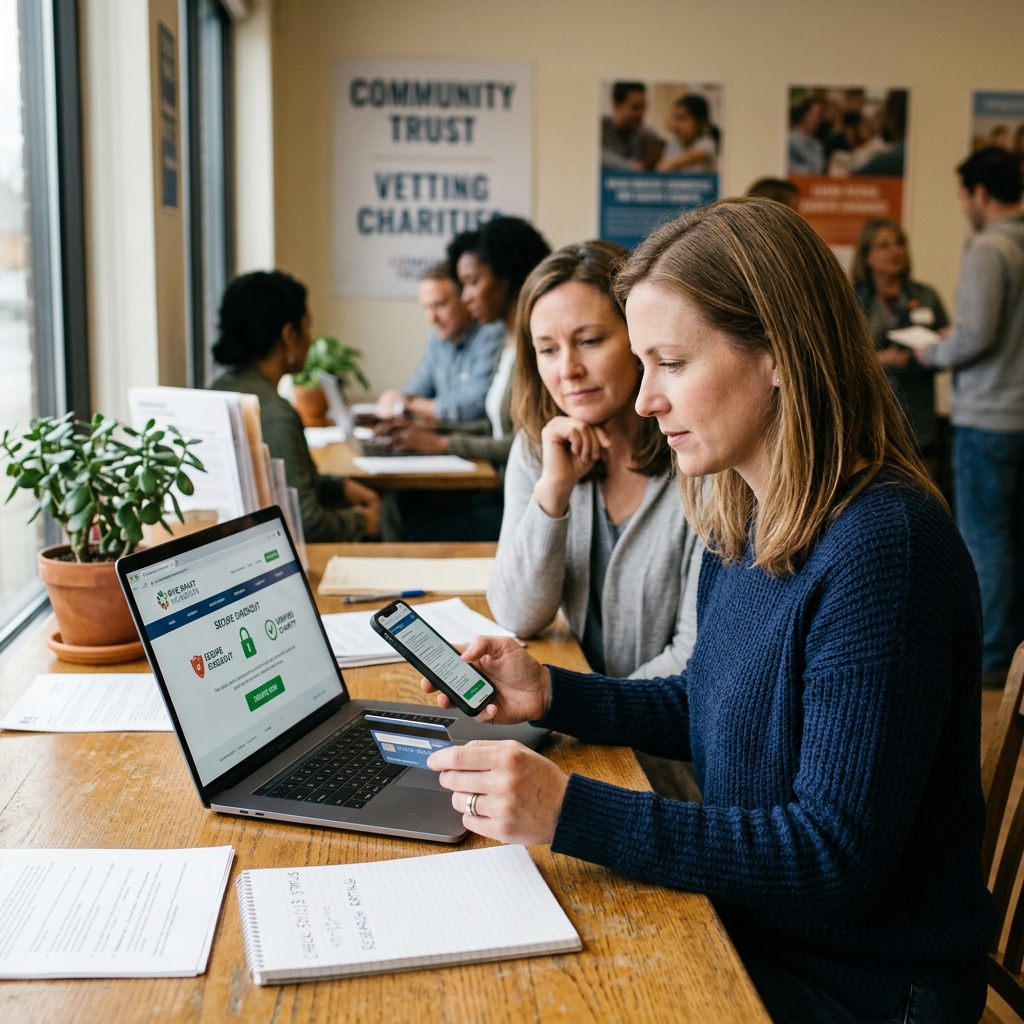
Verification is the strongest defense. Before donating, take a few minutes to confirm the organization’s identity, tax status, and reputation. Consumer guidance recommends searching the charity’s name plus words such as “complaint,” “review,” “rating,” or “scam” to see whether concerns appear quickly.
You can also compare the appeal against the charity’s official website rather than using a link or phone number provided in the solicitation. If the message came by email or social media, visit the organization independently through a trusted search result or a known official channel and confirm that the request is real.
It is also wise to check whether the group is registered where required. Many states require charitable organizations to register with a state authority, and federal tax-exempt status can be checked through IRS resources, though registration alone is not a guarantee that every fundraiser is legitimate.
| Check | Why it matters | What to look for |
|---|---|---|
| Official name | Confirms you are dealing with the real organization | Exact spelling, official logo, and consistent contact details |
| Registration | Shows whether the group is recognized where required | State charity registration and federal tax-exempt status |
| Contact method | Reduces the risk of spoofed emails or calls | Use the charity’s independently verified website or number |
| Payment method | Helps protect your money | Credit card or check instead of cash, gift cards, or wire transfers |
Best practices for safer giving
Safer giving starts with controlling the pace of the decision. If a fundraiser insists that you must give right now, that pressure itself is a warning sign. A legitimate organization should be able to tolerate basic questions and allow time for review.
- Use a credit card or check: These methods give you more protection than cash, gift cards, or wire transfers.
- Give directly: If possible, donate through the charity’s verified website instead of following a link in a message.
- Keep records: Save receipts, screenshots, and confirmation emails so you can track what you authorized.
- Review statements: Check bank and card activity to make sure the amount charged matches what you intended.
- Watch for recurring gifts: Some donation forms can enroll you in ongoing charges if you do not read carefully.
If you want to support disaster relief, medical research, food programs, or another cause, it is often safer to identify charities you trust before you are asked to donate. That way, you are less likely to respond impulsively to an emotional pitch.
Why online scams are especially dangerous
Digital fundraising has made charitable giving easier, but it has also expanded the attack surface for fraud. A fake website can be created quickly, a social post can spread widely, and a stolen image can make a made-up story look real. Reports on fraud trends indicate that charity scams have been rising sharply in online environments.
Online scams also benefit from speed. A person scrolling through social media may not pause long enough to question a moving story, especially if the appeal appears to be supported by comments, shares, or familiar language. Once money is sent electronically, recovery can be difficult.
That is one reason consumer agencies repeatedly advise donors not to rely on sentiment alone. A dramatic image or heartbreaking story is not proof of legitimacy. The real test is whether the group can be verified independently.
Questions to ask before you donate
Asking a few direct questions can reveal whether a fundraiser is legitimate. A real charity should be able to answer these questions clearly and consistently.
- What is the exact legal name of the organization?
- How will the money be used?
- Is the donation being collected by the charity itself or by a third party?
- Can I verify the campaign on the organization’s official website?
- Will I receive a receipt and donation confirmation?
If the answers are vague, defensive, or inconsistent, the safest choice is to stop the donation process and check independently. Fraud prevention guidance consistently emphasizes that honest fundraisers do not need secrecy to win trust.
What to do if you think you were scammed
If you already donated to a suspicious fundraiser, act quickly. Contact your bank or card issuer and explain what happened, especially if you used a card or provided account information. The sooner you report the issue, the better the chance of limiting further loss.
You should also save all evidence, including messages, emails, payment confirmations, screenshots, and the name used by the solicitor. Consumer agencies advise reporting suspected fraud to the appropriate federal and state channels so investigators can track the scheme and warn other donors.
If the scam involved a state-registered charity impersonation or an unregistered solicitation, reporting it to the relevant state charity regulator can help authorities identify patterns and potentially shut down the fraud.
FAQs about charity scams
How can I tell if a charity is real?
Check the organization’s official website, confirm its exact name, and look for registration or tax-exempt information through trusted government or nonprofit resources.
What payment methods are safest for donations?
Credit cards and checks are generally safer because they offer more protection and better documentation than cash, wire transfers, gift cards, or cryptocurrency.
Why do scammers use disaster relief appeals?
Disaster relief prompts fast emotional responses, which gives scammers an opening to pressure donors before they verify the request.
Should I trust a donation request that comes through social media?
Not without checking. Social platforms make it easy to copy logos, photos, and stories, so you should verify the appeal on the charity’s official site before giving.
What is the easiest way to avoid most charity scams?
Slow down, verify the charity independently, and never send money through payment methods that are hard to trace or reverse.
Charitable giving remains one of the most meaningful ways to support communities, but it works best when donors combine generosity with caution. A few minutes of verification can protect both your money and the causes you want to help.
References
- The Rising Threat of Charity Scams: What You Need to Know — LinkedIn. 2024-01-01. https://www.linkedin.com/pulse/rising-threat-charity-scams-what-you-need-know-sandeep-bhatnagar-rlomc
- 2023 fraud trends show huge losses to crypto, increased incidents of charity scams — Fraud.org. 2024-01-01. https://fraud.org/2023-fraud-trends-show-huge-losses-to-crypto-increased-incidents-of-charity-scams/
- Charity Fraud Awareness Week and How to Avoid Scams — Give.org. 2024-01-01. https://give.org/news/charity-fraud-awareness-week
- Donating Safely and Avoiding Scams — Federal Trade Commission. 2024-01-01. https://consumer.ftc.gov/features/donating-safely-and-avoiding-scams
- Charity Scams — American Bankers Association. 2024-01-01. https://www.aba.com/advocacy/community-programs/consumer-resources/protect-your-money/charity-scams
Similar Articles







Read full bio of medha deb