
When You Can’t Afford Bankruptcy: Practical Paths Out of Debt
Explore realistic, low-cost strategies for coping with overwhelming debt when traditional bankruptcy feels financially out of reach.
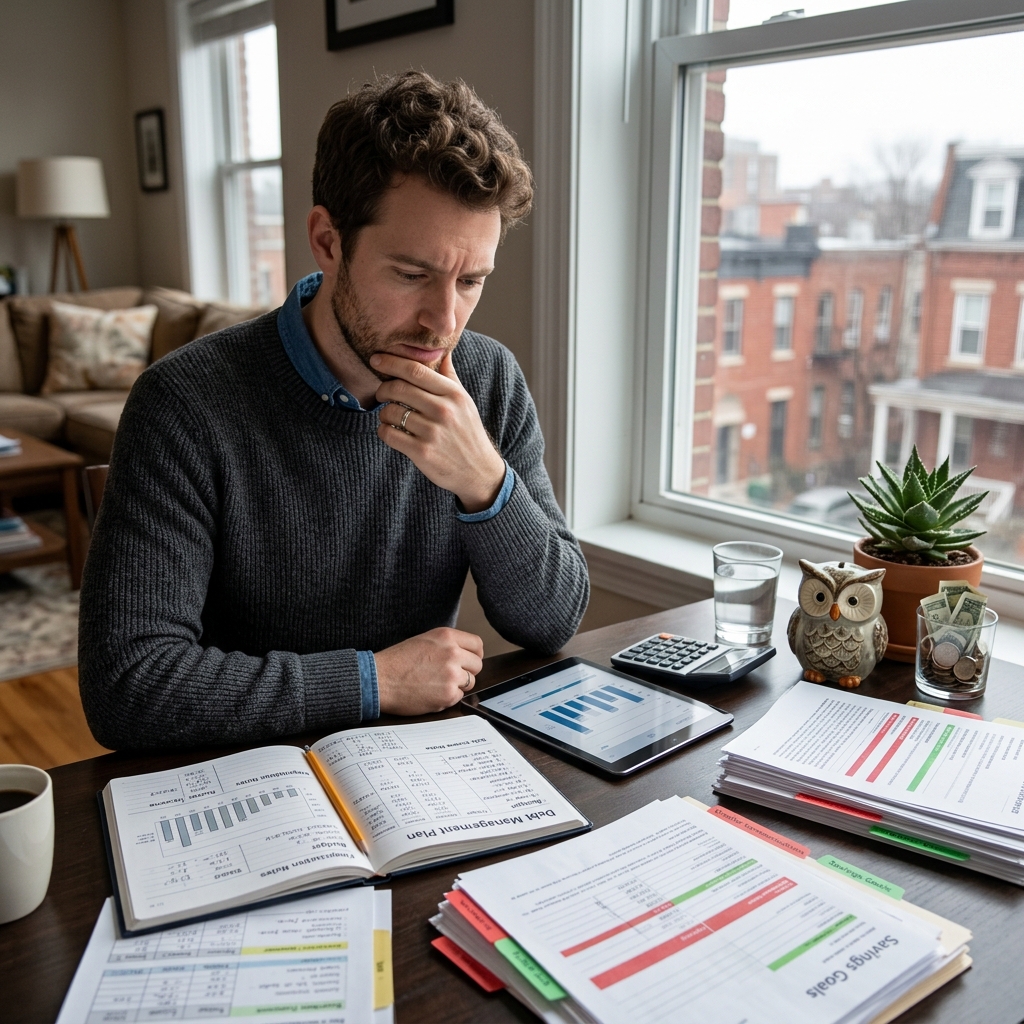
For many people drowning in debt, bankruptcy looks like the only lifeline. But filing a bankruptcy case costs money, and when your budget is already strained, those fees can feel impossible. This guide explains what it means to not be able to afford bankruptcy, which alternatives may help, and how to decide whether waiting, negotiating, or finding low-cost help is the best step for you.
Understanding the True Cost of Bankruptcy
Before deciding that bankruptcy is off the table, it helps to understand its actual costs and requirements. Bankruptcy is a formal court process governed by federal law, and the two most common types for individuals in the United States are Chapter 7 and Chapter 13.
Each type includes multiple cost components:
- Court filing and administrative fees: As of recent guidance, Chapter 7 filings require several hundred dollars in court fees (around mid-$300s), and Chapter 13 filings are slightly lower.
- Attorney’s fees: Many filers hire a lawyer, and legal fees often add several hundred to several thousand dollars, depending on case complexity and location.[10]
- Mandatory financial courses: Federal rules require credit counseling before filing and debtor education before discharge, usually for a total cost of $20–$100, depending on the provider.
If you are struggling to pay rent, utilities, or groceries, even these relatively modest amounts can be out of reach. That is one reason people ask, “What can I do if I genuinely cannot afford bankruptcy?”
Common Reasons People Can’t Afford Bankruptcy
There are several typical situations where bankruptcy costs feel impossible:
- You have little or no cash flow after paying basic necessities.
- Your income is irregular (gig work, seasonal jobs), making it hard to commit to payment plans.
- You already face wage garnishments or bank account levies, leaving very limited disposable income.
- You cannot save up for fees because creditors or collectors are taking every spare dollar.
- Your debts are severe, but you do not qualify for free legal aid and cannot afford typical attorney rates.
Fortunately, not being able to afford bankruptcy does not mean you have no options. It simply means you need to explore different strategies and possibly combine several approaches.
Evaluating Your Financial Position Before Choosing an Option
Any decision about bankruptcy or its alternatives should start with a clear picture of your financial situation. Both government agencies and reputable nonprofits recommend creating a detailed budget and debt inventory before taking action.
| Step | What to Document | Why It Matters |
|---|---|---|
| Income review | Monthly net pay, benefits, side income | Shows what you can realistically pay toward debt each month. |
| Essential expenses | Housing, utilities, food, medical, transportation | Helps determine your true “leftover” amount for debt payments. |
| Debt inventory | Type of debt, balances, interest rates, payments | Reveals which debts are most urgent and most costly. |
| Asset check | Home equity, car value, savings, retirement | Important for identifying both risk and potential tools (like consolidation loans). |
A clear snapshot helps you understand whether you are essentially judgment proof, whether you should prioritize negotiation, or whether saving up for a low-cost bankruptcy filing is still realistic.
Option 1: Negotiating Directly With Your Creditors
One of the least expensive and most flexible alternatives to bankruptcy is simply talking to your creditors and lenders. Government consumer protection agencies emphasize that you do not need to pay a company to negotiate on your behalf; you can often do this for free.
What You Can Ask For
- Lower interest rates, reducing the total cost of your debt.
- Temporary hardship plans with reduced payments or interest.
- Fee waivers for late payments or over-limit charges.
- Extended repayment terms to bring the monthly payment down to something manageable.
When you call, be honest about your situation and clearly state what you can afford. Be prepared with your income and expense numbers. Always request written confirmation of any agreement and review it carefully before you sign or commit.
Pros and Cons of Direct Negotiation
- Pros:
- Usually free.
- Can be done quickly, often by phone.
- May preserve your credit better than default or bankruptcy.
- Cons:
- Creditors are not required to agree.
- Results can vary widely by lender.
- Does not erase debt; you must still follow the new plan.
Option 2: Working With a Nonprofit Credit Counselor
If your situation is complex or you feel overwhelmed, nonprofit credit counseling can provide expert guidance at low cost. Organizations such as reputable credit counseling agencies and United Way partners help you review your budget, understand your options, and sometimes enroll you in structured repayment plans.
What Credit Counselors Do
- Analyze your income, expenses, and debt to create a realistic budget.
- Explain the pros and cons of bankruptcy versus alternatives.
- Coordinate debt management plans with creditors, often securing lower interest rates and consolidated payments.
- Provide required pre-bankruptcy credit counseling certificates when needed.
Nonprofit credit counseling sessions are frequently free for the initial consultation, with optional programs charging modest monthly fees. Always verify the organization is reputable and ask about all costs up front.
Option 3: Exploring Debt Management, Consolidation, and Settlement
Beyond informal negotiation, there are structured approaches that aim to reorganize or reduce your debt so that bankruptcy is not necessary. Each has different costs and risks.
Debt Management Plans
A debt management plan (DMP), typically administered by a nonprofit counseling agency, pools your unsecured debts into a single monthly payment. The agency then pays your creditors according to agreed terms.
- Interest rates are often reduced substantially.
- Repayment periods usually span 3–5 years.
- You make one automatic payment each month.
DMPs usually charge a small setup fee and monthly service fee, but this can be much less than legal fees for bankruptcy, especially if your debts are manageable with lower rates.
Debt Consolidation Loans
Debt consolidation means taking out a new loan to pay off multiple existing debts, leaving one payment often at a lower interest rate.
- Can simplify finances if you have good enough credit to qualify.
- May be available from banks, credit unions, or online lenders.
- Should be evaluated using calculators to check if total interest and payoff time improve your situation.
However, consolidation can be risky if:
- You use home equity loans or HELOCs, which put your home at risk if you default.
- You stretch repayment so long that you end up paying more total interest.
- You continue to use the original credit cards and build new debt.
Debt Settlement
Debt settlement involves negotiating with creditors or collectors to accept less than the full balance, often as a lump-sum payment.
- May significantly reduce what you owe if debts are severely delinquent.
- Can be done directly by you or through a settlement firm that charges fees.
Debt settlement has serious downsides: it can damage your credit, forgiven amounts may be taxable, and firms sometimes charge high fees or advise you to stop paying creditors, which can lead to lawsuits. It should be approached cautiously and only after understanding all consequences.
Option 4: Understanding When You May Be “Judgment Proof”
Some people in extreme hardship discover that they are effectively judgment proof. This means that, even if a creditor sues and wins a court judgment, there is little they can actually collect because you have no non-exempt assets or wages that can be legally taken.
In many states, creditors cannot seize certain essential items or benefits, such as basic household goods, clothing, and protected income like Social Security or unemployment benefits. If you have no property and very limited income, creditors may choose not to pursue lawsuits because collection would be difficult or impossible.
However, doing nothing has risks:
- Judgments can remain enforceable for many years and sometimes be renewed.
- Your situation might improve, and creditors could try to collect later.
- Interest and fees may continue to accumulate on unpaid debts.
Legal aid organizations sometimes advise sending cease and desist letters to stop harassing collector calls rather than simply ignoring everything. Consulting an attorney or legal aid office can clarify whether you are truly judgment proof under your state’s laws.
Option 5: Saving Strategically for a Low-Cost Bankruptcy
In some situations, the most realistic long-term solution is still bankruptcy, but you need time to gather the necessary funds. Strategies may include:
- Creating a strict budget that prioritizes essential expenses and sets aside a small amount each month for bankruptcy fees.
- Looking for low-cost bankruptcy attorneys who offer payment plans or sliding-scale fees.[10]
- Seeking help from legal aid clinics, law school programs, or nonprofit legal services that may handle some cases at reduced or no cost.[10]
- Increasing income temporarily through part-time work, freelancing, or gig jobs, if feasible.
Some attorneys allow you to pay attorney fees over time, although court filing fees typically must be paid before or at the time of filing. In limited cases, courts may permit installment payments or fee waivers, particularly for very low-income filers, but rules differ by jurisdiction.
Option 6: Alternatives That Involve Borrowing
Another path is borrowing to pay off or restructure your debt, but this option requires extreme caution. Common borrowing-based strategies include:
- Personal loans from banks, credit unions, or reputable online lenders.
- Home equity loans or HELOCs, using your house as collateral.
- Retirement account loans or withdrawals, which can trigger taxes and penalties.
- Loans from friends or family, which may be informal but can strain relationships.
While borrowing might temporarily reduce pressure, it also can turn unsecured, dischargeable debt (like credit cards) into secured debt tied to your home or car, making future bankruptcy less effective or more painful. This approach generally makes sense only if you have a stable income and are confident you can meet the new payment terms.
When Bankruptcy Might Still Be Necessary
Even if you cannot afford it right now, there are cases where bankruptcy is still the most practical path to a fresh start:
- Your debts far exceed your ability to repay even under reduced-interest plans.
- You face lawsuits, garnishments, or foreclosure that alternatives cannot stop.
- You qualify for Chapter 7 under your state’s median income and means test.
In these situations, taking time to save for bankruptcy costs, exploring fee waivers, and seeking legal aid may be wiser than patching together short-term fixes that leave you in debt for years.
Practical Checklist: What to Do If You Can’t Afford Bankruptcy
To help you move from confusion to action, here is a concise checklist:
- Step 1: Create a complete budget and list all debts.
- Step 2: Contact creditors to request hardship options and lower payments.
- Step 3: Schedule a session with a nonprofit credit counselor.
- Step 4: Evaluate debt management or consolidation possibilities carefully.
- Step 5: Talk to legal aid or a bankruptcy attorney about eligibility, costs, and fee waivers.[10]
- Step 6: Decide whether you are judgment proof, in which case aggressive borrowing may be unnecessary.
- Step 7: If bankruptcy still seems best, develop a savings plan to cover fees while using temporary arrangements (like hardship plans) to stay afloat.
FAQs: When Bankruptcy Is Too Expensive
1. Is it legal to “do nothing” about my debts if I have no money?
In many cases, if you have no assets and very low income, creditors may have difficulty collecting even if they win a judgment. Some people are effectively judgment proof, and legal aid resources note that doing nothing can be an option, though not always the best one. Still, ignoring lawsuits or court notices can lead to default judgments, so it is important to stay informed and seek legal advice.
2. Can I file bankruptcy without a lawyer to save money?
Yes, individuals can file bankruptcy on their own (pro se). However, the process is technical, and mistakes can lead to dismissed cases or loss of property. Courts and consumer agencies strongly suggest at least consulting an attorney or legal aid office, especially for Chapter 13 plans.[10] Self-representation saves attorney’s fees but increases risk.
3. What is the difference between Chapter 7 and Chapter 13 for low-income filers?
Chapter 7 is often called “liquidation” bankruptcy; non-exempt assets may be sold to pay creditors, and remaining eligible debts are discharged relatively quickly. Chapter 13 involves a 3–5 year repayment plan based on your income, after which remaining eligible debts may be discharged. If your income is below your state’s median or you pass a means test, Chapter 7 may be available; otherwise, Chapter 13 might be the alternative.
4. Are debt settlement companies a good alternative if I can’t afford bankruptcy?
Debt settlement can reduce balances, but settlement firms often charge substantial fees and may advise you to stop paying creditors, which can trigger lawsuits and damage your credit. Consumer protection agencies advise caution: if you are considering settlement, understand the risks, tax consequences, and whether you could negotiate similar results on your own.
5. How do I find reputable credit counseling or legal aid?
Government agencies maintain directories of approved credit counseling and housing counseling organizations, and some nonprofit networks (such as United Way partners) provide debt help. For legal issues, state legal aid websites, bar association referral services, and law school clinics often list low-cost or free resources for bankruptcy and consumer law.[10]
References
- How To Get Out of Debt — Federal Trade Commission. 2023-03-01. https://consumer.ftc.gov/articles/how-get-out-debt
- Options for Dealing With Debt You Cannot Afford — United Way. 2022-05-10. https://www.unitedway.org/options-for-dealing-with-debt-you-cannot-afford
- Bankruptcy Basics: Chapter 7 — United States Courts. 2023-01-01. https://www.uscourts.gov/court-programs/bankruptcy/bankruptcy-basics/chapter-7-bankruptcy-basics
- Bankruptcy Alternatives — CNBC Select. 2023-07-18. https://www.cnbc.com/select/bankruptcy-alternatives/
- Bankruptcy Options If You Can’t Afford It or Don’t Qualify — Debt.org. 2022-09-15. https://www.debt.org/bankruptcy/dont-qualify-for-bankruptcy/
- Alternatives to Bankruptcy — GreenPath Financial Wellness. 2022-04-20. https://www.greenpath.com/blog/bankruptcy-alternatives/
- Alternatives to Bankruptcy — TexasLawHelp.org. 2023-02-10. https://texaslawhelp.org/article/alternatives-to-bankruptcy
Similar Articles








Read full bio of Sneha Tete




