
Can Police Use Your Car? Legal Rights, Risks, And Insurance Now
Understand when officers may lawfully use private vehicles, what your rights are, and how insurance and liability might respond after a police pursuit.
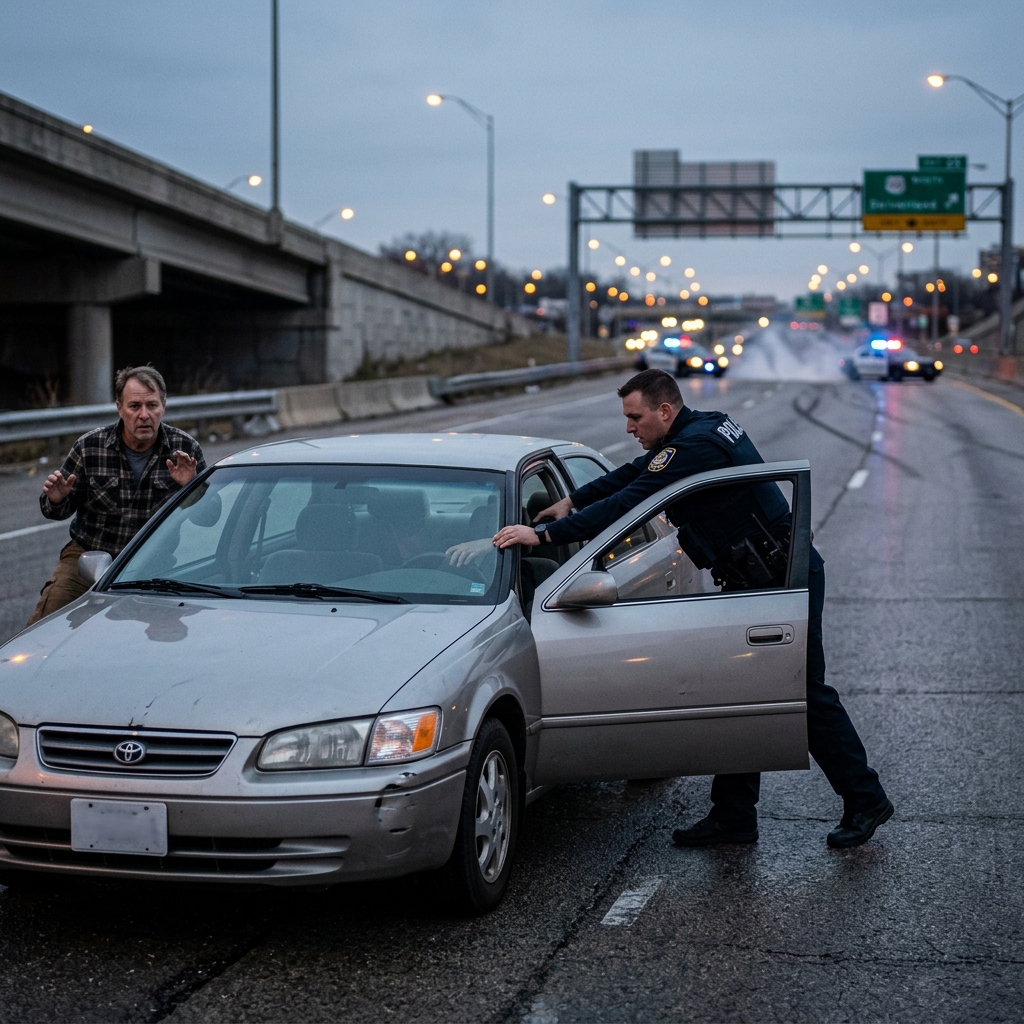
Scenes in movies where an officer flashes a badge, orders a driver out, and speeds away in their car are memorable, but they raise a serious question: can police legally use your privately owned vehicle in a real-life chase? The answer depends heavily on jurisdiction, the urgency of the situation, and the laws that govern assistance to law enforcement and protection of private property.
This article explores how commandeering works, the legal authority behind it, your rights and obligations as a driver, and what it could mean for your insurance and liability if your vehicle is taken or you are asked to help.
Understanding Commandeering: What It Really Means
Commandeering typically refers to a public authority, such as police or military, taking control of privately owned property for official use. In the context of vehicles, it involves an officer directing a driver to surrender their car or to use it in aid of law enforcement, often during emergencies such as pursuing a suspect or responding to a critical incident.
- Purpose: Support public safety missions, such as pursuit, rescue, or emergency response.
- Property involved: Most commonly vehicles, but in extreme scenarios other property may be used.
- Legal basis: Mix of constitutional principles, state statutes, and common law duties to assist officers.
Historically, courts have recognized that in situations of serious and imminent danger, public officers may take control of private property if necessary to protect the public, with compensation generally required where property is taken for public use. Modern practice, however, is far more cautious due to liability concerns, departmental policy, and the availability of official vehicles.
Key Legal Foundations Behind Commandeering
The authority for police to use or direct private resources comes from several overlapping legal concepts. These do not operate identically in every jurisdiction, but some themes recur.
Duty to Assist Law Enforcement
Many jurisdictions recognize a general duty for members of the public to assist law enforcement when reasonably commanded, especially in emergencies.
- Statutes may criminalize refusing to aid a peace officer, usually when the officer’s request is reasonable and clearly connected to law enforcement duties.
- Some laws expressly mention helping with arrests or preventing serious offenses.
- Penalties can range from fines to minor criminal charges for refusing lawful commands.
These rules do not always mention vehicles directly, but they can form the basis for an officer asking a driver to transport them, block a road, or otherwise assist.
Emergency and Exigent Circumstances
Courts have long accepted that extraordinary emergencies can justify temporary interference with private property rights when needed to avert serious harm.
- Cases have recognized that during war or immediate public danger, authorities may “impress” private property into public service.
- Constitutional takings principles generally require that if property is taken for public use, the owner is entitled to compensation.
- Modern police agencies must balance these doctrines against departmental policy and the risk of civil liability.
In day-to-day policing, most departments discourage commandeering except in the rarest, most urgent circumstances, even if some legal justification could exist.
Common Law Duty to Assist a Constable
In some places, particularly those influenced by English common law, there is a longstanding offense related to refusing to assist a constable.
- This duty arose in an era when officers had limited resources and often relied on nearby citizens for help.
- While still technically recognized in some jurisdictions, prosecutions for refusing to assist a constable are extremely rare today.
- Legal commentary suggests that commandeering a car goes beyond the usual scope of this duty, especially where specific statutes do not authorize such use.
Can Police Actually Take Your Vehicle? Jurisdiction Matters
Whether an officer can lawfully take or direct your car in a chase is highly jurisdiction-specific. Below is a general comparison of approaches in different places, based on public legal analysis and commentary.
| Jurisdiction Type | General Authority to Commandeer Vehicles | Practical Frequency |
|---|---|---|
| United States (federal level) | No broad federal statute expressly authorizing routine commandeering of civilian vehicles for police pursuits. | Extremely rare; may be argued under emergency powers or duty-to-assist laws in some states. |
| United States (state statutes) | Some states impose a duty to aid officers, which could be interpreted to include assistance with vehicles in narrow circumstances. | Legal experts caution that most agencies forbid commandeering in policy and rely on official vehicles instead. |
| United Kingdom | Commentary indicates no explicit statutory power letting police seize and drive private vehicles solely to chase suspects. | Police may stop vehicles and request voluntary assistance, but actual commandeering is reported as practically unheard of. |
| Other common-law jurisdictions | Often retain some form of duty to assist law enforcement, with varying scope and interpretation. | Use of private vehicles is unusual and fact-specific; practices depend on local law and policy. |
These patterns show that the cinematic trope of an officer routinely taking a civilian car is not representative of everyday practice. Where some legal power exists, departments usually restrict its use to avoid causing unnecessary risk to citizens and property.
Department Policies vs. Theoretical Legal Powers
Even if the law allows some degree of commandeering, most police agencies adopt internal rules that are more restrictive than general legal authority.
- Policy discouraging commandeering: Training materials and guidance often advise officers not to take control of private property except under extreme circumstances.
- Liability concerns: Departments are aware that using civilian vehicles can expose them and officers to civil claims for injury or damage.
- Risk management: Pursuit policies frequently emphasize minimizing danger, which is harder to manage when an unmarked or civilian car is used.
- Alternative resources: Radio dispatch, mutual aid, air support, and marked patrol cars usually make commandeering unnecessary.
Because of these factors, the practical likelihood of an officer attempting to take your car in a chase is low, even where law might allow it. Many officers report never having seen it happen during their careers.
Your Rights and Responsibilities as a Driver
If an officer urgently asks for help involving your vehicle, your legal position depends on how the request is framed and what local law requires.
Requests vs. Commands
It matters whether the officer is politely asking or issuing a clear, lawful order.
- Voluntary request: Phrases like “Can you drive me to…” or “Would you help us block this intersection?” may be requests. In many jurisdictions, you could lawfully say no, though the precise law varies.
- Command or order: Statements such as “I am commandeering your vehicle for official police use; exit the car” signal a formal command, which may trigger statutory duties to assist and potential penalties for refusal.
- Identification: The command must come from someone you can reasonably know is an officer, which generally means clear identification, uniform, or badge.
Where assistance statutes exist, refusing a lawful command could in theory result in fines or charges, though such prosecutions are rare and context-sensitive.
Safety Considerations
Legal analysis notes that, in some places, the risk to the citizen is not automatically a defense—meaning you might still be obliged to help even if danger is involved. At the same time, an officer has a duty to avoid unnecessary harm.
- If you are driving, your skill level, physical condition, and familiarity with emergency driving matter.
- Officers should consider whether asking you to participate in a high-speed pursuit would create unacceptable risk.
- Courts may later examine whether the officer’s command was reasonable given the circumstances and the available alternatives.
In practice, many agencies instruct officers to enter official vehicles or request marked units rather than using civilian drivers in high-risk maneuvers.
Insurance and Liability: What Happens After Your Car Is Used?
Even if commandeering or assistance is rare, drivers naturally worry about who pays if their car is damaged or someone is injured. The answer involves a mix of insurance principles, civil liability, and public compensation rules.
Potential Sources of Payment
Depending on the scenario, several avenues may provide compensation for damage to your vehicle or for injuries:
- Your auto insurance: Collision and comprehensive coverage may apply if your car is damaged during a police-related incident, subject to policy terms and deductibles.
- Government liability: If an officer acting within the scope of employment negligently damages your property, you may have a claim against the governmental entity, governed by sovereign immunity and specific claims procedures.
- Suspect’s liability: When a fleeing suspect causes damage, you may pursue civil claims against that driver; however, practical recovery depends on their assets and coverage.
- Constitutional takings compensation: In extreme cases where property is taken or destroyed for public use in emergencies, some doctrines support compensation for owners, though procedures and outcomes vary by jurisdiction.
Because these issues are complex and fact-dependent, speaking with a lawyer experienced in civil liability or insurance coverage is advisable if your vehicle is involved in a police operation.
Impact on Your Policy and Premiums
Insurance companies evaluate claims based on fault, type of coverage, and whether the use of the vehicle falls within normal risk categories. Policy language may not explicitly address police commandeering, but general rules still apply.
- Claims paid under collision or property damage coverage could affect your loss history and, in some cases, future premiums.
- If an official entity accepts responsibility and reimburses you or your insurer, that may reduce financial impact.
- Some policies may include exclusions for use of the vehicle in official capacities; reviewing your contract or consulting your insurer is important.
Because scenarios involving police use of private vehicles are rare, insurers handle them on a case-by-case basis, often coordinating with public entities and legal counsel.
Practical Steps if You Are Asked to Help
Even though it is unlikely an officer will take your car, it is useful to know how to respond if you are ever asked for urgent help.
- Stay calm and listen carefully: Determine whether the officer is requesting assistance or issuing a clear order.
- Confirm identity: Look for uniform, badge, and patrol car markings to ensure the person is legitimately law enforcement.
- Clarify what is being asked: Ask concise questions—“Do you need me to drive?” or “Are you ordering me to leave the vehicle?”—to understand your role.
- Consider your capabilities: If driving at high speed would be dangerous given your abilities or health, communicate that clearly.
- Document afterwards: Once the situation is safe, note details such as time, place, officer’s name, and witnesses, which may be helpful for insurance or legal advice.
- Seek legal counsel and contact your insurer: If your vehicle is used or damaged, timely consultation with professionals can help protect your rights.
Frequently Asked Questions
Is it legal for police to force me out of my car and drive away in it?
In some jurisdictions, emergency powers and duty-to-assist statutes may give officers limited authority to commandeer a vehicle, but this is highly context-dependent and often restricted by departmental policy. In others, legal experts report no statutory authority allowing police to seize and drive private cars solely to pursue suspects.
Can I refuse if I feel unsafe?
Safety concerns are real, but some laws do not treat personal danger as an automatic justification to refuse assistance to law enforcement. Whether you can lawfully refuse depends on how the command is framed and local law. If the officer is making a voluntary request, you may have more freedom to decline than if a clear lawful order is given.
Will I be prosecuted if I refuse to help?
Statutes in some areas penalize refusing to aid an officer when reasonably commanded, but actual prosecutions for refusal—especially in vehicle-related scenarios—appear to be rare. Legal outcomes would depend on the specific facts and the jurisdiction’s enforcement practices.
If my car is damaged during a chase, who pays?
Responsibility may fall on your insurer, the relevant government entity, the suspect, or a combination of these, depending on fault, coverage, and local liability rules. Constitutional and statutory principles may support compensation when property is taken or damaged for public use in emergencies. Consulting both your insurer and an attorney is recommended.
Does this happen often in real life?
Commentary from practitioners and legal educators suggests that officers taking civilian vehicles is extremely rare, and often discouraged by department policy and risk considerations. The scenario is far more common in films than in everyday policing.
When to Speak with a Lawyer
If your vehicle is involved in a police pursuit—whether you were driving at an officer’s request, your car was taken, or it was damaged by law enforcement activity—legal advice is important. A lawyer can help you:
- Evaluate whether the officer’s command complied with local law.
- Determine potential liability of public entities, suspects, or other parties.
- Navigate insurance claims and potential disputes over coverage.
- Protect your rights if charges related to refusing assistance or other conduct are raised.
Because rules on commandeering and public assistance differ significantly between jurisdictions, you should consult counsel familiar with the law of the state or country where the incident occurred.
References
- Refusing to Aid a Peace Officer (ARS 13-2403) — Arizona State Legislature. 2022-01-01. https://www.azleg.gov/ars/13/02403.htm
- Commandeering — Encyclopaedia entry summarizing legal concept. 2021-06-01. https://en.wikipedia.org/wiki/Commandeering
- Can police in the UK really commandeer your car? — Select Car Leasing analysis quoting Road Traffic Act and legal experts. 2022-03-15. https://www.selectcarleasing.co.uk/news/article/can-police-commandeer-car-uk-legislation-explained
- Commandeering Vehicles — Police Law Talk educational video transcript. 2023-05-10. https://www.youtube.com/watch?v=Sh1B0uyWnBs
- General Order: Vehicle Pursuits — Example U.S. police department pursuit policy (PowerDMS copy). 2020-08-01. https://public.powerdms.com/DPDNC/documents/575312
Similar Articles








Read full bio of Sneha Tete




