
Buying Alcohol Online: Laws, Risks, and Smart Practices
Understand age limits, shipping rules, state laws, and safety tips before you order beer, wine, or spirits from an online seller.
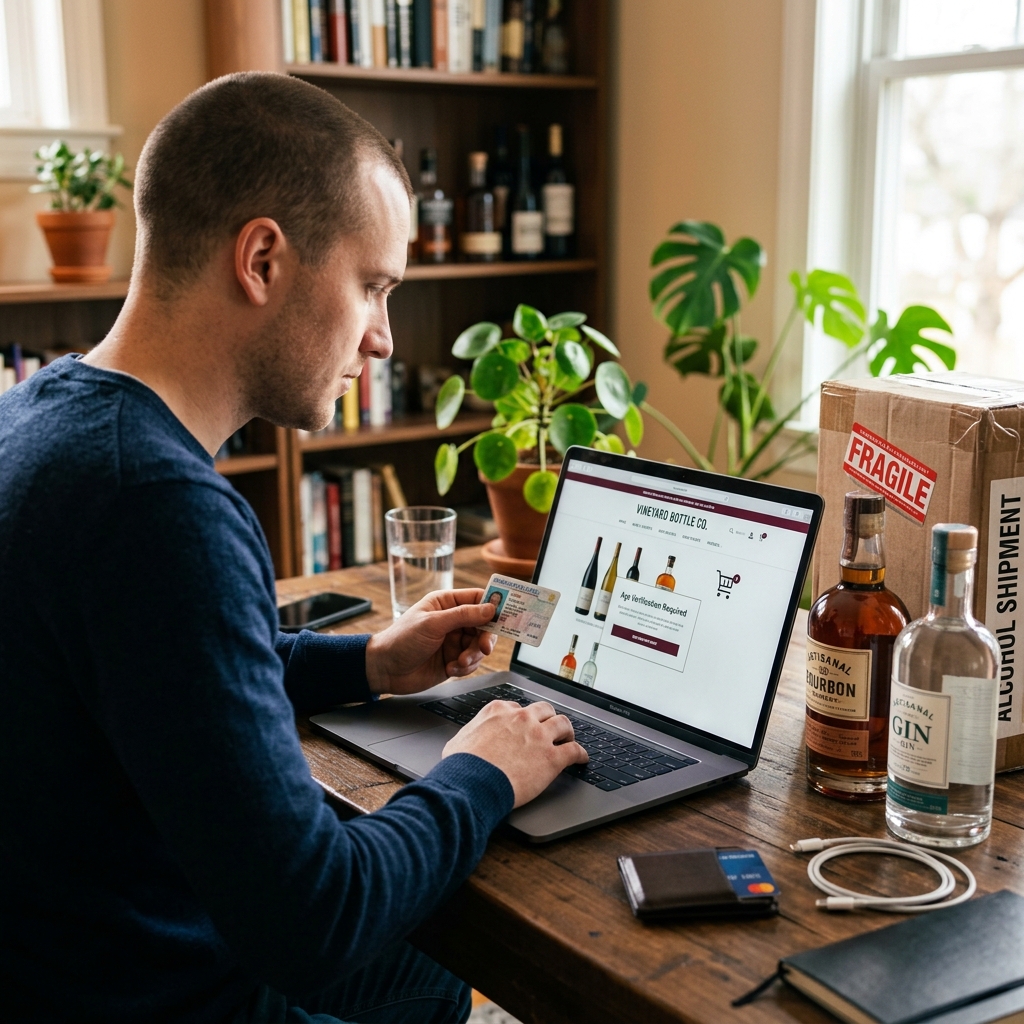
Ordering beer, wine, and spirits online has moved from a niche convenience to a mainstream way to stock home bars, send gifts, and discover new brands. But alcohol is not treated like ordinary consumer goods. A complex mix of federal, state, and local laws affects who can sell, who can buy, how products are shipped, and what happens if something goes wrong with your order.
This guide walks you through the key legal and practical issues you should understand before clicking the checkout button, so you can shop confidently and reduce the risk of legal or financial headaches.
1. Why Buying Alcohol Online Is Legally Different
Alcohol sales in the United States are regulated more heavily than most other consumer products. After Prohibition ended, the Twenty-first Amendment gave states broad authority to control how alcohol is produced, distributed, sold, and transported within their borders. As a result, online alcohol purchases must navigate:
- Federal rules on labeling, taxation, and interstate commerce
- State-level licensing and shipping restrictions
- Local (city or county) dry-area rules in some places
Because of this layered system, what is legal in one state can be prohibited in another, and a website that ships wine to one address may not be allowed to ship the same bottle to a different ZIP code.
2. Key Legal Players: Who Regulates Online Alcohol Sales?
Several government entities play distinct roles in regulating online alcohol transactions.
2.1 Federal oversight
At the federal level, the Alcohol and Tobacco Tax and Trade Bureau (TTB) Importers, for example, must obtain permits and label approvals before bringing many alcoholic products into the country for sale.
- Label and bottle approval: Importers must secure a Certificate of Label Approval (COLA) for covered wines, spirits, and malt beverages before those products can be sold in interstate commerce.
- Permits and registration: Importers and wholesalers must obtain federal permits and register as alcohol dealers before starting business.
For ordinary consumers, these federal rules are mostly invisible—but they still affect what products appear on your screen and how they are described.
2.2 State and local control
State governments decide the rules that actually determine whether an online store can ship to you. Many states require separate licenses for:
- Local retailers selling and delivering within the state
- Out-of-state wineries or breweries shipping directly to consumers (direct-to-consumer or DTC shipping)
- Third-party delivery platforms that transport alcohol on behalf of retailers
Some states also restrict shipments to certain types of alcohol (for example, wine only), limit how much you can receive each month, or ban direct shipments altogether. Counties and municipalities can add their own restrictions, particularly in dry or partially dry areas.
3. Age Verification: Proving You Are Old Enough
Every U.S. state sets 21 as the legal minimum age for purchasing alcohol, and that rule applies equally to online orders and in-store purchases. Retailers, carriers, and delivery services face serious penalties if they provide alcohol to someone underage, so age verification is a central part of online transactions.
3.1 How websites check age
Online sellers use different tools to screen out underage buyers, including:
- Initial age gate: A pop-up asking you to confirm you are 21 or older before viewing products (not sufficient by itself for compliance).
- Identity verification tools: Services that compare your name, address, and date of birth against public or commercial databases to confirm age.
- ID upload or scan: Some platforms request an image of a government-issued ID for higher-risk orders or when local rules require it.
From a consumer perspective, it is important to understand what information you are providing and how it will be stored, especially when sensitive data such as ID images are involved.
3.2 Age checks at delivery
Most major carriers and delivery services require an adult with valid ID to be present to accept the package. If no one of legal age is available, the driver will typically:
- Refuse to leave the package unattended
- Attempt delivery again on another day, or
- Return the package to the sender after repeated failed attempts
If you are ordering alcohol as a gift, warn the recipient that an adult will need to be present with identification when the shipment arrives. If a retailer or delivery service does not perform age checks, that is a significant warning sign.
4. Shipping Alcohol Across State Lines
One of the most confusing aspects of buying alcohol online is figuring out where sellers are allowed to ship their products. Laws vary widely by state, and shipping rules may differ for beer, wine, and spirits.
| Type of product | Typical online shipping status | Common limitations |
|---|---|---|
| Wine | Most commonly allowed for direct-to-consumer shipments | Volume limits per month or year; license required for out-of-state wineries |
| Beer | More restricted; some states allow, others prohibit or limit | May be limited to in-state retailers and local delivery only |
| Distilled spirits | Often the most restricted category | Many states prohibit direct shipment from out-of-state sellers; local delivery may still be allowed |
4.1 Why some websites will not ship to you
When you enter your ZIP code on an online alcohol store and see a “cannot ship to your location” message, that is usually because:
- Your state does not allow direct shipments of that type of alcohol
- The retailer does not hold the specific license required to ship to your state
- Your locality has additional restrictions or is in a dry area
Retailers and shipping carriers may face fines or license suspensions for violating state shipping rules, so they tend to use conservative, automated systems that block questionable destinations.
4.2 International orders and bringing alcohol into the U.S.
Online buyers sometimes look to overseas sellers for rare or specialty bottles. Importing alcohol into the U.S. raises additional issues:
- Consumers returning from abroad in person can generally bring back a limited amount of alcohol for personal use, often about one liter duty-free, although this can vary by state.[10]
- Commercial importers of alcohol must obtain federal permits and label approvals from the TTB before products are legally imported for resale.
For typical online shoppers, it is safer and simpler to purchase from domestic retailers that already have the necessary approvals and relationships with carriers.
5. Types of Online Alcohol Sellers
Not all websites that offer alcohol operate in the same way. Understanding the seller’s role helps you know which laws apply and who is responsible if something goes wrong.
5.1 Traditional retailers with online stores
Many brick-and-mortar liquor stores, grocery chains, and warehouse clubs now offer online ordering. In these models:
- The store usually holds the same local licenses it uses for in-person sales
- Deliveries may be limited to certain geographic areas
- A retailer employee, contracted driver, or third-party service delivers to your door
This is often the most straightforward model from a regulatory standpoint, but products may be limited to what your local store stocks and what local law allows for delivery.
5.2 Producer-direct sales (wineries, breweries, distilleries)
Many wineries and some breweries and distilleries sell products directly to consumers through their own websites. For these sales:
- The producer must hold a direct-shipping license in your state, if required
- States may cap how much you can receive from a single producer annually
- Shipments often go through major carriers using adult-signature services
Direct purchases from producers can offer access to limited releases or club-only bottlings, but availability strongly depends on whether your state permits direct shipments for that product type.
5.3 Marketplaces and delivery apps
Some platforms do not sell alcohol themselves but instead connect you with licensed local retailers or restaurants. In these cases:
- The local retailer is typically the legal seller of record
- The platform may facilitate payment, age verification, and delivery logistics
- State rules may treat the platform as a delivery service that needs its own license
If you need to dispute a charge or return a product, you may have to navigate the policies of both the platform and the underlying retailer.
6. Consumer Risks and How to Reduce Them
Beyond legal compliance, online alcohol buyers face the same consumer protection issues that arise with other e-commerce purchases—plus a few risks unique to alcohol.
6.1 Product authenticity and quality
Counterfeit or improperly stored alcohol can threaten both your health and your wallet. To reduce risk, consider:
- Buying from well-known retailers, established producer websites, or platforms that verify their partners
- Avoiding offers that seem dramatically under market price for rare or collectible bottles
- Reviewing customer feedback for patterns of complaints about damaged, spoiled, or suspicious products
Some countries and producers use track-and-trace labels or security features to help combat counterfeiting, especially for higher-value spirits, but these tools are not universal.
6.2 Shipping damage, weather, and storage
Alcohol is heavy, fragile, and sometimes sensitive to temperature. Common shipment issues include:
- Broken bottles or leaking seals
- Heat damage in warm weather, potentially affecting wine and certain spirits
- Freezing in extremely cold climates, which can compromise corks or caps
Before you order, read the seller’s packaging and replacement policies. Some wine shippers, for example, may delay sending your order during extreme heat or cold to protect quality, and reputable retailers generally offer refunds or reshipments for breakage documented at delivery.
6.3 Privacy and data security
Because of age verification, alcohol sellers may collect more personal information than a typical online store. To protect yourself:
- Check whether the website uses secure encryption (look for “https” and modern browser security indicators)
- Review privacy policies to see how long ID data is stored and whether it is shared with third parties
- Be cautious about sending ID scans or photos through unsecured channels such as email
7. Practical Checklist Before You Click “Buy”
Use the following checklist each time you buy alcohol online:
- Verify legality: Confirm the website can ship to your state and that the type of alcohol you are buying is permitted.
- Confirm licensing: Look for indications that the seller is a licensed retailer or producer; check for license numbers or regulatory disclosures in the footer.
- Review age-verification steps: Make sure the process includes at least an adult-signature requirement at delivery.
- Check shipping and return policies: Understand who pays if a package is damaged or cannot be delivered because no adult is present.
- Evaluate pricing and fees: Factor in shipping, adult-signature charges, and any local taxes or fees at checkout.
- Assess seller reputation: Scan independent reviews, consumer complaints, and ratings for recurring issues.
8. What If Something Goes Wrong With Your Order?
Even when you choose reputable sellers, problems can arise. Your options depend partly on the seller’s policies and partly on the nature of the problem.
8.1 Wrong, damaged, or missing items
For incorrect or damaged shipments, many retailers will offer either a replacement or a refund if you promptly report the issue. To preserve your rights:
- Inspect the package while the driver is present, if possible
- Take photos of any damage, leaked liquid, or incorrect labeling
- Contact customer service quickly and keep records of communications
Be aware that some states restrict returns of alcohol for regulatory reasons, so sellers may handle issues through refunds rather than taking products back into inventory.
8.2 Undeliverable packages
If no adult is available to sign for a package, carriers may return it to the sender. Seller policies vary on whether they will:
- Issue a partial refund, minus shipping costs
- Reship for an additional fee
- Charge restocking or handling fees
To avoid surprises, read the fine print about failed delivery attempts before placing your order.
8.3 Disputing charges
If you cannot resolve a problem with the seller, you may be able to dispute the charge through your credit card issuer or payment platform. Document:
- Order details and receipts
- Email or chat logs with customer service
- Photos or other evidence of the problem
Dispute timelines can be short, so do not wait if you believe a charge is unauthorized or a product was never delivered.
9. Special Considerations: Gifts, Subscriptions, and Clubs
Many consumers buy alcohol online not just for personal consumption but also as gifts or through recurring subscription services.
9.1 Sending alcohol as a gift
When sending alcohol to someone else, keep in mind:
- The recipient must be of legal drinking age and available to sign
- Some states that allow shipments to residents still prohibit shipments to certain addresses, such as college dormitories
- Gift messages typically cannot encourage underage or irresponsible drinking
Consider coordinating with the recipient about timing, especially for expensive or collectible bottles, to reduce the risk of delivery problems.
9.2 Subscription boxes and wine clubs
Subscription services and clubs offer curated selections on a monthly or quarterly basis. Before enrolling, review:
- Whether your state allows recurring shipments from that provider
- Cancellation policies and any minimum commitment
- How substitutions are handled if a particular bottle is unavailable
Because shipments are ongoing, you should quickly update your address if you move to avoid deliveries to locations where you no longer live or where rules differ.
10. Frequently Asked Questions
Is it legal to buy alcohol online in every state?
No. While many states permit some form of online ordering and delivery, others heavily restrict or prohibit shipments, especially from out-of-state sellers. Rules often differ for beer, wine, and spirits. Always check your state’s alcohol control agency or attorney general resources for current rules.
Can I have alcohol shipped to a P.O. box or parcel locker?
Generally no. Because an adult signature and ID check are required at delivery, carriers typically cannot leave alcohol shipments at P.O. boxes, parcel lockers, or unattended drop-off points.
What happens if I am not home when my alcohol order is delivered?
Carriers will usually make one or more additional attempts, and they might hold the package at a facility for pickup by an adult with ID. If all attempts fail, the package may be returned to the sender. Whether you receive a refund depends on the seller’s policy.
Can parents buy alcohol online for their underage children?
Even in states that allow limited underage consumption in private settings under parental supervision, it is illegal for retailers and delivery services to knowingly provide alcohol to minors. Online sellers will treat any such order as a sale to the adult, and delivery will still require an adult signature.
How can I tell if an online alcohol seller is legitimate?
Look for clear contact information, licensing disclosures, transparent policies, and consistent customer reviews. Be cautious of sites that hide their location, offer improper discounts on heavily regulated products, or use insecure payment pages.
References
- Importing Alcoholic Beverages into the U.S. — Alcohol and Tobacco Tax and Trade Bureau (TTB). 2022-03-28. https://www.ttb.gov/import-export/importing-alcohol-beverages
- Importing Alcoholic Beverages to the U.S. (Spanish guidance) — Alcohol and Tobacco Tax and Trade Bureau (TTB). 2021-11-09. https://www.ttb.gov/import-export/itd-spanish/importing
- Bringing Alcohol (Including Homemade Wine) to the United States — U.S. Customs and Border Protection (CBP). 2020-09-23. https://www.help.cbp.gov/s/article/Article-1395
- Twenty-first Amendment to the U.S. Constitution — U.S. Government Publishing Office (GPO). 1933-12-05. https://www.govinfo.gov/content/pkg/CDOC-108hdoc94/pdf/CDOC-108hdoc94.pdf
- Background: Regulation of Alcohol in the United States — National Institute on Alcohol Abuse and Alcoholism (NIAAA). 2021-01-15. https://www.niaaa.nih.gov/alcohols-effects-health/alcohol-policy
Similar Articles








Read full bio of medha deb


