
Arming Staff for Safety: Legal and Practical Insights
Explore the legal boundaries and smart strategies for equipping employees with defensive tools in high-risk workplaces.
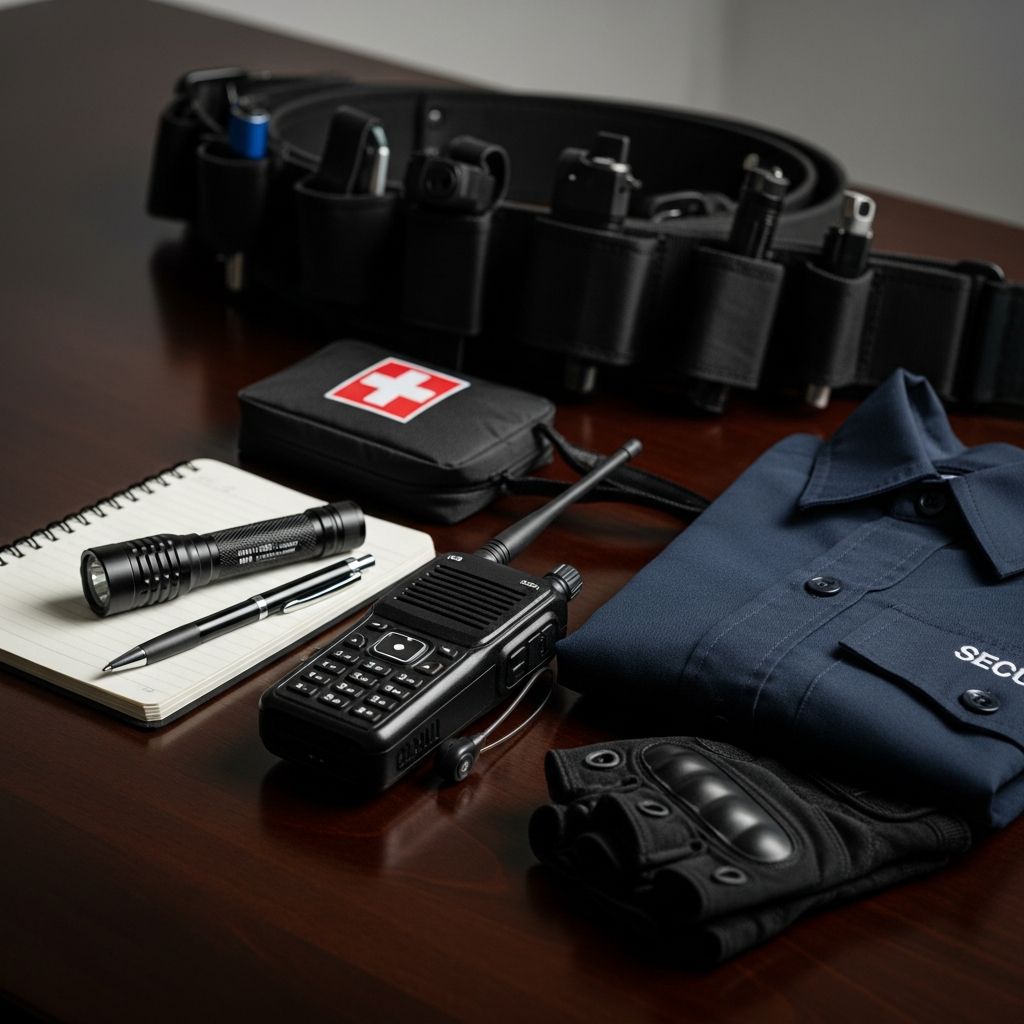
In high-risk retail environments, business owners often grapple with how to protect employees from potential threats like robberies or assaults. While the idea of providing defensive tools such as machetes might arise from real concerns, it introduces complex legal, ethical, and operational challenges. This article delves into the viability of such measures, emphasizing compliant emergency preparedness over improvised arming.
Understanding Workplace Threats in Retail Settings
Retail clerks face unique dangers, including late-night robberies, aggressive customers, and isolated workspaces. Statistics from the U.S. Department of Labor highlight that workplace violence accounts for a significant portion of nonfatal injuries in sales occupations. These incidents underscore the need for robust safety protocols rather than reactive armament.
- Common risks: Armed robberies, verbal escalations turning physical, and insufficient security personnel.
- Impact on staff: Psychological trauma, injuries, and high turnover rates in vulnerable roles.
- Business consequences: Lawsuits, insurance hikes, and reputational damage from inadequate responses.
Instead of weapons, federal guidelines prioritize prevention through structured plans that minimize harm without escalating violence.
Legal Boundaries on Employee Armament
Equipping staff with blades or similar items treads into prohibited territory under labor laws. OSHA’s Emergency Action Plans Standard (29 CFR 1910.38) mandates written plans for businesses with over 10 employees, focusing on evacuation and reporting rather than confrontation. Providing machetes could violate duty-of-care standards, exposing owners to negligence claims if misuse occurs.
| Aspect | Permissible Action | Risky Armament Approach |
|---|---|---|
| Legal Compliance | Training on de-escalation and alarms | Supplying weapons, risking assault charges |
| Liability Exposure | Limited via documented plans | High if employee injures bystander |
| Insurance Impact | Coverage maintained | Potential policy cancellation |
State laws vary, but federal precedents from the Department of Transportation emphasize non-violent responses, including buddy systems for vulnerable workers. Courts have ruled against employers arming staff, citing increased danger to all parties.
Building a Compliant Emergency Action Blueprint
A solid emergency plan forms the cornerstone of workplace safety. OSHA requires elements like evacuation routes, reporting procedures, and training. For small businesses, oral plans suffice under 10 employees, but documentation proves diligence.
- Assess Hazards: Identify site-specific risks such as proximity to high-crime areas or after-hours operations.
- Assign Roles: Designate coordinators, floor monitors, and buddies—especially for employees with disabilities.
- Evacuation Protocols: Map multiple escape routes, post signage, and conduct drills.
- Accountability Measures: Use headcounts at rally points and notify first responders of vulnerabilities.
Customization ensures relevance; for instance, retail stores might add protocols for handling suspicious individuals without confrontation.
Training: Empowering Employees Without Weapons
Effective training transforms passive staff into proactive safety participants. DOT guidelines stress familiarizing everyone with plans, including simulations for realistic practice. Key topics include alarm activation, shelter-in-place, and assisting colleagues.
- Initial onboarding: Cover escape routes and reporting.
- Annual refreshers: Update for plan changes or new hires.
- Specialized sessions: For monitors on headcounts and shutdowns.
OSHA mandates retraining upon plan updates or role shifts, ensuring readiness. Programs like Red Cross Ready Rating offer free tools for businesses.
Inclusive Strategies for All Employees
Accessibility defines modern plans. The Department of Labor provides resources for disability-inclusive preparedness, requiring self-disclosure and buddy assignments. Facilities may need signage or devices for safe egress.
Non-business hours demand personal planning: multiple routes and after-hours buddies. Paratransit disruptions prompt employer contingency transport.
Addressing Specific Emergencies: Violence and Beyond
Workplace violence protocols prohibit threats and mandate immediate reporting. For active threats, emphasize evacuation over engagement—leave belongings, assist if safe, and alert authorities.
- Medical emergencies: Designated responders with first-aid kits.
- Hazmat spills: Containment by trained personnel only.
- Natural disasters: Shelter-in-place or phased evacuations.
Detail active shooter responses in appendices, prioritizing ‘run, hide, fight’ without provided weapons.
Technology and Tools for Enhanced Protection
Leverage alarms, cameras, and panic buttons over blades. OSHA endorses employee alarm systems (29 CFR 1910.165). Silent alerts connect directly to police, reducing response times.
Buddy systems pair nearby colleagues, with supervisors aiding recruitment. Pagers or apps notify during off-hours.
Financial and Operational Continuity
Beyond immediate safety, plans safeguard business viability. U.S. Chamber of Commerce advises prioritizing risks and roles for seamless recovery. Inventory critical shutdowns to prevent further hazards.
Frequently Asked Questions (FAQs)
Can small businesses arm clerks for self-defense?
No, providing weapons like machetes risks legal violations and liability. Focus on OSHA-compliant plans instead.
What must an emergency plan include?
Evacuation routes, roles, training, and reporting procedures per 29 CFR 1910.38.
How to handle employees with disabilities?
Assign buddies, disclose needs, and coordinate with first responders.
Is training mandatory?
Yes, upon hiring, plan changes, or role updates.
What about workplace violence?
Report threats immediately; evacuate and avoid confrontation.
Conclusion: Safety Through Strategy, Not Steel
Empowering clerks demands structured preparedness over armament. By adhering to federal guidelines, businesses foster secure environments that protect staff, comply with laws, and sustain operations. Implement today for peace of mind tomorrow.
References
- Departmental Guidelines on Emergency Preparedness and Response — U.S. Department of Transportation. 2023-10-01. https://www.transportation.gov/civil-rights/civil-rights-awareness-enforcement/departmental-guidelines-emergency-preparedness-and
- Sample Emergency Action Program — Missouri Department of Labor. 2024-05-15. https://labor.mo.gov/dls/workplace-safety/emergency-action-program
- Creating an Emergency Preparedness Plan: A Step-by-Step Guide — U.S. Chamber of Commerce. 2025-02-20. https://www.uschamber.com/co/start/strategy/emergency-preparedness-plan-for-business
- Emergency Action Plan (Template) — Centers for Disease Control and Prevention (CDC). 2004-01-01 (authoritative template, remains standard). https://www.cdc.gov/niosh/docs/2004-101/emrgact/files/emrgact.pdf
- Emergency Preparedness and Response: Getting Started — Occupational Safety and Health Administration (OSHA). 2025-08-10. http://www.osha.gov/emergency-preparedness/getting-started
Similar Articles








Read full bio of Sneha Tete


