
Are Your Solar Panels Covered by Home Insurance?
Understand when homeowners insurance protects rooftop and ground-mounted solar panels, and how to avoid costly coverage gaps.
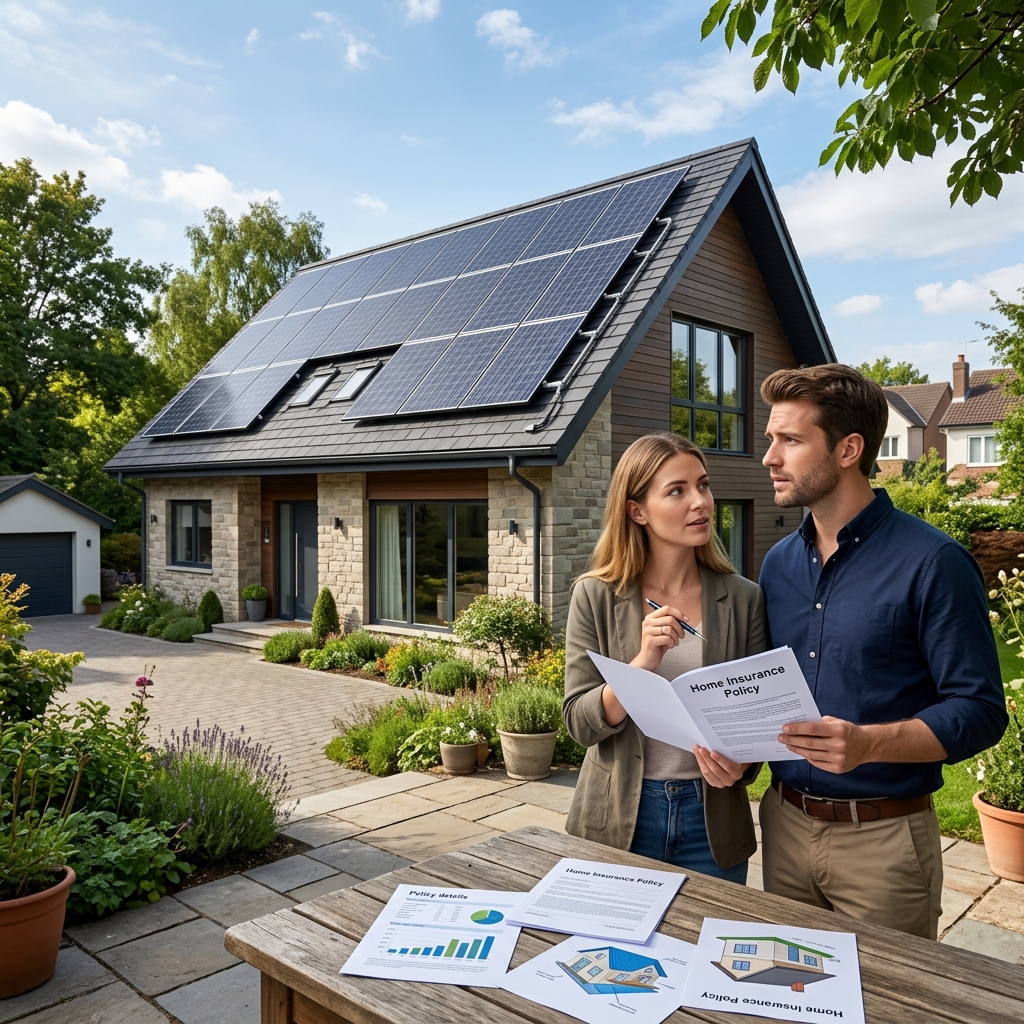
Solar panels can be a major investment, and most homeowners want to know whether their existing insurance will pay for damage if something goes wrong. In many cases, standard homeowners insurance does cover solar panels as part of your home, but there are important exceptions and limitations you need to understand before you rely on that protection.
This guide explains how insurers typically treat rooftop and ground-mounted solar systems, which types of damage are usually covered, and when you may need endorsements or separate policies to fully protect your system.
How Insurers Usually Classify Home Solar Systems
Most major insurers treat residential solar energy systems as an integral part of the home once they are permanently installed. In practice, that means rooftop solar panels often fall under the same part of your policy that covers the dwelling itself.
Solar panels as permanent attachments
When solar panels are firmly attached to the roof or built into roofing tiles, insurers generally consider them a permanent attachment similar to a patio, built-in security system, or other structural improvement.
- Roof-mounted panels are typically included with your home’s main structure (dwelling coverage).
- Solar roofing tiles or integrated systems are usually treated like any other roofing material with added equipment value.
- Supporting equipment such as inverters and wiring may also be covered when they are part of the permanently installed system.
Because these systems can be expensive, insurers often recommend reassessing your dwelling coverage limit to be sure it reflects the added replacement cost of the solar installation.
Ground-mounted and detached solar structures
Not all solar arrays sit on the roof. Some homeowners use ground-mounted panels, solar carports, or panels attached to detached garages. Insurers commonly treat these systems differently from rooftop installations.
- Ground-mounted arrays may be covered under the portion of your policy for “other structures” (such as sheds or fences), not under dwelling coverage.
- Solar carports or panels on detached buildings often fall under other structures coverage and may require higher limits or an endorsement.
- Some policies exclude detached solar systems entirely unless you add specific coverage for them.
Because treatment varies widely, homeowners should review their policies and talk directly with their insurers to confirm how non-rooftop systems are classified and insured.
When Damage to Solar Panels Is Usually Covered
Homeowners insurance typically protects against a list of named risks, often called covered perils. Many of these perils apply both to the house and to attached solar installations, which means damage to rooftop panels is often included when those events occur.
Common covered perils for solar systems
While each policy is different, rooftop solar installations that are part of the home’s structure are frequently covered for damage caused by events such as:
- Fire originating in or near the home
- Lightning strikes and related power surges
- Explosions
- Falling objects, such as tree branches
- Vandalism or theft of solar equipment
- Some forms of storm damage, depending on the policy
Insurance companies emphasize that coverage depends on both the type of event and the way the system is installed. For example, damage from a tornado that tears off part of the roof may include the solar panels, while a minor cosmetic scratch may fall below your deductible or be considered ordinary wear.
Examples of situations that may be covered
To illustrate how coverage can work in practice, consider the following scenarios:
- A severe house fire damages the roof and solar panels. If fire is a covered peril under your policy, repairs or replacement of both the roof and attached panels are typically handled under dwelling coverage.
- A lightning strike destroys several panels and a connected inverter. Lightning is commonly included as a covered peril, so panels and some related equipment may be covered, subject to policy limits.
- Thieves remove and steal several ground-mounted panels. If the system is listed under other structures coverage and theft is a covered peril, the loss may be reimbursable, provided there is no specific exclusion for detached solar equipment.
In all cases, the outcome depends on how the system is described and valued in the policy, as well as any endorsements or exclusions that apply to solar equipment.
Damage That Is Often Limited or Excluded
Even when solar panels are treated as part of the home, insurers do not cover every type of damage. Many policies restrict coverage for certain weather hazards or exclude claims tied to installation quality or normal aging.
Weather-related exclusions
Some home insurance policies narrow coverage for specific threats such as wind and hail, particularly in regions where those risks are frequent. Insurers may apply higher deductibles, partial exclusions, or state in the policy that certain types of damage to solar panels are not included.
- Wind damage to panels may be excluded or only partially covered in high-risk areas.
- Hail impact can sometimes be excluded specifically for solar equipment, or covered with limitations.
- Policies in some states require separate endorsements or higher deductibles for major storm risks, which can change how solar claims are handled.
These exclusions are usually spelled out in the policy wording, but they can be easy to overlook if you assume solar panels are treated exactly like the rest of the roof.
Wear, installation issues, and maintenance problems
Homeowners insurance is designed to respond to sudden, unexpected losses—not gradual deterioration or poor workmanship. As a result, insurers usually do not cover damage linked to installation errors, lack of maintenance, or aging materials.
- Improper installation that cracks panels or weakens the roof is commonly excluded from coverage.
- Normal wear and tear, including gradual efficiency loss, is not an insurable event under typical policies.
- Roof leaks caused by long-term deterioration around mounting points may not be covered, although sudden resulting water damage inside the home can be.
- Routine servicing and maintenance are generally not reimbursed either by warranties or homeowners insurance.
For these risks, homeowners must rely on installer guarantees, product warranties, or separate service agreements rather than their home insurance.
Ownership, Leasing, and How They Affect Coverage
Another major factor in whether your solar panels are insured under your homeowners policy is who owns the system. Many households now install solar through leasing arrangements or power purchase agreements, and those contracts can shift responsibility for insuring the equipment.
Privately owned solar systems
When you purchase your solar panels outright or finance them through a loan, you are generally responsible for insuring the system as part of your property. Insurers commonly include these owned systems in dwelling coverage when attached to the roof.
- Rooftop systems you own are typically treated as part of the home and eligible for standard coverage.
- Ground-mounted or detached systems you own may be insured under other structures coverage, but limits can be lower unless you increase them.
Leased or third-party-owned systems
For leased systems, the company that owns the panels often carries its own insurance, but requirements vary. Some solar leasing providers expect homeowners to insure the equipment, while others keep the responsibility themselves.
- Leasing companies may include coverage for their equipment and manage claims directly if damage occurs.
- Other companies may require proof of coverage under your homeowners policy or a separate policy as a condition of the lease.
- Some homeowners policies do not cover panels you do not own, which can leave a gap if the leasing contract assumes you will insure them.
Because responsibilities can be split between the homeowner, installer, and leasing company, it is important to review both the insurance policy and the solar contract to avoid duplicate coverage or uninsured exposures.
How Solar Panels Can Influence Premiums and Coverage Limits
Installing solar panels can change both the replacement cost of your home and the risk profile that insurers consider when setting premiums. While some insurers say solar does not automatically raise rates, many note that coverage limits may need adjustment.
Adjusting coverage limits after installation
Solar arrays add value and replacement cost to your property. Insurers may recommend or require updates to your policy once solar is installed so that coverage limits accurately reflect the higher cost of rebuilding or repairing the home.
- Dwelling coverage limits may increase to include the price of the rooftop system.
- Other structures coverage may need to be raised if you add solar carports or ground-mounted systems.
- Higher limits can lead to modest premium increases, even if the base risk level remains similar.
On the positive side, the long-term energy savings from solar may offset some of the cost of higher insurance premiums.
Risk considerations for insurers
From an insurer’s perspective, solar systems introduce certain additional risks, including exposure to severe weather and potential claims related to roof damage. Because panels are elevated and outdoors, they can be more vulnerable to hail, wind, and falling debris than some other home features.
| Risk Factor | Impact on Solar Panels | Potential Insurance Response |
|---|---|---|
| Hail and wind storms | Physical damage to panel surfaces and mounting hardware | Coverage may be limited or excluded, or subject to higher deductibles. |
| Installation practices | Improper mounting can lead to leaks or panel failure | Defects tied to workmanship typically excluded from homeowners policies. |
| Increased property value | Higher replacement cost of the home | Insurer may raise coverage limits and adjust premiums accordingly. |
| Detached structures | Carports or ground arrays add insurable assets | May require separate endorsements or higher other-structure limits. |
Questions to Ask Your Insurer Before You Go Solar
To avoid surprises after installation, homeowners should discuss their solar plans with their insurance companies ahead of time. Insurers often welcome this conversation, as it helps them provide accurate coverage and pricing.
Key topics for your insurance review
When you contact your agent or insurer, consider asking:
- How will my solar panels be classified? Are rooftop systems covered under dwelling, and ground-mounted systems under other structures?
- Which perils are covered for solar equipment? Confirm treatment of fire, wind, hail, theft, vandalism, and falling objects.
- Are there any specific exclusions or higher deductibles that apply to solar installations?
- Will I need an endorsement or rider to cover detached solar arrays or higher system values?
- Do you cover leased solar panels, or must the leasing company insure them separately?
- How will my coverage limits and premiums change after the system is installed?
Providing details such as location of the panels, type of system, contractor information, and expected installation date can help your insurer give precise guidance and price any needed endorsements.
Practical Steps for Protecting Your Solar Investment
Insurance is only one part of a broader strategy to safeguard your solar installation. Homeowners can take several practical steps to reduce risk and strengthen their ability to file successful claims if damage occurs.
Before installation
- Work with a licensed, reputable installer who follows manufacturer guidelines and local building codes.
- Confirm that the installer carries liability insurance and is responsible for damage caused during installation.
- Photograph your roof and property before work begins so you have documentation of the pre-installation condition.
- Share your installation plans with your home insurer and obtain written confirmation of how coverage will apply once the system is in place.
After installation
- Keep copies of your purchase agreement, warranties, and inspection reports in a safe place.
- Update your insurance policy with the new system value and confirm any endorsements or riders are active.
- Perform regular visual checks for obvious damage after storms and document any issues promptly.
- If you lease the system, verify who is responsible for claims and how to report damage under the leasing company’s policy.
Filing a claim for solar panel damage
If your solar panels are damaged by a covered event, insurers typically ask homeowners to follow the standard claims process.
- Contact your insurer as soon as it is safe to do so and report the loss with the date, time, and cause of damage.
- Take clear photographs and videos of the affected panels, roof, and any related property damage.
- Provide documentation such as purchase contracts and installation details to support the claim.
- Work with adjusters and contractors to develop repair estimates and confirm whether replacement or repair is appropriate.
Understanding in advance which events are covered and how your system is valued can make the claims process smoother and reduce disputes about whether solar damage falls under the policy.
Frequently Asked Questions About Solar Panel Insurance
Does homeowners insurance usually cover rooftop solar panels?
Yes. Many insurers treat permanently attached rooftop solar panels as part of the home’s structure, covered under dwelling coverage for common perils like fire and lightning, subject to policy terms.
Are ground-mounted solar panels covered the same way?
Not always. Ground-mounted arrays and panels on detached structures are often insured under other structures coverage, which can have different limits and may require endorsements to fully protect high-value systems.
Will installing solar panels raise my insurance premium?
Installing solar can lead to higher coverage limits, which may mildly increase premiums. Insurers may adjust dwelling or other structures coverage to reflect the added replacement cost of your solar system.
Does insurance cover damage from hail or strong wind?
It depends on your policy. Some insurers cover hail and wind damage to solar panels, while others limit or exclude these perils or apply special deductibles, especially in high-risk regions.
Are leased solar panels covered by my homeowners insurance?
Leased systems may be insured by the leasing company, but some contracts require the homeowner to provide coverage. Homeowners policies sometimes exclude panels that you do not own, so you should confirm terms with both your insurer and the leasing provider.
Does my solar warranty replace the need for insurance?
No. Manufacturer warranties typically cover defects in materials or workmanship, not external events like storms, fires, or theft. Insurance is still needed to protect against accidental or weather-related damage.
References
- Are Solar Panels Covered by Homeowners Insurance? — Allstate. 2023-04-10. https://www.allstate.com/resources/home-insurance/solar-panels
- Does homeowners insurance cover solar panels? — Kin Insurance. 2023-06-20. https://www.kin.com/blog/solar-panel-insurance/
- Does Home Insurance Cover Solar Panels? — Progressive. 2022-11-15. https://www.progressive.com/answers/does-home-insurance-cover-solar-panels/
- Does Homeowners Insurance Cover Solar Panels? — Nationwide. 2022-08-01. https://www.nationwide.com/lc/resources/home/articles/solar-panel-insurance
- Solar Panels and Homeowners Insurance Guide — Palmetto. 2023-03-05. https://palmetto.com/solar/homeowners-insurance-and-solar-panels-guide
- Solar Panels & Home Insurance: What You Need to Know — Wawanesa Insurance. 2023-02-10. https://www.wawanesa.com/us/blog/what-you-need-to-know-about-adding-solar-panels-to-your-home
- Solar panel insurance FAQ — American Family Insurance. 2022-09-30. https://costco.amfam.com/resources/articles/understanding-insurance/solar-panels-for-home
Similar Articles








Read full bio of medha deb




