
Renting An Apartment: What To Check, Rights, And Move-Out Tips
A practical guide to apartment renting, from lease review to move-out responsibilities.
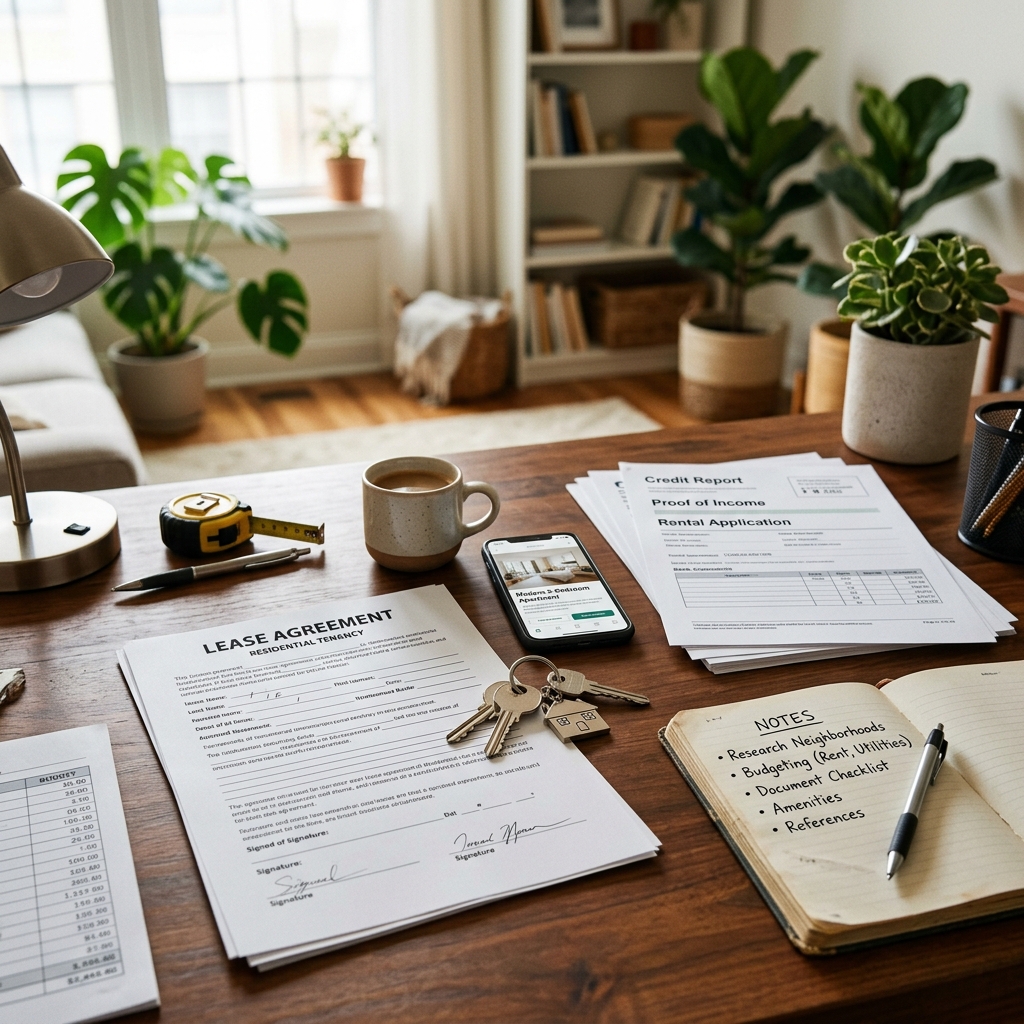
Renting an apartment is more than paying monthly rent and picking up the keys. It involves a legal relationship with your landlord, a written agreement that shapes your obligations, and practical steps that can protect you from avoidable problems. A careful renter looks at the lease, inspects the property, documents the condition of the unit, and understands what to do if repairs, deposits, or privacy issues arise. Housing agencies and tenant guidance materials consistently emphasize that tenants should read the lease closely, keep records, and follow the legal process before making major decisions such as withholding rent or ending a tenancy.
This guide explains the main parts of apartment renting in plain language. It covers what to review before signing, how to handle deposits and move-in inspections, what rights and duties usually come with a tenancy, and how to prepare for move-out. The goal is to help renters approach an apartment lease with a clearer understanding of the process and the common issues that matter most.
What to check before you sign
The lease is the most important document in the rental relationship. State legal guidance repeatedly advises renters to read it carefully because it can define rent due dates, late fees, guest rules, parking, repairs, utilities, and other terms that affect daily life. Even when an agreement is short, its language can control important rights and responsibilities.
Before you sign, review the following items:
- The exact monthly rent and the date it is due
- Any grace period, late fee, or returned-payment charge
- Whether utilities are included or billed separately
- Rules for pets, guests, subleasing, smoking, and parking
- The term of the lease and how renewal works
- Notice required before moving out
- Who is responsible for repairs and maintenance requests
- Any limits on alterations, decorations, or storage
If the lease includes terms you do not understand, ask for clarification before signing. If you negotiate a change, make sure both sides initial the revision or attach a written addendum so there is no dispute later. A verbal promise is much harder to prove than a signed document.
How deposits and fees usually work
Most apartment rentals require some combination of a security deposit, an application fee, and the first month’s rent. The security deposit is usually held to cover unpaid rent, cleaning, or damage beyond normal wear and tear. State tenant materials commonly stress that renters should understand the conditions for getting the deposit back and should provide a forwarding address in writing when they leave.
To reduce deposit disputes, keep a simple paper trail from the start:
- Save the lease and any deposit receipts
- Keep proof of payment for rent, fees, and deposits
- Photograph the apartment before moving in
- Record any preexisting stains, chips, broken fixtures, or appliance problems
- Submit repair requests in writing and keep copies
Some states have deadlines for returning deposits and for giving an itemized explanation of deductions. Even where local rules differ, the safest approach is to leave the apartment in the same condition as when you moved in, except for normal wear and tear, and to document the property carefully both at move-in and move-out.
Why inspection matters at move-in
An inspection before you unpack is one of the most useful steps a renter can take. Tenant guides advise renters to carefully inspect the unit before paying a deposit or signing the lease, because the condition of the apartment at move-in often becomes the baseline for later disputes. If you discover a damaged blind, broken outlet, water stain, loose tile, or missing smoke alarm, report it immediately in writing.
A strong move-in inspection should include the following areas:
| Area | What to look for | Why it matters |
|---|---|---|
| Walls and floors | Cracks, stains, holes, scratches | Helps distinguish preexisting damage from later damage |
| Kitchen | Appliance function, leaks, cabinets, countertops | Identifies safety and habitability concerns |
| Bathroom | Water pressure, drains, mold, caulking | Documents possible repair issues |
| Windows and doors | Locks, screens, seals, drafts | Supports privacy and security |
| Safety equipment | Smoke alarms, carbon monoxide alarms, extinguishers | Important for basic safety and compliance |
If possible, ask the landlord or property manager to sign the inspection report or acknowledge receipt of your photos and written notes. That small step can save time and argument later.
Your basic rights as a tenant
Apartment renters generally have a right to live in the unit without unreasonable interference. Texas guidance describes this as the right to quiet enjoyment, meaning a landlord cannot simply disturb the tenant’s peaceful use of the home. In practical terms, this usually means the tenant should be able to live in the apartment without unlawful harassment, unauthorized entry, or disruption that violates the lease or local law.
Tenants also generally have a right to privacy in their homes, and many state guides explain that landlords cannot enter at will unless the lease or law allows it, such as for emergencies, inspections, or repairs with proper notice. In addition, renters often have a right to request repairs to conditions that affect health or safety, though the process for enforcing that right varies by state.
It is also important to know that tenants are usually protected from retaliation when they assert legal rights, complain to the proper authority, or request repairs in good faith. However, the exact protections and remedies depend on state law, so a renter should review local rules before taking action.
What tenants are usually responsible for
Renters do not only have rights; they also have duties. A lease commonly requires the tenant to pay rent on time, keep the unit reasonably clean, avoid damage, and follow building rules. State resources emphasize that tenants should read the agreement before signing because the lease may contain additional obligations beyond the general legal baseline.
Common tenant responsibilities include:
- Paying rent in full and on time
- Using the unit for lawful residential purposes
- Not causing damage beyond normal wear and tear
- Reporting maintenance problems promptly
- Following rules about noise, parking, pets, and trash
- Allowing lawful access for repairs or inspections
Failure to meet these obligations can lead to late fees, deductions from the deposit, or in serious cases, eviction proceedings. Because eviction rules are strict and state-specific, tenants should respond quickly if they receive formal notice.[10]
How repairs should be handled
Repair disputes are among the most common apartment issues. State tenant information explains that landlords often have a legal duty to repair conditions that materially affect health and safety, though the tenant may need to follow specific notice procedures first. That usually means making the request in writing and keeping a copy.
A practical repair request should include:
- The date you noticed the problem
- A clear description of the issue
- How the problem affects safety, habitability, or use of the unit
- Photos or video, if available
- Your preferred contact information
- A request for timely repair
If the problem is serious, send the notice in a trackable way or otherwise document delivery. Some states require certified mail or similar formal notice before a tenant can pursue specific remedies. If repairs are delayed, tenants should avoid assuming they can unilaterally stop paying rent or fix the issue themselves without understanding local law. The safer approach is to consult official guidance or a lawyer before using remedies such as repair-and-deduct, lease termination, or rent withholding.
Moving in with roommates or shared living arrangements
Apartment renting often involves more than one occupant. If you share the unit with roommates, the lease may make all tenants jointly responsible for rent, damage, and rule compliance. That means one person’s missed payment or violation can affect everyone on the lease. Before moving in with others, make sure the lease clearly states who is named as a tenant and how responsibility is divided.
Roommates should also agree on practical matters in writing, such as:
- How rent and utilities will be split
- Who buys household supplies
- How guests and overnight visitors are handled
- What happens if one roommate wants to leave early
- How deposits will be divided at move-out
A separate roommate agreement does not replace the lease, but it can reduce confusion and help resolve disputes between tenants.
Preparing to move out
Leaving an apartment cleanly is just as important as moving in carefully. Many disputes begin when a tenant leaves without written notice, fails to document the condition of the unit, or misunderstands cleaning and return procedures. Check your lease early for the required move-out notice period and follow it exactly.
Before you leave:
- Give written notice within the required time
- Pay all rent through the end of the lease or notice period
- Repair minor damage you caused, if reasonable
- Remove all belongings
- Clean the apartment thoroughly
- Take dated photos of every room after cleaning
- Return keys, garage openers, fobs, and access cards
- Provide a forwarding address in writing
If your landlord does not return the deposit or provide an explanation within the time required by state law, tenant guidance suggests following up promptly and keeping a record of your contact efforts. If the issue remains unresolved, local housing agencies or legal aid organizations may be able to help.
When to get help
Not every rental issue needs legal action, but some problems deserve professional advice. You may want help if the landlord refuses essential repairs, keeps part of your deposit without explanation, enters without permission, threatens eviction, or retaliates after you complain. Because landlord-tenant law is heavily state-based, the best source of guidance is often the local attorney general, a legal aid organization, or a state housing guide.[10]
Keep your records organized. Save the lease, receipts, letters, emails, repair requests, inspection photos, and move-out notes. In rental disputes, documentation often matters as much as the underlying facts.
Frequently asked questions
Should I read every page of the lease?
Yes. The lease can control rent, fees, entry rules, repairs, guests, and move-out obligations, so tenants should read it closely before signing.
Can a landlord enter my apartment whenever they want?
Usually no. State guidance says tenants generally have privacy rights, and landlords normally need a lawful reason such as an emergency, inspection, or repair, often with notice.
What if the apartment needs repairs after I move in?
Report the issue in writing, keep a copy, and follow the notice process required by your state. For serious health or safety problems, official tenant guidance may allow additional remedies, but the steps must be followed carefully.
How can I protect my security deposit?
Document the apartment at move-in and move-out, keep proof of payment, clean the unit well, return keys, and provide a forwarding address in writing.
What should I do if I receive eviction papers?
Act quickly. Eviction rules are formal and time-sensitive, and tenants should review local legal aid or government guidance immediately.[10]
References
- California Tenants: A Guide to Residential Tenants’ and Landlords’ Rights and Responsibilities — Sacramento Housing and Redevelopment Agency. 2019. https://portal.shra.org/landlord2/PDFs/CaliforniaTenantsGuide.pdf
- Renter’s Rights — Office of the Attorney General of Texas. 2025. https://www.texasattorneygeneral.gov/consumer-protection/home-real-estate-and-travel/renters-rights
- Tenants’ Rights Handbook — State Bar of Texas. 2024. https://www.texasbar.com/AM/Template.cfm?ContentID=25969&Section=Free_Legal_Information2&Template=/CM/ContentDisplay.cfm
- Tenant Rights and Responsibilities — Texas Legal Services Center. 2024. https://texaslegal.org/about-us/blog/renter-rights-in-texas/
- Tenants’ Rights in New Jersey — Legal Services of New Jersey. 2024. https://proxy.lsnj.org/rcenter/GetPublicDocument/Sites/LAW/Documents/Publications/Manuals/TenantsRights.pdf
- Landlord and Tenant Issues — LawHelpNC.org. 2025. https://www.lawhelpnc.org/issues/housing/renting
Similar Articles








Read full bio of Sneha Tete


