Apartment Maintenance Responsibilities Explained
A practical guide to who fixes what in a rental, from habitability to repairs and notice.
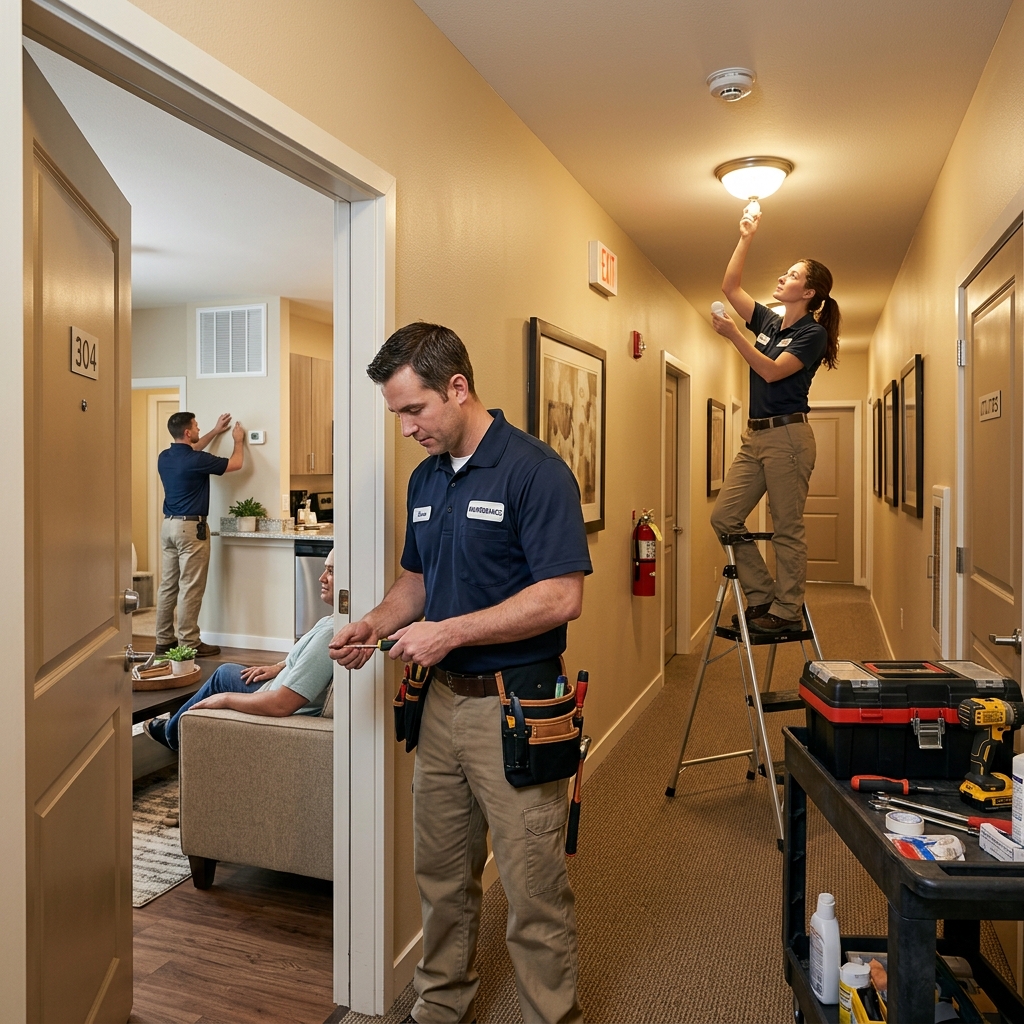
Apartment maintenance is one of the most common sources of confusion in rental housing. Tenants often want to know what they must handle themselves, while landlords need a clear framework for repairs, inspections, and compliance. In most rentals, the law places the largest share of responsibility on the landlord, especially when the issue affects safety, habitability, or the structure of the building.
The exact rules vary by state and local ordinance, but the basic division is fairly consistent: landlords maintain the property as a safe and livable home, while tenants keep the unit reasonably clean, avoid damage, and report problems promptly. Understanding that split can prevent disputes, reduce delays, and help both sides document their obligations correctly.
What maintenance usually means in a rental
Maintenance is broader than making repairs after something breaks. It can include routine upkeep, inspections, preventive servicing, replacements, and work needed to keep a unit compliant with housing codes. In an apartment building, maintenance may also involve shared spaces such as lobbies, stairwells, hallways, laundry rooms, and exterior walkways.
Some tasks are predictable, such as replacing filters or servicing heating equipment. Others are reactive, such as fixing a leaking pipe or repairing a broken lock. The main legal question is not whether the work is small or large, but whether it falls within the landlord’s duty to provide a habitable and safe rental home.
Landlord duties that usually cannot be shifted away
Landlords generally carry responsibility for the building itself and for systems that are necessary for the unit to function as housing. This includes major structural and safety-related items that tenants cannot reasonably maintain on their own.
- Structure: roofs, walls, ceilings, floors, stairways, and foundations.
- Utilities and core systems: plumbing, electrical wiring, heating, and, where provided, cooling systems.
- Safety features: locks, smoke alarms, fire protection devices, and other required security or life-safety equipment.
- Common areas: hallways, shared entrances, parking areas, laundry rooms, and other spaces used by multiple tenants.
- Provided appliances: refrigerators, ovens, dishwashers, and similar items supplied under the lease.
When these items stop working, the landlord is often the party expected to arrange and pay for repairs unless the damage was clearly caused by the tenant. The same is true when a condition violates local housing standards or makes the unit unsafe to occupy.
The habitability standard is the central rule
At the heart of apartment maintenance law is the concept of habitability. A habitable apartment is one that is fit for people to live in safely and reasonably. While the exact legal test varies, housing typically must have basic necessities such as running water, usable heat, functional electricity, and protection from serious hazards.
If a problem is serious enough to affect health, safety, or the essential use of the unit, it usually falls on the landlord to fix it. Examples may include major leaks, mold caused by building defects, broken heating in cold weather, pest infestations tied to building conditions, or dangerous wiring. Minor cosmetic issues may not rise to the same level, but they still may be covered by the lease or local code.
What tenants are commonly expected to handle
Tenants are not usually responsible for major building systems, but they do have ordinary upkeep duties. These duties are often described in the lease and may also be implied by law. A tenant who neglects basic care can create additional damage and may be charged for the resulting repair costs.
- Keeping the unit reasonably clean and sanitary.
- Using appliances, fixtures, and finishes carefully.
- Replacing simple items the tenant is expected to change, such as lightbulbs or batteries, when the lease assigns that task.
- Reporting leaks, electrical problems, broken locks, and similar issues as soon as they are noticed.
- Repairing or paying for damage caused by the tenant, guests, pets, or household members.
Tenants also have a practical duty to avoid making a small problem worse. For example, if water is leaking under a sink, waiting weeks to report it can turn a minor plumbing repair into a much larger damage claim. Prompt notice protects both sides.
How leases can divide maintenance tasks
A lease can assign certain routine responsibilities to the tenant, but it cannot usually erase the landlord’s basic legal duty to provide habitable housing. That means a lease may say who changes filters, who replaces batteries, or who handles yard care in a garden apartment, but it generally cannot excuse the landlord from fixing serious structural or safety problems.
Clear lease language helps avoid arguments later. Good agreements identify which repairs are the tenant’s responsibility, which are the landlord’s responsibility, how notice must be given, and whether any work must be approved in writing before it starts. The more specific the agreement, the less room there is for confusion after a problem appears.
Notice matters before repairs begin
In many disputes, the key issue is not just whether a defect existed, but whether the landlord knew about it. Tenants are often required to provide notice before demanding repairs or using legal remedies. Written notice is best because it creates a record of when the problem was reported and what was requested.
Landlords, in turn, usually must give advance notice before entering a unit for non-emergency maintenance. The exact amount of notice depends on state law and the lease, but the purpose is the same: to respect the tenant’s possession of the apartment while allowing necessary work to be done.
Emergency situations are different. If there is a burst pipe, gas leak, fire, or other urgent condition, immediate entry may be permitted or required to protect people and property. In those cases, speed matters more than advance notice.
Repair timelines should be reasonable
Not every repair must be completed instantly, but landlords are generally expected to act within a reasonable time. What counts as reasonable depends on the severity of the problem. A broken refrigerator may require a quicker response if the unit was included in the rent. A failure of heat in winter usually calls for urgent attention. A loose cabinet hinge may be less pressing.
Factors that can affect the timeline include the nature of the defect, whether parts must be ordered, whether licensed contractors are required, and whether the issue poses a safety risk. Delays that are avoidable or unexplained can create liability, especially when the defect affects habitability.
Common-area upkeep is part of the landlord’s job
In apartment buildings, maintenance extends beyond the rented unit itself. Common areas are usually controlled by the owner or management company, so the landlord must keep them reasonably safe and functional.
| Area | Typical maintenance concern | Why it matters |
|---|---|---|
| Hallways and stairwells | Lighting, broken steps, debris, handrails | Prevents falls and supports safe access |
| Laundry rooms | Machine upkeep, sanitation, electrical issues | Protects shared equipment and usability |
| Entryways and locks | Door closers, intercoms, exterior locks | Supports security and controlled access |
| Outdoor areas | Ice, snow, lighting, debris, broken pavement | Reduces slip and trip hazards |
What to do when a tenant causes damage
Not every repair is the landlord’s financial burden. When damage is caused by tenant misuse, negligence, pets, or guests, the tenant may have to pay for the repair. The important distinction is between ordinary wear and tear and actual damage.
Ordinary wear and tear includes the gradual effects of normal living, such as faded paint or worn carpet. Damage is different; it may include broken windows, holes in walls beyond normal use, clogged drains from misuse, or stains and destruction caused by carelessness. Security deposits often become relevant at move-out when landlords need to recover those costs.
Documentation protects both sides
Maintenance disputes are much easier to resolve when both parties keep records. Tenants should save repair requests, photos, videos, and written responses. Landlords should keep inspection notes, contractor invoices, work orders, and proof of completed repairs.
Good documentation helps answer basic questions: When did the issue start? Who was notified? Was access provided? Was the problem fixed quickly? If a disagreement turns into a legal dispute, these records may be the difference between a successful claim and a weak one.
When repairs are ignored
If a landlord does not respond, tenants may have several options depending on the law where they live. Some jurisdictions allow complaints to housing agencies, repair-and-deduct remedies, rent abatements, or court actions. Other places have stricter rules and may require formal notice before any legal step can be taken.
Because remedies vary widely, tenants should avoid guessing. A remedy that is allowed in one state may be prohibited in another. The safest approach is to verify local rules before withholding rent, hiring a contractor, or filing a claim.
How to make a maintenance request that gets attention
A strong repair request is specific, polite, and easy to prove. It should identify the problem, the date it was noticed, the unit address, and the outcome the tenant wants. Photos can help show the seriousness of the condition, especially if the issue is not obvious in writing alone.
- Describe the defect clearly.
- State whether it is affecting heat, water, electricity, access, or safety.
- Send the request in writing and keep a copy.
- Use a method that shows delivery, if possible.
- Follow up in writing if the landlord does not respond.
Why local law matters so much
Apartment maintenance rules are shaped by state landlord-tenant law, local housing codes, and sometimes even city ordinances. A landlord’s duties in one place may be broader or narrower than in another. That is why general rental advice should always be checked against the applicable law for the property’s location.
Some places have detailed habitability standards and agency enforcement. Others rely more heavily on lease terms and court claims. In every setting, however, the basic legal idea remains the same: a rental home must be kept in a condition that is reasonably safe and suitable for living.
Frequently asked questions
Who is usually responsible for apartment repairs?
Landlords are usually responsible for major repairs, structural problems, and systems that affect habitability. Tenants usually handle cleanliness, minor upkeep, and damage they cause.
Can a lease make the tenant responsible for everything?
No. A lease can assign some routine tasks to the tenant, but it usually cannot remove the landlord’s duty to provide safe and habitable housing.
Does the landlord have to fix appliances?
If the appliance was provided with the apartment, the landlord often must maintain it unless the lease says otherwise and local law allows that allocation. Damaged appliances caused by the tenant may be treated differently.
What if the repair is urgent?
Urgent problems such as gas leaks, major flooding, or total loss of heat may require immediate action. In emergencies, normal notice rules may not apply in the same way.
Should repair requests be in writing?
Yes. Written requests create evidence that the landlord was informed and can help prove the issue and the timing of the request.
Final practical takeaway
Apartment maintenance is best understood as a shared system with different roles. The landlord is responsible for the building, the major systems, and the conditions that make the unit livable. The tenant is responsible for ordinary care, timely reporting, and any damage caused through misuse or neglect. When both sides understand the boundary between those responsibilities, repairs tend to happen faster and disputes become easier to avoid.
References
- Tenant’s Responsibility for Repairs — California Department of Real Estate. 2025-01-01. https://www.dre.ca.gov/publications/ResourceGuidebook/gb09_dealingwith.html
- Repairs & Maintenance FAQs — New York State Division of Housing and Community Renewal / Rent Guidelines Board resources. 2025-01-01. https://rentguidelinesboard.cityofnewyork.us/resources/faqs/repairs-maintenance/
- What should I know about repairs to rental properties? — Georgia Legal Aid. 2025-01-01. https://www.georgialegalaid.org/resource/what-should-i-know-about-repairs-to-rental-properties
- Landlord-Tenant Law in Mississippi — Mississippi Legal Services. 2025-01-01. https://www.mslegalservices.org/resource/landlord-tenant-law-in-mississippi
- Legal Responsibilities of Landlords During Property Maintenance and Repairs — Zaheer Law Group. 2025-01-01. https://zaheerlawgroup.com/legal-responsibilities-of-landlords-during-property-maintenance-and-repairs/
- Who Is Legally Responsible for Repairs in a Rental? — Super Lawyers. 2025-01-01. https://www.superlawyers.com/resources/landlord-and-tenant/who-is-legally-responsible-for-repairs-in-a-rental/
Similar Articles



Read full bio of Sneha Tete