
Enhancing Legal Practice: Alan Alda’s Communication Wisdom
Discover how Alan Alda's insights on listening, empathy, and clear messaging can transform lawyers' client interactions, courtroom arguments, and negotiations.
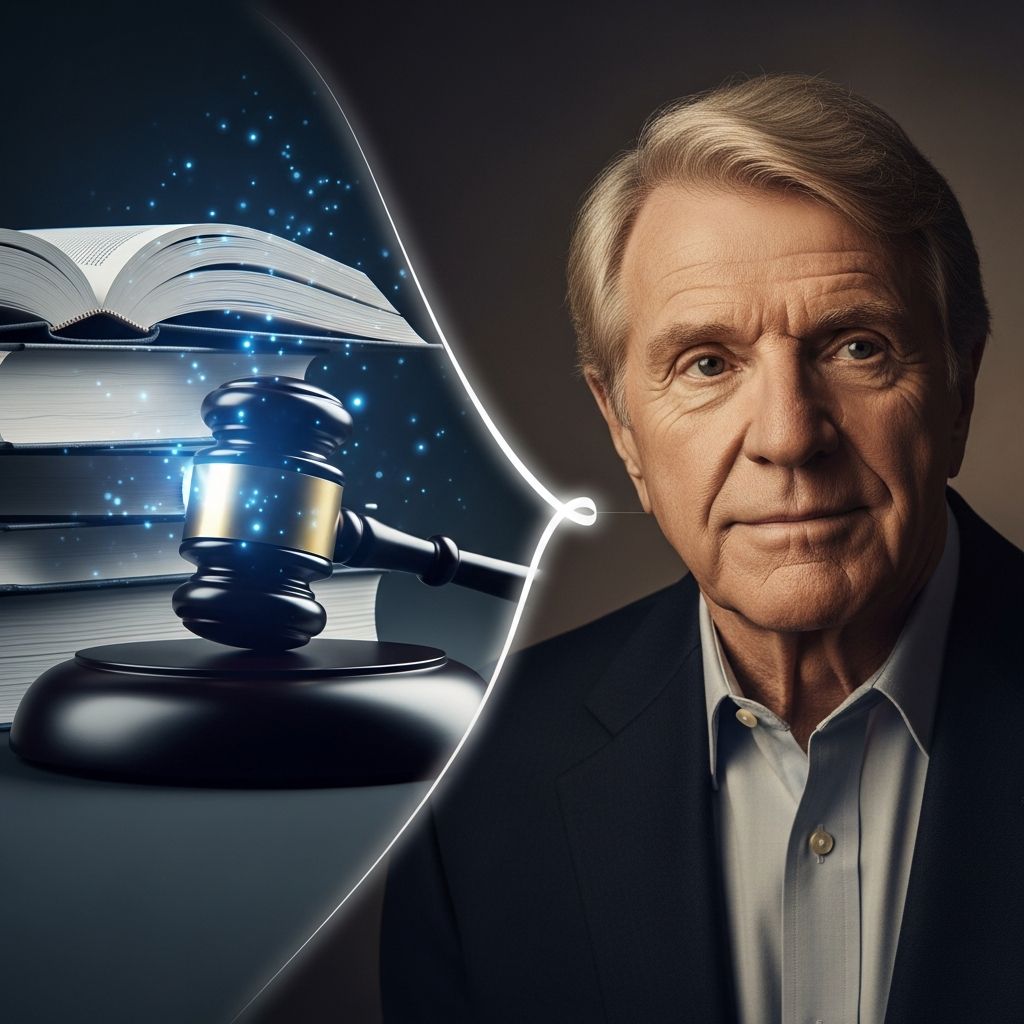
Effective communication stands as the cornerstone of successful legal practice. Alan Alda, celebrated for his acting prowess and scientific advocacy, offers timeless principles that resonate deeply with lawyers. Drawn from his experiences and book If I Understood You, Would I Have This Look on My Face?, these strategies emphasize listening, empathy, and clarity. By adopting them, attorneys can forge stronger client bonds, sway juries more persuasively, and navigate negotiations with finesse.
Mastering the Art of Active Listening in Law
Active listening transcends mere hearing; it involves fully engaging with the speaker to grasp their emotions and thoughts. For lawyers, this skill proves invaluable during client consultations, witness examinations, and even judge interactions. Alda stresses that poor listening leads to disengagement, undermining professional success.
In legal settings, failing to listen accurately can result in misunderstood cases or lost opportunities. Consider initial client meetings: clients often arrive anxious, articulating complex personal stories. A lawyer who interrupts or assumes understanding risks alienating them. Instead, responsive listening builds trust, encouraging fuller disclosures that strengthen case preparation.
- Key Benefits in Practice: Enhances rapport, uncovers hidden details, and positions the lawyer as empathetic ally.
- Practical Tip: Mirror back what you hear, e.g., “It sounds like the betrayal left you feeling vulnerable—did I get that right?”
Alda identifies empathy—emotional attunement—and Theory of Mind—rational insight into others’ perspectives—as core to this process. Lawyers practicing these foster genuine connections, vital for long-term client loyalty.
The Power of Empathy: Connecting Emotionally with Clients and Juries
Empathy forms the emotional bridge in communication. Psychologist Carl Rogers championed reflective listening, where responders echo the speaker’s feelings without advising. Alda adapts this for everyday interactions, urging internal questions like, “What is this person truly feeling?”
For trial lawyers, empathy shines in jury selection and openings. The first 30 seconds capture full attention; empathetic framing hooks listeners emotionally. Alda notes the “stress position”—placing key ideas at sentence ends—for emphasis, e.g., restructuring jokes or arguments for impact.
| Scenario | Without Empathy | With Empathy |
|---|---|---|
| Client Intake | Interrogates facts | Validates emotions first |
| Jury Opening | Lists evidence | Shares relatable human story |
| Negotiation | Demand-focused | Acknowledges counterpart’s position |
This table illustrates empathy’s transformative role. Studies affirm it boosts trust, directly correlating with better outcomes in legal disputes.
Simplifying Messages: The Rule of Three for Courtroom Persuasion
Alda’s “three rules of three” provide a blueprint for memorable communication. First, limit key points to three (or fewer)—audiences retain little beyond this. Second, explain complex ideas three ways for triangulation. Third, repeat essentials subtly three times for reinforcement.
Trial lawyers often overload with jargon or details, assuming expertise. Alda counters with “the benefit of ignorance”: approach discussions curiously, not as pseudo-experts. This avoids boxing others into false assumptions, fostering open dialogue.
- Limit to Three Points: In closings, pinpoint liability, damages, justice.
- Three Explanations: Describe negligence as breach, fault, harm.
- Triple Reinforcement: Weave themes throughout without monotony.
Apply to exhibits: no more than three bullet points per slide, plain English only. Ditch acronyms like “FOIA” for “Freedom of Information Act.” This clarity captivates judges and juries alike.
Overcoming Common Communication Pitfalls in Legal Work
Lawyers frequently falter with technical overload. Alda recounts prepping deeply for science interviews, only to stumble from overconfidence. Solution: Embrace curiosity-backed ignorance.
Jargon alienates; the film term “martini shot” baffles outsiders, much like legal buzzwords do laypeople. Plain speech wins cases. Moreover, end-focus emphasis matters: “The evidence shows guilt because the alibi collapsed, witnesses corroborated, and forensics confirmed.”
In negotiations, empathetic listening reveals unspoken needs, unlocking settlements. Alda’s portrayal of a divorce lawyer in Marriage Story underscores heartfelt advocacy’s power, even if imperfect.
Building a Communication-Centric Legal Career
Integrate these principles daily. Start meetings with listening exercises; rehearse arguments via rule of three. Track improvements in client feedback and win rates.
Active listening demands practice, yielding dividends in efficiency and satisfaction. Empathy humanizes the profession, countering its adversarial image. Clarity ensures messages land, turning complexity into compelling narratives.
Legal success hinges on connection. Alda’s wisdom equips lawyers to listen deeply, empathize profoundly, and communicate crisply—elevating practice to artistry.
Frequently Asked Questions (FAQs)
What is Alan Alda’s ‘rule of three’ and how does it apply to lawyers?
Alda’s rule limits messages to three points, explains ideas three ways, and repeats subtly three times. Lawyers use it for concise openings, exhibits, and closings to boost jury recall.
Why is active listening crucial for trial lawyers?
It builds trust, reveals case nuances, and enhances witness handling. Poor listening leads to miscommunications and lost rapport.
How can empathy improve client relationships?
By validating emotions, lawyers encourage openness, leading to better case details and loyalty.
Should lawyers avoid jargon entirely?
Yes, with non-experts like juries or clients. Plain language ensures understanding and persuasion.
Can these techniques aid negotiations?
Absolutely—empathizing with opponents uncovers compromises, accelerating resolutions.
References
- If I Understood You, Would I Have This Look on My Face? — Alan Alda. 2017-07-25. https://listenlikealawyer.com/2018/07/
- Alan Alda’s Advice for Better Communication Skills — Plaintiff Trial Lawyer Tips. 2018-01-01. https://plaintifftriallawyertips.com/alan-aldas-advice-for-better-communication-skills
- Remembering An Underappreciated Legal Skill—Listening — Epstein Becker Green. 2022-04-01. https://www.ebglaw.com/assets/htmldocuments/uploads/2022/04/Flynn-April2022-Law360-Remembering-an-Underappreciated-Legal-Skill—Listening.pdf
- Alan Alda’s 3 Key Ways to Making Yourself Understood — YouTube (Transcript). 2016-01-01. https://www.youtube.com/watch?v=JWQmKtzxa9I
- It Is the Privilege of Wisdom to Listen — Commercial Litigation Update. 2022-01-01. https://www.commerciallitigationupdate.com/it-is-the-privilege-of-wisdom-to-listen-remembering-an-underappreciated-legal-skill
Similar Articles








Read full bio of medha deb




