
5 Practical Ways to Reduce Speeding Ticket Risk
Smart, lawful driving habits and post-stop strategies can lower the odds of a costly speeding citation.
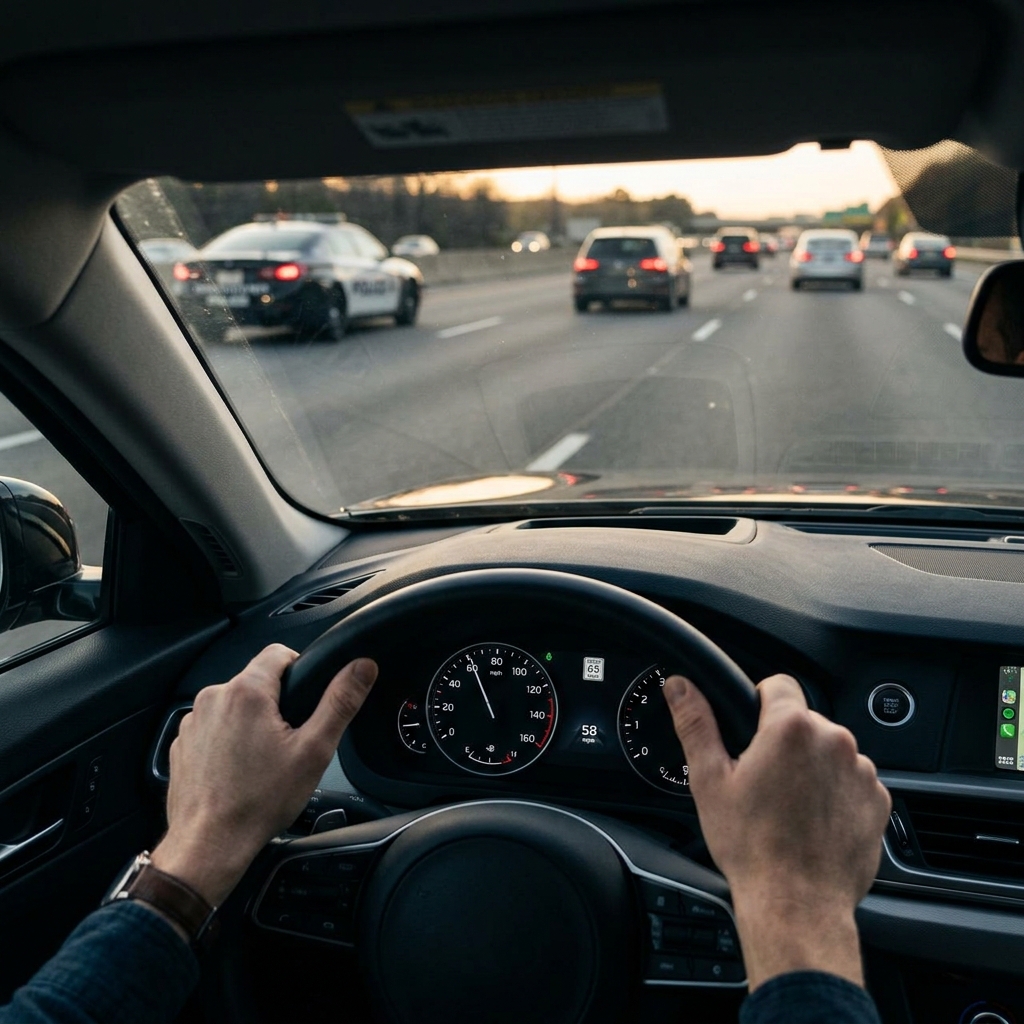
How to Lower Your Chances of Getting a Speeding Ticket
A speeding ticket is more than an inconvenience. It can mean fines, insurance increases, points on your record, and the stress of dealing with a traffic stop. The best way to avoid that outcome is to drive in a way that reduces risk before law enforcement ever notices you, and to respond carefully if you are pulled over.
The good news is that small changes in driving habits can make a meaningful difference. Drivers who pay attention to traffic flow, keep their vehicles in good condition, stay alert to enforcement patterns, and know how to handle a stop are usually less likely to end up facing a citation. The tips below focus on practical, lawful steps rather than tricks or risky behavior.
1. Drive in a Way That Does Not Invite Attention
The simplest way to reduce the odds of a ticket is to avoid standing out. Officers often notice drivers who weave aggressively, tailgate, brake hard for no reason, or make abrupt lane changes. Even if a vehicle is only slightly over the limit, erratic driving can attract attention faster than steady, predictable travel.
Staying smooth and consistent does not mean driving slowly in every situation. It means matching the road conditions, maintaining safe spacing, and avoiding behaviors that suggest impatience or distraction. When traffic is moving at a reasonable pace, blend in with the general flow while still respecting the posted limit and local conditions.
- Keep a steady speed instead of constantly accelerating and braking.
- Use turn signals early and change lanes only when necessary.
- Leave enough following distance to avoid sudden maneuvers.
- Avoid distractions that lead to drifting, swerving, or delayed reactions.
Vehicle appearance can also matter indirectly. A car with burned-out lights, loud exhaust, or obvious damage may draw more scrutiny during routine patrols. Keeping your vehicle properly maintained helps reduce unwanted attention for reasons unrelated to speed.
2. Plan Ahead So You Are Not Rushed
A major cause of speeding is simple time pressure. Drivers who leave late often try to “make up” minutes by pushing faster than they should. That habit is especially dangerous near school zones, construction areas, and neighborhoods where limits change quickly and enforcement tends to be more active.
Better planning is one of the most reliable ways to avoid unnecessary risk. If you know you tend to run late, leave earlier than you think you need to. That extra cushion reduces the urge to hurry, and it makes it easier to respond calmly when traffic slows or road conditions change.
It also helps to learn the places where speed limits tend to drop. Many drivers get ticketed not because they are reckless everywhere, but because they miss a sudden reduction from highway speed to a lower local limit. A quick change in posted speed can catch even careful drivers off guard if they are not paying attention.
- Give yourself extra travel time before work, appointments, or school drop-offs.
- Watch for zones where limits change quickly, especially near intersections and school crossings.
- Slow down in areas with heavy pedestrian activity or frequent stops.
- Assume conditions may require a lower speed than the posted limit if visibility or weather is poor.
3. Stay Alert to Enforcement Patterns and Road Conditions
Speed enforcement is not random in every case. Police and traffic officers often focus on locations with higher crash risk, complaint patterns, or repeated violations. That means some roads, ramps, and corridors are more likely to see patrols than others.
Being observant does not mean trying to evade the law. It means understanding that your surroundings matter. A driver who notices traffic slowing unexpectedly, brake lights far ahead, or a cluster of vehicles near a shoulder can often respond early and safely. Good situational awareness reduces the chance of abrupt corrections that can make a driver look careless.
Technology may help as well, but it should never replace attention. Navigation systems, speed limit reminders, and dashboard alerts can reinforce good habits, yet the driver remains responsible for complying with the law. Any tool is only as useful as the person using it.
| Common mistake | Safer approach |
|---|---|
| Following traffic too closely | Maintain a buffer so you can react smoothly |
| Ignoring sudden lane changes ahead | Scan far down the road and anticipate slowdowns |
| Assuming a road is “safe” because it looks empty | Watch for hidden patrols, curves, and speed changes |
| Relying only on memory for speed limits | Check signs and navigation prompts regularly |
Road conditions matter just as much as traffic patterns. Rain, fog, nighttime driving, construction, and poor pavement can all require lower speed even when the posted limit stays the same. A cautious driver understands that legal speed and safe speed are not always identical.
4. Know How to Handle a Traffic Stop
If you are stopped, the way you respond can affect how the encounter unfolds. The goal is to be polite, calm, and concise. There is no benefit to arguing roadside, making jokes, or trying to explain everything at once. A tense conversation can make a routine stop more unpleasant, even if it does not change the underlying citation.
You should provide basic documents when requested, such as your license, registration, and proof of insurance. Beyond that, answer only what is necessary. If an officer asks for an estimate of your speed, you do not have to volunteer a damaging statement. Staying respectful while limiting unnecessary conversation is often the wisest approach.
- Keep both hands visible and follow instructions carefully.
- Speak calmly and avoid sarcasm, excuses, or debate.
- Do not admit facts unless you are sure they help your position.
- Take note of the officer’s name, badge number, location, and time of stop if you may contest the ticket later.
This is also the moment to protect your safety. Pull over in a safe place, remain in the vehicle unless told otherwise, and avoid sudden movements. A composed stop is usually shorter and less stressful for everyone involved.
5. Challenge a Ticket When the Facts Support It
Receiving a citation does not always mean the matter is settled. In some cases, a ticket can be challenged successfully if the evidence is weak or the stop involved errors. Drivers often assume contesting a citation is pointless, but traffic cases are sometimes dismissed or reduced when the facts are examined closely.
Possible issues can include unreliable speed measurement, unclear signage, faulty equipment, or problems with how the stop was conducted. The strength of any defense depends on the law in the jurisdiction and the details of the incident. A driver who simply pays the fine may miss the chance to reduce penalties or preserve a cleaner record.
Before deciding whether to fight a ticket, review the citation carefully and think about what actually happened. Was the speed limit clearly posted? Was traffic heavy enough that it was difficult to identify your vehicle specifically? Was the measuring device properly operated? Those questions can matter, especially if the citation carries points or may affect your insurance.
- Review the ticket for errors in location, time, vehicle information, or citation code.
- Gather photos or notes about signage, visibility, weather, and road conditions.
- Preserve any dashcam footage if it exists.
- Consider whether the penalty is serious enough to justify a formal challenge.
Sometimes the most useful outcome is not a complete dismissal but a reduced charge or a negotiated resolution. That can still make a major difference in the total cost of the ticket.
What Drivers Often Overlook
Many people think avoiding a ticket is only about speed itself. In reality, the broader driving context matters just as much. A careful driver who is calm, alert, and well prepared is less likely to appear risky. That does not guarantee immunity from enforcement, but it does lower the odds of the kinds of mistakes that lead to citations.
It is also important to remember that “flow of traffic” is not a blank check. If surrounding drivers are speeding, matching them may still expose you to a citation. The law does not disappear because other people are breaking it too. The smarter approach is to stay within a reasonable range of the limit while remaining smooth and predictable.
Frequently Asked Questions
Can I avoid a speeding ticket by driving with the flow of traffic?
Not always. Matching surrounding traffic may feel safer, but it does not automatically protect you from a citation. If traffic is exceeding the limit, you can still be ticketed, especially if your speed is clearly above the posted maximum.
Should I argue with the officer if I think the ticket is unfair?
No. A roadside argument usually does not help and may make the stop worse. It is better to remain calm, accept the documents, and consider your legal options later if you want to challenge the citation.
Do speed limit reminders or navigation alerts actually help?
They can help as a backup, especially in unfamiliar areas or zones where speed limits change often. They are not a substitute for paying attention to road signs and local conditions.
Is it worth fighting a speeding ticket?
It can be, depending on the fine, points, insurance impact, and the facts of the stop. If there are questions about signage, equipment, or the accuracy of the citation, contesting it may be worthwhile.
What is the most effective habit for avoiding tickets?
Driving steadily, leaving earlier, and staying alert are usually the most effective habits. Those practices reduce risky behavior and make it less likely that an officer will notice anything unusual.
A Better Driving Strategy Starts Before the Stop
The most reliable way to avoid a speeding ticket is not a clever trick. It is a combination of planning, discipline, awareness, and restraint. Drivers who leave on time, watch the road carefully, keep their vehicles in good shape, and respond appropriately during a stop usually place themselves in a far better position than drivers who try to make up time by speeding.
When a citation does happen, it is important to remember that your options may not be limited to paying immediately. Reviewing the facts, understanding the consequences, and deciding whether to contest the charge can help you make a more informed choice about what comes next.
References
- General information on traffic stops and driver behavior — U.S. Department of Justice. 2024-03-01. https://www.justice.gov/
- Driver safety and speeding risk guidance — National Highway Traffic Safety Administration. 2025-01-15. https://www.nhtsa.gov/
- Speeding and crash risk overview — Centers for Disease Control and Prevention. 2024-10-10. https://www.cdc.gov/
- Traffic signs and speed limit compliance basics — Federal Highway Administration. 2024-06-20. https://highways.dot.gov/
Similar Articles








Read full bio of medha deb


