
Working With a Workers’ Compensation Attorney
Understand how a workers’ compensation attorney protects your rights, maximizes benefits, and guides you through every stage of a workplace injury claim.
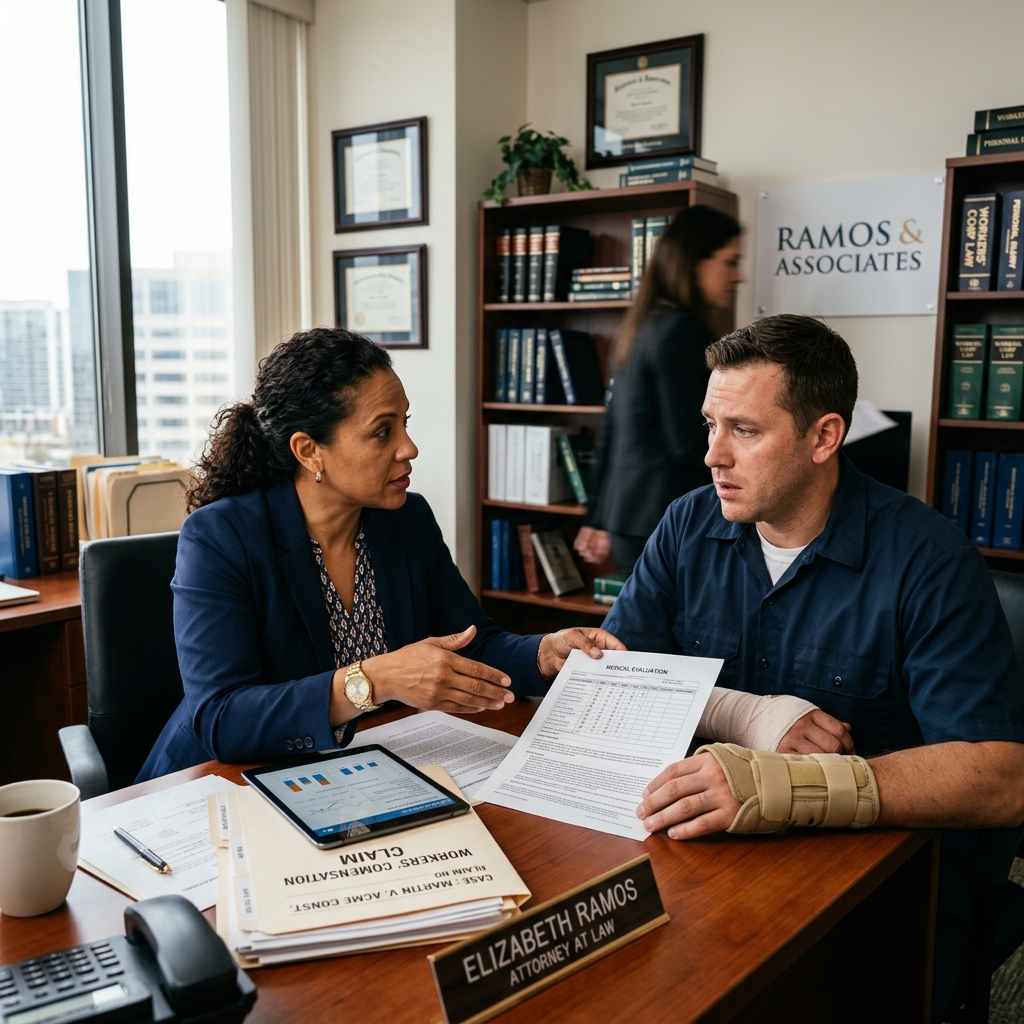
When you are hurt on the job, the workers’ compensation system is supposed to be straightforward: report the injury, receive medical care, and obtain wage replacement and benefits while you recover.
In reality, the process can be confusing, deadline-driven, and highly technical, especially when employers or insurance companies dispute your claim.
This guide explains how a workers’ compensation attorney fits into that picture, what they do, how to work with one effectively, and how to protect your rights from the moment you are injured.
Understanding Workers’ Compensation and Why Legal Help Matters
Workers’ compensation is a state-governed system that provides medical care and income benefits to employees who suffer job-related injuries or occupational diseases.
Most states require employers to carry workers’ compensation insurance and follow specific procedures when an employee reports an injury or files a claim.
Core Goals of Workers’ Compensation
- Medical treatment for work-related injuries or illnesses, often from authorized providers.
- Wage replacement benefits when you cannot work or your earning capacity is reduced because of your condition.
- Protection from retaliation for reporting an injury or asserting your right to benefits (typically addressed by employment and labor laws).
- Predictable procedures for reporting, investigating, and resolving claims, overseen by state agencies or workers’ compensation boards.
Although the system is designed to be no-fault, disputes often arise about whether an injury is work-related, how serious it is, and what benefits you should receive.
A workers’ compensation attorney helps you navigate these disagreements, meet procedural requirements, and build a strong evidentiary record.
What a Workers’ Compensation Attorney Does for Injured Workers
A workers’ compensation attorney represents you in dealing with your employer, the insurance company, and the state agency that administers claims.
While specific duties vary by case and jurisdiction, most attorneys perform a similar set of functions from the time you contact them until your claim is resolved.
Key Responsibilities of a Workers’ Compensation Attorney
- Case evaluation: Reviewing your injury, medical records, and employment history to determine the strength of your claim and potential benefits.
- Procedural guidance: Explaining deadlines for reporting injuries, filing claims, and requesting hearings so you do not miss important time limits.
- Evidence development: Gathering medical documentation, workplace incident reports, witness statements, and other records needed to prove your case.
- Negotiations: Communicating with the insurance company on your behalf and negotiating settlements or benefit agreements where appropriate.
- Representation at hearings: Advocating for you before administrative law judges or workers’ compensation boards when disputes require formal adjudication.
- Ongoing advice: Counseling you about return-to-work issues, light duty offers, and long-term disability or impairment ratings.
On the employer and insurer side, workers’ compensation defense attorneys perform parallel functions aimed at controlling costs and ensuring compliance, which makes it even more important that injured workers receive informed representation.
When You Should Consider Hiring a Workers’ Compensation Attorney
Not every workplace injury requires legal representation. For minor injuries that heal quickly and are fully covered by insurance without dispute, some workers complete the process without a lawyer.
However, certain situations make it advisable—or even critical—to consult an attorney as early as possible.
Common Triggers for Seeking Legal Help
- Serious or complex injuries such as fractures, surgeries, traumatic brain injuries, spinal injuries, or conditions likely to involve long recovery periods or permanent impairment.
- Claim denied or delayed by the insurance company, including disputes over whether the injury is work-related or whether medical treatment is necessary.
- Pressure to return to work before you feel medically ready, or offers of light duty work that may affect your benefits.
- Disagreements over medical opinions between your treating physician and the insurer’s doctor, particularly regarding permanent disability ratings.
- Retaliation or discrimination concerns after you report a workplace injury or file a claim, such as sudden discipline, demotion, or termination.
- Pre-existing conditions that the insurer claims are responsible for your limitations rather than the workplace incident.
Even if your claim appears straightforward, many attorneys offer free or low-cost initial consultations, allowing you to understand your rights and decide whether representation is necessary.
How to Find and Choose the Right Workers’ Compensation Attorney
Selecting the right lawyer can significantly affect the outcome of your case and your experience during the process.
Workers’ compensation law is a specialized area, and you will benefit most from an attorney who focuses primarily on workplace injury claims rather than general practice.
Practical Steps for Finding an Attorney
- Review directories or lawyer listings provided by state bar associations or official legal organizations.
- Ask coworkers, union representatives, or trusted medical providers for referrals to experienced workers’ compensation attorneys.
- Read client reviews and case results, focusing on workers’ compensation rather than unrelated practice areas.
- Confirm that the attorney is licensed, in good standing, and has handled cases similar to yours.
What to Look for During Your Consultation
Use your initial meeting to assess whether the attorney is a good fit for your needs.
- Experience and focus: Ask how much of their practice is devoted to workers’ compensation and whether they represent primarily injured workers or employers.
- Communication style: Notice whether the attorney explains complex legal issues clearly and answers your questions directly.
- Strategy: Discuss how they would approach your case, including gathering evidence, dealing with medical providers, and addressing potential disputes.
- Support team: Learn whether paralegals or other staff will assist and how the office handles updates and calls.
- Fees and costs: Clarify how they are paid, what percentage they charge on contingency, and whether you are responsible for any case expenses.
Typical Fee Structures
Most workers’ compensation attorneys represent injured workers on a contingency fee basis, meaning they are paid a percentage of the benefits or settlement they help you obtain, and only if you win or secure a recovery.
State law or administrative rules often set maximum fee percentages or require fee approval, which your attorney should explain during the consultation.
Working Effectively With Your Attorney: What You Should Expect to Do
Your lawyer handles legal strategy and communications, but you play a critical role in providing information and following through on medical care.
Understanding your responsibilities helps your attorney present the strongest possible case.
Your Responsibilities as a Client
- Report the injury promptly: Notify your employer as soon as possible and in writing, following your state’s deadlines and requirements.
- Seek appropriate medical treatment: See authorized providers when required by law and follow prescribed treatment plans.
- Provide complete information: Share all relevant details with your attorney, including prior injuries, medical conditions, and job duties.
- Keep records organized: Maintain copies of medical bills, reports, prescriptions, mileage for medical visits, and communications with your employer.
- Stay in communication: Respond promptly to your attorney’s requests, attend scheduled meetings, and update them on changes in your condition or work status.
Information Your Attorney Will Need
| Category | Examples | Why It Matters |
|---|---|---|
| Employment details | Job title, duties, schedule, hire date | Helps show what tasks you perform and how the injury relates to your work. |
| Incident description | Date, time, location, how the injury occurred, witnesses | Forms the basis of the claim and is compared with employer and insurance reports. |
| Medical records | Emergency visits, specialist reports, test results, treatment plans | Proves the nature and extent of your injury and supports benefit calculations. |
| Benefit records | Pay stubs, tax forms, previous benefits statements | Used to calculate wage replacement benefits and verify income loss. |
| Prior health history | Pre-existing conditions, earlier injuries, ongoing medications | Helps your attorney address arguments that your condition is unrelated to the workplace incident. |
Typical Stages of a Workers’ Compensation Claim With Attorney Involvement
Although procedures differ by state, most workers’ compensation claims follow a recognizable sequence.
Your attorney’s role changes as the case moves from initial reporting to potential appeals or settlement discussions.
1. Immediately After the Injury
- Report the injury to your employer as quickly as possible, usually within statutory deadlines that may be as short as several days.
- Seek medical treatment and inform the provider that your injury is work-related.
- Document the circumstances of the incident and identify any witnesses.
At this stage, an attorney can advise you informally or during an initial consultation about preserving evidence and complying with reporting rules.
2. Filing the Claim
- Your employer or the insurer provides claim forms and forwards them to the appropriate state agency or board.
- You and your attorney ensure all required information is complete and accurate before submission.
- The insurance company reviews your claim, investigates the incident, and issues an approval or denial.
If the claim is denied or benefits are limited, your attorney advises you on next steps, including requesting hearings or filing appeals where allowed.
3. Dispute Resolution and Hearings
- For denied claims or disputes over medical treatment, disability ratings, or wage benefits, your attorney may file formal pleadings or applications for hearings.
- Both sides exchange evidence, including medical records and witness testimony.
- An administrative law judge or workers’ compensation board hears arguments and issues a decision.
Your attorney presents legal arguments, cross-examines witnesses, and relies on expert medical opinions to support your case.
4. Settlement Discussions
- Many workers’ compensation cases resolve through negotiated settlements rather than full hearings.
- Your attorney evaluates settlement offers, including lump-sum payments or structured benefits, against the long-term value of continued wage and medical benefits.
- They explain how a settlement may affect future medical care, vocational rehabilitation, or other rights.
5. Long-Term Outcomes
- If you have a permanent impairment, your attorney helps interpret disability ratings and ensure they are applied correctly to benefit calculations.
- In some cases, they coordinate with other legal or financial advisors regarding Social Security disability benefits or employment disputes.
Protecting Your Health and Legal Rights Throughout the Process
Workers’ compensation is about more than paperwork and hearings; it is fundamentally about your health and livelihood.
There are proactive steps you can take—with your attorney’s guidance—to protect both.
Medical Best Practices for Injured Workers
- Follow evidence-based treatment: Many jurisdictions require doctors in the workers’ compensation system to use evidence-based medicine, which helps ensure your care is supported by clinical guidelines and research.
- Attend all appointments: Missed visits can be interpreted as non-compliance and may affect both your recovery and your claim.
- Describe symptoms accurately: Be honest and detailed with medical providers so they can document your condition properly.
- Request copies of records: Obtain and keep medical reports and bills for your attorney.
Legal Safeguards to Keep in Mind
- Do not sign settlement agreements or waivers without reviewing them with your attorney.
- Avoid discussing your claim with insurance adjusters directly once you have representation; refer them to your lawyer.
- Be cautious about social media posts that could be misinterpreted as inconsistent with your reported limitations.
- Report any retaliation or adverse employment actions to your attorney promptly.
Frequently Asked Questions About Workers’ Compensation Attorneys
Do I need a lawyer if my claim has already been approved?
If your claim is approved and you are receiving all appropriate benefits and medical care without dispute, you may not need an attorney immediately.
However, if your condition worsens, you are pressured to return to work too soon, or benefits are reduced or terminated, consulting a lawyer can help you understand your options.
How soon after my injury should I contact an attorney?
It is generally wise to speak with a workers’ compensation attorney as early as possible—ideally soon after you report your injury and seek medical care.
Early advice can help you avoid mistakes, meet deadlines, and document your case correctly from the outset.
What if my employer says I do not need a lawyer?
Your employer may prefer to handle the claim internally, but you have the right to consult or retain your own attorney.
Because employers and insurers often have lawyers and claims professionals representing their interests, having your own advocate helps balance the process.
Can I change attorneys if I am unhappy with my current representation?
In most jurisdictions, you can change attorneys during a workers’ compensation case.
Before doing so, review your fee agreement and speak with a new attorney about how fees and case files will be handled, particularly if the case is close to settlement or hearing.
Will hiring an attorney slow down my claim?
Legal involvement may add steps, such as gathering additional evidence or attending hearings, but it often clarifies issues and can prevent unnecessary delays caused by incomplete or incorrect documentation.
An experienced lawyer understands the procedural timelines and works within them to move your case forward efficiently.
Key Takeaways for Injured Workers
- Workers’ compensation laws are complex and vary by state, but most systems require timely reporting, authorized medical care, and proper claim filing.
- A workers’ compensation attorney guides you through each stage, from initial evaluation to hearings and settlement negotiations.
- Serious injuries, denied claims, disputes over medical care, or signs of retaliation are strong reasons to seek legal advice early.
- Choosing an experienced, communication-focused attorney and staying actively engaged in your medical treatment and documentation improves your chances of a fair outcome.
References
- DWC attorney information — California Department of Industrial Relations. 2023-05-10. https://www.dir.ca.gov/dwc/attorney.htm
- Workers’ Compensation Attorney: When You Need to Lawyer Up — Enjuris. 2023-03-01. https://www.enjuris.com/workers-compensation-attorneys/
- Colorado Workers Compensation Lawyers — McDivitt Law Firm. 2024-02-15. https://www.mcdivittlaw.com/practice-areas/workers-compensation/
- Ultimate Guide to Workers’ Compensation in Denver — Alverson + O’Brien. 2023-08-20. https://www.alversonobrien.com/workers-compensation-guide/
- What Does a Workers Compensation Defense Attorney Do? — Novian & Associates. 2022-11-30. https://www.novianlaw.com/what-does-a-workers-compensation-defense-attorney-do/
Similar Articles








Read full bio of Sneha Tete




