
Aging Behind the Wheel: Wisconsin’s Senior Driver License Framework
Understanding Wisconsin's licensing standards and renewal procedures for older drivers.
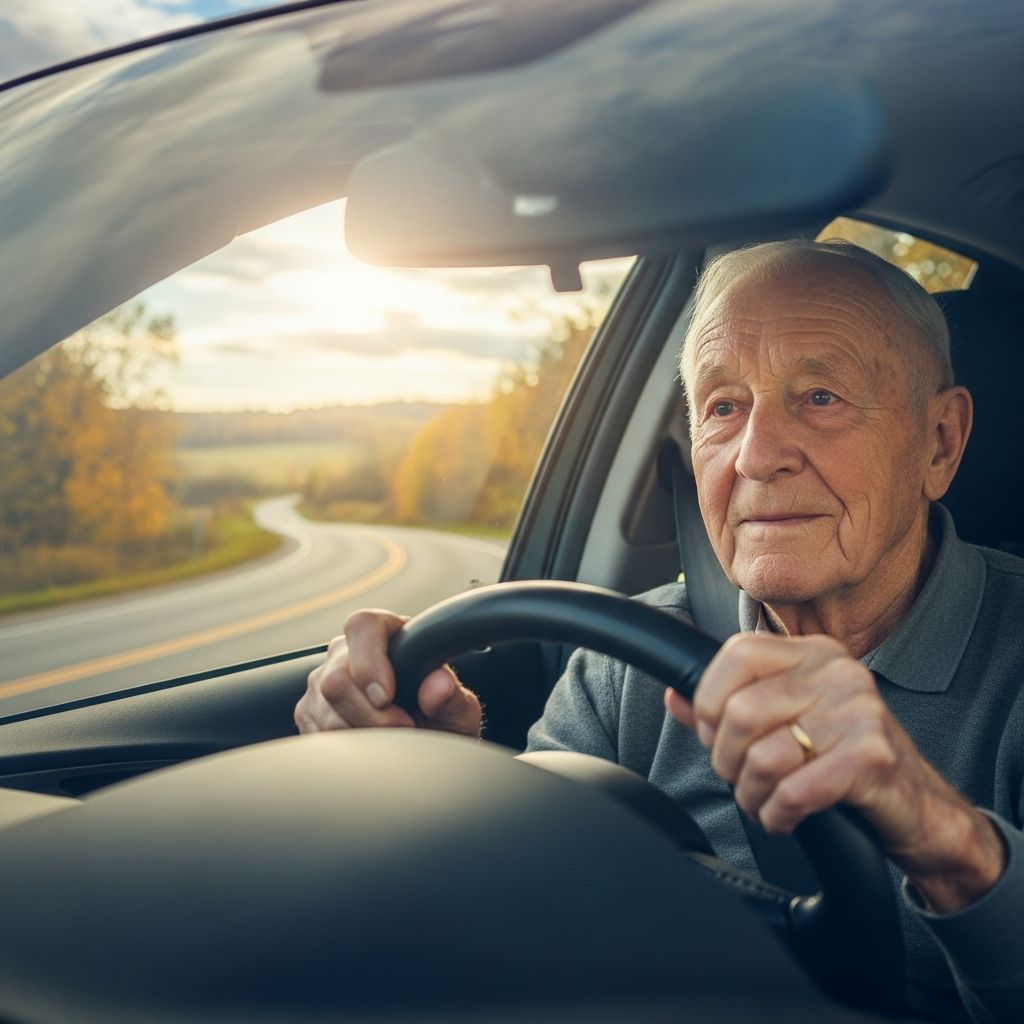
Wisconsin’s Approach to Managing Aging Motorists on Public Roads
The state of Wisconsin recognizes that its driving population continues to age. Approximately 40% of all licensed drivers in Wisconsin are now over 55 years old, reflecting a broader demographic trend affecting the entire nation. As people age, the potential for developing physical and cognitive changes that may impact driving ability increases significantly. Research demonstrates that older drivers face elevated risks of injury or fatality when involved in vehicular accidents compared to their younger counterparts.
Rather than imposing blanket restrictions based solely on age, Wisconsin’s Department of Transportation (WisDOT) has implemented a targeted regulatory framework. These policies specifically address drivers aged 65 and older while maintaining the principle that chronological age alone should not determine driving eligibility. The focus remains on identifying and supporting drivers whose individual functional abilities may have changed, ensuring public safety without unnecessarily restricting the mobility of capable older adults.
The Eight-Year License Renewal Cycle and In-Person Requirements
In Wisconsin, all drivers must renew their licenses periodically, but seniors face distinct procedural requirements. The standard renewal cycle in Wisconsin extends eight years, providing drivers with an extended period before they must complete renewal formalities. However, drivers aged 65 and older cannot renew their licenses by mail or online—they must appear in person at a Department of Motor Vehicles (DMV) facility for every renewal transaction.
This in-person requirement serves multiple purposes within the state’s regulatory framework. DMV personnel use these face-to-face interactions to assess whether drivers possess the functional capacity to operate vehicles safely. The timing for renewal is flexible: drivers can initiate the renewal process up to one year before their current license expires and have until one year after expiration to complete the renewal. This grace period accommodates various life circumstances while ensuring that drivers maintain valid credentials.
Vision Testing: A Critical Component of Renewal Assessment
Vision represents one of the most fundamental requirements for safe driving, and Wisconsin places particular emphasis on visual acuity during the renewal process. The state mandates that all drivers, including those renewing licenses, must pass a vision screening. This testing occurs at in-person DMV appointments and is conducted at no cost to drivers.
Drivers have flexibility regarding where vision examinations are performed. The DMV can administer the test directly, or drivers may opt to have the examination conducted by qualified eye care professionals, including optometrists or ophthalmologists. If choosing the private examination route, the eye care provider must complete the assessment within 90 days preceding the renewal request and submit a Certificate of Vision Examination (Form MV3030V) documenting that the driver meets Wisconsin’s vision standards.
Drivers with progressive ocular conditions—such as glaucoma, cataracts, or other degenerative eye diseases—face additional scrutiny. The DMV retains authority to require periodic vision testing and documentation from these individuals before license renewal, even between standard renewal cycles. This adaptive approach allows the state to monitor drivers whose conditions may deteriorate more rapidly than the general population.
Testing and Retesting: When the DMV May Require Additional Evaluations
A common misconception is that Wisconsin mandates retesting of all drivers simply because they have reached a certain age threshold. In reality, Wisconsin does not impose age-based retesting requirements. However, this does not mean that all drivers are exempt from additional testing during renewal.
The DMV possesses discretionary authority to require retesting when “good cause” exists to question whether a driver can safely operate a motor vehicle. This determination rests on an individualized assessment rather than a predetermined age. Good cause may arise from various circumstances, including poor performance during the vision screening, observed cognitive difficulties during the renewal interaction, medical reports provided by health care professionals, or third-party reports of unsafe driving behavior.
The DMV personnel conducting renewal appointments have been trained to identify signs that might warrant further evaluation. These indicators might include difficulty understanding questions, confusion about license requirements, or other behavioral or physical signs suggesting compromised driving ability.
License Restrictions and Conditional Operating Authority
When concerns about a driver’s capabilities emerge—whether through vision testing, driving evaluations, medical reports, or other assessments—the DMV possesses authority to impose restrictions or conditions on the driver’s license rather than outright denial of renewal. These restrictions represent a middle ground, allowing individuals to continue driving while addressing identified limitations.
The most frequently imposed restriction involves corrective lens requirements. Many older drivers receive restrictions mandating that they wear eyeglasses or corrective contact lenses whenever operating a motor vehicle. The DMV affixes a notation to the license documenting this requirement, and violation of the restriction constitutes a separate traffic violation.
Beyond vision-related restrictions, Wisconsin allows the DMV to impose various other conditions on senior drivers’ licenses, including:
- Restrictions limiting driving to daytime hours only, recognizing that many older drivers experience diminished vision in low-light conditions and may face increased accident risk during evening and nighttime hours
- Geographic limitations restricting driving to specified local areas or excluding complex highway systems, particularly beneficial for drivers who feel uncomfortable with high-speed interstate driving
- Prohibitions on operating certain vehicle types, such as commercial vehicles or vehicles with manual transmissions that may require greater physical capability
- Requirements for periodic medical examinations or physician-supervised driving evaluations at intervals determined by the DMV
- Mandatory use of adaptive equipment designed to enhance safety, such as modified mirrors or hand controls for individuals with mobility limitations
The Role of Health Care Providers and Third-Party Reporting
Wisconsin maintains a system allowing concerned individuals to report potentially unsafe drivers to the DMV. However, the state does not mandate that health care providers report serious medical conditions to motor vehicle authorities. This contrasts with some jurisdictions that impose affirmative reporting obligations on physicians.
The DMV accepts written concerns about unsafe driving from multiple sources, including family members, friends, other drivers who have witnessed concerning behavior, and medical professionals. Each report triggers an investigation process where DMV staff examines the specific situation and determines whether additional assessment is warranted. This complaint-driven system enables community involvement in traffic safety while respecting driver privacy and avoiding unnecessary governmental intrusion into medical confidentiality.
The state recognizes that family members and associates often possess intimate knowledge of an individual’s functional changes and driving behaviors that may not be apparent during isolated DMV visits. Encouraging reporting from these sources creates an additional layer of safety monitoring without creating institutional barriers between patients and their health care providers.
The Renewal Process: Step-by-Step Procedures for Senior Drivers
When a Wisconsin driver aged 65 or older approaches license renewal, they must follow specific procedural steps. The process begins with notification from the DMV, typically sent several months before the license expiration date. Drivers should gather required documentation before visiting the DMV facility.
Required documentation includes the current license or identification document, proof of residency (such as utility bills or lease agreements), and Social Security documentation if the driver’s name has changed since the last renewal. Drivers applying for Real ID-compliant credentials face additional documentation requirements, potentially including certified birth certificates or passports.
If a driver’s legal name has changed since their previous renewal—through marriage, divorce, court order, or other circumstances—they must complete a name change form with the Social Security Administration at least one day before appearing at the DMV. This advance step prevents processing delays and ensures that records align with official federal documentation.
During the in-person visit, DMV staff will conduct the mandatory vision screening and assess the driver’s apparent functional capacity. The staff member must document observations regarding the driver’s ability to demonstrate ordinary and reasonable vehicle control based on their functional capabilities.
Medical Evaluations and Fitness Assessments
While Wisconsin does not automatically require medical examinations for all older drivers, the DMV may request medical reports or documentation from licensed health care providers when concerns arise. These evaluations serve to provide objective documentation of a driver’s medical status and functional abilities relevant to safe vehicle operation.
Medical conditions that may warrant evaluation and potential licensing restriction include neurological disorders affecting coordination or cognition, cardiovascular conditions causing syncope or arrhythmias, metabolic conditions causing confusion or altered consciousness, orthopedic limitations restricting physical mobility, and visual or auditory impairments affecting environmental perception. The DMV seeks professional medical opinions regarding whether these conditions impact the driver’s ability to exercise ordinary and reasonable control of a motor vehicle.
Special Considerations: Progressive Eye Conditions
Wisconsin demonstrates particular attentiveness to progressive ocular diseases. Conditions such as cataracts, glaucoma, macular degeneration, and diabetic retinopathy can deteriorate gradually, potentially compromising driving safety between standard renewal periods. The state’s framework allows for monitoring these conditions without waiting for the full eight-year renewal cycle to elapse.
Drivers with documented progressive eye conditions may be required to submit updated vision reports from their eye care providers at intervals determined by the DMV. This adaptive approach acknowledges that vision can change significantly in the months or years following an initial assessment. Rather than assuming vision remains stable from one renewal to the next, the state implements targeted follow-up procedures for at-risk individuals.
Understanding Wisconsin’s Safety Philosophy
Wisconsin’s regulatory approach reflects a balanced philosophy recognizing both the reality of age-related changes and the heterogeneity of the aging population. The state acknowledges that advancing age correlates with increased risks of certain medical and physical conditions affecting driving safety. Simultaneously, the state rejects the notion that chronological age alone determines fitness to drive.
This individualized assessment approach means that two drivers of identical age may receive vastly different licensing outcomes based on their personal functional capacities. A highly functional 85-year-old with excellent vision and cognitive abilities may receive unrestricted driving privileges, while a less functional 70-year-old with multiple limitations may receive restricted driving authority. The determining factor remains individual functional capability rather than arbitrary age thresholds.
Important License Renewal Considerations
Senior drivers should be aware of several practical considerations when approaching license renewal:
- Plan ahead for in-person visits, recognizing that DMV offices may have wait times or scheduling limitations, particularly during peak renewal periods
- Gather all required documentation well in advance, particularly if name changes or Real ID requirements apply
- Schedule the renewal appointment early in the validity window if possible, allowing time for any additional testing or procedures if needed
- Bring current eyeglasses or contact lenses if you normally wear corrective lenses, as vision testing will evaluate your vision with your customary correction
- Be prepared to discuss any medical conditions or medications that might affect driving, as DMV staff may ask clarifying questions
- Consider having a family member or trusted friend accompany you to the appointment who can provide additional perspective or assistance if needed
Frequently Asked Questions About Wisconsin Senior Driver Licensing
Q: At what age must I start renewing my Wisconsin license in person at the DMV?
A: Drivers aged 65 and older must appear in person at a DMV facility for every license renewal. Younger drivers may renew by mail or online.
Q: How often must I renew my Wisconsin driver’s license?
A: All Wisconsin drivers, including seniors, renew licenses on an eight-year cycle. You can renew up to one year before expiration and up to one year after expiration.
Q: Is there a maximum age at which I can no longer drive in Wisconsin?
A: No. Wisconsin has no law establishing a maximum age for driving. Your ability to maintain a valid license depends on your functional ability to drive safely, not your chronological age.
Q: What vision requirements must I meet for license renewal?
A: Wisconsin requires all drivers to pass a vision screening during renewal. The DMV conducts free testing, or you may have a qualified eye care professional administer the exam within 90 days of renewal.
Q: Will I be required to retake a driving test when I renew my license as a senior?
A: Not automatically due to age alone. However, the DMV may require retesting if there is “good cause” to believe you may be unsafe behind the wheel.
Q: Can my doctor report me to the DMV if they think I’m unsafe to drive?
A: Wisconsin does not require health care providers to report unsafe drivers. However, the DMV accepts and investigates written concerns about unsafe driving from family members, friends, other drivers, and medical professionals.
Q: What restrictions might the DMV place on my license?
A: The most common restriction is requiring corrective eyeglasses or contact lenses. Other possible restrictions include daytime-driving-only limitations, geographic restrictions, prohibitions on certain vehicle types, or requirements for periodic medical evaluations.
Q: Do I need a Real ID to renew my Wisconsin driver’s license?
A: Real ID compliance is optional but recommended. If applying for Real ID, you will need additional documentation such as a certified birth certificate or passport, beyond standard renewal requirements.
References
- Wisconsin Driving Laws for Seniors and Older Drivers — Nolo. Accessed 2026. https://www.nolo.com/legal-encyclopedia/wisconsin-driving-laws-seniors-older-drivers.html
- Laws for Aging Drivers — Wisconsin Department of Transportation. Accessed 2026. https://wisconsindot.gov/Pages/safety/education/older-drv/laws.aspx
- Older Drivers: License Renewal Procedures — Insurance Institute for Highway Safety (IIHS). Accessed 2026. https://www.iihs.org/research-areas/older-drivers/license-renewal-laws-table
- Wisconsin Driver License Information for Seniors — CaregiverList.com. Accessed 2026. https://www.caregiverlist.com/wisconsin/seniordriving.aspx
Similar Articles








Read full bio of Sneha Tete


