
Understanding Home Insurance Coverage Gaps and Pitfalls
A practical homeowner’s guide to spotting hidden coverage gaps, avoiding costly claim surprises, and strengthening your home insurance policy.
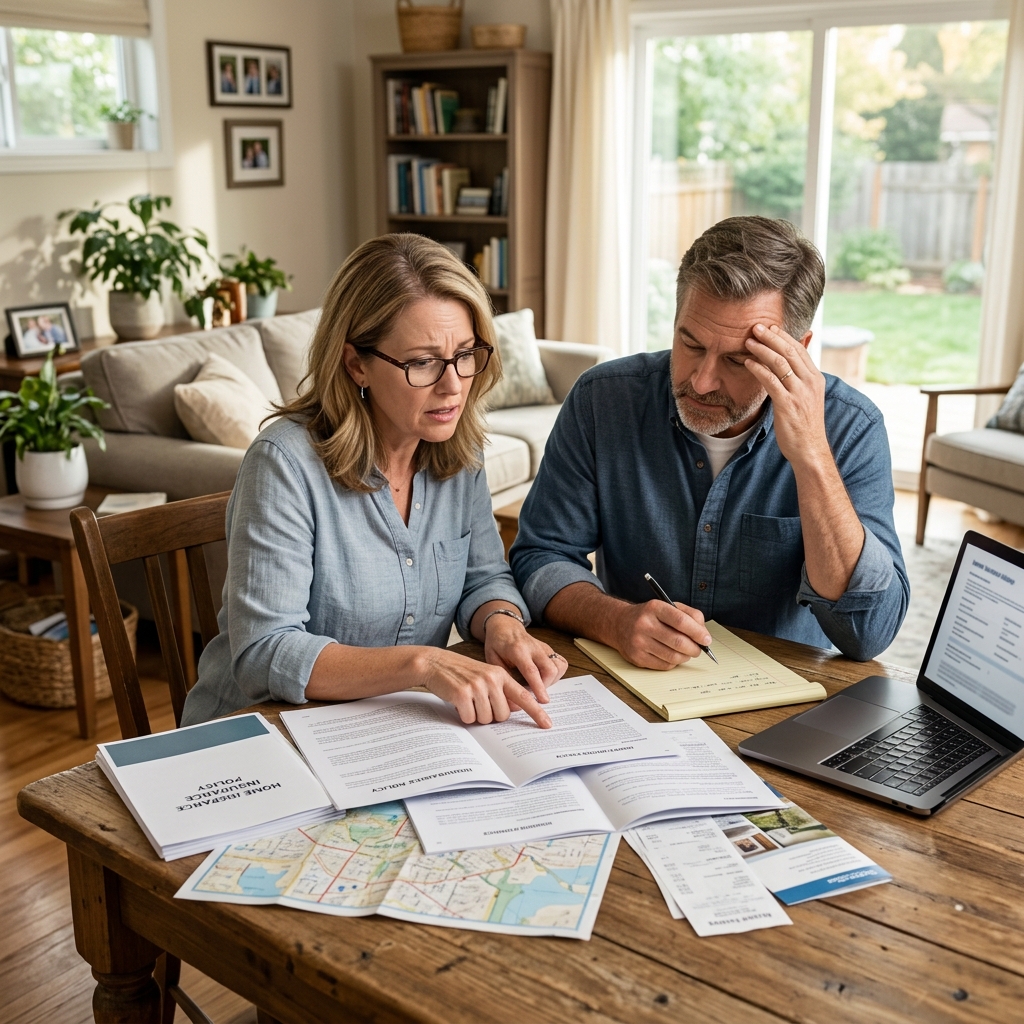
Homeowners insurance is often treated as a simple box to tick for a mortgage lender, but the details of your policy can determine whether you are fully protected or facing thousands of dollars in unexpected costs after a disaster or lawsuit. Understanding how coverage, exclusions, limits, and claims really work is essential to safeguarding both your home and your finances.
This in-depth guide explains the major parts of a homeowners policy, the most common coverage gaps, how insurers handle risk, and the practical steps you can take to avoid underinsurance and claim problems.
Core Pieces of a Typical Homeowners Policy
Most homeowners insurance policies are package policies, meaning they combine several forms of coverage into one contract. These usually include protection for your building, belongings, legal liability, and additional living expenses if you must move out after covered damage.
| Coverage Type | What It Generally Covers | Key Points for Homeowners |
|---|---|---|
| Dwelling (Structure) | Damage to the physical house from listed causes such as fire, wind, or hail. | Limit should reflect the cost to rebuild, not the home’s market value. |
| Other Structures | Detached garages, sheds, fences, and similar structures. | Often a percentage of dwelling coverage; may be too low for large outbuildings. |
| Personal Property | Furniture, clothing, electronics, and other belongings if stolen or damaged in a covered event. | Usually 50–70% of dwelling coverage; special limits for valuables like jewelry. |
| Liability | Legal responsibility for injuries or property damage you or household members cause to others. | Covers legal defense and settlements up to the policy limit; separate from medical payments coverage. |
| Additional Living Expenses (ALE) | Extra costs to live elsewhere if your home is uninhabitable due to a covered loss. | Helps pay for hotels, rent, and meals while repairs or rebuilding take place. |
Within each of these categories, the policy will specify what causes of damage (known as perils) are covered and what is excluded. Coverage levels and exclusions vary by insurer and state, making it crucial to read your own contract carefully.
How Coverage Types Affect What You Actually Receive
Two homeowners with identical damage can receive very different claim payouts depending on how their policy calculates value. Insurers commonly offer three approaches to covering the cost of repairs or replacement.
- Actual cash value (ACV)
ACV coverage pays the cost to replace the damaged property minus depreciation. For older roofs or appliances, this can result in a much lower payout than the cost of new replacements.
- Replacement cost
Replacement cost coverage pays to repair or rebuild the home or replace belongings without subtracting depreciation. This usually costs more in premiums but provides more robust protection.
- Guaranteed or extended replacement cost
Guaranteed/extended replacement cost policies go a step further by paying the full cost to rebuild even if it exceeds the stated dwelling limit. These policies can help address sudden spikes in construction costs but may not be available in every market.
Choosing ACV to save on premiums can create a significant funding gap after a major loss, especially in areas where building costs are rising quickly[10]. Homeowners should evaluate whether they can realistically afford that gap or need the security of replacement cost coverage.
Common Coverage Gaps and Exclusions That Catch Owners Off Guard
Many unpleasant surprises occur not because the policy fails, but because the homeowner assumed a risk was covered when it is explicitly excluded. State regulators and consumer guides repeatedly warn that certain events are typically excluded from standard homeowners policies.
Typical Covered vs. Uncovered Perils
| Often Covered | Commonly Not Covered |
|---|---|
| Fire and lightning | Flooding from rising water or storm surge |
| Windstorm, hurricane, and hail (subject to location limits) | Earthquakes and earth movement |
| Explosion, smoke, and certain sudden water releases | Continuous leaks, long-term moisture, and most mold remediation |
| Theft, vandalism, and damage from vehicles or aircraft | Damage from pests like termites, rodents, and insects |
| Riot and civil commotion | Wear and tear, deterioration, and maintenance issues |
Flood and earthquake coverage usually require separate policies or endorsements, often purchased through specialized programs or additional insurers. Homeowners in high-risk zones who rely only on a standard policy could face complete denial of large claims.
Underinsurance: A Hidden Problem in Many Policies
A major issue in home insurance is underinsurance, where the dwelling limit is insufficient to fully rebuild the home after significant damage. Underinsurance can arise from rising construction costs, inadequate initial estimates, or failure to update coverage after renovations.
Indicators that a policy may be underinsured include:
- The dwelling limit matches the original purchase price rather than current rebuilding costs.
- Major upgrades or additions (finished basements, new rooms, premium materials) were completed without adjusting coverage.
- Local building codes have changed, potentially increasing rebuilding costs.
If a policy includes coinsurance provisions or minimum insurance-to-value requirements, underinsurance can lead to partial claim payments even for smaller losses. Reviewing coverage regularly and requesting updated replacement cost estimates can help avoid this problem.
Special Limits on Certain Types of Personal Property
Another often overlooked gap involves sub-limits for particular categories of personal property. High-value items such as jewelry, art, firearms, or collectibles are frequently subject to relatively low maximums unless specifically listed and insured through endorsements.
To address this:
- Inventory high-value items and estimate their replacement cost.
- Check your policy for category-specific limits on theft or loss.
- Discuss scheduled personal property coverage with your insurer if values exceed the standard limits.
Why Some Homes Are Difficult or Expensive to Insure
Insurers decide whether to offer coverage and at what price by assessing the risk of future claims. In recent years, increasing catastrophe losses and climate-related events have made some areas significantly harder to insure. In certain states, major insurers have reduced coverage or left the market altogether, while nationwide premiums have risen substantially[10].
Property and Location Risk Factors
Insurers commonly consider factors such as:
- Location exposure
Homes in areas with high wildfire, hurricane, flood, or crime risk may face higher premiums, stricter underwriting, or limited availability of coverage. State regulations influence how quickly insurers can adjust rates in response to these risks.
- Condition and age of the home
Older homes with outdated electrical, plumbing, or roofing systems may be viewed as more likely to experience loss. Insurers might require repairs or updates before offering coverage or may charge higher premiums to reflect increased risk.
- Claim history
Properties or policyholders with multiple recent claims—especially liability or water damage claims—can be classified as higher risk. Insurers may respond with increased premiums, higher deductibles, or even nonrenewal.
Where coverage is difficult or unavailable in the standard market, homeowners may need to explore high-risk or residual market programs, sometimes coordinated through state insurance departments.
Personal Risk Factors
Beyond the property itself, insurers examine the homeowner’s profile. For example:
- Credit history (where permitted by law) can influence pricing and access to coverage, as poorer credit is often associated with higher rates or limited options.
- Liability exposures such as pools without proper fencing, aggressive dogs, or frequent social events can raise concerns about future injury claims.
Addressing these issues proactively—improving credit, installing safety features, or modifying risky conditions—may make it easier to obtain coverage and reduce costs.
How Claim Handling and Denials Become Major Pain Points
Coverage gaps are only one side of the problem; claim processes themselves can create disputes and frustrations. Some insurers scrutinize claims closely, and denial rates for homeowners claims can be substantial, especially when policy language is ambiguous or documentation is incomplete.
Common reasons for claim disputes include:
- Damage falls within a listed exclusion (for example, flood or earth movement).
- The insurer classifies a problem as wear and tear rather than a sudden, covered event.
- The policyholder failed to comply with conditions such as prompt reporting or reasonable steps to prevent further damage.
- Insufficient evidence linking the loss to a covered peril.
Homeowners can reduce the likelihood of disputes by documenting damage thoroughly, keeping maintenance records, and understanding the conditions and exclusions in their policy before a loss occurs.
Practical Steps to Strengthen Your Home Insurance Protection
Although the insurance market has become more complex, homeowners have several tools for improving coverage and reducing unpleasant surprises.
Assess Your Current Policy for Gaps
- Conduct a home valuation
Consult a professional appraiser or use insurer-provided replacement cost estimators to estimate current rebuilding costs for your home. Compare this figure to your dwelling coverage limit and adjust if necessary.
- Review policy limits and sub-limits
Check personal property limits, category sub-limits, liability limits, and ALE coverage. Ensure they align with your actual needs and potential risks.
- Identify excluded perils
Confirm whether you have separate flood or earthquake coverage if needed in your region. Consider endorsements for sewer backup or ordinance and law coverage where appropriate.
Improve Your Risk Profile
- Upgrade older systems (roof, electrical, plumbing) to reduce likelihood of loss and make your property more attractive to insurers.
- Install safety and security features such as smoke detectors, fire extinguishers, and monitored alarm systems.
- Address obvious hazards like broken steps, loose railings, or inadequate pool fencing to reduce liability risks.
Shop Around and Use Expert Resources
- Compare multiple insurers and policy forms, focusing on coverage details and claims reputation rather than price alone.
- Speak with licensed agents or brokers who can explain nuanced differences between policies and carriers.
- If you struggle to obtain coverage, contact your state’s insurance department to ask about high-risk programs or advisory resources.
SEO-Friendly FAQs About Home Insurance Coverage Issues
FAQ 1: What does a standard homeowners insurance policy usually include?
A standard policy typically includes coverage for the dwelling, other structures, personal property, liability protection, and additional living expenses if your home becomes uninhabitable due to a covered event. It is a package policy that combines property damage and liability coverage in one contract.
FAQ 2: Why isn’t flood damage covered under my home insurance?
Most homeowners policies exclude flooding from rising water or storm surge because it is considered a distinct catastrophic risk. Flood coverage usually requires a separate policy, often provided through specialized programs or insurers. Homeowners in flood-prone areas should confirm whether they have this additional protection.
FAQ 3: How can I tell if my home is underinsured?
If your dwelling limit is based on your original purchase price or has not been reviewed in several years despite rising construction costs or renovations, your home may be underinsured[10]. Request a current replacement cost estimate and compare it to your dwelling coverage. Significant differences warrant a policy update.
FAQ 4: Why are home insurance premiums increasing so quickly?
Recent years have brought higher catastrophe losses, rising construction costs, and increased climate-related risks, making home insurance more expensive and harder to provide in many regions[10]. In some states, regulatory rules limit how fast insurers can raise rates, creating additional pressure on the market.
FAQ 5: What can I do if I’m denied homeowners insurance?
If you are denied coverage, ask the insurer for specific reasons and consider making targeted improvements to your home’s condition or security. You can also seek quotes from other providers, talk to neighbors about their insurers, and contact your state insurance department to learn about high-risk or FAIR plan options that may be available.
References
- Homeowners Insurance Basics — Insurance Information Institute. 2023-06-01. https://www.iii.org/article/homeowners-insurance-basics
- Home insurance guide — Texas Department of Insurance. 2024-02-15. https://www.tdi.texas.gov/pubs/consumer/cb025.html
- The Perfect Storm in Home Insurance — Econofact. 2024-03-18. https://econofact.org/the-perfect-storm-in-home-insurance
- The Insurance Crisis Continues to Weigh on Homeowners — Harvard Joint Center for Housing Studies. 2024-04-10. https://www.jchs.harvard.edu/blog/insurance-crisis-continues-weigh-homeowners
- Reasons You Can’t Get Homeowners Insurance — Mercury Insurance. 2023-09-05. https://www.mercuryinsurance.com/resources/home/what-makes-a-house-difficult-to-insure.html
- High Risk Homeowners Insurance — Allstate. 2023-07-21. https://www.allstate.com/resources/home-insurance/high-risk-homeowners-insurance
- Understanding the Hidden Gaps in Your Home Insurance Policy — Flex Insurance. 2022-11-02. https://flex-ins.com/customer-resources/blog/the-biggest-issue-found-in-most-home
Similar Articles








Read full bio of Sneha Tete




