
Undefined California Adoption: Comprehensive Guide For Parents
A practical overview of California adoption rules, eligibility, consent requirements, and the legal steps to build your family through adoption.
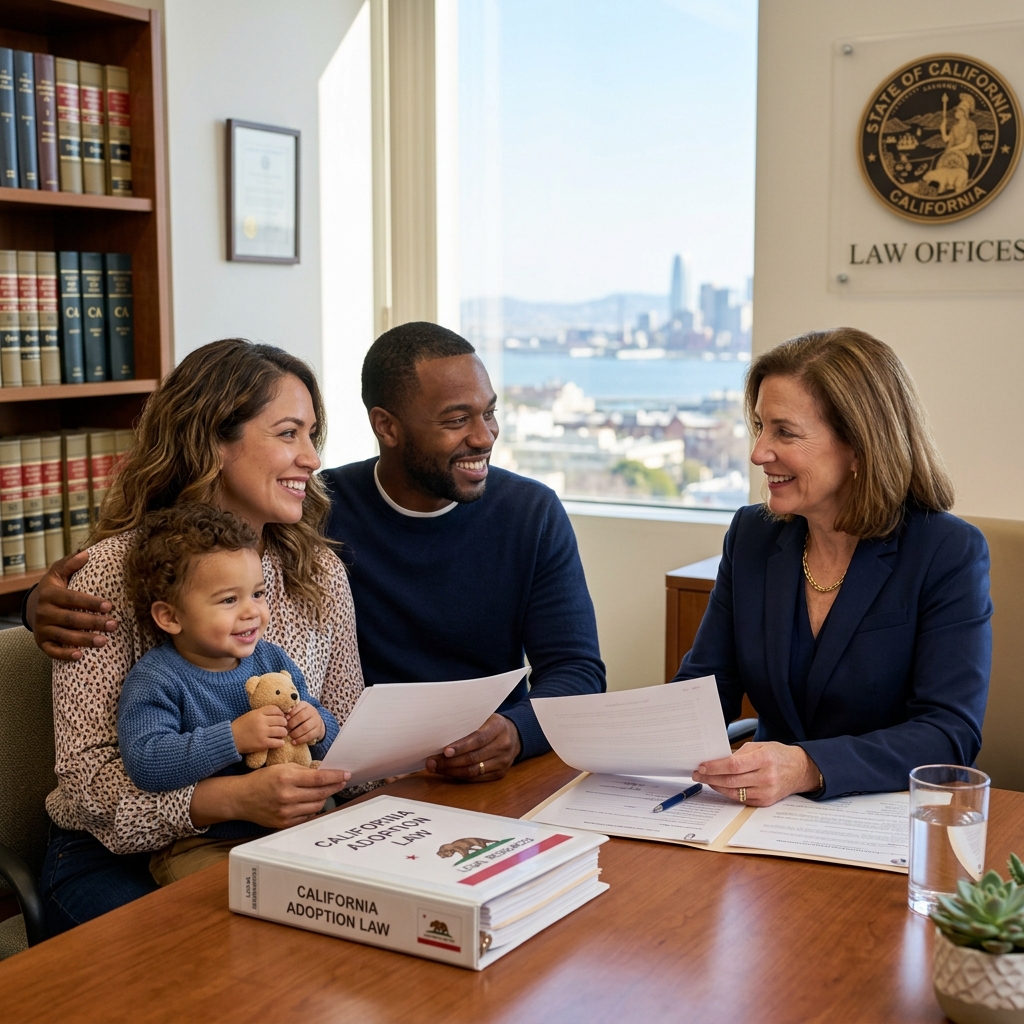
Adoption in California is a legal process that permanently creates a parent-child relationship between a child and their adoptive parent or parents. California law sets detailed rules about who can adopt, who may be adopted, the consent that must be obtained, and the procedural steps required before a court will finalize an adoption.
This guide explains those rules in plain language so prospective parents, birth parents, and caregivers can better understand the legal landscape before starting an adoption journey.
Core Principles of Adoption in California
California law treats adoption as a permanent, court-ordered change in legal parentage. Once an adoption is finalized, the adoptive parents assume all rights and responsibilities for the child, and the legal rights of the prior parents are terminated (unless the adoption is of an adult, where different rules may apply).
- Best interests of the child: Judges and agencies must focus on the child’s safety, stability and long-term welfare when evaluating an adoption.
- Consent and due process: Most adoptions require formal, written consent from birth parents and, for older children, from the child as well.
- Regulated procedures: Home studies, background checks, and court hearings ensure that adoptive placements are safe and legally sound.
Who May Be Adopted Under California Law
California adoption statutes allow a wide range of children and adults to be adopted, but the rules differ depending on age and circumstances.
| Category | Key Rules |
|---|---|
| Minor child (under 18) | Generally must be unmarried and at least 10 years younger than the adoptive parent or parents, unless an exception applies. |
| Relative and stepparent adoptions | Age-gap rules may be relaxed when the adopting adult is a stepparent or close relative such as a sibling, aunt, uncle or first cousin. |
| Adult adoption | Adults can also be adopted in California, though different age-gap and consent rules apply and the focus is on mutual agreement and the court’s approval. |
Most adoptions involve children under 18, and the legal system places strong emphasis on protecting those children from abuse, neglect, or instability.
Who Is Allowed to Adopt in California
California law is relatively flexible about who can adopt, focusing more on safety, stability and suitability than on marital status or income level.
Basic Eligibility Rules
- Age of adoptive parent: The adopting adult generally must be at least 18 years old and at least 10 years older than the child, unless the adoption involves a stepparent or certain relatives.
- Marital status: Single adults and married couples can adopt. Domestic partners and same-sex couples are also eligible and treated equally under California adoption law.
- Residency: In many cases, adoptive parents must be California residents, particularly when using state agencies, though some interstate and international placements are allowed.
- Capacity to care for a child: Courts and agencies look at whether the prospective parent can meet the child’s emotional, physical and financial needs, not at a specific minimum income level.
There is no fixed maximum age for adoptive parents, but judges and social workers may consider health, longevity, and support networks when assessing whether the placement is in the child’s best interests.
Special Requirements for Foster Care Adoptions
When adoption follows foster care, the California Department of Social Services applies additional standards.
- Prospective foster parents usually must be at least 21 years old.
- Training, home inspections, and ongoing supervision are typically required.
- The foster care agency plays a central role in deciding when and whether adoption is appropriate for a particular child.
Consent Requirements in California Adoptions
Consent is a cornerstone of the adoption process. California law carefully defines who must agree, when consent can be given, and under what circumstances consent can be withdrawn.
Whose Consent Is Needed
- Birth parents: In most adoptions, the child’s living legal parents must sign written consent to the adoption.
- Adoptive parent’s spouse: If a married person adopts alone, their spouse generally must consent, unless a court has terminated the spouse’s parental or marital rights in a relevant way.
- The child (age 12+): California requires the consent of a child who is 12 years of age or older before the adoption can be approved.
Consent typically must be given voluntarily, in writing, and witnessed by specific individuals designated by statute or regulation, such as a judge, court clerk, or authorized agency representative.
Consent in Different Types of Adoption
| Type of Placement | Consent Timing and Revocation Rules |
|---|---|
| Agency adoption | Birth parents generally may consent any time after the child’s birth. Once agency consent is given, it is usually irrevocable, except in limited situations such as failure to place the child with the specified family within a set period. |
| Independent (direct) adoption | Birth parents place the child directly with the adoptive family. Consent can often be revoked within about 30 days, unless the birth parents sign a waiver shortening that period under California law. |
| Children with Native American heritage | Special federal and state rules apply. For many Indian children, a waiting period (often 10 days) and enhanced consent protections are required, and parents may withdraw consent before finalization without needing to show cause. |
When Consent May Not Be Required
California statutes recognize that some birth parents are unavailable or have lost parental rights through court action.
- Consent may not be needed if a parent has been judicially deprived of custody and control of the child.
- Consent can be waived if a parent has abandoned or deserted the child, or voluntarily relinquished the child to an agency for adoption.
- In some cases, a court may terminate parental rights following abuse, neglect, or chronic failure to support, clearing the way for adoption without that parent’s consent.
Home Study, Background Checks, and Evaluation
Before an adoption can move forward, prospective adoptive parents almost always must complete a home study and submit to background checks. These safeguards help ensure that children are placed in safe, stable homes.
Common Elements of a Home Study
- Interviews with the prospective parents and, where relevant, other household members.
- Inspection of the home for basic safety, cleanliness and adequate space.
- Criminal background checks and child abuse registry screenings, usually for all adults living in the home.
- Medical and financial documentation to evaluate the ability to provide for the child’s needs.
- Assessment of parenting readiness, including motivation for adopting and understanding of the child’s needs.
In foster care and agency adoptions, home studies are generally conducted or overseen by county or state child welfare agencies, while independent adoptions may involve licensed social workers or private agencies.
Interstate and International Aspects
Some California families adopt children from other states or countries. When adoption crosses state lines, California law requires a timely response to requests for home studies and other evaluations.
- For interstate adoptions, county child welfare agencies are typically required to complete requested home studies within a specified period (often around 60 days).
- International adoptions involve both federal immigration rules and California’s adoption statutes, and at least one adoptive parent usually must be a U.S. citizen.
The Court Process and Finalization
Although much of the preparation takes place with agencies and social workers, only a court can legally finalize an adoption in California.
Key Steps Before the Final Hearing
- Filing adoption petitions: Adoptive parents or agencies file formal paperwork asking the court to approve the adoption.
- Submission of reports: Home study results, background checks, and agency recommendations are submitted for judicial review.
- Post-placement supervision: For many child adoptions, there is a supervision period (commonly around six months) after the child is placed but before the adoption is finalized, allowing professionals to assess how the placement is working.
Finalization Hearing
At the final court hearing, a judge must decide whether the adoption meets all legal requirements and serves the child’s best interests.
- The judge reviews consent documents, home study reports, and any objections or concerns.
- Adoptive parents may testify briefly about their relationship with the child and their understanding of the responsibilities they are assuming.
- If the court is satisfied, it issues an adoption decree, making the child the legal child of the adoptive parents for all purposes, including inheritance and parental rights.
After finalization, many families obtain a new birth certificate listing the adoptive parents, and the adoption record becomes confidential, with limited access rights for the adoptee and the adoptive parents.
Privacy, Records, and Confidentiality
California courts treat adoption files as confidential, reflecting the sensitivity of family histories, medical information, and prior legal proceedings.
- Adoption records are generally not open to the public.
- Access is usually limited to the adult adoptee, the adoptive parents, and their attorneys.
- Special procedures exist for obtaining non-identifying information, medical history, or, in limited cases, identifying information, depending on the type of adoption and the consents on file.
Common Types of Adoption in California
While the core legal principles are similar, different adoption paths involve slightly different rules and procedures.
- Agency adoptions: A licensed public or private agency matches children with adoptive families and handles much of the screening, consent, and placement work.
- Independent adoptions: Birth parents place the child directly with the adoptive parents, usually with assistance from attorneys and social workers.
- Stepparent adoptions: A stepparent adopts the birth child of their spouse, often through a simplified process that may reduce or eliminate some investigative steps if the court finds them unnecessary.
- Relative adoptions: Close relatives adopt a child in their extended family, sometimes with modified age-gap and procedural requirements.
- Adult adoptions: Adults can be adopted for reasons such as formalizing long-standing parent-child relationships or securing inheritance rights.
Practical Tips for Prospective Adoptive Parents
Understanding the legal framework is only one part of preparing for adoption. The process can be emotional and complex.
- Consult a qualified attorney who focuses on California family law and adoption for advice tailored to your situation.
- Work with reputable agencies or licensed professionals for home studies and placements.
- Keep detailed records of all consents, communications, and reports submitted to the court.
- Prepare emotionally for post-placement adjustments and be open to recommended support services.
Frequently Asked Questions About California Adoption Laws
Do I have to be married to adopt in California?
No. Any qualified single adult or married couple may adopt. California law does not require marriage, home ownership, or a specific income level, but does require that you can provide a safe and stable environment.
Is there a minimum or maximum age for adoptive parents?
Adoptive parents generally must be at least 18 and at least 10 years older than the child, with exceptions for stepparents and close relatives. There is no statutory upper age limit, but courts consider whether the parent can meet the child’s long-term needs.
When does a child have to consent to their own adoption?
In California, a child who is 12 years of age or older must give consent before the court will approve the adoption, except in unusual circumstances where the court finds consent cannot reasonably be obtained.
Can birth parents change their minds after consenting to adoption?
In agency adoptions, consent is usually final once properly given. In independent adoptions, birth parents often have a limited period (around 30 days) in which they may revoke consent, unless they sign a waiver shortening that window. Rules differ for Indian children and specific circumstances.
Are adoption records open to the public?
No. Adoption records filed in California courts are confidential. They may be accessed by the adult adoptee, adoptive parents, and their attorneys under certain conditions, but are generally not available to the public.
References
- California Adoption Laws — FindLaw. 2023-05-10. https://www.findlaw.com/state/california-law/california-adoption-laws.html
- How to Adopt in California — Considering Adoption. 2022-08-01. https://consideringadoption.com/adoptions-by-state/how-to-adopt-in-california/
- Adoption Law in California: A Primer — American Adoptions of California. 2023-04-15. https://www.americanadoptionsofcalifornia.com/adoption/ca-adoption-law
- California Adoption Requirements — Bates Adoption Law. 2025-10-24. https://www.batesadoptionlaw.com/blog/2025/10/24/california-adoption-requirements
- Adoptions — California Department of Social Services. 2021-09-30. https://www.cdss.ca.gov/adoptions
- Adoptions Self-Help Guide — California Courts. 2022-11-05. https://selfhelp.courts.ca.gov/adoptions
- What You Need to Know About the California Adoption Process — Tuan & Le, LLP. 2023-06-12. https://tuannlaw.com/what-you-need-to-know-about-the-california-adoption-process/
Similar Articles








Read full bio of medha deb


