
TikTok’s New Privacy Rules: What Users Need to Know
A clear, practical guide to TikTok’s evolving privacy policy, the data it collects, and how users can respond to new tracking and sharing rules.
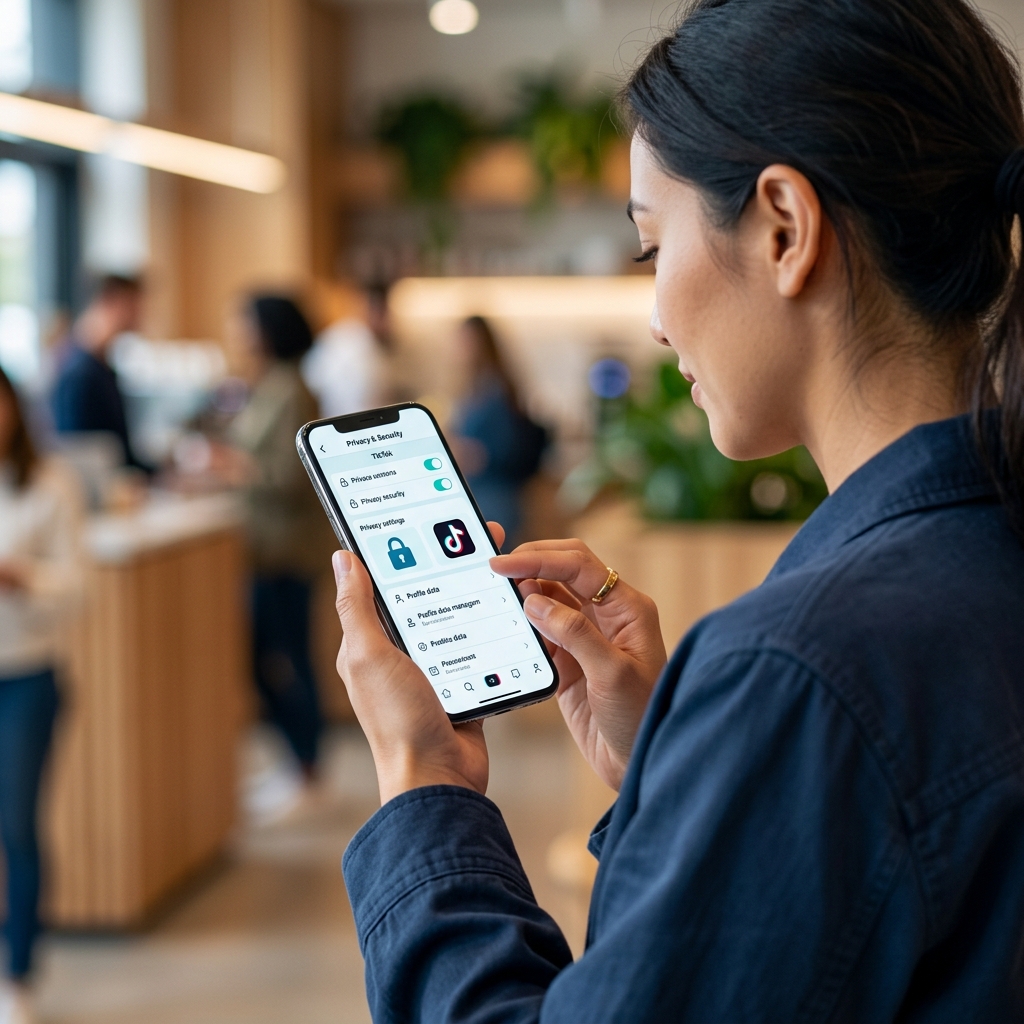
Social media platforms regularly rewrite their privacy policies, but few updates attract as much attention as TikTok’s changes. TikTok’s recent privacy policy revisions have prompted questions about how much information the app can collect, what it can do with that data, and whether users should be concerned about their long-term digital footprint.
This article offers a clear, legally informed overview of TikTok’s evolving privacy terms, explains the kinds of data that may be gathered when you use the app, and outlines practical steps you can take to manage your privacy more effectively.
Why TikTok’s Privacy Changes Matter
Any major platform update matters because privacy policies function like a contract: they define how your information is collected, stored, and shared whenever you use the service. When billions of users are involved, even small changes can have far-reaching consequences.
Several factors make TikTok’s policy shifts especially significant:
- Scale of use: TikTok has hundreds of millions of active users worldwide, including a large number of teenagers and young adults.
- Rich data collection: Short-form video usage reveals details about interests, habits, physical location, and social connections.
- Regulatory scrutiny: Lawmakers and regulators in the United States and other jurisdictions have intensified oversight of TikTok’s handling of personal data and security practices.
When a platform with this kind of reach updates its privacy terms, users should understand what is changing and how to respond.
Understanding TikTok’s Privacy Policy in Plain Language
Privacy policies are often written in legal and technical language. At a high level, TikTok’s privacy documentation tries to answer three basic questions:
- What information is collected when you use TikTok?
- How is that information used and shared?
- What choices and rights do you have over that information?
The updated policy clarifies these points in more detail, especially around location data, personalization technologies, and how TikTok interacts with third-party services.
What Data TikTok Can Collect From Users
When you open TikTok, you are not just sharing the content in your videos. The app can collect multiple categories of information, sometimes automatically, sometimes because you provide it directly.
1. Basic Account and Profile Information
Some information is needed to create and maintain your account. TikTok’s policy explains that it may collect details such as:
- Username and display name
- Email address or phone number
- Password and basic security credentials
- Profile details like bio, avatar image, and linked social accounts
This information is central to the service and is generally required to operate your account and provide login and security functions.
2. Content You Create and Interactions on the App
By design, TikTok focuses on user-generated video content. The platform’s policy explains that it may collect and store:
- Videos, photos, and captions you upload
- Comments, likes, shares, and direct messages
- Information about how often and how long you watch particular types of content
Even when content is removed, it may be stored for a period of time for moderation, legal, or technical reasons.
3. Device, Network, and Technical Information
The app can automatically collect technical data about the device and network you use to access TikTok, such as:
- Device identifiers and operating system information
- IP address and connection type
- App version and settings
- Crash logs and performance diagnostics
According to TikTok’s policy and privacy analyses by academic sources, this information helps the company maintain service reliability, detect abuse, and optimize performance.
4. Location Data and Network Signals
Location data is one of the most sensitive areas of the updated policy. TikTok notes that it may collect different kinds of location information depending on your settings and device permissions:
- Approximate location inferred from IP address and network information
- Precise location based on GPS or similar signals, if you grant location access in your device settings
- Information about nearby Wi-Fi networks and mobile towers
Independent privacy commentators have highlighted that precise location tracking, even when optional, can reveal highly detailed patterns about where users live, work, and travel.
5. Information From Third Parties and Linked Services
If you sign in with another service, or share TikTok content to other platforms, TikTok may receive certain information from those services as permitted by their policies.
- Identifiers from other apps or sign-in providers
- Basic profile data that you agree to share
- Analytics about how shared content is viewed or engaged with elsewhere
These integrations can help TikTok measure reach and personalize recommendations, but they also increase the complexity of your data trail.
How TikTok Says It Uses Collected Data
The updated policy describes multiple purposes for collecting and processing user data. Some are necessary to provide basic service; others relate to personalization and business operations.
Core Service and Safety Uses
According to TikTok’s official documentation, data is used to:
- Operate the app and deliver content to users
- Maintain account security and verify users
- Detect spam, abuse, and violations of community guidelines
- Enforce legal obligations and respond to valid law enforcement requests
These uses are common across major platforms and are typically described as necessary for the performance of the service.
Personalization, Advertising, and Recommendations
TikTok also uses collected data to personalize the user experience and to support advertising-based revenue.
- Building recommendation models based on viewing, liking, and sharing behaviors
- Grouping users into interest segments for targeted content and ads
- Measuring the effectiveness of advertisements and sponsored material
Policy explanations and external privacy analyses indicate that, while users retain ownership of the content they create, the platform may have broad rights to use that content and related metadata in connection with advertising and promotional activity.
Data Sharing With Partners and Authorities
TikTok’s policy references sharing information with third parties under specific circumstances, such as:
- Service providers that help run the platform (cloud hosting, analytics, security tools)
- Business partners involved in advertising and measurement
- Government authorities and regulators, when legally required
Regulatory discussions have raised questions about how such sharing operates in practice, especially when data crosses borders or involves younger users.
Key Areas of Concern for Everyday Users
Not every privacy policy change is harmful, but several themes in TikTok’s approach may prompt users to reassess their comfort level.
- Depth of behavioral tracking: Detailed records of viewing habits and interactions can be used to build highly specific profiles over time.
- Potential for extensive location insight: Allowing precise location access can reveal patterns about home, school, and travel that many users may not intend to share.
- Broad content usage rights: Even though creators retain ownership, TikTok can often reuse public videos for promotional and advertising purposes.
- Young and vulnerable users: Adolescents and children may be less able to appreciate the long-term consequences of sharing personal data in social apps.
These concerns do not mean that every user must immediately stop using the platform, but they highlight the importance of active privacy management.
Practical Steps to Protect Your Privacy on TikTok
Users have more control than they sometimes realize. Several simple adjustments can significantly reduce the amount of data collected while still allowing many features to function.
Manage Device Permissions
Most modern smartphones allow you to grant or deny app-level permissions. Recommended steps include:
- Turn off precise location access for TikTok unless you have a clear reason to enable it.
- Limit access to your camera and microphone to times when you are actively recording content.
- Review permission settings for contacts, photos, and local files.
Privacy researchers emphasize that disabling unnecessary permissions reduces the risk of unintentional data collection.
Adjust In-App Privacy and Safety Settings
Within TikTok, you can customize how visible your profile and content are.
- Consider setting your account to private so only approved followers can see your videos.
- Restrict who can comment, duet, or stitch your content.
- Review options for personalized ads and recommendations where available.
These changes do not eliminate data collection, but they can reduce unwanted interactions and limit the spread of sensitive content.
Limit Background Activity and Cross-App Tracking
Some privacy guidance recommends reducing how much TikTok runs or exchanges data when you are not actively using the app.
- Disable background app refresh for TikTok if your device supports this setting.
- Avoid linking TikTok to unnecessary third-party accounts.
- Regularly review which external services have access to your TikTok data.
These steps help ensure the app engages with your data primarily when you choose to use it.
Comparing TikTok’s Approach to Other Social Platforms
TikTok’s privacy practices share similarities with other large social apps, but some aspects stand out, especially given the app’s video-first design and recommendation model.
| Privacy Aspect | TikTok | Typical Social Platform |
|---|---|---|
| Core content type | Short-form video with audio and visual detail | Mixed media (text, images, videos) |
| Recommendation focus | Highly personalized “For You” feed based on interactions | Feeds based on friends, followed pages, and interests |
| Location data use | Approximate and potentially precise location, subject to permission | Often similar, but policies vary by app |
| Advertising model | Behavioral targeting using engagement and interest segments | Behavioral targeting plus social graph data |
| Policy scrutiny | Intense focus from regulators due to scale and ownership | Substantial but typically more established regulatory patterns |
This comparison underscores that, while TikTok is not unique in relying on personal data, its structure and user base can amplify privacy concerns.
Legal and Regulatory Context Around TikTok’s Privacy
Privacy policies do not exist in a vacuum. TikTok must navigate a complex legal environment, including data protection laws and regulatory investigations.
Key elements of this environment include:
- Data protection rules in various jurisdictions that govern consent, data minimization, and user rights.
- Regulatory inquiries into how TikTok handles sensitive categories of data and protects younger users.
- Obligations to respond to lawful requests from government authorities, which may involve sharing user information under certain conditions.
For users, this means that TikTok’s privacy commitments are shaped by both internal business decisions and external legal requirements.
Balancing Engagement and Privacy: Making an Informed Choice
Ultimately, each user must decide how comfortable they are with TikTok’s data practices. Some people may accept extensive data collection in exchange for entertainment and community, while others may prefer to limit or end their use of the platform.
When weighing this decision, consider:
- How much personal information appears in your videos and profile.
- Whether you are willing to share approximate or precise location data.
- How important algorithmic recommendations and personalized ads are to your experience.
- Whether younger family members use the app and understand its privacy implications.
If you choose to remain on TikTok, using the privacy tools described above can help you enjoy the platform while reducing risk.
FAQs About TikTok’s Updated Privacy Policy
Does TikTok own my videos?
No. According to TikTok’s terms, you retain ownership of the content you create. However, by posting videos, you typically grant TikTok a license to use, distribute, and display that content in connection with its services, including for advertising and promotional activity.
Can TikTok see my exact location?
TikTok can infer your approximate location from your IP address and network information. If you grant the app permission to access your device’s location services, it may also collect more precise GPS-level location data. You can disable this in your device settings.
Is TikTok’s data collection unusual compared with other social media apps?
Many large social platforms collect similar categories of information, including device identifiers, engagement data, and location signals. TikTok’s scale, focus on video, and regulatory profile make its practices more closely scrutinized, but the general model of data-driven personalization is common across the industry.
How can I reduce the amount of data TikTok collects about me?
You can limit data collection by changing app permissions, reducing background activity, using private account settings, and being selective about what you publish. Disabling precise location and unnecessary integrations with other apps are especially effective steps.
Should parents be worried about TikTok’s privacy rules for teens?
Parents should be aware that TikTok collects a range of information about younger users and relies heavily on behavioral data to drive its recommendation systems. Discussing privacy, enabling appropriate account controls, and supervising usage can help mitigate risk.
References
- Terms of Service – TikTok — TikTok USDS Joint Venture LLC. 2026-01-22. https://www.tiktok.com/legal/page/us/terms-of-service/en
- Privacy Policy – TikTok — TikTok USDS Joint Venture LLC. 2026-02-05. https://www.tiktok.com/legal/page/us/privacy-policy/en
- A Breakdown of TikTok’s New Privacy Policy — Fordham University Center on Law and Information Policy. 2026-02-15. https://privacy.blog.fordham.edu/a-breakdown-of-tiktoks-new-privacy-policy/
- TikTok’s New Privacy Policy Raises Questions About Protecting User Data — El Estoque (Montavista High School). 2026-03-08. https://elestoque.org/2026/03/08/opinion/tiktoks-new-privacy-policy-raises-questions-about-protecting-user-data/
- TikTok’s New 2026 Policies Explained — KTAL News. 2026-02-10. https://www.ktalnews.com/entertainment-news/tiktok-2026-terms-controversy/
Similar Articles








Read full bio of medha deb


