
Effective Strategies to Challenge Speeding Tickets
Discover proven methods to contest speeding violations, reduce penalties, and protect your driving record effectively.
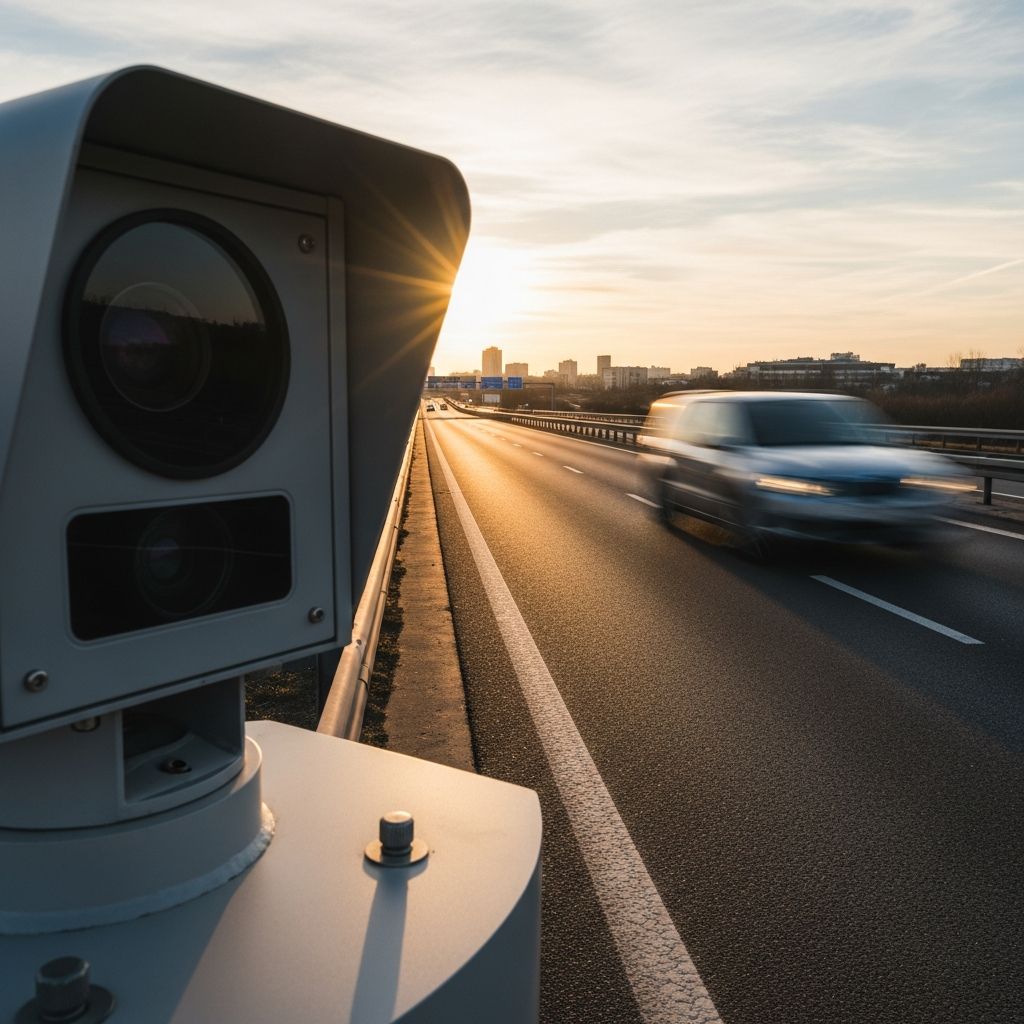
Receiving a speeding ticket can lead to significant financial penalties, increased insurance premiums, and points on your driving record that accumulate over time. However, many drivers successfully contest these citations by employing smart, evidence-based approaches rather than simply paying the fine. This guide outlines practical steps to build a strong case, navigate court proceedings, and explore alternatives to full penalties.
Understanding the Immediate Aftermath of a Ticket
When pulled over, your initial actions set the tone for any future defense. Remain calm and polite to avoid escalating the situation, as officers are more likely to remember uncooperative drivers negatively in court. Limit your statements to basic information like license and registration, avoiding admissions of guilt such as “Sorry, I was rushing.” Note the officer’s name, badge number, patrol car details, and the exact time and location of the stop.
Immediately after, document everything: weather conditions, traffic density, visibility of speed limit signs, and the method the officer mentioned for measuring speed (e.g., radar, laser, or pacing). This contemporaneous record becomes invaluable evidence, as memory fades over time.
Key Preparation Steps Before Court
Preparation is crucial for success. First, request a court date extension if needed to gather evidence, giving you time to investigate without rushing. Research your local traffic laws via official state motor vehicle codes, often available on government websites, to understand the specific violation charged.
Gather supporting materials:
- Photographic evidence: Photos of the scene showing obscured signs, construction zones, or unclear limits.
- Technology data: Dashcam footage, GPS logs from apps like Google Maps or Waze showing your speed.
- Witness statements: Affidavits from passengers or nearby drivers corroborating your account.
- Vehicle calibration: Receipts proving recent speedometer maintenance if claiming inaccuracy.
Study the speed detection method used. Radar guns require calibration and can be affected by interference; LIDAR (laser) needs clear line-of-sight. Manuals from manufacturers often detail error margins and testing protocols, which you can reference in court.
Discovery: Uncovering the Prosecution’s Case
Submit a formal discovery request to the court or prosecutor’s office for all evidence against you, including the officer’s notes, radar calibration records, and dashcam footage from the patrol car. In many jurisdictions, failure to provide this can lead to dismissal. This process often reveals weaknesses, such as uncalibrated equipment or incomplete officer reports, strengthening your position.
Navigating Traffic Court Effectively
In court, the prosecution must prove beyond reasonable doubt that you exceeded the limit. Dress professionally, arrive early, and observe other cases to gauge the judge’s temperament. Plead not guilty and present your defense methodically.
| Defense Strategy | Key Tactics | Potential Outcome |
|---|---|---|
| Challenge Measurement Accuracy | Question calibration logs, environmental interference (e.g., cosign interference for radar), operator training | Dismissal if device unreliability proven |
| Officer Testimony Cross-Examination | Ask about distance, time observed, other vehicles present, memory of event | Case weakened if inconsistencies found |
| Necessity Defense | Prove immediate danger, e.g., avoiding collision with evidence like photos or witnesses | Reduction or dismissal in emergencies |
| Signage or Location Errors | Show missing/obscured signs or wrong location on ticket | Technical dismissal |
Officers sometimes fail to appear, leading to automatic dismissal—though unreliable to bank on. If they do testify, politely highlight discrepancies between their report and your evidence.
Alternative Resolutions: Mitigation and Plea Deals
Not every case requires a full trial. Request mitigation, where you admit the violation but argue for leniency based on clean record, financial hardship, or completion of a defensive driving course. Common outcomes include:
- No points on record, just fine payment.
- Reduced charge to non-moving violation.
- Deferred adjudication after course completion.
- Installment payment plans.
Prosecutors often agree to avoid trial costs, especially for first offenses. Check court rules for written requests.
Common Pitfalls to Avoid in Your Defense
Certain arguments rarely succeed:
- “Everyone else was speeding”: Flow-of-traffic defense fails as laws apply individually.
- Faulty personal speedometer without proof: Courts expect drivers to maintain accurate vehicles.
- GPS data alone: Requires validation of device’s accuracy at the exact time.
- Excuses like being late: Not a valid emergency unless life-threatening.
Focus on verifiable facts over emotional pleas for best results.
Role of Legal Representation
Hiring a traffic attorney boosts success rates significantly, as they know local procedures, can negotiate effectively, and handle discovery expertly. Many offer flat fees lower than fines plus insurance hikes. Attorneys also cross-examine officers professionally, spotting issues laypeople miss. Free consultations are common—use them to assess your case.
Long-Term Benefits of Contesting Tickets
Beyond avoiding immediate fines (often $10000500+), fighting preserves your record. Points can suspend licenses and spike insurance 2050% for years. Successful challenges prevent this cascade, saving thousands long-term.
In some states, one online defensive driving course dismisses eligible tickets, but contesting uncovers deeper injustices like faulty enforcement.
Frequently Asked Questions (FAQs)
What if the officer doesn’t show up to court?
The case is typically dismissed, but prepare fully regardless, as appearances are common.
Can I use dashcam footage as evidence?
Yes, timestamped video directly contradicting the ticket is powerful; bring copies and witnesses if possible.
Is it worth fighting a small fine?
Absolutely, due to insurance impacts outweighing court time for most drivers.
How long do I have to request discovery?
Check local rules, often 1030 days post-arraignment; submit promptly.
Will a speeding ticket affect my job?
Possibly for driving-related roles; contesting protects professional records.
Conclusion: Empower Yourself Against Unjust Citations
By methodically preparing evidence, leveraging discovery, and presenting targeted defenses, drivers routinely overcome speeding tickets. Stay informed, act decisively, and consider professional help for complex cases. Safe driving minimizes tickets altogether, but knowledge equips you for victories when they occur.
References
- The Most Effective Way to Fight Speeding Tickets 1 Robert Hart Law. 2021-02. https://www.roberthartlaw.com/blog/2021/02/the-most-effective-way-to-fight-speeding-tickets/
- How to Fight a Speeding Ticket 1 NerdWallet. 2023-10-12. https://www.nerdwallet.com/insurance/auto/learn/how-to-fight-a-speeding-ticket
- 5 Strategies for Fighting a Speeding Ticket in Court 1 Bayer Law Offices. 2022-05-15. https://www.bayerlawoffices.com/blog/5-strategies-for-fighting-a-speeding-ticket-in-court/
- 6 Common Defenses to Speeding Tickets 1 Bernstein & Hough, PC. 2023-08-20. https://www.bernsteinhoughpc.com/blog/reckless-driving/common-defenses-speeding-tickets/
- How to Get Out of ANY Ticket in Court 99% of the Time 1 LawByMike (YouTube Transcript). 2020-06-10. https://www.youtube.com/watch?v=NfwL6P2bc2s
- What Works (and Doesn’t Work) in Traffic Court 1 Nolo. 2024-01-05. https://www.nolo.com/legal-encyclopedia/free-books/beat-ticket-book/chapter3-4.html
Similar Articles








Read full bio of Sneha Tete




