
Buying A Used Car: Step-By-Step Checklist For Savvy Buyers Now
Practical legal and safety-focused steps to find a reliable used car, protect your wallet, and avoid costly surprises.
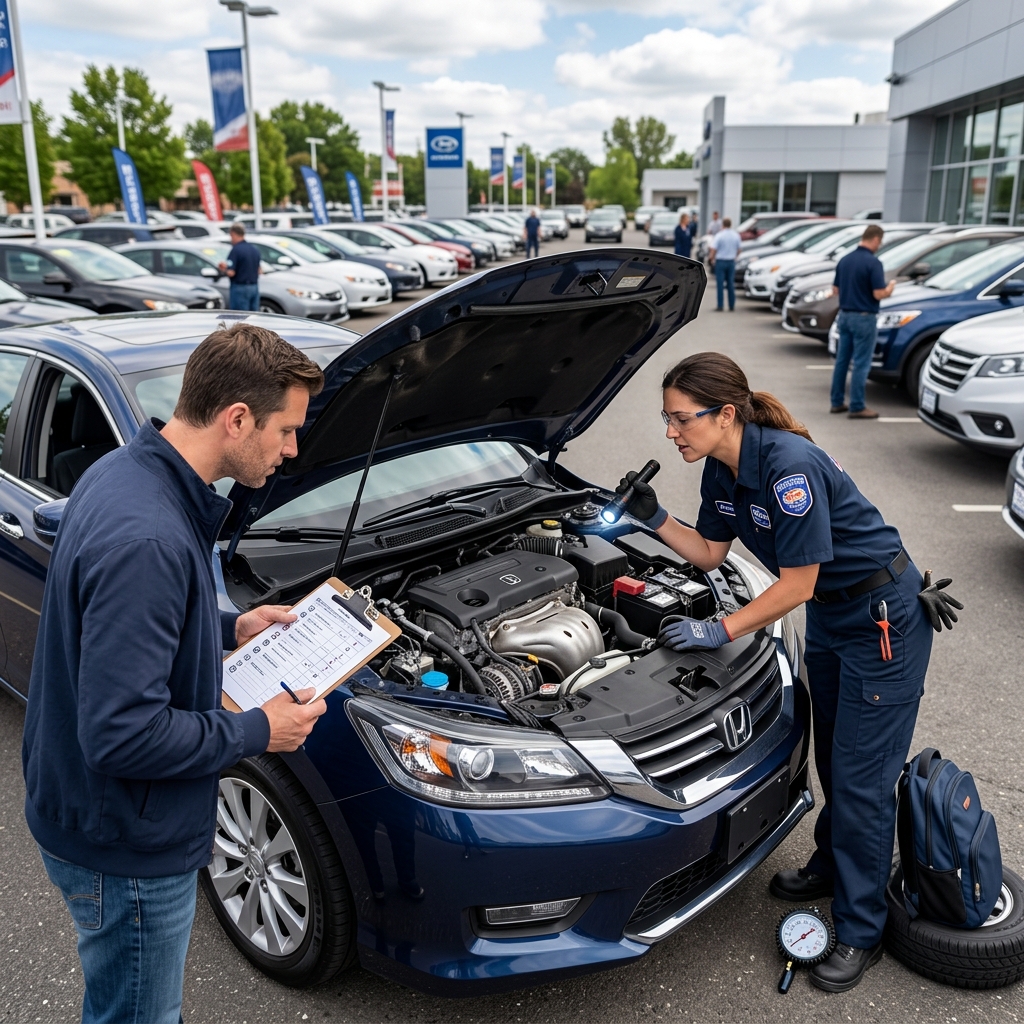
Buying a used car can save thousands of dollars compared to a new vehicle, but it also carries higher risk if you do not plan carefully and protect yourself legally. This guide walks through each stage of the process so you can identify a reliable car, avoid deceptive practices, and understand your rights when something goes wrong.
Understanding Your Budget and Total Ownership Costs
The first step in shopping for a used car is deciding what you can realistically afford, not just today but over the life of the vehicle. A low purchase price can still become expensive once insurance, repairs, and financing are included.
- Set a clear price ceiling for the vehicle itself based on your income and savings.
- Include ongoing costs such as insurance, fuel, maintenance, repairs, parking, and registration fees.
- Decide whether you will pay cash, finance through a dealer, or use a bank or credit union loan, and compare interest rates.
- Check your credit report for errors before applying for financing so you can qualify for better terms.
Considering these factors early helps you focus only on vehicles that fit your long-term budget and reduces the pressure to accept unfavorable loan terms.
Researching Vehicles Before You Shop
Doing research before visiting a dealership or private seller dramatically improves your chances of finding a dependable car. You want to know both the general reliability of the model and the fair market price for the specific vehicle you are considering.
- Use reputable automotive resources to compare models, reliability ratings, and safety performance.[10]
- Check expert guides on how to buy used cars to understand common steps such as budgeting, test driving, and negotiating.
- Look up typical prices for the year, mileage, and condition through well-known valuation tools like Kelley Blue Book or similar services.
- Search online for known issues with specific makes and models so you can inspect those areas more closely during an in-person visit.
With this background work, you will arrive at the lot or meeting with a private seller knowing which vehicles are likely to be reliable and which price ranges are reasonable.
Checking Vehicle History and Safety Recalls
A car’s past use and repair history reveal important clues about future reliability, accident risk, and potential legal issues. Whenever possible, obtain independent information rather than relying solely on the seller’s statements.
- Request the Vehicle Identification Number (VIN) and use recognized services to obtain a vehicle history report.
- Look for signs of previous accidents, flood damage, odometer discrepancies, and repeated repairs.
- Use official government recall search tools to check whether the vehicle has any unrepaired safety defects based on its VIN.
- Ask the seller to explain any gaps in maintenance records or unusual entries in the history report.
If the history report or recall search suggests serious problems that have not been addressed, you may be better off walking away, even if the price seems attractive.
Inspecting the Vehicle: Exterior, Interior, and Mechanical
Once you find a promising candidate, a thorough inspection helps you catch visible wear, hidden damage, and potential safety hazards. Ideally, you should inspect the car twice: once yourself and once with a qualified mechanic.
Exterior and Structural Condition
- Examine the body in good lighting for rust, bubbling paint, mismatched colors, or uneven panel gaps, which can indicate previous body work or accidents.
- Inspect wheels and tires for cracks, bulges, low tread, and uneven wear that may suggest alignment or suspension problems.
- Look for signs of flood damage such as water lines inside the engine bay, corrosion on metal components, or mud in hidden areas.
Interior and Comfort Features
- Check seat upholstery and carpets for tears, burns, or strong musty smells that can hint at water damage.
- Operate all seat adjustments, door locks, windows, lights, audio, and climate control to verify that they work correctly.
- Look for excessive wear on the pedals, steering wheel, and gear selector compared to the odometer reading.
Under the Hood and Mechanical Basics
- Look for fluid leaks under the vehicle and around the engine bay.
- Inspect visible belts and hoses for cracks, fraying, or swelling.
- Check coolant, oil, and transmission fluid if accessible, noting unusual colors or burnt smells.
These steps do not replace a professional inspection, but they can help you filter out cars with obvious problems before spending money on a mechanic.
Importance of an Independent Mechanical Inspection
Even experienced car buyers may miss important defects that a trained mechanic can detect. Many consumer protection agencies strongly recommend an independent inspection before buying from a dealer or private seller.
- Choose a mechanic who has no financial connection to the seller.
- Ask for a written report that lists defects, estimated repair costs, the car’s make and model, and the VIN.
- Use the report to decide whether to continue with the purchase, negotiate a lower price, or walk away.
- If a dealer refuses to allow an independent inspection or pressures you to skip it, treat this as a serious warning sign and consider another seller.
A modest inspection fee can prevent you from buying a car with expensive mechanical issues, saving far more money than it costs.
Test Driving with Safety and Performance in Mind
The test drive is your opportunity to assess how the car behaves on the road and whether it truly suits your daily needs. Experts recommend driving in different conditions and paying close attention to sounds, vibrations, and warning lights.
- Begin by adjusting your seat, mirrors, and steering wheel to ensure a comfortable and safe driving position.
- Drive on both local streets and highways to feel acceleration, braking, and handling at varied speeds.
- Turn off the radio and listen for knocking, grinding, rattling, or wind noise.
- Perform several normal brakes and at least one stronger stop in a safe area to check for pulling, pulsation, or noises.
- Monitor the dashboard for warning lights during the drive and immediately afterward.
If the vehicle struggles to accelerate, stops poorly, or triggers warning lights, those are strong indicators that repairs or further diagnostics are needed before any purchase decision.
Comparing Sellers: Dealerships vs. Private Parties
Used cars are sold by franchised dealers, independent lots, and private individuals. Each option offers different advantages and risks.
| Seller Type | Typical Benefits | Common Risks |
|---|---|---|
| Franchised or independent dealer | May offer warranties, financing, and more inventory; must provide certain disclosures such as buyers guides. | Higher prices, pressure sales tactics, and complex contracts. |
| Private seller | Potentially lower prices and simpler negotiations. | Usually no warranty, less legal protection, and limited recourse if the car has undisclosed issues. |
Regardless of the seller type, research complaints or reviews when possible and meet at safe locations. If buying from a dealer, consumer protection agencies may have records of unresolved complaints that can guide your choice.
Reading and Negotiating the Deal: Key Documents
Once you decide that the car meets your needs, the paperwork becomes crucial. Signed documents control your rights much more than verbal promises. Take time to read every page before signing.
Understanding Dealer Disclosures and Warranties
- Dealers in many jurisdictions must display a buyers guide or similar document on used cars that explains whether there is a warranty or the car is sold “as is”.
- If the car is sold as is, the dealer generally does not promise to fix problems that appear after the sale, unless those promises are written into the contract.
- Make sure any statements about repairs, return rights, or coverage are written on the buyers guide or on the purchase agreement before you sign.
- Ask for the dealer’s return or refund policy in writing and review it carefully.
Negotiating Price and Terms
- Use your research on market value and the mechanic’s inspection report to support your offered price.
- Focus on the total price rather than monthly payments, which can obscure high financing charges.
- Ask for the full “out-the-door” price in writing, including taxes and fees, before agreeing to buy.
- If the terms feel rushed or unclear, pause the negotiation or leave and return later.
Written documentation protects you if later disputes arise about what was promised or what you agreed to pay.
Recognizing Red Flags and Walking Away
Sometimes the safest decision is not to buy a particular car, even after investing time in research and inspection. Certain signals consistently point to higher risk for buyers.
- The seller refuses independent mechanical inspections or discourages you from checking recalls or history reports.
- Paperwork is incomplete, inconsistent, or unavailable, including missing titles or registration documents.
- The car shows signs of flood damage such as moldy smells, silt under carpets, or corrosion in unusual places.
- High-pressure tactics encourage you to sign immediately or claim the price is only good for a short time.
Trust your instincts in these situations. There are always other cars available, but resolving problems after the fact is time-consuming and costly.
Knowing Your Legal Rights: Lemon Laws and Complaints
Although lemon laws traditionally focus on new vehicles, some states extend protections to certain used cars, especially those sold with warranties or by dealers. Understanding basic rights can help you respond effectively if serious defects appear soon after purchase.
- Check your state’s consumer protection or attorney general website for information on used car warranties and lemon laws.
- Keep copies of all contracts, buyers guides, inspection reports, and repair receipts.
- If disputes arise, you may be able to file complaints with consumer protection agencies or seek help from legal aid organizations.
Clear documentation and awareness of available complaint channels give you better leverage in negotiations with dealers or repair shops when something goes wrong.
FAQs About Buying a Used Car
Do I really need a mechanic to inspect the car?
It is strongly recommended. Consumer advice from government agencies notes that independent inspections often reveal safety defects and mechanical issues that ordinary buyers cannot spot. The modest cost can prevent far more expensive repairs later.
Is buying a car “as is” always a bad idea?
Not always, but it shifts most of the risk to you. When a car is sold “as is,” dealers generally have no obligation to fix problems unless those obligations are written into the contract or buyers guide. If you accept an “as is” sale, an independent inspection and detailed documentation become even more important.
How can I avoid paying too much?
Use recognized valuation tools and expert guides to research fair prices, then compare several similar vehicles in your area. Ask for written out-the-door quotes from multiple dealers and use those figures during negotiation.
What should I do if I discover a serious defect after buying?
Gather all paperwork and repair estimates, then contact the seller to discuss the issue. You may also file complaints with consumer protection agencies, especially if you believe the dealer misrepresented the car or failed to honor written promises.
Are safety recalls my responsibility or the dealer’s?
Dealers’ policies on selling recalled vehicles vary, so you should ask and also do your own research. Use official recall search tools to check whether the car needs recall repairs and contact an authorized dealership to confirm if they have been completed.
References
- Buying a Used Car From a Dealer — Federal Trade Commission. 2023-04-20. https://consumer.ftc.gov/articles/buying-used-car-dealer
- Buying a Used Car Tips (English) — NYC Department of Consumer and Worker Protection. 2022-08-10. https://www.nyc.gov/site/dca/consumers/Buying-a-Used-Car-Tips.page
- How to Buy a Used Car: Our Experts Guide You From Budget to Bill — U.S. News & World Report. 2023-06-15. https://cars.usnews.com/cars-trucks/advice/how-to-buy-a-used-car
- How to Find a Safe and Reliable Used Car for Your Budget — Consumer Reports. 2022-09-01. https://www.consumerreports.org/cars/used-cars/buying-guide/
- Used Car Buying Tips: Expert Advice for Smart Shoppers — Duncan Suzuki. 2022-03-10. https://www.duncansuzuki.com/used-car-buying-tips.html
- 5 Tips for Buying a Used Car — Oregon Consumer Justice. 2021-11-05. https://ocj.org/news/5-tips-buying-used-car
Similar Articles








Read full bio of medha deb


