
Smart Spring Break: How to Avoid a DUI and Stay Safe
Learn how to enjoy spring break without a DUI, from planning sober rides to understanding local laws and protecting your future.
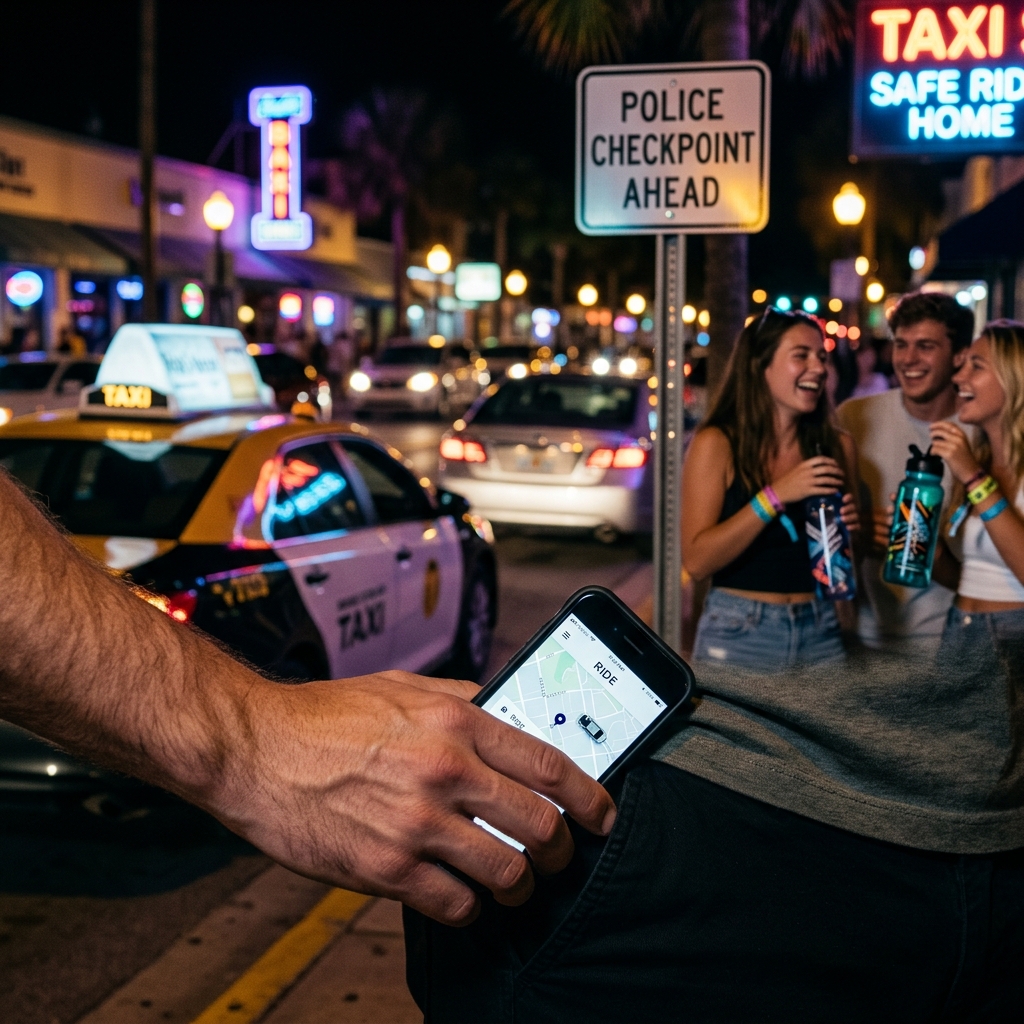
Spring break is supposed to be memorable for the right reasons: time with friends, sunny weather, and a break from everyday responsibilities. But every year, thousands of people see their trip end in handcuffs, hospital visits, or long-term legal trouble because of impaired driving and alcohol-related incidents. A driving under the influence (DUI) charge can lead to fines, license suspension, a criminal record, and even jail time, and in serious crashes it can permanently change lives for everyone involved.
This guide explains how to enjoy your trip while avoiding a DUI and staying safe. It builds on common recommendations from universities, safety organizations, and law enforcement, but presents them in a practical way you can use while planning and during your trip.
Why DUI Is a Serious Spring Break Risk
Alcohol, unfamiliar roads, late nights, and party environments create the perfect conditions for impaired driving. According to U.S. public health and safety data, alcohol-impaired driving remains one of the leading causes of traffic deaths in the country. Even if you think you “feel fine,” your reaction time and judgment can be significantly reduced after drinking or using drugs.
| Risk Factor | How It Increases DUI Risk |
|---|---|
| Heavy drinking culture | Peer pressure and binge drinking make it harder to recognize when you are too impaired to drive. |
| Unfamiliar location | New roads, different traffic patterns, and confusing signs require more focus than usual. |
| Late-night driving | Darkness, fatigue, and intoxicated pedestrians or drivers compound your risk. |
| Out-of-state laws | Legal limits, penalties, and zero-tolerance rules for underage drivers may differ from home. |
Understanding these risks is the first step; the next step is having a specific plan to keep yourself and your group out of trouble.
1. Understand DUI Laws Before You Go
DUI laws vary by state and country, but a few core principles are consistent:
- Per-se alcohol limits: In most U.S. states, it is illegal to drive with a blood alcohol concentration (BAC) of 0.08% or higher for drivers 21 and over.
- Zero tolerance for underage drivers: Many jurisdictions treat any detectable alcohol in drivers under 21 as a violation, often at 0.02% BAC or less.
- Impairment can matter even below 0.08%: If your driving is noticeably affected, you can sometimes be charged even if your BAC is under the standard limit.
- Drug-impaired driving: Driving under the influence of cannabis, prescription drugs that impair driving, or illegal drugs can also lead to DUI or similar charges, even in places where cannabis is legal.
Before your trip, look up the local DUI laws and penalties for your destination using official government or law enforcement resources. Pay particular attention to:
- Legal BAC limits for your age group
- Penalties for first-time offenses (fines, license suspension, mandatory classes)
- Rules about open containers of alcohol in vehicles
- Whether recreational cannabis is legal and what the impaired driving laws are
Knowing the rules helps you gauge risk and keeps you from accidentally violating local laws.
2. Commit to a Sober Transportation Plan
The most reliable way to avoid a DUI is to decide in advance that you will not drive after drinking or using drugs, and then build your plans around that commitment.
Choose Your Primary Safe Ride Strategy
- Designated driver: One person in the group voluntarily remains sober for the entire night to drive everyone safely. Rotate this role across nights so the responsibility is shared.
- Rideshare or taxis: Set up rideshare apps and save taxi numbers in your phone before going out. Confirm you have payment options ready, like cards or app-based wallets.
- Walking or public transit: If staying within walking distance of nightlife or on a well-connected bus route, confirm the safest well-lit paths and check the last transit times.
Whichever method you choose, make it your default. Assume that if alcohol is involved, you will use that plan no matter how you feel later in the night.
Backup Plans for When Things Change
Real life rarely follows the schedule you planned. Set backup options so you are never tempted to drive yourself:
- Save the numbers of at least two local taxi or rideshare services.
- Bring emergency cash for transportation in case your phone dies or apps fail.
- Agree that no one will criticize or pressure a friend who chooses not to drive because they feel unsafe.
- Consider using a buddy system so no one travels alone late at night.
This kind of planning may feel excessive, but it can be what stands between you and a life-changing mistake.
3. Manage Alcohol and Substances Responsibly
Safe transportation is crucial, but so is how you approach drinking and drug use in general. Overconsumption increases your risk of injury, assault, accidents, and poor decisions, including deciding to drive.
Simple Harm-Reduction Strategies
- Eat before and while you drink: Food slows alcohol absorption and can lessen how quickly you become impaired.
- Alternate drinks: Rotate alcoholic beverages with water or non-alcoholic drinks to stay hydrated and pace yourself.
- Know your limits: Pay attention to early signs of impairment, such as slurred speech, slowed thinking, or poor coordination.
- Avoid mixing substances: Combining alcohol with cannabis, sedatives, or other drugs can dramatically increase impairment and unpredictability.
- Watch your drink: Do not leave drinks unattended, and only accept drinks that you have seen poured.
Special Considerations for Cannabis and Other Drugs
If you are traveling to a place where cannabis is legal, or where friends may be using it, treat it as seriously as alcohol:
- Check product potency and serving sizes before using anything.
- Be cautious with edibles, which can take up to two hours or more to take full effect.
- Never drive after using cannabis, even if you feel alert; impairment may still be present.
- Be aware that in many jurisdictions, any level of illegal drugs in your system while driving can lead to serious charges.
The safest choice is to limit or avoid substances entirely when transportation or activities like swimming, boating, or operating equipment are involved.
4. Protect Yourself at Parties, Bars, and Beaches
Many spring break DUI incidents begin long before anyone gets in a car. They start with poor decisions at parties, clubs, or beach gatherings.
Stay Safer in Social Settings
- Use the buddy system: Stay with trusted friends and look out for each other.
- Set meeting points: Pick a clear location to regroup if someone gets separated, especially in crowded venues.
- Use a code word: Agree on a phrase that signals you want to leave or need help.
- Avoid leaving with strangers: If you choose to go somewhere new, make sure a sober friend knows where you are going and who you are with.
Water and Sun Safety (and Why They Matter for DUI)
Beach and pool environments come with their own dangers, especially when alcohol is involved.
- Never swim or boat while intoxicated: Impairment increases the risk of drowning and boating accidents.
- Swim in areas with lifeguards and obey posted flags or warnings.
- Protect your skin: Use broad-spectrum sunscreen and reapply regularly; sunburn and heat exhaustion can worsen the effects of alcohol.
- Hydrate with water: Long hours in the sun combined with alcohol can lead to dehydration and heat illness.
Staying safe at the beach or pool not only protects your health, it also makes it easier to keep clear judgment about transportation later.
5. Plan Road Trips with Safety and DUI Prevention in Mind
Driving to your spring break destination can be half the fun, but long distances, fatigue, and passenger distractions can be deadly when combined with any drinking.
Before You Hit the Road
- Check your vehicle: Make sure tires, brakes, lights, and fluid levels are in good condition.
- Pack an emergency kit: Include water, snacks, a first-aid kit, basic tools, and roadside assistance contact information.
- Share your route: Let someone at home know the route you plan to take and estimated arrival time.
- Schedule rest breaks: Fatigue can impair driving nearly as much as alcohol; plan to stop every few hours.
Rules for the Driver and Passengers
- No alcohol for the driver, at all: Even a small amount can slow reactions, especially on long drives.
- Keep open containers out of the vehicle: Many jurisdictions prohibit open alcohol containers in the passenger area, even if the driver is sober.
- Limit distractions: Passengers should help navigate and manage music or phones, not demand the driver’s attention.
- Share driving duties: On long trips, rotating drivers helps prevent fatigue—but only if all backup drivers stay sober.
6. Know How to Respond if You Are Stopped by Police
Despite your best efforts, you may still encounter law enforcement at checkpoints or during traffic stops, especially in popular spring break destinations. Knowing your rights and responsibilities can reduce stress and help you avoid escalating the situation.
During a Traffic Stop
- Pull over safely and promptly when signaled by police.
- Stay calm, keep your hands visible on the steering wheel, and wait for instructions.
- Provide requested documents such as your driver’s license, registration, and proof of insurance.
- Be polite and respectful: Arguing or acting aggressively will not help and may make things worse.
If the officer suspects impairment, they may ask you to perform field sobriety tests or take a preliminary breath test. Laws about your obligations in these situations vary by jurisdiction, and refusing certain tests can lead to administrative penalties like license suspension under implied consent laws.
If You Are Arrested or Charged
- Use your right to remain silent: You generally do not have to answer questions beyond basic identifying information. Politely state that you want to speak to a lawyer before answering further questions.
- Contact an attorney as soon as possible: A criminal defense or DUI lawyer can explain your options, deadlines, and possible defenses based on local law.
- Do not discuss your case on social media or with anyone other than your attorney, as those statements may later be used against you.
Being prepared never means you plan to get arrested; it means you understand your rights and can protect yourself if something goes wrong.
7. Protect Your Future: Long-Term Consequences of a DUI
One of the biggest reasons to avoid a spring break DUI is that the consequences do not end when your trip does. A single decision can echo through your academic, professional, and personal life for years.
- Criminal record: A DUI conviction may appear on background checks for jobs, internships, housing, and professional licenses.
- Driver’s license suspension: You may lose your driving privileges for months or years, depending on the jurisdiction and whether it is a first offense.
- Financial costs: Fines, court fees, increased insurance premiums, ignition interlock devices, and mandatory education programs can easily add up to thousands of dollars.
- Academic or disciplinary action: Schools may impose their own penalties if you are charged with a crime or violate conduct codes while representing the institution.
- Emotional and relational impact: Injuring someone—or worse—in an impaired driving crash can cause lifelong guilt and trauma for you and your community.
When you weigh these consequences against the temporary convenience of driving yourself back from a bar or party, the choice to avoid impaired driving becomes straightforward.
Quick-Reference Checklist: DUI-Free Spring Break
Use this checklist when planning your trip and again each night before going out.
- I know the basic DUI and alcohol laws at my destination.
- Our group has a clear, agreed-upon sober transportation plan.
- I have rideshare apps installed and taxi numbers saved on my phone.
- I will eat before drinking and alternate alcohol with water.
- I will not mix alcohol with drugs or cannabis, and I will never drive after using them.
- My friends and I will use a buddy system and watch out for each other.
- I will avoid swimming, boating, or other risky activities while intoxicated.
- I understand my rights during a traffic stop and know how to contact an attorney if needed.
Frequently Asked Questions About Spring Break DUIs
Can I be charged with DUI even if I feel sober?
Yes. DUI laws focus on your BAC level and observable impairment, not how you personally feel. Many people underestimate how impaired they are, especially after drinking over several hours.
Is it still DUI if I am under the legal BAC limit?
In many jurisdictions, you can be charged if your driving is affected by alcohol or drugs, even below 0.08% BAC, or if you are underage and any alcohol is detected.
Does DUI include cannabis or prescription drugs?
Yes. Driving while impaired by cannabis, sedatives, or certain prescription medications can lead to DUI or similar charges, even if the substances are legally obtained.
What if I am just “sleeping it off” in my car?
Laws vary, but in some places you can still face charges if you are in control of the vehicle (for example, in the driver’s seat with the keys nearby) while impaired. If you need to sleep, do so in a safe location away from the vehicle or make sure you clearly cannot operate it.
Is it safer to drive on back roads to avoid police?
No. Trying to avoid law enforcement by taking unfamiliar or poorly lit roads can increase your crash risk and does not make impaired driving any safer. The safest choice is never to drive after drinking or using drugs.
What should I do if my designated driver starts drinking?
Immediately switch to another safety plan: call a rideshare, taxi, or sober friend, or use public transportation. Do not argue about whose turn it was to stay sober; focus on getting everyone home safely.
References
- Spring Break Safety Tips — Virginia Tech Police Department. 2024-02-15. https://police.vt.edu/safety-security/safety-tips/spring-break.html
- Tips for a Fun and Safe Spring Break — University of Nebraska–Lincoln Student Affairs. 2024-03-04. https://studentlife.unl.edu/news/tips-fun-and-safe-spring-break/
- Spring Break Safety: What Every Parent and Student Should Know — South Carolina Department of Alcohol and Other Drug Abuse Services. 2023-03-01. https://bhdd.sc.gov/news/spring-break-safety-what-every-parent-and-student-should-know
- 7 Essential Tips for a Safe Spring Break — American Safety Council. 2023-03-10. https://blog.americansafetycouncil.com/7-essential-tips-for-a-safe-spring-break-2/
- Tips for a Safe and Enjoyable Spring Break — University of Florida GatorWell Health Promotion Services. 2023-03-06. https://gatorwell.ufsa.ufl.edu/outreach/health-communication/spring-break-safety/
- Spring Break Safety — U.S. National Highway Traffic Safety Administration (NHTSA). 2023-03-01. https://www.nhtsa.gov/campaign/drive-sober
- Spring Break Safety Tips for Road Trips — Disparti Law Group. 2022-03-15. https://www.dispartilaw.com/10-safety-tips-for-your-spring-break-road-trip/
Similar Articles








Read full bio of Sneha Tete




