
Smart, Legal Ways to Protest a Traffic Ticket
Learn strategic, lawful options to challenge traffic tickets without making things worse for your record or your wallet.
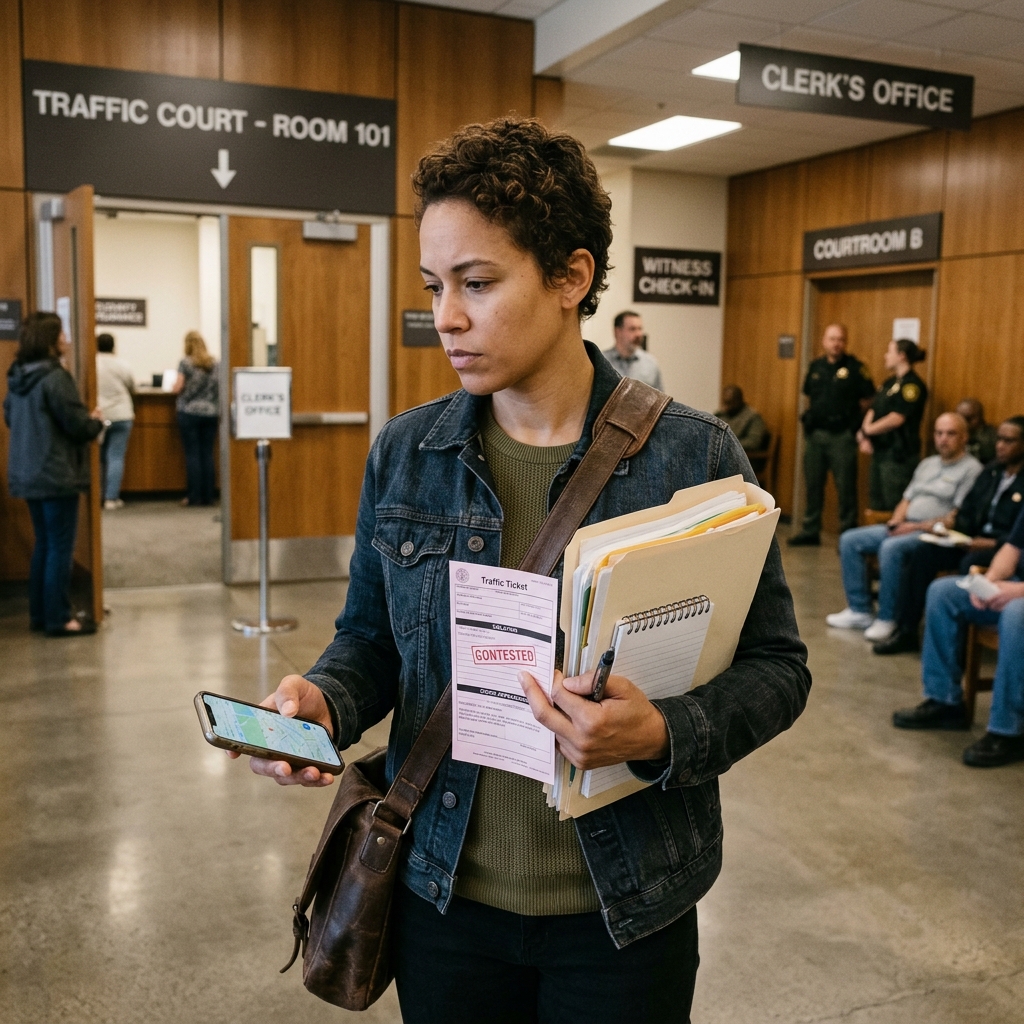
Getting a traffic ticket can feel frustrating and unfair, especially if you believe you did nothing wrong or had a good reason for what happened. Challenging a ticket legally is possible, but it requires preparation, a clear strategy, and respect for the court process. This guide explains practical, lawful ways to protest a ticket while protecting your driving record as much as possible.
Understanding Your Options When You Receive a Ticket
Before you decide to contest a traffic ticket, you need to understand what choices you realistically have. In most jurisdictions, you will have several basic options when a citation is issued.
- Pay the fine (often pleading guilty or no contest)
- Plead not guilty and request a hearing or trial in traffic court
- Seek alternatives such as a plea bargain, diversion, or deferred adjudication where available
Simply paying the fine may seem like the easiest solution, but it often means accepting points on your license, possible insurance premium increases, and a record of the violation. Contesting the ticket can sometimes avoid or reduce these consequences, but only if you approach it strategically.
First Steps: Analyze the Ticket and the Law
A strong legal protest starts with careful review of the citation itself and the underlying law you are accused of breaking.
- The exact offense (for example, speeding, failure to yield, running a red light)
- The statute or ordinance number printed on the ticket
- The date, time, and location of the alleged violation
- Any notes or codes written by the officer
Once you identify the statute, look up its text on an official government or trusted legal information site. Most traffic laws are broken into specific elements that the government must prove, such as speed, location, or driver behavior. If the evidence does not support every required element, the ticket may be vulnerable to challenge.
Common Legal Strategies to Challenge a Ticket
Courts do not dismiss tickets just because a driver is unhappy. You need a recognized legal theory or defense supported by evidence. Below are several widely used approaches.
Challenging the Officer’s Observations or Opinion
Some citations are based on an officer’s judgment rather than precise measurement. Examples include claims that you were following too closely or driving recklessly. In these cases, you can argue that the officer’s interpretation of events was mistaken.
- Highlight inconsistencies between the officer’s testimony and physical evidence
- Use diagrams, photos, or videos to clarify distances, visibility, and traffic flow
- Present eyewitness accounts that contradict the officer’s description
This approach can be effective where the law requires a subjective judgment, such as whether your conduct was “unsafe” under the conditions.
Questioning the Evidence and Devices Used
When a ticket relies on technology, such as radar, lidar, or speed cameras, you may focus your defense on possible flaws in the equipment or how it was used.
- Request records showing calibration and maintenance of speed measurement devices
- Ask for the officer’s training records on the equipment where permitted
- Check whether the device was positioned correctly and whether other objects could interfere with readings
If the prosecution cannot show that the device was reliable and properly maintained, a judge may doubt the accuracy of the alleged speed, especially when the margin is small.
Mistake of Fact: When You Reasonably Misunderstood the Situation
The law distinguishes between a mistake of law and a mistake of fact. Not knowing a law exists usually does not help you. However, if you reasonably misunderstood the physical situation, you may have a valid defense.
Examples of a mistake of fact defense include:
- Driving the wrong way on a one-way street because a sign was missing, blocked, or misleading
- Failing to stop because a stop sign was obscured by branches or construction equipment
- Speeding due to an inaccurately functioning speedometer you had no reason to suspect was faulty
Courts consider whether your mistake was honest and reasonable under the circumstances. Clear photos, repair records, or other documentation can be crucial.
Justification and Necessity: Breaking the Law to Avoid Greater Harm
In unusual cases, you may admit you technically violated a traffic rule but argue that you did so to avoid serious, immediate danger. This concept is often called a necessity or legal necessity defense.
- Speeding to reach emergency medical care when dialing emergency services was not practical
- Swerving across lanes to avoid debris or an accident suddenly appearing in front of you
- Briefly entering an intersection on a red light to prevent a collision from behind
These defenses are rarely granted and must show that:
- The danger was serious and imminent
- No lawful alternative was realistically available
- Your actions were reasonably proportionate to the risk
Building Your Case: Evidence that Strengthens Your Defense
Even the strongest legal theory will fail without supporting evidence. Effective protests rely on documentation, witness statements, and clear presentation of the scene.
Types of Useful Evidence
- Photographs and videos of the roadway, signs, lane markings, and visibility conditions
- Eyewitness statements from passengers, other drivers, or nearby pedestrians with contact information
- Repair or calibration records for vehicle components like speedometers, or for traffic control devices
- Weather or traffic reports when conditions played a role in your driving choices
- Maps or diagrams to clarify distances, angles, and positions
| Evidence Type | When It Helps Most | Example Use |
|---|---|---|
| Photos & Videos | Sign visibility, lane markings, obstructions | Showing a stop sign blocked by tree branches |
| Witness Statements | Contradicting officer’s recollection | Passenger confirms you signaled and changed lanes safely |
| Device Records | Speeding or camera-based tickets | Proving a radar gun had not been recently calibrated |
| Repair Invoices | Mistake-of-fact defenses | Showing you fixed a defective speedometer once discovered |
Plea Bargains, Deferred Outcomes, and Other Alternatives
Not every protest ends in a full acquittal. Sometimes the most practical win is a reduced charge or a record that stays clean even if you accept responsibility.
Plea Bargaining with the Prosecutor
In many traffic courts, you can negotiate with the prosecutor to reduce the impact of a ticket.
- Request a reduction to a non-moving violation, which typically carries no points
- Ask for a lower fine in exchange for avoiding trial
- Agree to attend a traffic safety course as part of a negotiated outcome
Plea bargaining may help when you have some risk of losing at trial but still want to limit insurance and license consequences.
Deferred Adjudication and Supervision Programs
Some jurisdictions offer programs where the court delays a final finding of guilt, and dismisses the ticket if you meet certain conditions.
- Paying administrative fees and court costs upfront
- Maintaining a clean driving record for a set period, such as 90–180 days
- Completing defensive driving or similar courses
If you successfully complete the program, the ticket may not appear on your driving record, protecting you from points and insurance increases. However, you still usually pay some costs, and failing the program can result in the original ticket being reinstated.
Preparing for Traffic Court the Right Way
Contesting a ticket generally leads to a court appearance or, in a few jurisdictions, a written trial by mail. Treat this process seriously and prepare as though you were presenting any formal legal case.
Step-by-Step Court Preparation
- Verify your court date and deadline for requesting hearings or submitting documents.
- Organize your evidence in a logical order and label each item clearly.
- Outline your main points in writing so you can present them calmly and efficiently.
- Practice explaining your version of events without unnecessary details, focusing on legal elements and facts.
- Consider legal advice from a licensed attorney, especially if the ticket carries serious consequences.
In court, be respectful, arrive on time, and dress in a way that shows you take the process seriously. Judges notice whether drivers are prepared and courteous, and that can affect how they view your credibility.
Contesting a Ticket in Writing: Letters and Mail-Based Trials
Some courts allow you to contest a traffic ticket through a written statement or letter rather than appearing in person. When this option exists, your letter becomes your entire presentation.
A well-structured letter should:
- Identify the citation and relevant details clearly
- Explain why you believe the citation is inaccurate or unfair, using specific facts
- Refer to supporting evidence, such as attached photos or statements
- Respectfully state what you are asking the court to do (dismiss, reduce, or modify the ticket)
Even when a letter is used instead of live testimony, legal principles remain the same: you need a coherent theory of defense and proof to back it up.
FAQs: Legal Protests of Traffic Tickets
Is it always worth fighting a traffic ticket?
Not always. Minor tickets with low fines and limited impact on your record may not justify the time and effort of contesting. However, tickets that carry high fines, significant points, or possible license suspension may be worth challenging, especially if you have a plausible defense and good evidence.
Can I represent myself in traffic court?
Yes. Many drivers appear in traffic court without an attorney, and the process is designed to be more informal than criminal trials. Still, an attorney can be valuable when the stakes are high, such as in cases involving potential suspension, very high speeds, or multiple violations.
What if I just didn’t know the law?
Courts usually do not accept ignorance of the law as a defense. This is considered a mistake of law, which typically does not excuse a violation. A mistake of fact, where the physical situation misled you, may sometimes be a valid defense if it was reasonable and supported by evidence.
What happens if the officer doesn’t show up?
In some courts, if the officer who issued the ticket fails to appear, the case may be dismissed, especially when the officer’s testimony is necessary to prove the violation. However, rules differ by jurisdiction, and prosecutors may rely on other evidence, so you should still prepare your defense.
Will fighting a ticket always keep it off my driving record?
No. If you lose, the violation will generally appear as if you had simply paid the ticket. Some outcomes, like plea bargains or deferred adjudication, may reduce the impact on your record even if you do not fully win your case.
Key Takeaways for a Lawful, Effective Ticket Protest
- Understand the exact law and elements you are accused of violating before you decide how to proceed.
- Choose a clear, legally recognized defense strategy rather than relying on general complaints.
- Gather and organize strong evidence, including photos, witness statements, and relevant records.
- Consider alternatives like plea bargaining or deferred adjudication when a full win is unlikely but you still want to protect your record.
- Prepare carefully for court or written submissions and maintain a respectful, professional tone throughout.
References
- Fight a Traffic Ticket: 5 Strategies That Work — FindLaw. 2023-05-01. https://www.findlaw.com/traffic/traffic-tickets/how-to-fight-traffic-tickets-five-strategies-that-work.html
- How Can I Contest a Traffic Ticket in Illinois? — Maksimovich Law. 2023-02-10. https://www.maksimovichlaw.com/blog/how-can-i-contest-a-traffic-ticket-in-illinois
- How To Write a Letter To Contest Your Traffic Ticket — Super Lawyers. 2022-11-15. https://www.superlawyers.com/resources/traffic-violations/how-to-write-a-letter-to-contest-your-traffic-ticket/
- Fighting a Traffic Ticket in Legal Proceedings — Justia. 2021-09-20. https://www.justia.com/traffic-tickets/how-to-fight-a-traffic-ticket/
- How to Fight a Traffic Ticket: Winning Strategies for Traffic Court — Nolo. 2020-06-30. https://www.nolo.com/legal-encyclopedia/free-books/beat-ticket-book/chapter3-4.html
- Your Guide to Illinois Traffic Courts — Illinois State Bar Association. 2018-08-01. https://www.isba.org/public/guide/illinoistrafficcourts
Similar Articles








Read full bio of Sneha Tete


